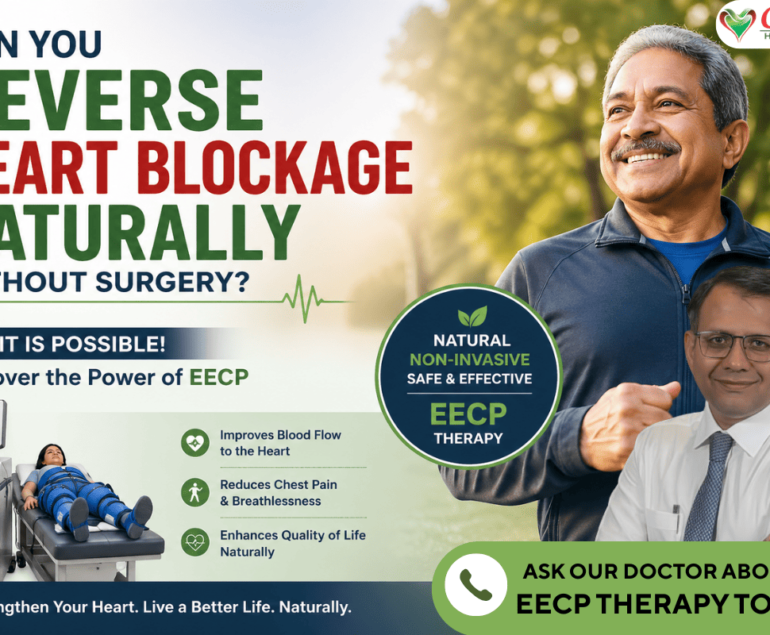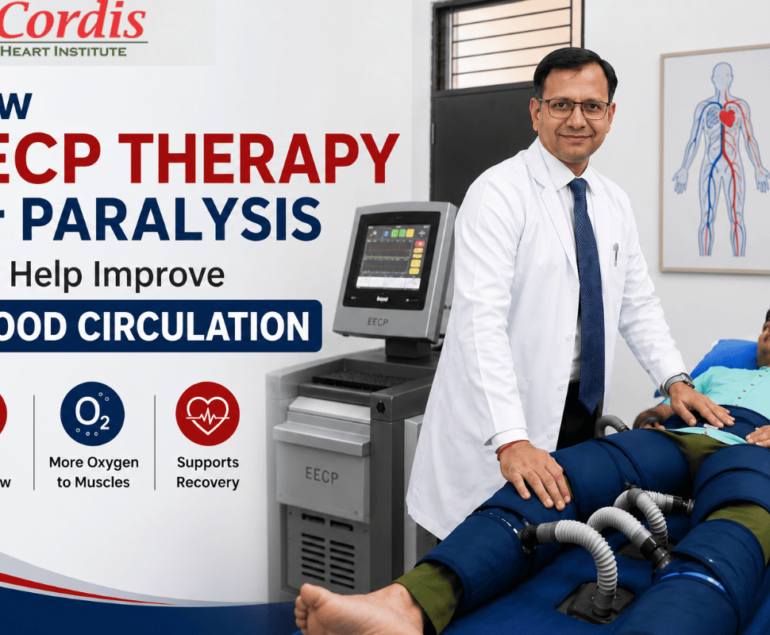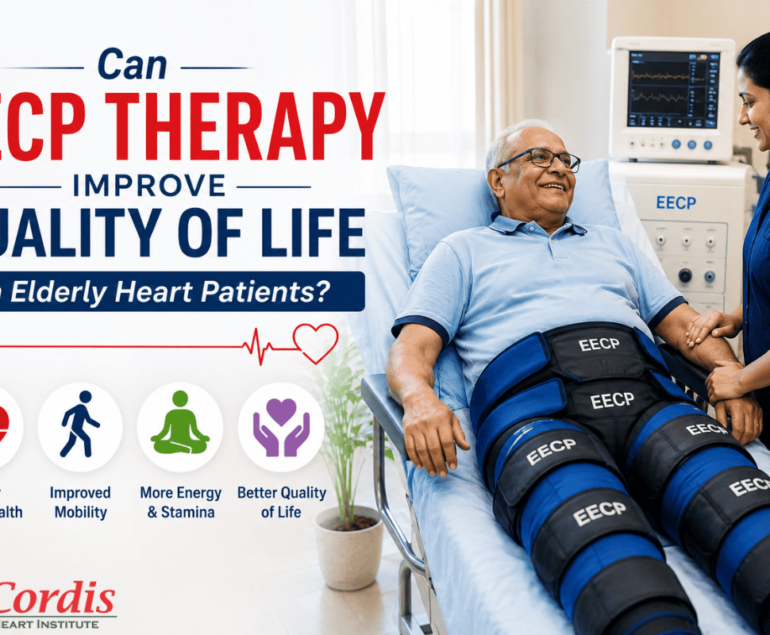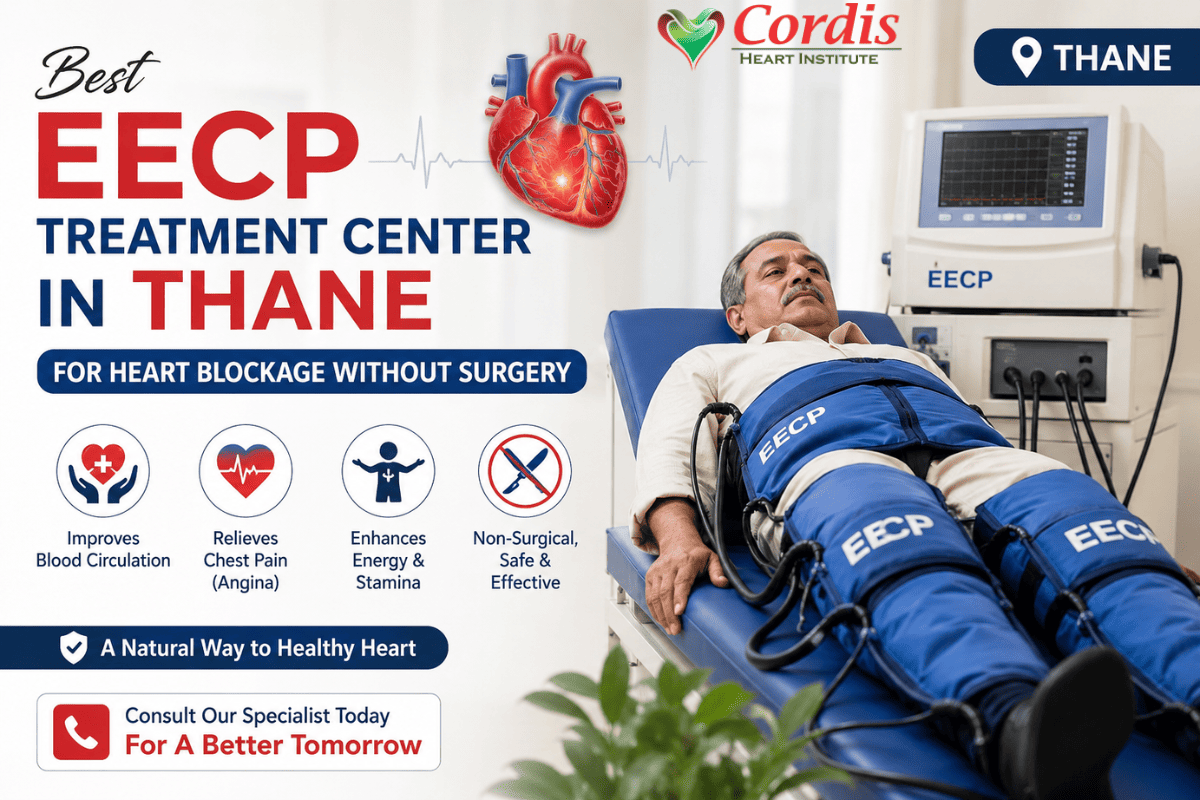
Heart blockage is one of the leading causes of chest pain, reduced physical activity, and heart attacks. While angioplasty and bypass surgery remain the recommended treatment for many patients, they are not the only options in every situation. Some patients are medically unsuitable for surgery, while others are looking for a non-surgical treatment that may help improve blood flow and reduce symptoms.
If you are searching for the Best EECP Treatment Center in Thane, understanding how EECP works is the first step. Enhanced External Counter Pulsation (EECP) is a non-invasive treatment that may help improve blood circulation to the heart in carefully selected patients with coronary artery disease and stable angina. It is recognized in several cardiology guidelines as an option for certain patients after proper medical evaluation.
At Cordis Heart Institute, patients receive a detailed heart assessment before any treatment is recommended. Under the guidance of Dr Abhijit Aklujkar, every patient receives a personalized treatment plan based on their medical condition, symptoms, and diagnostic findings.
This guide explains everything you should know about EECP therapy, including how it works, who may benefit from it, its advantages, and why many patients choose Cordis Heart Institute for non-surgical heart care in Thane.
What Is EECP Treatment?
Enhanced External Counter Pulsation (EECP) is a non-surgical therapy designed to improve blood flow to the heart. Unlike angioplasty or bypass surgery, EECP does not involve incisions, stents, or general anaesthesia.
The treatment uses inflatable cuffs wrapped around the calves, thighs, and buttocks. These cuffs inflate and deflate in sync with your heartbeat using ECG monitoring. This controlled pressure helps push oxygen-rich blood back toward the heart during relaxation (diastole) and reduces the heart’s workload during contraction.
For suitable patients, EECP may help relieve symptoms such as chest pain and shortness of breath while improving exercise tolerance.
Understanding Enhanced External Counter Pulsation (EECP)
EECP works by supporting the body’s natural circulation rather than mechanically opening blocked arteries.
During treatment:
- Pneumatic cuffs are placed on the legs.
- The cuffs inflate sequentially from the calves upward.
- Inflation increases blood flow toward the heart.
- Deflation occurs just before the heart pumps, reducing resistance.
- Each session is monitored by trained healthcare professionals.
Over multiple sessions, this repeated increase in blood flow may encourage the development of collateral blood vessels. These small natural vessels can provide alternate pathways for blood to reach heart muscle when existing arteries are narrowed.
It is important to note that EECP does not remove or dissolve plaque from blocked arteries. Instead, it aims to improve circulation and reduce symptoms in selected patients.
How EECP Improves Heart Health
Many patients ask how a treatment performed from the legs can benefit the heart.
The answer lies in improved circulation.
Possible benefits include:
Better Oxygen Supply
Improved blood circulation may increase oxygen delivery to heart muscle, particularly in areas receiving less blood because of narrowed arteries.
Reduced Chest Pain (Angina)
Many patients experience fewer episodes of angina after completing a recommended course of EECP. Better circulation means the heart muscle may receive oxygen more efficiently during daily activities.
Improved Exercise Capacity
Patients often report that they can walk farther, climb stairs more comfortably, or perform routine activities with less fatigue after treatment.
Reduced Breathlessness
Some eligible patients notice an improvement in breathing during physical activity as blood circulation becomes more efficient.
Better Quality of Life
The overall goal of EECP is to help suitable patients enjoy daily life with fewer symptoms and improved functional capacity.
Can EECP Help Treat Heart Blockage Without Surgery?
One of the most common questions patients ask is:
“Can heart blockage be treated without surgery?”
The answer depends entirely on the severity of the blockage, the patient’s symptoms, heart function, and overall medical condition.
For certain patients with stable coronary artery disease, EECP may be recommended as part of a broader treatment plan that also includes medications and lifestyle changes. However, some patients with severe or emergency heart conditions may still require angioplasty or bypass surgery.
That is why a complete cardiac evaluation is always necessary before deciding on treatment.
How EECP Helps Patients with Heart Blockage
When coronary arteries become narrowed, the heart muscle may not receive enough oxygen-rich blood, especially during physical activity.
Instead of directly opening blocked arteries, EECP works by improving circulation around the affected areas.
Possible mechanisms include:
- Increased blood flow to heart muscle
- Development of collateral circulation
- Reduced workload on the heart
- Improved endothelial function
- Better oxygen delivery during activity
For eligible patients, these changes may lead to fewer symptoms and improved daily functioning.
Can EECP Reduce Symptoms of Angina?
Stable angina is chest discomfort caused by reduced blood supply to the heart.
Patients often experience pain while:
- Walking uphill
- Climbing stairs
- Carrying heavy objects
- Exercising
- Emotional stress
Clinical studies have shown that EECP may reduce the frequency and severity of angina in selected patients.
Many patients also report:
- Reduced dependence on nitroglycerin tablets
- Increased walking distance
- Better stamina
- Greater confidence in daily activities
Individual results vary, and improvement depends on the patient’s overall condition and adherence to the treatment plan.
Is EECP an Alternative to Angioplasty or Bypass Surgery?
This is one of the biggest misconceptions surrounding EECP.
EECP is not a replacement for angioplasty or bypass surgery in every case.
Instead, it may be considered for selected patients, such as:
- Patients with chronic stable angina
- Patients who continue to have symptoms despite medication
- Patients who are not suitable candidates for surgery
- Patients with diffuse coronary artery disease where conventional procedures are difficult
- Patients seeking additional symptom relief after discussion with their cardiologist
Only a qualified cardiologist can determine whether EECP is appropriate after reviewing investigations such as ECG, echocardiography, stress testing, CT coronary angiography, or coronary angiography.
At Cordis Heart Institute, Dr Abhijit Aklujkar performs a thorough evaluation before recommending any treatment, ensuring that every patient receives care based on their individual clinical needs.
Who Is the Right Candidate for EECP Therapy?
Not everyone with heart disease requires EECP, and not everyone is eligible for it. Proper patient selection is one of the most important factors for successful outcomes.
A cardiologist considers:
- Medical history
- Severity of coronary artery disease
- Current symptoms
- Heart function
- Existing medications
- Other medical conditions
Patients with Coronary Artery Disease
People diagnosed with coronary artery disease (CAD) may benefit from EECP if they continue to experience symptoms despite receiving standard medical treatment.
The therapy is often considered when patients want to improve their quality of life without undergoing another invasive procedure, provided they meet the eligibility criteria.
Patients with Stable Angina
EECP is most commonly recommended for patients with stable angina, where chest pain occurs predictably during physical activity and improves with rest or medication.
These patients often notice improvements in:
- Walking distance
- Physical stamina
- Daily activity levels
- Frequency of chest pain
Patients Not Suitable for Surgery
Some individuals have medical conditions that make angioplasty or bypass surgery high risk.
These may include:
- Advanced age
- Multiple health conditions
- Previous failed procedures
- Diffuse coronary artery disease
- High surgical risk after medical evaluation
In selected cases, EECP may be considered as part of their treatment strategy.
Patients Looking to Avoid Repeat Angioplasty
Some patients have already undergone angioplasty or bypass surgery but continue to experience symptoms over time.
After proper evaluation, EECP may be recommended to help manage ongoing angina and improve daily functioning, depending on the underlying cause.
Every case is different, which is why treatment decisions should always be made by an experienced cardiologist after reviewing current investigations.
Benefits of Choosing EECP Treatment
EECP has become increasingly popular because it offers a non-invasive approach for selected heart patients. While results vary from person to person, many patients appreciate the convenience and comfort of the therapy.
Non-Surgical Procedure
There are:
- No surgical incisions
- No stitches
- No implanted stents
- No surgical scars
Patients remain awake throughout each session and can communicate with the healthcare team.
No Hospital Admission Required
EECP is generally performed on an outpatient basis. Patients attend scheduled sessions and return home the same day.
This allows many people to continue their daily routines during treatment.
No General Anaesthesia
Since the procedure does not require surgery, general anaesthesia is not needed.
Avoiding anaesthesia may reduce certain procedure-related risks for eligible patients.
Faster Recovery
Unlike major heart surgery, EECP does not involve a lengthy recovery period.
Most patients resume normal activities shortly after each session unless advised otherwise by their cardiologist.
Better Blood Flow to the Heart
One of the primary goals of EECP is to improve circulation to the heart muscle. Better blood flow may reduce symptoms and support improved physical activity in suitable patients.
Improved Quality of Life
Patients who respond well to EECP often report improvements in daily life, including:
- Walking longer distances
- Climbing stairs with less discomfort
- Reduced episodes of chest pain
- Better energy levels
- Improved confidence during everyday activities
These improvements are most meaningful when EECP is combined with prescribed medications, a heart-healthy diet, regular physical activity, and ongoing medical follow-up.
Why Choose Cordis Heart Institute for EECP Treatment in Thane?
Finding the right heart hospital is just as important as choosing the right treatment.
Cordis Heart Institute is committed to providing patient-focused cardiac care backed by modern technology and evidence-based treatment planning.
Every patient undergoes a detailed evaluation before EECP is recommended, ensuring the treatment is appropriate for their condition.
Experienced Cardiac Team
The hospital’s multidisciplinary team focuses on diagnosing and managing a wide range of heart conditions, with an emphasis on individualized care.
Treatment Under the Guidance of Dr Abhijit Aklujkar
Treatment plans are developed under the supervision of Dr Abhijit Aklujkar, who carefully evaluates each patient’s symptoms, medical history, and diagnostic reports before recommending EECP or any other cardiac treatment.
Advanced EECP Technology
Cordis Heart Institute uses modern EECP systems that are synchronized with the patient’s heartbeat to deliver treatment accurately and comfortably.
Personalized Treatment Plans
No two heart patients are the same. Factors such as age, symptoms, existing medical conditions, and test results are considered before creating a treatment plan.
Patient-Centered Care
From consultation to follow-up, the focus remains on patient education, comfort, and informed decision-making.
Comprehensive Cardiac Evaluation Before Treatment
Before starting EECP, patients may undergo investigations such as ECG, echocardiography, stress testing, or other cardiac assessments, depending on their clinical needs. This helps ensure that the chosen treatment is both safe and appropriate.
Meet Dr Abhijit Aklujkar
Choosing the right cardiologist is an important part of managing heart disease. At Cordis Heart Institute, patients are evaluated by Dr Abhijit Aklujkar, who believes in providing individualized care based on evidence, clinical assessment, and patient needs.
Qualifications and Experience
Dr Abhijit Aklujkar has extensive experience in diagnosing and managing a wide range of cardiac conditions. His approach focuses on selecting the most appropriate treatment after a thorough evaluation rather than applying a one-size-fits-all solution.
Expertise in Non-Surgical Heart Care
In addition to conventional cardiac treatments, Dr Aklujkar evaluates eligible patients for non-invasive options such as EECP therapy. The goal is to improve symptoms and quality of life while ensuring that treatment recommendations are medically appropriate.
Approach to Patient Care
Every consultation includes a detailed review of the patient’s symptoms, medical history, lifestyle, and diagnostic findings. Patients are encouraged to ask questions and understand the benefits, limitations, and expected outcomes of each treatment option before making a decision.
What Happens During an EECP Treatment Session?
Many patients feel anxious before starting a new treatment, especially when it involves the heart. One of the biggest advantages of EECP therapy is that it is completely non-surgical. There are no cuts, injections into the heart, or hospital admission for most patients.
Before beginning treatment at Cordis Heart Institute, Dr Abhijit Aklujkar performs a detailed evaluation to determine whether EECP is suitable for your condition. Your medical history, current symptoms, medications, and diagnostic reports are reviewed to create an individualized treatment plan.
Before the Session
Before your first session, you may undergo one or more cardiac tests depending on your condition, such as:
- Electrocardiogram (ECG)
- Echocardiography (2D Echo)
- Blood pressure assessment
- Blood investigations
- Stress test (if required)
- Coronary angiography reports review
The healthcare team also explains the treatment process, expected outcomes, and precautions to follow during the therapy.
Wear loose, comfortable clothing on the day of your session. Since inflatable cuffs are placed around your legs, comfortable attire helps make the treatment more convenient.
During the Procedure
You will lie comfortably on a specially designed treatment bed.
Large inflatable cuffs are wrapped around your:
- Calves
- Lower thighs
- Upper thighs
These cuffs are connected to an EECP machine that synchronizes inflation and deflation with your heartbeat using ECG monitoring.
During each heartbeat:
- The cuffs inflate one after another during the heart’s relaxation phase.
- This pushes oxygen-rich blood toward the heart.
- Just before the heart pumps, the cuffs rapidly deflate.
- This reduces the effort required for the heart to pump blood.
Throughout the session, trained professionals monitor your comfort, heart rhythm, and blood pressure.
Most patients find the procedure comfortable after the first few sessions.
After the Treatment
Since EECP is an outpatient procedure, most patients can return home shortly after the session.
There are usually no activity restrictions unless advised otherwise by your cardiologist.
Patients are encouraged to continue:
- Prescribed medications
- Healthy eating habits
- Walking or exercise (if approved)
- Regular follow-up appointments
Typical Treatment Duration
A standard EECP treatment course typically consists of:
- Around 35 sessions
- Approximately one hour per session
- Usually completed over 7 weeks (five sessions per week)
However, the exact number of sessions depends on the patient’s condition and the treating cardiologist’s recommendation.
Is EECP Treatment Safe?
EECP has been used worldwide for many years in selected patients with coronary artery disease and chronic stable angina. When performed after proper medical evaluation, it is generally considered a safe non-invasive therapy for eligible patients.
However, like any medical treatment, it is not suitable for everyone.
Clinical Safety
EECP is recognized in cardiology practice as a treatment option for selected patients who continue to experience angina despite optimal medical therapy or who are not suitable candidates for certain invasive procedures.
At Cordis Heart Institute, patient safety comes first. Every patient undergoes a detailed assessment before treatment begins.
Possible Side Effects
Most patients tolerate EECP well.
Some people may experience temporary discomfort such as:
- Mild muscle soreness
- Skin redness where cuffs are placed
- Leg discomfort during initial sessions
- Fatigue after treatment
These effects are usually temporary and often improve as treatment continues.
If you experience unusual symptoms, inform your healthcare team immediately.
Who Should Avoid EECP?
EECP may not be suitable for patients with certain medical conditions, including:
- Severe aortic valve disease
- Active blood clots in the legs
- Severe uncontrolled high blood pressure
- Significant bleeding disorders
- Certain heart rhythm abnormalities
- Severe peripheral artery disease
- Pregnancy (depending on clinical circumstances)
Only a qualified cardiologist can determine whether EECP is appropriate after reviewing your medical condition.
Lifestyle Changes That Improve EECP Results
EECP works best when combined with healthy lifestyle habits. The treatment is not a substitute for medications or lifestyle modification.
Following your cardiologist’s advice can help maintain heart health over the long term.
Follow a Heart-Healthy Diet
Choose foods that support cardiovascular health, including:
- Fresh fruits
- Green leafy vegetables
- Whole grains
- Pulses
- Lean protein
- Healthy fats in moderation
Limit:
- Fried foods
- Sugary drinks
- Processed foods
- Excess salt
- Foods high in saturated and trans fats
Stay Physically Active
Regular physical activity helps improve heart health.
Depending on your medical condition, your doctor may recommend:
- Walking
- Light cycling
- Cardiac rehabilitation exercises
- Stretching
Never begin a new exercise program without medical advice if you have heart disease.
Control Diabetes and Blood Pressure
High blood sugar and uncontrolled blood pressure increase the risk of worsening coronary artery disease.
Take medications as prescribed and attend regular follow-up appointments.
Manage Stress
Long-term stress may affect heart health.
Helpful stress management techniques include:
- Meditation
- Deep breathing exercises
- Yoga (with medical approval)
- Adequate sleep
- Spending time with family
Quit Smoking
Smoking damages blood vessels and increases the risk of heart attack and stroke.
Quitting smoking is one of the most important steps you can take to protect your heart.
EECP vs Angioplasty vs Bypass Surgery
Many patients compare these treatment options before making a decision.
The right treatment depends on:
- The severity of heart disease
- Number and location of blocked arteries
- Symptoms
- Heart function
- Overall health
- Cardiologist’s assessment
Feature | EECP Therapy | Angioplasty | Bypass Surgery |
Procedure Type | Non-surgical | Minimally invasive | Open-heart surgery |
Incision | No | Small puncture | Surgical incision |
Stent Required | No | Yes | No |
General Anaesthesia | No | Usually No | Yes |
Hospital Stay | Usually Not Required | Short Stay | Several Days |
Recovery Time | Minimal | Few Days | Several Weeks |
Suitable For | Selected Patients | Selected Patients | Selected Patients |
Important: EECP should not be viewed as a replacement for angioplasty or bypass surgery. Your cardiologist will recommend the most appropriate treatment based on your individual condition.
Cost of EECP Treatment in Thane
Patients often ask about the cost of EECP therapy. The total cost varies depending on several factors.
Rather than choosing treatment based only on price, it is important to consider the experience of the medical team, quality of equipment, patient monitoring, and overall care.
Factors That Affect Treatment Cost
The overall cost may depend on:
- Number of sessions required
- Patient’s medical condition
- Diagnostic tests
- Additional consultations
- Follow-up care
For the most accurate estimate, schedule a consultation with Cordis Heart Institute.
Why Quality of Care Matters More Than Cost
Heart treatment is a long-term investment in your health.
Choosing an experienced cardiac team, advanced equipment, and individualized treatment planning can make a meaningful difference in your care.
Frequently Asked Questions (FAQs)
Which is the Best EECP Treatment Center in Thane?
If you are looking for experienced cardiac care, Cordis Heart Institute offers comprehensive evaluation and personalized EECP treatment under the guidance of Dr Abhijit Aklujkar.
Can EECP Remove Heart Blockage?
No. EECP does not remove plaque from blocked arteries. It aims to improve blood circulation and reduce symptoms in selected patients.
Is EECP Better Than Angioplasty?
Neither treatment is universally better. The right option depends on your diagnosis, symptoms, and overall health. Your cardiologist will recommend the most appropriate treatment.
How Many EECP Sessions Are Required?
A standard course usually includes about 35 sessions, although the exact number may vary depending on the patient’s condition.
Is EECP Painful?
Most patients tolerate EECP well. Some may experience mild pressure from the cuffs or temporary soreness during the initial sessions.
What Is the Success Rate of EECP Treatment?
Many eligible patients experience reduced angina symptoms and improved exercise tolerance. Individual outcomes vary based on the underlying heart condition and overall health.
Who Should Not Undergo EECP Therapy?
Patients with certain medical conditions, such as severe valve disease, active blood clots, or uncontrolled hypertension, may not be suitable candidates. A cardiologist should evaluate every patient before treatment.
Is EECP Covered by Insurance?
Insurance coverage varies by provider and policy. Contact your insurance company or the hospital’s billing team to confirm coverage.
How Long Do EECP Results Last?
Many patients continue to experience symptom relief for months or even years, especially when they maintain a heart-healthy lifestyle and continue prescribed medications.
Can Diabetic Patients Undergo EECP?
Many diabetic patients may be eligible for EECP, but suitability depends on their overall health and medical evaluation.
Is Hospitalization Required for EECP?
No. EECP is generally performed as an outpatient procedure, allowing patients to return home after each session.
How Do I Book an Appointment with Dr Abhijit Aklujkar?
You can contact Cordis Heart Institute to schedule a consultation. During your visit, Dr Abhijit Aklujkar will review your medical history, reports, and symptoms to determine the most appropriate treatment plan.
Conclusion
Heart blockage can affect your quality of life, but treatment options have advanced significantly over the years. While angioplasty and bypass surgery remain essential for many patients, selected individuals may benefit from non-surgical therapies such as EECP.
EECP is designed to improve blood circulation, reduce angina symptoms, and help suitable patients become more active without undergoing surgery. It should always be considered as part of a personalized treatment plan after a thorough cardiac evaluation.
At Cordis Heart Institute, every patient receives individualized care guided by detailed diagnostic assessment and evidence-based treatment recommendations. Under the supervision of Dr Abhijit Aklujkar, the focus is on identifying the treatment approach that best matches each patient’s medical needs.
If you or a loved one has been diagnosed with heart blockage or continues to experience chest pain despite medication, don’t delay seeking medical advice. An early consultation can help you understand your treatment options and make informed decisions about your heart health.
Book Your Consultation Today
Looking for the Best EECP Treatment Center in Thane?
Consult Dr Abhijit Aklujkar at Cordis Heart Institute to find out whether EECP therapy is the right option for your heart condition.
Our team will perform a detailed cardiac evaluation, explain your treatment options, and create a personalized care plan designed around your health goals.
Take the first step toward better heart health by booking your consultation today.