What Is Natural Bypass Therapy? A Simple Explanation for Heart Patients

Most of the time Heart patients may begin looking online to find information because their options are limited. Patients may no longer find relief with medications so they may be looking for substitutes. Some heart patients find the thought of surgery to be very draining both physically and mentally. The number of questions pertaining to recovery time, safety and risk involved with surgery, or having to stay in the hospital for an extended period of time are what lead many heart patients to seek alternative therapies.

Natural Bypass Therapy is currently viewed as being an alternative to surgical treatment of the heart and offers patients an opportunity to increase blood flow through the heart without requiring any chest opening, or stenting. I have written this guide for heart patients, and their families, who wish to understand Natural Bypass Therapy in layman’s language. There is no “medical language” or promotion of the use of this type of therapy within the guide.

After reading this article, you will understand how Natural Bypass Therapy works, who it may be appropriate for, what you might expect at a session, and how it will contribute to your long-term heart care.

What Is Natural Bypass Therapy?

Natural bypass therapy, also known as natural vessels, is an innovative, non-invasive therapy that works to support the heart by increasing blood flow around areas of blockage or narrowing. The purpose of natural bypasses is to stimulate existing alternate pathways in the body to be used and developed in order to create an effective alternative route for blood to reach various parts of the heart without going through major surgery (an artificial bypass).

Many patients searching for natural bypass therapy refer to it using such terms as: non-invasive treatment for heart disease; therapies for blocked arteries; and, heart therapy without surgery. Although each of these terms may be slightly different, they all refer to the same fundamental concept – that of providing blood to the heart more efficiently without invasive surgical procedures.

How Natural Bypass Therapy Works in the Body

Improving Blood Circulation Around Blocked Arteries

When heart arteries narrow over time, the body tries to adapt by forming smaller side vessels that can carry blood around the blockage. This process is known as collateral circulation. In some people, these natural pathways are weak or underused.

Natural bypass therapy focuses on improving circulation so these alternate pathways can carry more blood to the heart muscle. Better blood flow often means less chest pain, improved stamina, and reduced breathlessness during daily activities.

Role of External Therapy in Supporting Blood Flow

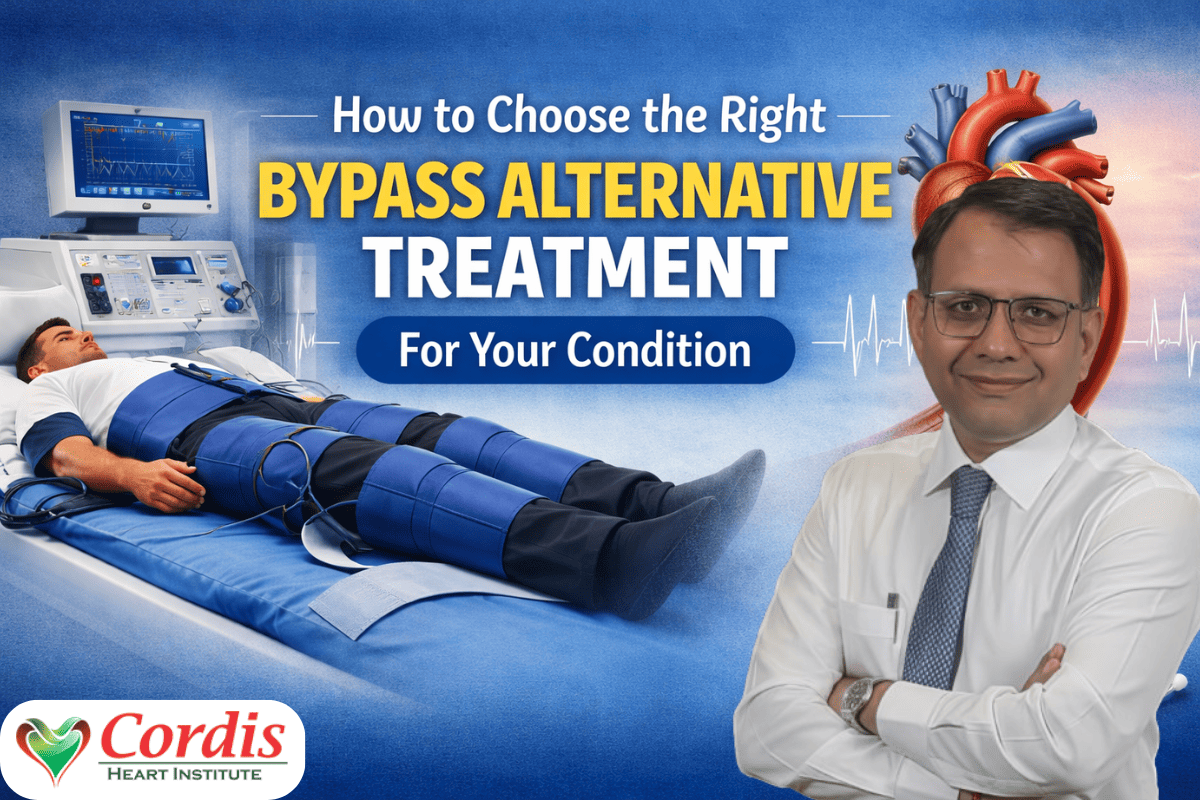
The therapy uses an external, non-invasive system that works on the lower body in a controlled and supervised setting. During a session, gentle pressure is applied in a rhythmic pattern. This supports blood movement back toward the heart and improves circulation over time.

Patients remain fully awake, and no injections or surgical tools are involved. Sessions are designed to be comfortable and patient-friendly.

Natural Bypass Therapy vs Heart Bypass Surgery

Key Differences Patients Should Know

Natural Bypass Therapy

Heart Bypass Surgery

Non-surgical treatment

Open-heart procedure

No anesthesia

Requires general anesthesia

Outpatient sessions

Hospital stay needed

Gradual improvement

Immediate structural change

Lower recovery burden

Longer recovery period

Heart bypass surgery can be life-saving and remains necessary for many patients. Natural bypass therapy is often discussed as an alternative to bypass surgery for selected patients who are stable or advised against surgery.

Who May Prefer Natural Bypass Therapy

This option is often explored by:

  • Patients who are not fit for surgery due to age or other conditions
  • Those who want to avoid surgical risks
  • People looking for non-surgical heart care options alongside medicines

A cardiologist’s opinion is always essential before choosing any treatment path.

Who Is a Good Candidate for Natural Bypass Therapy?

Natural bypass therapy is usually considered for patients with stable heart disease. This may include people who experience:

  • Chest pain during exertion
  • Breathlessness on walking
  • Fatigue or reduced exercise capacity

Patients who have been advised to avoid surgery or are looking for supportive therapy often ask about this option. A detailed heart evaluation is needed to decide suitability, as the therapy is not meant for emergency or unstable conditions.

Benefits of Natural Bypass Therapy for Heart Patients

  • No surgery or anesthesia
  • Conducted as an outpatient treatment
  • Minimal disruption to daily routine
  • Gradual improvement in symptoms for some patients
  • Can be combined with medicines and lifestyle changes

These benefits are the reason many patients search for natural bypass therapy as a supportive heart treatment option.

Is Natural Bypass Therapy Safe?

Natural bypass therapy is generally carried out under medical supervision. Most patients describe the sensation during sessions as firm pressure around the legs, which feels unusual at first but becomes comfortable over time.

Doctors monitor blood pressure, heart rate, and overall response. As with any heart-related therapy, medical guidance is necessary to ensure safety and suitability.

What to Expect During Natural Bypass Therapy Sessions

Session Duration and Frequency

A typical session lasts about one hour. Most treatment plans involve multiple sessions spread over several weeks. The exact number depends on the patient’s condition and response to therapy.

Before, During, and After a Session

Before the session, patients are advised to wear comfortable clothing and follow basic instructions shared by the clinic. During the session, patients lie down and relax while the therapy runs. Afterward, most people resume normal activities without downtime.

Common Questions Patients Ask Before Starting Natural Bypass Therapy

Patients often ask whether the therapy is painful, how long it takes to show results, and if it can replace bypass surgery. Others want to know if elderly patients can undergo it or if it works alongside heart medicines. These are valid questions and should always be discussed with a heart specialist.

FAQs on What Is Natural Bypass Therapy

What is natural bypass therapy used for?

It is used to support blood flow to the heart in patients with blocked or narrowed arteries who are stable and under medical care.

Is natural bypass therapy permanent?

Results depend on the patient’s condition, lifestyle, and follow-up care. It is usually part of ongoing heart management.

How effective is natural bypass therapy?

Some patients report symptom relief and better exercise tolerance, though results vary.

Does natural bypass therapy have side effects?

Most patients tolerate it well, with only mild and temporary discomfort.

How much does natural bypass therapy cost in India?

Costs vary by location and treatment plan. Clinics usually share details after evaluation.

Natural Bypass Therapy and Lifestyle Changes

Natural bypass therapy works best when combined with heart-friendly habits. A balanced diet, regular activity approved by a doctor, stress control, and proper medication use all play an important role. The therapy is not a shortcut but part of long-term heart care.

Final Thoughts: Is Natural Bypass Therapy Right for You?

If you have ever wondered what is natural bypass therapy and whether it fits your situation, the answer depends on your heart condition and medical advice. For some patients, it offers a non-surgical way to manage symptoms and improve daily comfort. For others, surgery or different treatments may still be needed.

An informed choice always starts with a detailed discussion with a cardiologist.

If you or a loved one is exploring non-surgical heart treatment options, consider speaking with a qualified heart specialist. A proper evaluation can help you understand whether natural bypass therapy is suitable for your condition and how it fits into your overall heart care plan.

Best Heart Treatment Near Me for Senior Citizens in Thane

With the advancement of age there is also the advancement of the cardiovascular system. As we grow older we lose collagen and the ability of our arteries to expand and contract through normal healthy activity due to many factors, including poor diet, high blood pressure, and diabetes. Because of these changes seniors may require different types of cardiac care than younger patients.

The majority of seniors, as well as their families, are not necessarily looking for just a place to receive cardiac treatment; rather, they want the following: an environment that is safe, an open line of communication with staff, convenience of location to their residence, and a variety of services available specifically for the elderly patient. This guide will provide you with valuable information on your options for heart health care in Thane, what cardiac treatments are the most effective treatment options for seniors, and how to select the most suitable cardiac care provider for your individual needs.

Why Senior Citizens in Thane Need Specialized Heart Treatment

Heart problems become more common after the age of 60. This does not always mean surgery is required, but it does mean regular monitoring and a treatment plan suited to an aging body.

Common age-related heart conditions

  • High blood pressure (BP): Often silent but harmful if ignored
  • Coronary artery disease: Narrowed arteries reducing blood flow to the heart
  • Heart failure: When the heart cannot pump blood effectively
  • Irregular heartbeat (arrhythmia): Can cause dizziness, fatigue, or fainting

For senior citizens, early diagnosis and routine follow-ups matter more than aggressive treatment. Local heart treatment in Thane helps because frequent visits become easier, emergency care is faster, and family members can stay involved.

Common Heart Treatments Recommended for Senior Citizens

Non-Surgical Heart Treatments for Elderly Patients

Many elderly heart patients can manage their condition without surgery. These options focus on comfort, safety, and long-term control.

  • Medication-based management to control BP, cholesterol, and heart rhythm
  • Lifestyle-focused cardiac care including diet, light exercise, and stress control
  • EECP therapy which improves blood flow without surgery and is often suggested for seniors who cannot undergo invasive procedures
  • Regular cardiac monitoring using ECG, echo, and stress tests

These non-surgical heart treatments for seniors are widely preferred when risks of surgery are high.

Surgical and Interventional Heart Treatments (When Required)

Some conditions need intervention, even in older age. Doctors evaluate overall health, not just age.

  • Angiography and angioplasty to open blocked arteries
  • Pacemaker implantation for slow or irregular heartbeats
  • Bypass surgery in selected cases where benefits outweigh risks

Doctors decide suitability based on physical fitness, other medical conditions, and recovery capacity.

What Makes a Heart Clinic in Thane Ideal for Senior Citizens

Key Factors to Look For

Not every clinic is equipped for elderly cardiac care. While searching for a heart clinic near me for elderly patients, look for:

  • Cardiologists experienced with senior heart cases
  • Emergency support and tie-ups with hospitals
  • Wheelchair access, lifts, and waiting areas suitable for seniors
  • Simple appointment booking and clear follow-up systems
Importance of Geriatric-Focused Cardiac Care

Senior citizens often need adjusted dosages, careful medication combinations, and long-term care plans. Clinics that focus on elderly patients usually provide:

  • Personalized treatment plans
  • Medication safety checks
  • Ongoing heart health management instead of one-time treatment

How to Choose the Best Heart Doctor Near Me in Thane for Elderly Patients

Choosing the right doctor is often more important than choosing the hospital.

Check for:

  • Medical qualifications and years of cardiology practice
  • Direct experience treating senior citizens
  • Availability for follow-ups and emergencies
  • Reviews from local patients and families

A heart doctor for senior citizens in Thane should be patient, explain options clearly, and involve family members in decisions.

Cost of Heart Treatment for Senior Citizens in Thane

Costs depend on the type of treatment and facility.

  • Regular consultations and medicines are usually affordable
  • Non-surgical therapies cost less than invasive procedures
  • Private hospitals may charge more than clinics
  • Health insurance and senior citizen schemes can reduce expenses

Always ask for a clear cost estimate before starting treatment.

Benefits of Getting Heart Treatment Near Home in Thane

Local treatment offers practical advantages for elderly patients:

  • Faster help during emergencies
  • Less travel stress and fatigue
  • Easy follow-ups and regular tests
  • Better coordination with family caregivers

This is why many families search specifically for best cardiologist in Thane for elderly rather than traveling far.

FAQs: Best Heart Treatment Near Me for Senior Citizens in Thane

What is the safest heart treatment for senior citizens?

Non-surgical options like medication management and EECP therapy are often considered safe, depending on the condition.

Are non-surgical heart treatments effective for elderly patients?

Yes, many seniors manage heart disease well without surgery when diagnosed early.

How often should senior citizens get heart checkups?

At least once a year, or more frequently if symptoms or existing conditions are present.

Is EECP treatment suitable for older heart patients?

In many cases, yes. Doctors decide based on medical history and current heart health.

How to find a trusted heart specialist near me in Thane?

Check local reviews, clinic facilities, and the doctor’s experience with senior patients.

What symptoms should seniors not ignore?

Chest discomfort, breathlessness, dizziness, swelling in legs, or sudden fatigue.

Tips for Maintaining Heart Health After 60

  • Follow a low-salt, balanced diet
  • Stay active with walking or light yoga
  • Take medicines exactly as prescribed
  • Go for routine heart screenings
  • Avoid smoking and limit alcohol

Small daily habits make a real difference over time.

Book the Right Heart Care for Seniors in Thane

Heart problems are easier to manage when addressed early. If you or a loved one is searching for the best heart treatment near me for senior citizens in Thane, start with a consultation at a nearby heart clinic. Timely care reduces risk, improves comfort, and gives families peace of mind.

Book a heart checkup, ask questions, and choose care that feels right for your family.

Early Warning Signs of Heart Block You Should Not Ignore

Many people ignore early heart-related symptoms because they seem harmless at first. Feeling tired more often, getting dizzy occasionally, or noticing a slower heartbeat can easily be blamed on stress, age, or lack of sleep. But sometimes, these changes point to a condition called heart block. Recognizing heart block symptoms early can make a real difference in treatment and long-term heart health.

Heart block affects the heart’s electrical system. When electrical signals do not travel properly, the heart may beat too slowly or irregularly. The problem is that the signs of heart block are often subtle in the beginning, which leads many people to ask, “Are my symptoms serious, or will they pass on their own?” This article breaks it down clearly so you know what to watch for and when to act.

What Is Heart Block and How Does It Affect the Heart?

Heart block happens when the electrical signals that control your heartbeat are delayed or blocked as they move through the heart. These signals normally travel in a smooth pattern from the upper chambers to the lower chambers, keeping your heartbeat steady.

When this signal flow is interrupted, the heart may not pump blood efficiently. This is different from having a naturally slow heart rate. Some people have a low heart rate and feel completely fine. Heart block, however, means the timing system of the heart is not working as it should.

Understanding how the heart’s electrical system works makes heart block easier to grasp. That’s why linking to a simple “How the Heart Works” article within your site can help readers understand the issue more clearly.

Different Types of Heart Block and Their Warning Signs

Heart block is divided into types based on how much the electrical signal is affected.

First-Degree Heart Block

This is the mildest form. Electrical signals move more slowly than normal but still reach the lower chambers. Most people do not notice any heart block symptoms, and the condition is often found during routine heart tests.

Second-Degree Heart Block

Here, some signals fail to reach the lower chambers.

  • Type 1: Signals gradually slow down until one heartbeat is skipped. Symptoms may include mild dizziness or fatigue.
  • Type 2: Signals are blocked suddenly without warning. This type is more serious and often causes clearer signs of heart block, such as fainting.
Third-Degree (Complete) Heart Block

This is the most severe form. No electrical signals pass through properly. The heart relies on a very slow backup rhythm, leading to strong symptoms that usually need urgent treatment.

Common Heart Block Symptoms in Early Stages

Early heart block symptoms can be easy to miss. Many people live with them for months without realizing something is wrong.

Common early symptoms include:

  • Feeling tired most of the time
  • Dizziness or lightheadedness
  • Shortness of breath during daily activities
  • A slow or irregular heartbeat
  • Mild chest discomfort

These symptoms may not appear every day. They often come and go, which makes them easier to ignore. Still, recurring symptoms should never be dismissed.

Dangerous Signs of Heart Block You Should Not Ignore

Some signs of heart block mean the heart is struggling to pump enough blood to the brain and other organs.

Seek urgent medical care if you notice:

  • Fainting or feeling like you may faint
  • Sudden confusion or difficulty thinking clearly
  • Chest pain or pressure
  • Extreme weakness without a clear reason
  • Sudden collapse

These symptoms should never be ignored, as they can point to advanced heart block.

Signs of Heart Block in Adults and Elderly Patients

Heart block symptoms can look different depending on age.

In younger adults, symptoms often include dizziness during exercise, unexplained fainting, or sudden fatigue. These signs are usually more noticeable.

In older adults, the signs of heart block are often mistaken for aging. Slower movement, memory issues, frequent falls, or constant tiredness may seem normal with age, but they can also signal heart rhythm problems. This is why regular heart checkups are especially important for older individuals.

Symptoms may stay mild at first because the body tries to adjust to the slower heartbeat. Over time, this adjustment may fail, making symptoms worse.

What Causes Heart Block and Who Is at Risk?

Several factors can interfere with the heart’s electrical system.

Common causes and risk factors include:

  • Natural aging of heart tissue
  • Past heart attacks or existing heart disease
  • Certain medications that affect heart rhythm
  • Diabetes and long-term high blood pressure
  • Infections or inflammation involving the heart

Adding an internal link to a detailed guide on heart disease risk factors helps readers understand how heart block fits into overall heart health.

Tests Used to Identify Heart Block Symptoms

Doctors use simple but effective tests to diagnose heart block.

An ECG is usually the first test. It records the heart’s electrical activity and clearly shows whether signals are delayed or blocked.

If symptoms do not happen all the time, a Holter monitor may be recommended. This portable device tracks heart rhythm over one or two days while you go about your routine.

In some cases, stress tests or longer monitoring periods are advised, especially if symptoms appear during physical activity.

Treatment Options for Heart Block Based on Symptoms

Treatment depends on how severe the heart block is and how strong the symptoms are.

  • Mild cases may only need regular monitoring
  • Medication changes may help if drugs are affecting heart rhythm
  • Advanced heart block often requires a pacemaker to keep the heartbeat steady

Linking to trusted medical websites or well-known hospitals adds credibility and allows readers to explore treatment options further.

Reducing the Risk of Heart Block Symptoms

Not all cases of heart block can be prevented, but many risk factors can be managed.

Helpful steps include:

  • Keeping blood pressure and blood sugar under control
  • Scheduling regular heart checkups
  • Reviewing medications with your doctor
  • Staying physically active within safe limits
  • Avoiding smoking and excess alcohol

These habits support both heart rhythm and overall heart health.

FAQs About Heart Block Symptoms and Signs

What are the first signs of heart block?

Early signs often include fatigue, dizziness, and a slow heartbeat.

Can heart block symptoms come and go?

Yes. Symptoms may appear during activity or stress and ease at rest, especially early on.

Is heart block life-threatening?

Mild forms are often manageable, but severe heart block can be dangerous without treatment.

Can heart block be treated without surgery?

Some cases improve with medication changes. Advanced cases usually need a pacemaker.

When should I see a doctor for heart block symptoms?

If symptoms repeat, worsen, or include fainting or chest pain, see a doctor promptly.

When Heart Block Symptoms Need Medical Evaluation

You should seek medical advice if you notice ongoing dizziness, unexplained fatigue, fainting, or chest discomfort. Sudden or severe symptoms need immediate care. Ignoring recurring signs of heart block can lead to serious complications later.

Don’t Ignore the Early Signs of Heart Block

Heart block symptoms often start quietly but can progress over time. Paying attention to early signs of heart block allows you to act before the condition becomes serious. A simple ECG can offer clarity and peace of mind.

If you or someone close to you notices these symptoms, book a heart checkup, consult a cardiologist, or get an ECG done. Early action helps protect your heart and supports a healthier, more active life.

Why Are More People Getting Heart Attacks in the Gym?

In recent years, there have been growing reports of people suffering heart attacks during gym workouts. High-profile cases such as Puneeth Rajkumar and Raju Shrivastava have raised public concern and started important conversations around exercise safety.

Exercise is good for the heart, but when done incorrectly or without understanding one’s limits, it can turn risky. Below is a detailed, easy-to-follow guide on why heart attacks can happen in the gym and how you can exercise safely.

Common Reasons for Heart Attacks During Gym Workouts

1. Sudden High-Intensity Exercise

Many people jump straight into intense workouts after years of a sedentary lifestyle. Heavy weightlifting, sprinting, or high-speed treadmill sessions put sudden pressure on the heart, especially if the body is not conditioned.

2. Undiagnosed Heart Problems

Conditions like blocked arteries, high blood pressure, diabetes, or high cholesterol often show no early symptoms. Exercise can act as a trigger in people who are unaware they have heart disease.

3. Overexertion and Peer Pressure

Trying to match others in the gym or following online fitness trends without considering personal fitness levels is a common mistake. Overtraining without rest increases cardiac stress.

4. Poor Warm-Up and Cool-Down

Skipping warm-up and cool-down sessions causes sudden changes in heart rate and blood pressure, increasing the risk of rhythm disturbances.

5. Dehydration

Lack of fluids thickens the blood and reduces circulation efficiency, forcing the heart to work harder during exercise.

Safe Exercise Guidelines to Protect Your Heart

Start Slow and Build Gradually

Beginners should always start with low-intensity workouts and increase intensity over several weeks. Your heart needs time to adapt.

Train Under Supervision

Exercise under the guidance of an experienced gym trainer, especially if you are new, overweight, or above 40 years of age.

Know Your Heart Rate Limits

Understanding your heart rate is very important, especially while using a treadmill.

  • Maximum Heart Rate (MHR):
    220 − your age
    Example: If you are 50 years old
    220 − 50 = 170 beats/min
  • Target Heart Rate Zone:
    60% to 80% of MHR
    For 170 MHR → 102 to 136 beats/min

Try to stay within this range during exercise. Avoid pushing your heart to its maximum limit.

These calculations apply to healthy individuals with a negative treadmill test (TMT).
If your treadmill test is positive, exercise should be done only under medical supervision.

Importance of Rest and Recovery

Exercise 5 days a week and keep 2 days for rest. Recovery allows the heart muscles to repair and prevents overuse stress. Daily intense workouts without rest can do more harm than good.

Lifestyle Habits That Reduce Heart Attack Risk

Heart-Friendly Diet
  • Eat high-fiber foods: fresh vegetables, fruits, whole grains, nuts, and seeds
  • Avoid:
    • Processed and packaged foods
    • Bakery items
    • Sugar-rich foods
    • Saturated and trans fats
    • Excess dairy and red meat
Stress Control

Mental stress directly affects heart health. Make time for:

  • Yoga and meditation
  • Leisure activities
  • Spending time with family and friends
Quality Sleep

Most urban adults sleep late and get poor-quality rest. Aim for at least 6 to 7 hours of sound sleep every night to support heart recovery.

Quit Smoking and Limit Alcohol
  • Smoking narrows and hardens blood vessels, raising blood pressure and heart risk
  • Alcohol intake raises blood pressure and weakens heart muscles over time

Manage Existing Health Conditions

Conditions that raise heart attack risk:

  • Obesity
  • Diabetes
  • High blood pressure
  • High cholesterol

These should be managed with lifestyle changes and medicines when required. Regular health check-ups are strongly advised before starting a new workout routine.

Who Should Get a Cardiac Check Before Gym Training?

You should consult a doctor before joining a gym if you:

  • Are above 40 years of age
  • Have diabetes, BP, or cholesterol issues
  • Have a family history of heart disease
  • Experience chest pain, breathlessness, or dizziness

A simple cardiac evaluation can prevent serious outcomes.

Conclusion

Exercise saves lives, but only when done correctly. The goal is not to compete with others but to stay consistent, safe, and aware of your body’s limits. Listening to your heart is just as important as strengthening it.

Frequently Asked Questions (FAQs)

1. Is it safe to exercise in the gym for heart patients?

Yes, gym exercise can be safe for heart patients if done under medical guidance. Low- to moderate-intensity workouts are usually advised. A cardiac evaluation and a treadmill test should be done before starting.

2. Can gym workouts cause heart attacks?

Gym workouts do not directly cause heart attacks, but sudden high-intensity exercise, overexertion, dehydration, or underlying heart disease can trigger a heart attack during exercise.

3. What are early warning signs of a heart problem during exercise?

Stop exercising immediately and seek medical help if you experience:

  • Chest pain or tightness
  • Shortness of breath
  • Dizziness or fainting
  • Excessive sweating
  • Pain in the left arm, jaw, or back
4. What is the safest heart rate while exercising on a treadmill?

The safe target heart rate is 60% to 80% of your maximum heart rate.
Maximum heart rate is calculated as 220 − age. Staying within this range reduces stress on the heart.

5. Should beginners avoid heavy workouts in the gym?

Yes. Beginners should avoid heavy weights and high-speed cardio. Start slow, focus on form, and increase intensity gradually over a few weeks.

6. Is warm-up really necessary before gym exercise?

Absolutely. A 5 to 10 minute warm-up prepares the heart and muscles, prevents sudden heart rate spikes, and reduces the risk of injury or cardiac stress.

7. How important is hydration during workouts?

Very important. Dehydration makes the heart work harder and increases the risk of cramps, dizziness, and heart rhythm problems. Drink water before, during, and after exercise.

8. How many rest days are needed in a week?

Ideally, exercise 5 days a week and take 2 rest days. Rest helps the heart and muscles recover and prevents overtraining.

9. Can young people also get heart attacks in the gym?

Yes. Due to stress, poor diet, smoking, alcohol use, lack of sleep, and undiagnosed heart conditions, heart attacks are now seen even in younger people.

10. Who should get a heart check-up before joining a gym?

You should consult a doctor if you:

  • Are above 40 years of age
  • Have diabetes, BP, or cholesterol
  • Are overweight
  • Have a family history of heart disease
  • Have been inactive for a long time
11. Is treadmill exercise safe for daily workouts?

Treadmill exercise is safe if done at the right speed, incline, and heart rate. Avoid sudden speed increases and long high-intensity sessions without breaks.

12. Can lifestyle changes reduce heart attack risk during exercise?

Yes. A healthy diet, stress control, proper sleep, quitting smoking, limiting alcohol, and managing diabetes or BP greatly reduce heart attack risk.

Why Angioplasty Is Often a Better Choice Than Bypass Surgery

Heart disease is one of the most common health problems today. When blood flow to the heart muscle is reduced due to blocked or narrowed arteries, doctors usually recommend a procedure to restore proper circulation. Two common treatment options are angioplasty and bypass surgery.

In many cases, angioplasty is preferred over bypass surgery because it is less invasive, causes less pain, and allows faster recovery. This blog explains angioplasty in simple terms, compares it with bypass surgery, and helps patients understand why angioplasty is often chosen as the first line of treatment.

What Is Angioplasty?

Angioplasty, also known as balloon angioplasty with stent placement, is a non-surgical procedure used to open blocked or narrowed coronary arteries.

During angioplasty:

  • A thin catheter tube is inserted through an artery in the wrist or leg
  • The catheter is guided to the blocked heart artery
  • A small balloon is inflated to widen the artery
  • A stent is placed to keep the artery open
  • The catheter is removed after the procedure

The procedure is done under local anesthesia, and the patient remains conscious throughout.

What Is Bypass Surgery?

Bypass surgery, also called coronary artery bypass grafting (CABG), is a major open-heart operation.

In bypass surgery:

  • The chest is cut open
  • The heart is accessed under general anesthesia
  • A healthy blood vessel from the leg, arm, or chest is used
  • This vessel creates a new route for blood flow around the blocked artery

It is a complex procedure that requires intensive care and long recovery.

Angioplasty vs Bypass Surgery: A Clear Comparison

1. Level of Invasiveness

Angioplasty is a minimally invasive procedure. There is no chest opening and no major surgical wound.
Bypass surgery involves cutting open the chest and handling the heart directly.

2. Pain and Discomfort

Angioplasty is mostly painless. Patients may feel mild discomfort at the catheter insertion site.
Bypass surgery causes significant pain after surgery due to chest incision and muscle healing.

3. Hospital Stay

Angioplasty usually requires a hospital stay of 1 to 2 days.
Bypass surgery often needs 7 to 10 days of hospitalization, sometimes longer.

4. Recovery Time

Most angioplasty patients return to daily activities within a week.
Bypass surgery recovery can take 8 to 12 weeks, with strict physical limitations.

5. Cost

Angioplasty is more cost effective compared to bypass surgery.
Bypass surgery is expensive due to operation costs, ICU care, and long hospital stay.

6. Blood Loss

Angioplasty involves minimal blood loss and rarely requires transfusion.
Bypass surgery has higher blood loss and often needs blood transfusion.

Why Angioplasty Is Often the Better Choice

Faster Recovery and Return to Normal Life

One of the biggest advantages of angioplasty is quick recovery. Patients can walk within hours and resume work within a few days. This is especially helpful for working individuals and elderly patients.

Lower Risk of Complications

Since angioplasty does not involve open surgery, the risk of infection, stroke, and other surgical complications is lower. Bypass surgery carries higher risk due to anesthesia and prolonged operation time.

Safer for High-Risk Patients

Patients with diabetes, advanced age, or other medical conditions may not be ideal candidates for major surgery. Angioplasty is often safer for such patients.

No General Anesthesia

Angioplasty is done under local anesthesia, which reduces anesthesia-related risks. Bypass surgery requires general anesthesia, which can be risky for some patients.

When Is Bypass Surgery Still Needed?

Although angioplasty has many advantages, bypass surgery may still be recommended in some situations, such as:

  • Multiple severe blockages
  • Left main coronary artery disease
  • Diffuse long blockages not suitable for stents
  • Failed angioplasty or repeated stent blockages

The final decision depends on angiography findings and the patient’s overall health.

Long-Term Results of Angioplasty

Modern stents, especially drug-eluting stents, have improved long-term outcomes. When combined with lifestyle changes and proper medication, angioplasty offers good results for many patients.

To maintain benefits after angioplasty:

  • Quit smoking
  • Control blood pressure and diabetes
  • Follow a heart-friendly diet
  • Take prescribed medicines regularly
  • Stay physically active as advised

Common Myths About Angioplasty

Myth: Angioplasty is temporary
Fact: With proper care, angioplasty can provide long-term relief

Myth: Bypass is always better
Fact: Angioplasty is often the first choice for suitable blockages

Myth: Angioplasty is risky
Fact: It is a widely used and safe procedure when done by experienced cardiologists

Frequently Asked Questions (FAQs)

Is angioplasty better than bypass surgery for everyone?

No. Angioplasty works best for single or limited blockages that can be treated with stents. Bypass surgery may be advised for multiple severe blockages, left main artery disease, or when stents are not suitable. The right option depends on angiography results and overall health.

Is angioplasty painful?

Angioplasty is mostly painless. It is done under local anesthesia, so patients stay awake. Some people feel mild pressure at the catheter site, which settles quickly.

How long does an angioplasty procedure take?

In most cases, angioplasty takes 30 minutes to 1 hour. Complex cases may take longer, but it is still much shorter than bypass surgery.

How soon can I walk after angioplasty?

Most patients can sit up and walk within a few hours. Doctors usually allow light movement the same day or the next morning.

When can I return to work after angioplasty?

Many patients return to normal work within 5 to 7 days, depending on their job type and doctor’s advice.

Is angioplasty safe for elderly patients?

Yes. Angioplasty is often safer for elderly patients because it avoids major surgery, general anesthesia, and long recovery time.

Does angioplasty completely cure heart blockage?

Angioplasty opens blocked arteries and improves blood flow, but it does not remove the cause of heart disease. Long-term success depends on lifestyle changes and regular medication.

Can blockages come back after angioplasty?

There is a small chance of re-narrowing, especially if medicines are not taken properly. Modern drug-coated stents have reduced this risk significantly.

Is bypass surgery more permanent than angioplasty?

Bypass surgery may last longer in some complex cases, but angioplasty also provides long-term relief for many patients when combined with proper care and follow-ups.

What lifestyle changes are needed after angioplasty?

Patients should stop smoking, control blood pressure and diabetes, eat a heart-friendly diet, stay active as advised, and take medicines regularly.

Is angioplasty expensive?

Angioplasty is generally more affordable than bypass surgery due to shorter hospital stay, fewer complications, and faster recovery.

How do doctors decide between angioplasty and bypass surgery?

Doctors consider factors like number of blockages, location, severity, heart function, age, and other medical conditions before suggesting the best treatment.

Final Thoughts

Angioplasty has changed the way heart blockages are treated. It is less painful, more affordable, and allows patients to recover faster compared to bypass surgery. While bypass surgery still has its place in advanced cases, angioplasty is often the better and safer option for many patients.

If you or a loved one has been advised heart treatment, discussing angioplasty as an option with your cardiologist can help you make an informed decision based on your condition and lifestyle.

Salt and Hypertension: Understanding the Link Between Sodium and Blood Pressure

Salt and hypertension are closely connected. Excess salt intake is one of the most common dietary reasons for high blood pressure. In many people, especially those with heart conditions or a family history of hypertension, consuming too much salt directly raises blood pressure levels.

When salt intake increases, the body retains more water. This extra fluid increases the pressure inside blood vessels, making the heart work harder. Over time, this leads to persistent high blood pressure and raises the risk of heart attack, stroke, and kidney disease.

Reducing salt intake is one of the most effective lifestyle changes for managing hypertension.

How Salt and Hypertension Are Related

Salt contains sodium, which affects how the body controls fluids. High sodium intake causes:

  • Water retention in the bloodstream
  • Increased blood volume
  • Higher pressure on artery walls

This is why people who consume high-salt diets often develop hypertension. Studies consistently show that lowering sodium intake helps reduce blood pressure in both hypertensive and non-hypertensive individuals.

What Is Common Salt?

Common salt is known as sodium chloride (NaCl). It is made up of:

  • 40% sodium
  • 60% chloride

Sodium is necessary for normal body functions such as nerve signaling, muscle movement, and fluid balance. However, the body requires only a small amount. Excess sodium disturbs this balance and contributes directly to salt and hypertension-related problems.

Why Excess Salt Is Harmful for Blood Pressure

High salt intake affects blood pressure in several ways:

  • It increases fluid retention
  • It stiffens blood vessels
  • It reduces kidney efficiency in removing excess sodium
  • It increases strain on the heart

People with hypertension are often salt-sensitive, meaning even small increases in sodium intake can raise blood pressure quickly.

How Much Salt Should You Consume Daily?

To reduce the risk of salt and hypertension-related complications, experts recommend:

  • Less than 2300 mg of sodium per day
  • This equals about 5.8 grams of salt (one teaspoon)

For people with high blood pressure, heart disease, diabetes, or kidney problems, doctors may advise reducing sodium intake further to around 1500 mg per day.

Hidden Sources of Salt That Increase Hypertension Risk

Many people consume excess salt without realizing it. Common hidden sources include:

  • Packaged snacks and namkeen
  • Bakery items like bread and biscuits
  • Ready-to-eat meals
  • Sauces, ketchup, and chutneys
  • Instant noodles and soups
  • Restaurant and fast foods

Even foods that do not taste salty may contain high sodium levels, contributing to salt and hypertension over time.

What Can You Use Instead of Salt for Hypertension?

Reducing salt does not mean giving up taste. Healthier alternatives include:

  • Garlic or onion powder
  • Fresh herbs like coriander, parsley, or rosemary
  • Celery seeds
  • Lemon juice or vinegar
  • Spices such as black pepper, cumin, and turmeric

These options add flavor without increasing sodium intake.

How to Flush Excess Salt From the Body

If you have consumed too much salt, these steps can help balance sodium levels:

  1. Drink more water to support kidney function
  2. Eat potassium-rich foods such as fruits, vegetables, legumes, seeds, and nuts
  3. Go for a walk or light physical activity to improve circulation

Potassium helps counter the effects of sodium and supports blood pressure control.

How to Reduce Salt Intake and Control Hypertension

Simple daily habits can reduce salt and hypertension risk:

  • Use less salt while cooking
  • Avoid adding salt after meals are served
  • Remove the salt shaker from the dining table
  • Choose fresh foods over processed ones
  • Read nutrition labels for sodium content
  • Avoid high-sodium foods such as:
    • Papad and pickles
    • Ready-to-eat soups and noodles
    • Sauces and packaged gravies
    • Bakery products
    • Pizza and pasta

Home-cooked meals are the best way to control salt intake.

Who Should Be Most Careful About Salt and Hypertension?

Extra caution is needed for:

  • People with high blood pressure
  • Heart disease patients
  • Diabetics
  • Kidney disease patients
  • Older adults

In these groups, excess salt can worsen symptoms and increase complications.

Final Thoughts on Salt and Hypertension

Salt is essential, but excess intake is harmful. Managing salt consumption is one of the simplest and most effective ways to control hypertension and protect heart health. Small, consistent changes in daily diet can lead to long-term benefits.

If you have high blood pressure, consult a specialist for a personalized plan book an appointment

What Is a Heart Attack?

A heart attack occurs when the blood flow to the heart muscle suddenly reduces or stops. This usually happens because the coronary arteries, which supply blood to the heart, become narrowed due to a buildup of fat, cholesterol, and other substances known as plaque.
This slow buildup is called atherosclerosis.

When a plaque inside a heart artery ruptures, a blood clot forms around it. This clot can completely block blood flow, damaging the heart muscle and leading to a heart attack.

Common Causes of Heart Attack

Several lifestyle and medical factors increase the risk of a heart attack:

  • Smoking
  • High blood pressure
  • High cholesterol
  • Diabetes or insulin resistance
  • Overweight or obesity
  • Sedentary lifestyle
  • Chronic stress

Symptoms of a Heart Attack

Heart attack symptoms can vary from person to person. The most common signs include:

  • Chest pain, pressure, or discomfort
  • Shortness of breath
  • Pain or discomfort in the jaw, neck, back, arms, or shoulders
  • Cold sweating
  • Feeling weak, light-headed, or faint

Other symptoms may include unusual tiredness, nausea, or vomiting. These are more commonly seen in women.

Important: If you notice these symptoms, seek medical help immediately.

How to Prevent a Heart Attack

You can lower your risk by making simple lifestyle changes:

  1. Eat a heart-healthy diet with less fat, sugar, and salt
  2. Stay physically active with regular aerobic exercise
  3. Maintain a healthy weight
  4. Keep blood pressure under control
  5. Manage blood sugar levels
  6. Quit smoking and limit alcohol
  7. Practice stress control through yoga, meditation, or relaxation

Routine Hospital Management After a Heart Attack

Hospitals use methods to restore blood flow to the heart muscle:

  • Clot-dissolving medicines (Thrombolysis)
  • Angioplasty (Primary PCI / PTCA)

These procedures help reopen blocked arteries and reduce damage to the heart.

Complications After a Heart Attack

A heart attack can weaken the heart muscle and affect its pumping ability. Possible complications include:

  • Reduced LVEF (Left Ventricular Ejection Fraction)
  • Breathlessness on exertion
  • Chest discomfort
  • Abnormal heart rhythm
  • Risk of repeat heart attack
  • Stroke, kidney problems, or peripheral arterial disease (PAD)

Investigations After a Heart Attack

Doctors may recommend the following tests:

  • 2D Echo: To assess heart muscle damage and pumping strength (LVEF)
  • Coronary Angiography: To identify blockages in heart arteries

Treatment for Heart Blockages and Low LVEF

Standard treatment options include:

  • Angioplasty
  • Bypass surgery

The choice depends on the number, location, and severity of blockages.

Limitations of Surgical Treatments

  • Risk to life and post-procedure complications
  • Pain and long recovery period
  • Hospital admission required
  • High treatment cost

A Non-Surgical Solution: EECP Treatment

EECP (Enhanced External Counter Pulsation) is a non-surgical treatment for heart disease and low LVEF.

Key Benefits of EECP

  • US FDA approved treatment
  • No surgery
  • No hospital stay
  • No major side effects
  • Cost-effective option

Treatment protocol:

  • 1 hour per day
  • 35 sessions

EECP improves blood flow to the heart muscle. With regular sessions, small natural blood vessels develop around blocked arteries, acting like a natural bypass.

Why Choose Cordis Heart Institute?

  • Treatment supervised by an interventional cardiologist
  • US FDA approved Vasomedical EECP machine (global standard)
  • Years of experience in managing heart disease

Treatment Results

OutcomeNumbers
Bypass Prevented10,023
Angioplasty Prevented7,826
Success Rate95.6%

Patient Testimonials

Real patients. Real results. Many heart patients have reported better exercise capacity, reduced chest pain, and improved quality of life after EECP therapy.

Frequently Asked Questions

Is EECP safe?

Yes, EECP is a non-invasive and well-tolerated treatment.

Who can take EECP treatment?

Patients with heart blockages, low LVEF, angina, or those advised surgery but looking for non-surgical options.

Can EECP avoid surgery?

In many cases, EECP helps patients manage symptoms without angioplasty or bypass.

What Is EECP Treatment? A Non-Surgical Option for Heart Disease

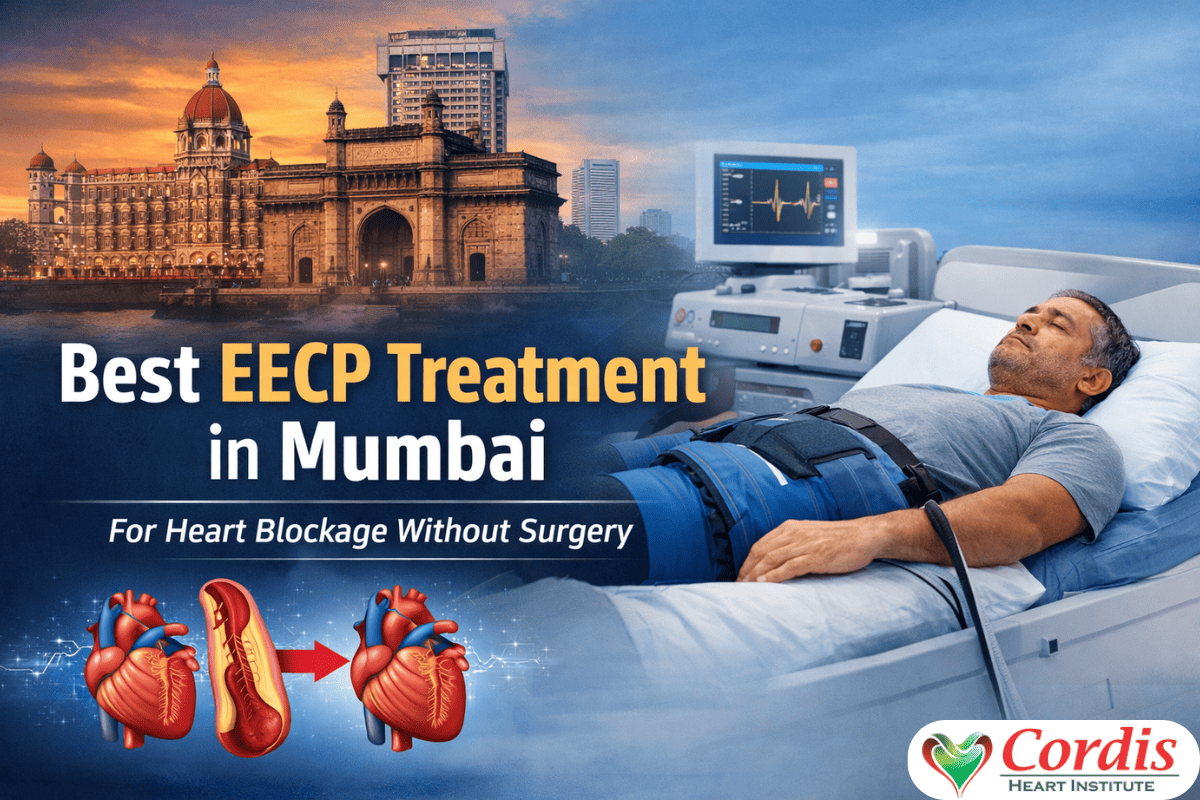
EECP (Enhanced External Counterpulsation) treatment is a non-surgical therapy for people with coronary artery disease who have been advised bypass surgery or angioplasty, or for those who are not suitable for surgery.

EECP is especially helpful for patients who want a safe, painless, and non-invasive option to manage chest pain (angina) and heart failure without hospital admission.

EECP therapy is approved by the United States Food and Drug Administration for the management of angina and heart failure.

What Is EECP Treatment?

EECP is a non-invasive heart treatment that improves blood flow to the heart muscle without surgery or stents.

During EECP therapy:

  • Three sets of inflatable cuffs are wrapped around the calves, thighs, and hips
  • The cuffs inflate during diastole (when the heart relaxes)
  • The cuffs deflate just before systole (when the heart contracts)
  • Inflation and deflation are synchronized with the heartbeat using ECG monitoring

This process improves circulation to the heart and reduces the workload on the heart.

EECP treatment is:

  • Completely painless
  • Non-surgical
  • Performed as an outpatient procedure
  • Does not require anesthesia or hospital stay

How Does EECP Treatment Work?

When the cuffs inflate during the heart’s resting phase, blood is pushed back toward the heart with increased pressure and volume. This leads to:

  • Better blood flow to blocked or narrowed heart arteries
  • Development of collateral circulation (small natural blood vessels)
  • Improved oxygen supply to heart muscles

This process is often referred to as a “natural bypass” because it helps the heart receive blood without surgery.

When the cuffs deflate just before heart contraction, resistance against the heart is reduced, allowing the heart to pump blood more easily.

Duration and Procedure of EECP Therapy

  • Each session lasts about 1 hour
  • Treatment is usually given 5 days a week
  • A complete course includes 35 sessions
  • Patients remain awake and comfortable during therapy

Most patients start noticing improvement in symptoms within a few weeks of starting treatment.

Who Can Benefit From EECP Treatment?

EECP is suitable for patients who:

  • Have coronary artery disease
  • Experience chronic chest pain (angina)
  • Have undergone angioplasty or bypass but still have symptoms
  • Are not fit for surgery due to age or medical conditions
  • Do not want surgical treatment

A cardiologist evaluation is required before starting EECP therapy.

Benefits of EECP Treatment

  • No surgery, cuts, or stitches
  • No hospital admission or recovery period
  • Improves blood and oxygen supply to the heart
  • Reduces chest pain and breathlessness
  • Improves exercise capacity
  • Supports better daily activity levels
  • Safe for long-term use when advised by a doctor

Patients can resume normal activities immediately after each session.

Is EECP Treatment Safe?

Yes. EECP is considered a safe therapy when performed under medical supervision. It is widely used across cardiac centers worldwide and is well tolerated by most patients.

Your doctor will assess blood pressure, heart rhythm, and overall health before starting treatment.

EECP vs Bypass Surgery or Angioplasty

EECP TreatmentBypass / Angioplasty
Non-surgicalSurgical or invasive
No anesthesiaRequires anesthesia
No hospital stayHospitalization required
PainlessPost-procedure recovery
Natural circulation improvementMechanical correction

EECP does not replace surgery in all cases, but it is a strong option for selected patients.

Conditions Where EECP Treatment Is Commonly Recommended

Doctors may recommend EECP therapy for patients dealing with:

  • Chronic stable angina
  • Coronary artery disease with blocked arteries
  • Heart failure with reduced pumping capacity
  • Persistent chest pain after bypass surgery or angioplasty
  • Reduced exercise capacity due to poor heart circulation

EECP is often chosen when medicines alone are not enough and surgery is not preferred or not possible.

What Does an EECP Session Feel Like?

Many patients worry about comfort before starting EECP. In reality, the experience is simple and manageable.

During the session:

  • You lie comfortably on a treatment bed
  • ECG leads monitor your heartbeat
  • Cuffs inflate and deflate rhythmically around the legs
  • You may feel firm pressure, similar to a blood pressure cuff

Most patients relax, watch TV, or listen to music during treatment. There is no pain, injection, or sedation involved.

When Can Patients Expect Results From EECP?

Response time varies from person to person, but many patients report:

  • Reduced chest pain within 10–15 sessions
  • Better walking distance and stamina
  • Less dependence on angina medications
  • Improved breathing during daily activities

Benefits often continue for months or even years after completing the full 35-session course, especially when combined with lifestyle changes.

Who Should Not Take EECP Treatment?

EECP may not be suitable for everyone. Your cardiologist may avoid EECP if you have:

  • Severe valve disease
  • Uncontrolled high blood pressure
  • Irregular heart rhythm not under control
  • Recent deep vein thrombosis
  • Severe peripheral artery disease

A detailed heart evaluation is always done before starting therapy to ensure safety.

EECP Treatment and Long-Term Heart Health

EECP works best as part of a complete heart care plan. Doctors often combine EECP with:

  • Heart-healthy diet changes
  • Weight management
  • Blood sugar and cholesterol control
  • Stress reduction
  • Regular follow-up with a cardiologist

This approach helps maintain results and lowers the chance of future heart events.

Frequently Asked Questions About EECP Treatment

Is EECP a replacement for bypass surgery?

Not in every case. EECP is an option for patients who are not suitable for surgery or want to avoid it.

Can EECP be repeated?

Yes. Some patients may repeat EECP after a few years if symptoms return, based on medical advice.

Can I continue medicines during EECP?

Yes. Most heart medications are continued unless your doctor adjusts them later.

Is EECP covered by insurance?

Coverage depends on the policy and location. Many patients choose EECP due to lower overall cost compared to surgery.

Conclusion

EECP treatment is an effective, non-invasive therapy for people with heart disease who want symptom relief without surgery. By improving natural blood flow and reducing stress on the heart, EECP helps patients feel better and stay active.

If you or a family member has been advised to bypass surgery or angioplasty, EECP may be worth discussing with your cardiologist.

Diabetes and Heart Disease: Risks, Symptoms, Prevention

Diabetes mellitus is becoming increasingly common across the world, and India is often referred to as the diabetes capital of the world. Diabetes and heart disease are strongly connected, as heart disease is one of the most serious complications seen in people with diabetes.

What Is Diabetes Mellitus?

Diabetes is a condition that affects how the body uses blood sugar, also known as glucose. Glucose is the main source of energy for the body’s muscles, tissues, and brain.

In diabetes, blood sugar levels rise above normal. Persistently high blood sugar can lead to multiple long-term health problems. The reason for high blood sugar depends on the type of diabetes.

Types of Diabetes

Type 1 Diabetes
In type 1 diabetes, the body does not produce enough insulin. Insulin is a hormone released by beta cells of the pancreas and helps glucose enter body cells. Without insulin, glucose remains in the blood, leading to high sugar levels and lack of energy inside the cells.

Type 2 Diabetes
In type 2 diabetes, the pancreas produces insulin, but the body’s cells do not respond properly to it. This insulin resistance prevents efficient use of glucose, causing blood sugar levels to rise.

Other Forms of Diabetes

  • Prediabetes: Blood sugar levels are higher than normal but not high enough to be diagnosed as diabetes. Without lifestyle changes, it can progress to type 2 diabetes.
  • Gestational Diabetes: Occurs during pregnancy and usually resolves after delivery. Women with gestational diabetes have a higher chance of developing type 2 diabetes later in life.

Diagnosis Criteria

Prediabetes

  • Fasting blood sugar: 100–125 mg/dL
  • OGTT (2 hours): 140–199 mg/dL
  • HbA1c: 5.7%–6.0%

Diabetes

  • Fasting blood sugar: ≥126 mg/dL
  • OGTT (2 hours): ≥200 mg/dL
  • HbA1c: ≥6.5%

Symptoms of Diabetes

Some people may not notice symptoms initially. Others may experience:

  • Increased thirst
  • Frequent urination
  • Excessive hunger
  • Unintentional weight loss
  • Fatigue
  • Blurred vision
  • Slow healing of wounds

Complications of Diabetes

Long-standing high blood sugar damages blood vessels and nerves. Common complications include:

  • Heart disease
  • Stroke
  • Nerve damage (neuropathy)
  • Kidney damage (nephropathy)
  • Eye damage (retinopathy)
  • Foot problems

Diabetes and Heart Disease

Heart disease includes several conditions affecting the heart and blood vessels.

Coronary Artery Disease in Diabetes

This is the most common and serious heart-related complication of diabetes. It occurs due to plaque buildup in the arteries, reducing blood flow and oxygen to the heart muscle. This process, known as atherosclerosis, can cause chest pain (angina) or lead to a heart attack.

Diabetic Cardiomyopathy

Diabetes can also affect the heart muscle directly. In diabetic cardiomyopathy, the left ventricle becomes thickened and stiff, leading to poor contraction and relaxation. This reduces the heart’s ability to pump blood efficiently.

Prevention and Management of Diabetes and Heart Disease

Diabetes is strongly linked to lifestyle habits. With consistent changes, both diabetes and its complications can be controlled.

Diet Guidelines

  • Avoid sugar and refined flour completely. Dates may be used in small amounts as a natural sweetener.
  • Eat fresh, seasonal fruits and vegetables for fiber and antioxidants. Limit very sweet fruits and fruit juices.
  • Avoid saturated and trans fats. Reduce oil and butter. Stay away from fried foods.
  • Include nuts and seeds such as almonds and flaxseeds for healthy fats.
  • Avoid bakery items, white bread, cookies, cakes, and packaged foods.
  • Choose plant-based protein sources like beans, lentils, and sprouts. Have sprouts at least three times a week.
  • Drink 2–3 liters of water daily unless advised otherwise by your doctor. Avoid sugary and carbonated drinks.

Exercise and Physical Activity

Regular activity improves blood sugar control and heart health.

  • Aim for 30 minutes of moderate aerobic exercise, 5 days a week
  • Add strength training and yoga
  • If you already have heart disease, consult your doctor before starting exercise

Smoking, Alcohol, and Stress

  • Quit smoking and alcohol to reduce complications
  • Manage stress through yoga, meditation, hobbies, and quality time with family and friends
  • Spend time outdoors and maintain a balanced routine

Medical Disclaimer

This article is for informational purposes only. Always consult your doctor before making changes to your diet, exercise routine, or medical treatment.

Coronary Artery Disease (CAD): Causes, Symptoms, Risks, and Prevention

Coronary artery disease is one of the most common heart conditions worldwide. It occurs when the coronary arteries, which supply blood, oxygen, and nutrients to the heart muscle, become narrowed or blocked. This usually happens due to cholesterol buildup (plaques) and inflammation inside the arteries.

When blood flow to the heart is reduced, it can cause chest pain, shortness of breath, and fatigue. A complete blockage can result in a heart attack. Coronary artery disease often develops slowly over many years and may not show clear symptoms until the condition becomes serious.

Coronary artery disease is also known as coronary heart disease (CHD).

Symptoms of Coronary Artery Disease

In the early stages, symptoms may not be noticeable. They often appear when the heart works harder, such as during physical activity or emotional stress.

Common symptoms include:

Chest Pain (Angina)

  • Pressure, tightness, or heaviness in the chest
  • Often felt in the center or left side of the chest
  • Can spread to the arm, neck, jaw, back, or shoulder
  • Usually triggered by activity or stress and eases with rest

Women may experience sharp or brief pain rather than pressure.

Shortness of Breath

  • Feeling breathless during routine activity or exercise

Fatigue

  • Ongoing tiredness due to reduced blood flow to the heart

Heart Attack

A heart attack occurs when a coronary artery becomes fully blocked.

Typical signs include:

  • Severe chest pain or pressure
  • Pain in the arm or shoulder
  • Sweating
  • Shortness of breath

In women, symptoms may include nausea, jaw pain, neck pain, or extreme fatigue. Some heart attacks may occur without obvious warning signs.

When to See a Doctor

If you suspect a heart attack, seek emergency medical help immediately.

You should also consult a doctor if you have risk factors such as:

  • Smoking
  • High blood pressure
  • High cholesterol
  • Diabetes
  • Obesity
  • Family history of heart disease

Early testing can help detect narrowed arteries before serious complications develop.

Causes of Coronary Artery Disease

The main cause is atherosclerosis, a condition where fats, cholesterol, and other substances build up on artery walls, forming plaques.

These plaques:

  • Narrow the arteries
  • Reduce blood flow
  • May rupture and form blood clots

Other causes of artery damage include:

  • Diabetes or insulin resistance
  • High blood pressure
  • Smoking
  • Physical inactivity

Risk Factors for Coronary Artery Disease

Several factors increase the chance of developing CAD.

Common risk factors:

  • Increasing age
  • Male sex (risk rises in women after menopause)
  • Family history of early heart disease
  • Smoking or exposure to secondhand smoke
  • High blood pressure
  • High LDL cholesterol or low HDL cholesterol
  • Diabetes
  • Overweight or obesity
  • Lack of physical activity
  • Chronic stress
  • Unhealthy diet
  • Excess alcohol intake
  • Poor sleep patterns

Additional risk factors:

  • Chronic kidney disease
  • Obstructive sleep apnea
  • High triglycerides
  • Elevated C-reactive protein (CRP)
  • High homocysteine levels
  • Pregnancy-related conditions such as preeclampsia
  • Autoimmune diseases like rheumatoid arthritis or lupus

Risk factors often occur together, increasing overall heart risk.

Complications of Coronary Artery Disease

If left untreated, coronary artery disease can lead to:

  • Angina: Chest pain during activity
  • Heart attack: Due to blocked blood flow
  • Heart failure: Weakened or stiff heart muscle
  • Arrhythmias: Irregular heart rhythms

How to Reduce the Risk of Coronary Heart Disease

Eat a Healthy Diet

  • Focus on fresh fruits, vegetables, whole grains, nuts, and seeds
  • Avoid non-vegetarian foods and dairy products
  • Limit salt intake to less than 5g per day
  • Avoid saturated fats found in:
    • Butter, ghee, cream, cheese
    • Processed meats
    • Cakes, biscuits
    • Foods with coconut or palm oil

Choose Healthy Fats

Include unsaturated fats such as:

  • Olive, sunflower, and vegetable oils
  • Avocados
  • Nuts and seeds

Stay Physically Active

  • Aim for regular aerobic exercise like walking, swimming, or cycling
  • Exercise helps control weight, blood pressure, and cholesterol
  • A stronger heart pumps blood more efficiently

Maintain a Healthy Weight

  • Keep BMI below 25 kg/m²
  • Weight control lowers the risk of diabetes and high blood pressure

Quit Smoking

  • Smoking greatly increases artery damage
  • Quitting reduces heart disease risk at any age
  • Support programs and nicotine replacement can improve success rates

Limit Alcohol Intake

  • Do not exceed 14 units per week
  • Avoid binge drinking
  • Spread alcohol intake across several days

Manage Blood Pressure

  • Target blood pressure below 140/90 mmHg
  • If diabetic, aim for 130/80 mmHg
  • Regular monitoring is important

Control Diabetes

  • Maintain healthy blood sugar levels
  • Stay active and manage weight
  • Follow medical advice consistently

Take Prescribed Medication

If diagnosed with coronary artery disease or related conditions:

  • Take medications exactly as prescribed
  • Do not stop medication without medical advice
  • Proper treatment helps prevent complications

Final

Coronary artery disease develops gradually, but early lifestyle changes and medical care can lower risk and improve heart health. Regular checkups, healthy habits, and timely treatment play a major role in prevention and long-term care.