Heart disease remains one of the leading health concerns worldwide. For many people diagnosed with blocked arteries, the immediate fear is surgery. Patients often assume that bypass surgery or angioplasty are the only available treatment options. While these procedures play an important role in managing coronary artery disease, they may not be suitable for everyone.
Many patients today are actively searching for heart blockage treatment without surgery, either because they wish to avoid invasive procedures, have underlying medical conditions that increase surgical risks, or simply want to explore alternative options before considering surgery.
One treatment that has gained significant attention over the years is Enhanced External Counter Pulsation (EECP) therapy. This non-invasive treatment helps improve blood circulation to the heart and may reduce symptoms associated with coronary artery disease.
At Cordis Heart Institute, Dr. Abhijit Aklujkar works closely with patients to evaluate whether EECP therapy can be a suitable part of their heart care plan. In this article, we’ll discuss how EECP works, who may benefit from it, and why it is becoming a preferred option for many individuals seeking non-surgical treatment for heart blockage.
Understanding Heart Blockage and Its Impact on Heart Health
What Is a Heart Blockage?
A heart blockage occurs when the coronary arteries, which supply oxygen-rich blood to the heart muscle, become narrowed or obstructed. This narrowing is typically caused by a condition known as atherosclerosis, where fatty deposits called plaque accumulate inside the artery walls.
Over time, these deposits can restrict blood flow, making it difficult for the heart to receive the oxygen it needs to function properly.
Common Symptoms of Heart Blockage
The symptoms of heart blockage can vary depending on the severity of the blockage. Common signs include:
- Chest pain or discomfort (angina)
- Shortness of breath
- Fatigue during physical activity
- Dizziness
- Reduced exercise tolerance
- Pain radiating to the neck, jaw, shoulder, or arm
Some individuals may not experience symptoms until the blockage becomes severe.
Risk Factors That Increase the Chances of Blockages
Several factors can contribute to coronary artery disease, including:
- High cholesterol
- High blood pressure
- Diabetes
- Smoking
- Obesity
- Sedentary lifestyle
- Family history of heart disease
- Chronic stress
Managing these risk factors is essential for maintaining long-term cardiovascular health.
Why Patients Seek Heart Blockage Treatment Without Surgery
Concerns About Bypass Surgery and Angioplasty
Although bypass surgery and angioplasty have helped countless patients, some individuals may hesitate to undergo invasive procedures due to:
- Fear of surgery
- Recovery time requirements
- Potential complications
- Existing health conditions
- Financial concerns
For these patients, exploring alternatives to bypass surgery becomes a priority.
Who May Need a Non-Surgical Alternative?
Non-surgical treatment options may be considered for:
- Elderly patients
- Patients with multiple medical conditions
- Individuals not suitable for surgery
- Patients with persistent symptoms despite conventional treatment
- Those seeking additional support alongside medication and lifestyle changes
Benefits of Non-Invasive Heart Treatments
Non-invasive treatments generally offer:
- Reduced recovery time
- Lower procedural risk
- Greater comfort
- No surgical incisions
- Minimal disruption to daily activities
Among these options, EECP therapy has emerged as a promising approach for selected patients.
What Is EECP Therapy?
Understanding Enhanced External Counter Pulsation (EECP)
Enhanced External Counter Pulsation, commonly known as EECP, is a non-invasive therapy designed to improve blood flow to the heart.
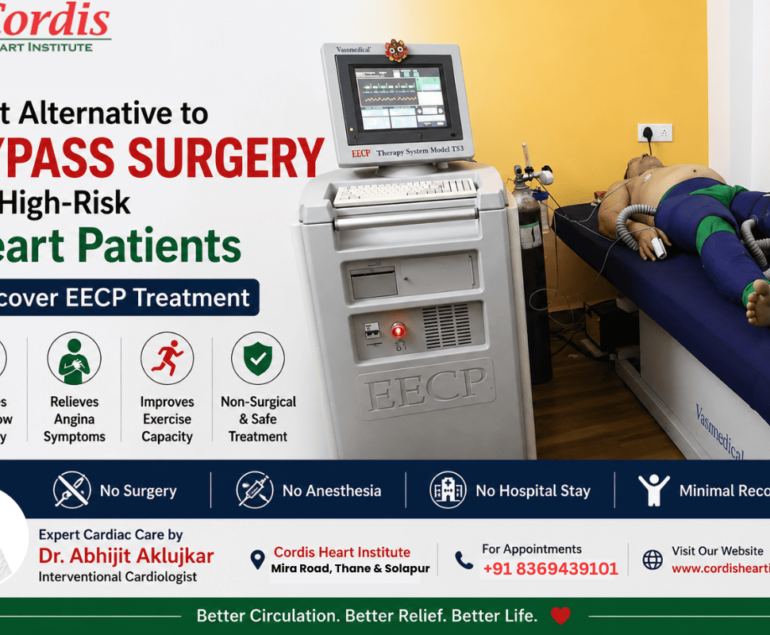
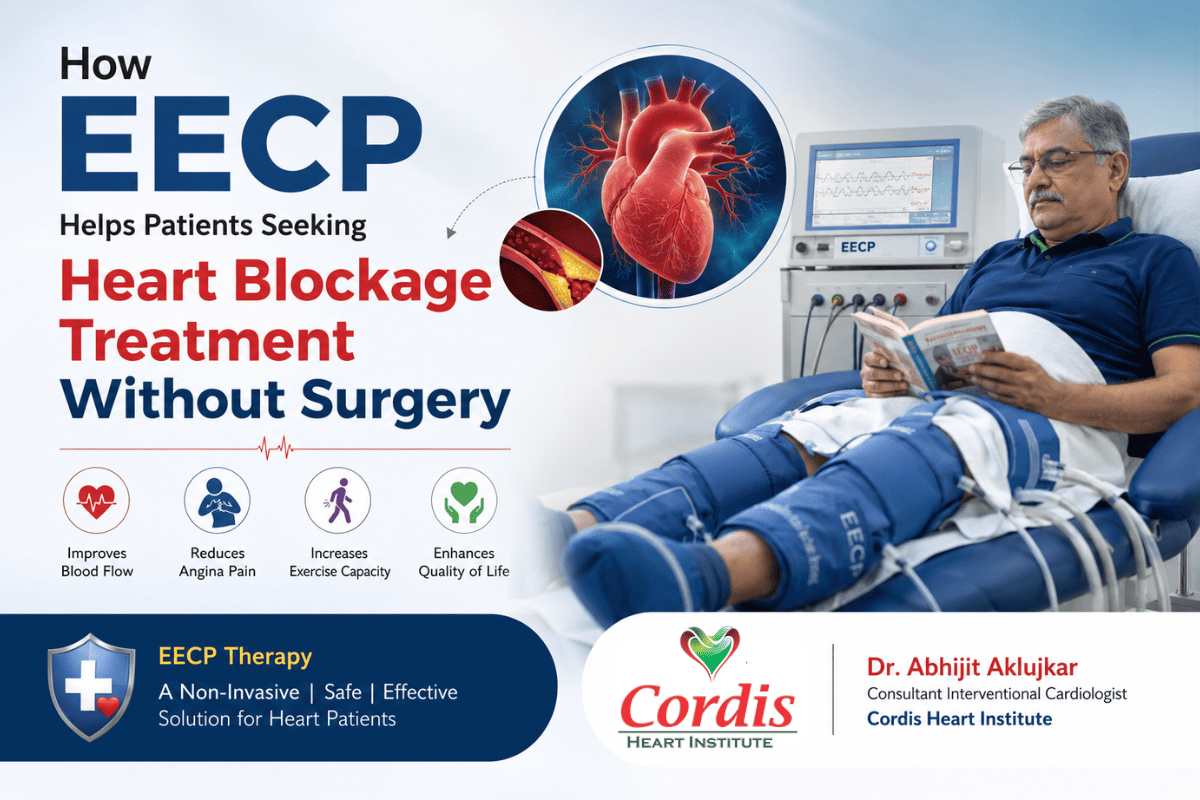
The treatment involves the use of specialized inflatable cuffs wrapped around the calves, thighs, and buttocks. These cuffs inflate and deflate in sync with the patient’s heartbeat.
The process helps increase blood flow back to the heart while reducing the workload placed on the heart muscle.
How EECP Therapy Works
During treatment, the cuffs inflate sequentially during the heart’s resting phase (diastole). This action pushes oxygen-rich blood toward the coronary arteries.
When the heart contracts, the cuffs rapidly deflate, reducing resistance and allowing the heart to pump more efficiently.
This unique mechanism may:
- Improve circulation
- Increase oxygen supply to heart tissue
- Support the development of collateral blood vessels
- Reduce symptoms of angina
Duration and Procedure of EECP Treatment
A standard EECP treatment plan often consists of:
- 35 sessions
- Approximately 1 hour per session
- Five to six sessions per week
Patients remain awake and comfortable throughout the procedure. Many read, watch television, or listen to music during treatment.
How EECP Helps in Heart Blockage Treatment Without Surgery
Promotes Natural Bypass Formation
One of the most discussed benefits of EECP is its ability to encourage the formation of collateral circulation.
Collateral vessels are small blood vessels that can develop around blocked arteries, creating alternative pathways for blood flow. This process is often referred to as a “natural bypass.”
Improved collateral circulation can help the heart receive more oxygen despite existing blockages.
Improves Blood Flow to Blocked Arteries
EECP therapy enhances circulation throughout the cardiovascular system. Increased blood flow may help improve oxygen delivery to areas affected by reduced circulation.
Many patients report noticeable improvements in their symptoms after completing treatment.
Reduces Chest Pain and Angina Symptoms
Angina occurs when the heart muscle does not receive enough oxygen.
By improving circulation, EECP can help reduce the frequency and severity of chest pain episodes, allowing patients to participate more comfortably in daily activities.
Enhances Exercise Capacity
Patients with coronary artery disease often struggle with physical activity due to fatigue or breathlessness.
Improved circulation may increase stamina and exercise tolerance, helping individuals regain confidence in their daily lives.
Improves Overall Quality of Life
Many patients report:
- Better energy levels
- Reduced dependence on angina medication
- Improved mobility
- Better sleep quality
- Enhanced overall well-being
Benefits of EECP Therapy for Heart Patients
Completely Non-Invasive Treatment
Unlike surgery, EECP requires no incisions, anesthesia, or hospital operating room.
No Hospital Admission Required
Most patients receive treatment on an outpatient basis and return home immediately afterward.
No Surgical Incisions or Stents
The therapy works externally without placing any devices inside the body.
Minimal Recovery Time
Since there is no surgery involved, patients typically resume their normal activities right away.
Safe and Comfortable Procedure
EECP has been used for many years and is generally well tolerated when performed under medical supervision.
Long-Term Improvement in Symptoms
Some patients continue experiencing benefits months or even years after completing treatment, especially when combined with healthy lifestyle habits.
Who Is an Ideal Candidate for EECP Therapy?
EECP may be considered for:
Patients with Coronary Artery Disease
Individuals diagnosed with narrowed coronary arteries who continue experiencing symptoms despite medical therapy.
Patients Experiencing Chronic Angina
People with persistent chest discomfort may benefit from improved circulation.
Patients Advised Against Surgery
Those considered high-risk surgical candidates may be evaluated for EECP therapy.
Patients Looking for Complementary Cardiac Care
EECP is often used alongside medications, dietary changes, exercise programs, and other cardiac care strategies.
When EECP May Not Be Recommended
Certain conditions may require additional evaluation before treatment, including:
- Severe valve disease
- Certain arrhythmias
- Active blood clotting disorders
- Severe peripheral vascular disease
A thorough cardiac assessment is essential before beginning therapy.
EECP vs Angioplasty vs Bypass Surgery
Factor | EECP | Angioplasty | Bypass Surgery |
Invasive Level | Low | Moderate | High |
Hospital Stay | Usually Not Required | Required | Required |
Recovery Time | Minimal | Moderate | Longer |
Surgical Risk | Low | Moderate | Higher |
Anesthesia | No | Yes | Yes |
Each treatment serves a different purpose.
While angioplasty and bypass surgery directly address specific blockages, EECP focuses on improving circulation and reducing symptoms. The most appropriate option depends on the patient’s overall condition and medical evaluation.
Why Choose Dr. Abhijit Aklujkar for EECP Treatment?
Selecting the right cardiac specialist is just as important as choosing the treatment itself.
At Cordis Heart Institute, Dr. Abhijit Aklujkar focuses on patient-centered cardiac care, combining advanced diagnostic methods with personalized treatment planning.
Patients benefit from:
- Detailed cardiac evaluations
- Individualized treatment recommendations
- Advanced EECP facilities
- Ongoing monitoring and support
- A compassionate approach to heart care
Every treatment plan is tailored to the patient’s specific needs and medical history.
Success Stories and Patient Outcomes with EECP Therapy
Many patients who complete EECP treatment report meaningful improvements in their daily lives.
Common outcomes include:
- Reduced chest pain episodes
- Improved walking distance
- Better stamina
- Increased energy levels
- Greater confidence during physical activity
While individual results vary, patient satisfaction with EECP therapy continues to support its growing popularity as a non-surgical cardiac treatment option.
Frequently Asked Questions
Can EECP remove heart blockages completely?
No. EECP does not physically remove plaque from arteries. Instead, it improves blood circulation and supports the development of alternative blood flow pathways.
Is EECP therapy safe?
When performed under proper medical supervision, EECP is generally considered safe for suitable patients.
How many EECP sessions are required?
A typical treatment course includes approximately 35 one-hour sessions.
Is EECP painful?
Most patients find the procedure comfortable. Some may experience mild pressure from the cuffs initially.
What is the success rate of EECP treatment?
Many patients report significant symptom relief and improved quality of life following treatment.
Can diabetic patients undergo EECP therapy?
Yes, many diabetic patients can undergo EECP therapy after proper medical assessment.
How long do EECP results last?
Benefits can last for months or years, particularly when supported by healthy lifestyle habits and ongoing medical care.
Is EECP better than bypass surgery?
EECP is not a replacement for bypass surgery in every case. The best treatment depends on the patient’s condition and medical evaluation.
What is the cost of EECP treatment in India?
Costs vary based on location, treatment duration, and healthcare facility. A consultation can provide accurate pricing information.
Conclusion: A Safe and Effective Non-Surgical Option for Heart Blockage Treatment
For patients searching for heart blockage treatment without surgery, EECP therapy offers a promising non-invasive option that may help improve blood flow, reduce angina symptoms, and enhance overall quality of life.
While it may not be suitable for everyone, EECP has helped many individuals manage coronary artery disease without undergoing major surgical procedures.
If you are experiencing symptoms of heart blockage or exploring alternatives to bypass surgery, consulting an experienced cardiac specialist is the best first step.
At Cordis Heart Institute, Dr. Abhijit Aklujkar provides detailed evaluations and personalized treatment plans to help patients understand whether EECP therapy is right for them.
Schedule Your Consultation Today
Take control of your heart health. Speak with Dr. Abhijit Aklujkar at Cordis Heart Institute and learn whether EECP therapy can help you achieve better heart function and improved quality of life without surgery.