Chest pain can be frightening. For many people, it is not just a physical symptom but a constant source of anxiety that affects daily life. Simple activities such as climbing stairs, taking a walk, or carrying groceries can become difficult when chest discomfort strikes unexpectedly.
While angioplasty and bypass surgery are commonly recommended for blocked arteries, not every patient is ready for an invasive procedure. Some may not be suitable candidates due to age, medical conditions, or personal preference. This has led many patients to search for safe and effective alternatives.
One treatment that has gained attention in recent years is EECP treatment for chest pain and EECP treatment for angina. EECP, or Enhanced External Counterpulsation, is a non-invasive therapy designed to improve blood circulation to the heart and reduce symptoms associated with coronary artery disease.
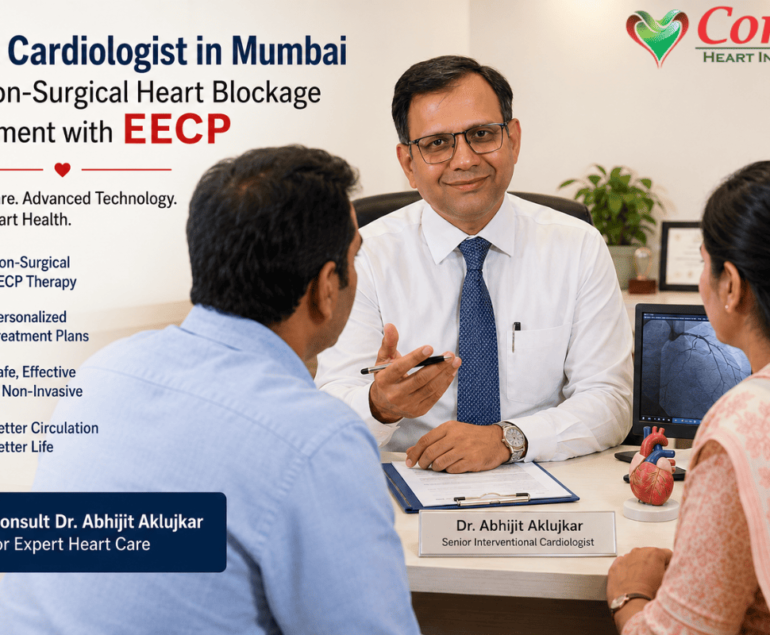
At Cordis Heart Institute, Dr Abhijit Aklujkar and his team offer advanced EECP therapy for patients looking for a non-surgical approach to managing angina and chronic chest pain.
In this article, you’ll learn how EECP works, its benefits, success rate, treatment costs, and whether you may be a suitable candidate.
What Is EECP Treatment?
Understanding Enhanced External Counterpulsation (EECP)
Enhanced External Counterpulsation, commonly known as EECP, is a non-invasive cardiac treatment that helps improve blood flow to the heart.
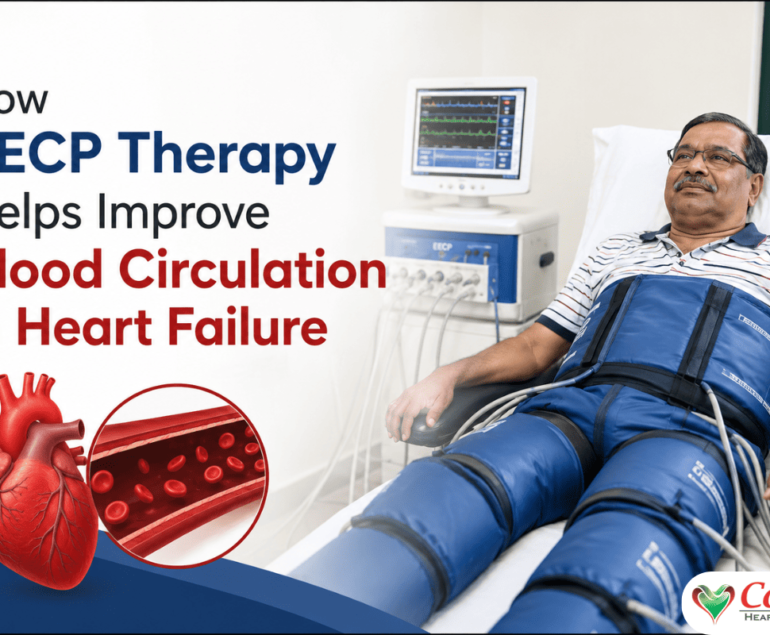
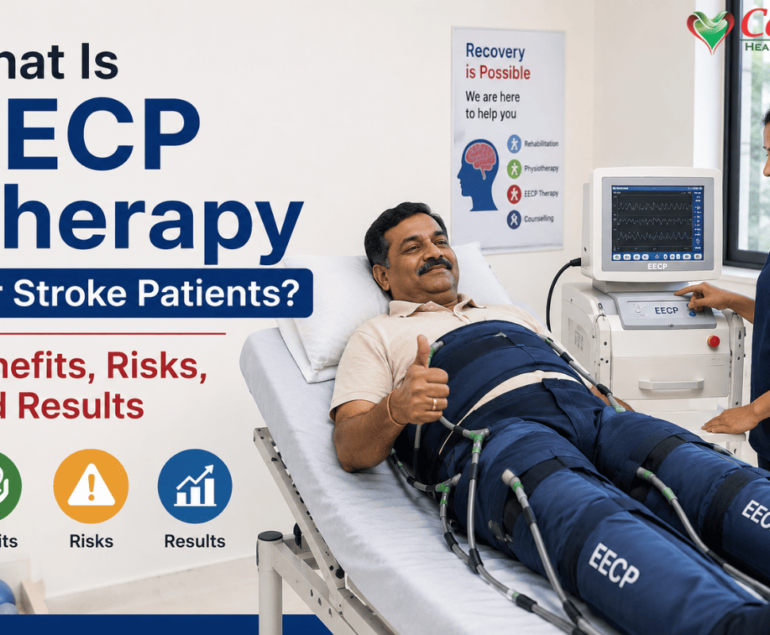
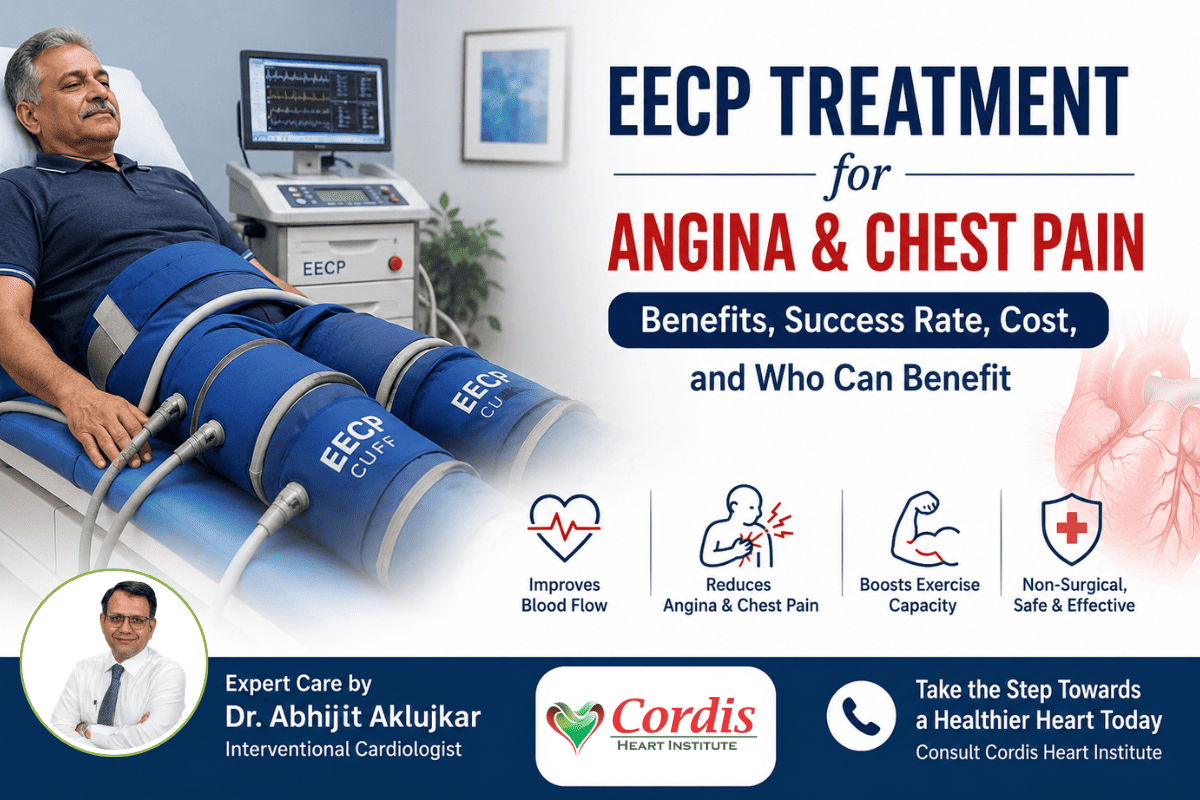
During treatment, inflatable cuffs are wrapped around the calves, thighs, and buttocks. These cuffs inflate and deflate in synchronization with the patient’s heartbeat. This controlled compression helps increase circulation and directs more oxygen-rich blood to the heart muscle.
EECP has been used worldwide for patients with chronic angina and coronary artery disease and is recognized as a valuable option for those seeking treatment without surgery.
How EECP Improves Blood Flow to the Heart
One of the most interesting aspects of EECP therapy is its ability to encourage the development of collateral blood vessels.
These natural pathways act like small bypass channels that help blood reach areas of the heart affected by narrowed arteries. As circulation improves, the heart receives more oxygen and nutrients, which can reduce chest pain and improve overall heart function.
Why EECP Is Considered a Non-Surgical Alternative
Unlike angioplasty or bypass surgery, EECP:
- Does not require incisions
- Does not require anesthesia
- Has no hospital stay
- Allows patients to resume daily activities immediately after treatment
For many patients, this makes EECP an attractive alternative to more invasive procedures.
What Is Angina and Why Does It Cause Chest Pain?
Angina is a type of chest pain that occurs when the heart muscle does not receive enough oxygen-rich blood.
Common Symptoms of Angina
Symptoms may include:
- Pressure or tightness in the chest
- Burning sensation
- Heaviness in the chest
- Pain in the shoulders, neck, jaw, or arms
- Shortness of breath
- Fatigue during physical activity
These symptoms often occur during exercise, emotional stress, or exertion.
What Causes Angina?
The most common cause is coronary artery disease, where plaque buildup narrows the arteries supplying blood to the heart.
When the heart works harder during activity, narrowed arteries may not deliver enough oxygen, resulting in chest pain or discomfort.
When Should You Seek Medical Help?
Any new or worsening chest pain should be evaluated immediately. Sudden severe chest pain, shortness of breath, dizziness, or pain radiating to the arm or jaw may indicate a heart attack and requires emergency medical attention.
How EECP Treatment Helps Patients with Angina and Chest Pain
Relief from Angina Symptoms
EECP treatment for angina helps improve blood supply to oxygen-starved heart tissue. As circulation improves, many patients experience fewer angina episodes and better symptom control.
A Non-Surgical Option for Chest Pain
Patients who want to avoid surgery often choose EECP treatment for chest pain because it addresses blood flow problems without invasive intervention.
Improved Oxygen Delivery
The therapy helps increase oxygen availability to the heart muscle, reducing strain and improving performance during daily activities.
Better Exercise Capacity
Many patients report that activities that once triggered chest pain become easier after completing EECP therapy.
Walking longer distances, climbing stairs, and performing routine tasks often become more comfortable.
Reduced Dependence on Medication
Some patients may experience enough symptom improvement to reduce their reliance on certain angina medications under their doctor’s supervision.
Key Benefits of EECP Treatment for Chest Pain and Angina
Non-Invasive and Comfortable
EECP is performed while the patient lies comfortably on a treatment bed. There are no needles, cuts, or surgical instruments involved.
No Recovery Period
Unlike surgery, there is no lengthy recovery process. Most patients return to their normal routine immediately after each session.
Improved Quality of Life
Reduced chest pain often means greater independence and confidence in daily activities.
Increased Energy Levels
Better circulation can help reduce fatigue and improve overall stamina.
Better Blood Flow Throughout the Body
Although EECP primarily targets heart health, improved circulation may benefit other organs and tissues as well.
Suitable for High-Risk Patients
EECP is often considered for patients who may not be ideal candidates for angioplasty or bypass surgery.
EECP Treatment Success Rate: What Do Studies Show?
Several clinical studies have reported positive outcomes in patients undergoing EECP therapy.
Research suggests that many patients experience:
- Reduced frequency of angina attacks
- Improved exercise tolerance
- Better quality of life
- Long-term symptom relief
Success rates vary depending on the patient’s condition, severity of coronary artery disease, and overall health.
Many studies have reported symptom improvement in a significant percentage of patients who complete the recommended treatment course.
At Cordis Heart Institute, treatment plans are customized to maximize patient outcomes through detailed evaluation and ongoing monitoring.
Who Can Benefit from EECP Treatment?
EECP therapy may be recommended for:
Patients with Chronic Stable Angina
Individuals who continue experiencing chest pain despite medication often benefit from EECP.
Patients Seeking Heart Blockage Treatment Without Surgery
Many people looking for non-invasive options explore EECP as part of their treatment strategy.
Individuals Not Eligible for Surgery
Patients with advanced age or medical conditions that increase surgical risk may be suitable candidates.
Patients with Persistent Symptoms After Angioplasty or Bypass
Some patients continue to experience angina even after previous procedures. EECP may help improve circulation and symptom management.
People Looking for Non-Invasive Cardiac Care
Those who prefer conservative treatment options often consider EECP therapy.
Who May Not Be Suitable for EECP Therapy?
Although EECP is generally safe, it may not be appropriate for everyone.
Certain conditions require careful assessment, including:
- Severe valve disease
- Uncontrolled high blood pressure
- Significant arrhythmias
- Active blood clotting disorders
- Severe peripheral vascular disease
A consultation with Dr Abhijit Aklujkar can help determine whether EECP is appropriate for your specific condition.
What Happens During an EECP Treatment Session?
Step-by-Step Process
- The patient lies comfortably on a treatment bed.
- Inflatable cuffs are placed around the legs.
- ECG monitoring synchronizes cuff inflation with the heartbeat.
- Controlled compression improves blood flow toward the heart.
Duration of Treatment
A standard EECP program typically consists of:
- 35 sessions
- One hour per session
- Five to six sessions per week
What Patients Can Expect
Most patients find the procedure comfortable and relaxing. Many read, listen to music, or watch television during treatment.
Recovery
No recovery period is required, making EECP convenient for working professionals and elderly patients.
EECP Treatment Cost in India
The cost of EECP treatment varies depending on:
- Number of sessions required
- Treatment center
- Patient’s medical condition
- Additional cardiac evaluations
In many cases, EECP treatment cost is significantly lower than bypass surgery and may be more affordable than repeated invasive procedures.
Patients should consult directly with Cordis Heart Institute for the latest treatment packages and individualized recommendations.
EECP vs Angioplasty vs Bypass Surgery
Factor | EECP | Angioplasty | Bypass Surgery |
Invasive | No | Yes | Yes |
Anesthesia | No | Yes | Yes |
Hospital Stay | No | Usually Required | Required |
Recovery Time | Immediate | Days to Weeks | Several Weeks |
Surgical Risks | Minimal | Moderate | Higher |
Suitable for Some High-Risk Patients | Yes | Not Always | Not Always |
The right treatment depends on the patient’s medical condition, symptoms, and physician recommendations.
Why Choose Cordis Heart Institute for EECP Treatment?
Advanced Technology
Cordis Heart Institute offers modern EECP systems designed for patient comfort and effectiveness.
Experienced Cardiac Care
Under the guidance of Dr Abhijit Aklujkar, patients receive evidence-based treatment plans tailored to their needs.
Personalized Evaluation
Every patient undergoes detailed assessment before beginning therapy.
Ongoing Monitoring
Progress is tracked throughout treatment to ensure optimal outcomes.
Patient-Centered Care
The focus remains on improving symptoms, quality of life, and long-term heart health.
Frequently Asked Questions
What is the success rate of EECP treatment for angina?
Many patients experience meaningful reductions in angina symptoms and improved exercise tolerance after completing treatment.
Is EECP treatment safe for elderly patients?
Yes. EECP is commonly used in elderly patients because it does not involve surgery or anesthesia.
Can EECP remove heart blockages?
EECP does not physically remove blockages but helps improve blood flow by encouraging collateral circulation.
How long do EECP results last?
Many patients continue experiencing benefits for months or even years after treatment.
Is EECP treatment painful?
No. Most patients find the therapy comfortable.
How many sessions are required?
A standard course usually includes 35 one-hour sessions.
What is the cost of EECP treatment in India?
Costs vary by center and patient requirements. Consultation is recommended for accurate pricing.
Can EECP help avoid angioplasty?
In selected patients, EECP may reduce symptoms and delay or reduce the need for invasive procedures.
Is EECP covered by insurance?
Coverage depends on the insurance provider and policy terms.
Where can I get EECP treatment for chest pain in Mumbai?
Patients can consult Dr Abhijit Aklujkar at Cordis Heart Institute for evaluation and treatment recommendations.
Take Control of Angina and Chest Pain with EECP Treatment
Living with recurring chest pain can limit your lifestyle and affect your peace of mind. Fortunately, surgery is not the only option.
EECP treatment for chest pain and EECP treatment for angina offer a safe, non-invasive approach to improving blood flow, reducing symptoms, and enhancing quality of life. For many patients, it provides a practical alternative when surgery is not desired or feasible.
If you or a loved one is struggling with angina or chronic chest pain, schedule a consultation with Dr Abhijit Aklujkar at Cordis Heart Institute. A personalized cardiac assessment can help determine whether EECP therapy is the right step toward better heart health.