Heart disease remains one of the leading causes of death worldwide. For millions of people living with coronary artery disease (CAD), reduced blood flow to the heart can lead to chest pain, shortness of breath, fatigue, and a higher risk of heart attack.
When blockages in the coronary arteries become serious, patients are often faced with an important decision: should they undergo bypass surgery, or is there a less invasive option available?
This is where the debate around EECP vs bypass surgery begins.
While coronary artery bypass grafting (CABG) has been a standard treatment for decades, many patients today are searching for alternatives that involve less risk, shorter recovery times, and no major surgery. One treatment that has gained attention is Enhanced External Counterpulsation (EECP).
But can EECP really replace bypass surgery? Which option delivers better results? And how do doctors decide which treatment is right for a patient?
In this guide, we’ll compare EECP and bypass surgery in detail, looking at how they work, who they’re designed for, recovery time, costs, risks, and long-term outcomes.
What Is EECP Treatment?
EECP, short for Enhanced External Counterpulsation, is a non-surgical treatment designed to improve blood flow to the heart.
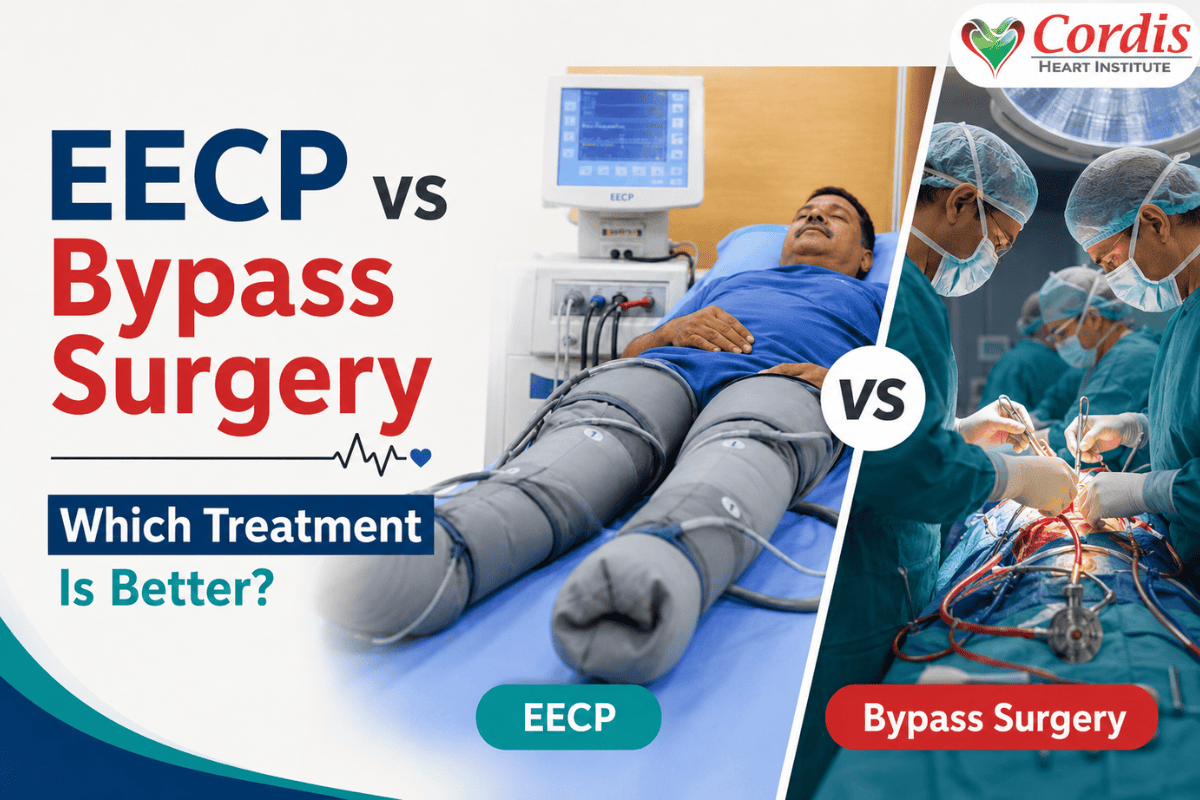
Unlike surgery, EECP does not involve incisions, anesthesia, or hospitalization. Instead, patients lie comfortably on a treatment table while inflatable cuffs wrapped around the legs gently squeeze and release in sync with the heartbeat.
The goal is simple: increase circulation and encourage the body to develop natural bypass channels around blocked arteries.
How Does EECP Work?
During treatment, computer-controlled cuffs inflate and deflate at specific moments in the cardiac cycle.
This process helps:
- Increase oxygen-rich blood flow to the heart
- Reduce strain on the heart muscle
- Improve circulation throughout the body
- Encourage the formation of collateral blood vessels
Many cardiologists describe EECP as a way of helping the body create its own natural detours around narrowed arteries.
A standard EECP program typically consists of:
- 35 treatment sessions
- One-hour sessions
- Five days per week
- Seven weeks total
Who Is a Good Candidate for EECP?
EECP may be recommended for:
- Patients with chronic stable angina
- Individuals who are not suitable candidates for surgery
- Elderly patients with multiple health conditions
- Patients who continue experiencing symptoms after angioplasty or bypass surgery
- Individuals looking for a non-surgical treatment for heart blockage
Benefits of EECP Treatment
Many patients choose EECP because it offers several advantages:
Non-Invasive Procedure
There are no surgical cuts, stitches, or scars.
No General Anesthesia
Patients remain awake throughout treatment.
Minimal Recovery Time
Most individuals can return to normal daily activities immediately after each session.
Improved Quality of Life
Many patients report:
- Less chest pain
- Better exercise tolerance
- Improved energy levels
- Reduced dependence on medication
What Is Bypass Surgery?
Bypass surgery, medically known as Coronary Artery Bypass Grafting (CABG), is one of the most common heart surgeries performed worldwide.
The procedure involves creating a new route for blood to flow around blocked coronary arteries.
A surgeon takes a healthy blood vessel from another part of the body, often the leg, chest, or arm, and attaches it above and below the blockage.
This creates a “bypass” that restores blood flow to the heart muscle.
When Do Doctors Recommend Bypass Surgery?
CABG is generally recommended when:
- Multiple arteries are blocked
- Blockages are severe
- The left main coronary artery is affected
- Stents are unlikely to provide lasting results
- Heart function is significantly impaired
For many patients with advanced coronary artery disease, bypass surgery remains the gold standard treatment.
Benefits of Bypass Surgery
Improved Blood Flow
Bypass surgery can restore circulation to areas of the heart that have been deprived of oxygen.
Long-Term Symptom Relief
Many patients experience a significant reduction in:
- Chest pain
- Breathlessness
- Fatigue
Reduced Risk of Future Cardiac Events
In specific high-risk groups, bypass surgery can improve survival rates and reduce the likelihood of major heart complications.
EECP vs Bypass Surgery: Key Differences
Although both treatments aim to improve blood flow to the heart, their approach is completely different.
Feature | EECP | Bypass Surgery |
Procedure Type | Non-invasive | Open-heart surgery |
Anesthesia | Not Required | Required |
Hospital Stay | Usually None | Several Days |
Recovery Time | Immediate | Weeks to Months |
Surgical Risk | Low | Moderate to High |
Cost | Generally Lower | Generally Higher |
Suitable for Severe Blockages | Limited Cases | Yes |
Treatment Approach
EECP works externally by improving circulation and stimulating collateral vessel development.
Bypass surgery physically creates new pathways for blood to flow around blocked arteries.
Procedure Duration
An EECP session lasts about one hour, but treatment is spread across several weeks.
Bypass surgery itself can take several hours and requires hospitalization afterward.
Hospital Stay
EECP is performed in an outpatient setting.
Bypass surgery typically requires:
- ICU monitoring
- Hospital stay of 5 to 10 days
- Follow-up rehabilitation
Pain and Discomfort
EECP patients may experience mild leg pressure from the cuffs.
Bypass surgery involves surgical pain, chest discomfort, and a longer healing process.
EECP vs Bypass Surgery: Benefits Comparison
Choosing between these treatments depends heavily on individual circumstances.
Advantages of EECP Over Bypass Surgery
Lower Risk
Because there is no surgery involved, complications are generally fewer.
Faster Return to Daily Life
Patients often continue working and carrying out normal activities during treatment.
Suitable for High-Risk Patients
People who may not tolerate surgery well often consider EECP as an alternative.
Cost Savings
In many regions, EECP treatment costs significantly less than open-heart surgery.
Advantages of Bypass Surgery Over EECP
Effective for Severe Disease
Bypass surgery directly addresses major blockages.
Proven Long-Term Outcomes
CABG has decades of clinical evidence supporting its effectiveness.
Appropriate for Multi-Vessel Disease
Patients with several blocked arteries often benefit more from surgery than from non-invasive treatments.
Success Rate: EECP vs Bypass Surgery
One of the most common questions patients ask is whether EECP works as well as bypass surgery.
The answer depends on the patient’s condition.
EECP Success Rate
Studies have shown that many patients experience:
- Reduced angina symptoms
- Improved exercise capacity
- Better quality of life
- Increased blood flow
The benefits may last for several years in appropriately selected patients.
Bypass Surgery Success Rate
CABG has a strong track record for:
- Restoring blood supply
- Relieving symptoms
- Improving survival in certain patient groups
For patients with severe coronary artery disease, bypass surgery often remains the most effective treatment.
Which Option Produces Better Results?
There is no universal winner.
EECP may be an excellent option for patients seeking an alternative to bypass surgery or those who cannot undergo surgery.
Bypass surgery is often preferred when blockages are extensive and require direct intervention.
Recovery Time: EECP vs Bypass Surgery
Recovery is often one of the biggest factors patients consider when comparing treatment options.
How Long Does EECP Recovery Take?
One of the biggest advantages of EECP treatment is that there is virtually no recovery period.
Since the procedure is non-invasive:
- No surgical wounds need to heal
- No hospitalization is required
- Most patients return to work the same day
- Daily activities can usually continue without interruption
Some patients may experience mild fatigue or temporary discomfort in the legs during the first few sessions, but these effects generally improve quickly.
How Long Does Bypass Surgery Recovery Take?
Recovery from bypass surgery is much more involved.
After surgery, patients typically:
- Spend 1–2 days in intensive care
- Remain in the hospital for 5–10 days
- Require several weeks of home recovery
- Participate in cardiac rehabilitation
Most patients can resume light activities within a few weeks, but complete recovery may take 6–12 weeks or longer depending on age, overall health, and the complexity of the procedure.
Returning to Work and Daily Activities
For busy professionals and older adults, recovery time can be a deciding factor.
EECP allows patients to maintain much of their routine during treatment.
Bypass surgery often requires a temporary pause from work, exercise, and certain household activities while the chest heals.
Risks and Side Effects
Every medical treatment carries some level of risk. Understanding those risks helps patients make informed decisions.
Risks Associated With EECP
EECP is generally considered safe for eligible patients.
Possible side effects include:
- Temporary leg discomfort
- Skin irritation from the cuffs
- Mild muscle soreness
- Fatigue after treatment
Serious complications are uncommon when patients are properly screened before treatment.
Risks Associated With Bypass Surgery
Because bypass surgery is a major operation, the risks are higher.
Potential complications include:
- Infection
- Bleeding
- Blood clots
- Stroke
- Heart rhythm abnormalities
- Kidney complications
- Reactions to anesthesia
While modern surgical techniques have improved outcomes significantly, these risks remain important considerations.
Who Should Choose EECP?
Not every patient requires open-heart surgery.
For certain individuals, EECP may offer meaningful symptom relief without the risks associated with surgery.
Patients Seeking a Non-Invasive Alternative
Many people search for an alternative to bypass surgery because they want to avoid major surgery if possible.
EECP provides a non-surgical option that may help reduce symptoms and improve quality of life.
Elderly Patients With Surgical Risks
Older adults often face increased surgical risks due to:
- Diabetes
- Kidney disease
- Lung conditions
- Previous cardiac procedures
EECP may be considered when surgery presents substantial challenges.
Patients With Persistent Angina
Some patients continue experiencing chest pain even after:
- Angioplasty
- Stent placement
- Previous bypass surgery
EECP may help improve blood flow and reduce symptoms in these cases.
Who Should Choose Bypass Surgery?
Despite growing interest in non-invasive treatments, bypass surgery remains one of the most effective options for many patients.
Patients With Severe Coronary Artery Disease
When arteries are severely narrowed or blocked, surgery often provides the most direct solution.
Individuals With Multiple Blockages
Patients with disease affecting multiple vessels frequently benefit from bypass surgery more than less invasive treatments.
Cases Where Other Treatments Have Failed
Doctors may recommend CABG when:
- Medications are no longer effective
- Stents are unsuitable
- Symptoms continue worsening
In these situations, bypass surgery may provide the greatest long-term benefit.
Can EECP Replace Bypass Surgery?
This is one of the most frequently searched questions online.
The short answer is: sometimes, but not always.
Situations Where EECP May Be an Alternative
EECP may be considered when:
- Surgery is too risky
- Symptoms are stable
- Patients prefer a non-invasive approach
- Doctors believe symptom management is the primary goal
Situations Where Surgery Is Still Necessary
Bypass surgery remains the preferred option when:
- Major arteries are severely blocked
- Blood flow to large areas of the heart is compromised
- There is a significant risk of heart attack
- Structural intervention is needed
What Cardiologists Say
Most cardiologists do not view EECP and bypass surgery as direct competitors.
Instead, they see them as different tools for different patient groups.
The right treatment depends on:
- Severity of disease
- Symptoms
- Age
- Overall health
- Previous treatments
EECP vs Bypass Surgery: Quick Comparison Table
Feature | EECP | Bypass Surgery |
Procedure Type | Non-invasive | Surgical |
Hospital Stay | Usually Not Required | Several Days |
Recovery Time | Minimal | Several Weeks |
Anesthesia | No | Yes |
Surgical Incision | No | Yes |
Risk Level | Lower | Higher |
Cost | Lower | Higher |
Severe Blockages | Limited Benefit | Strong Benefit |
Return to Work | Usually Immediate | Several Weeks |
Expert Opinion: How Doctors Decide Between EECP and Bypass Surgery
Patients often assume that choosing a treatment is simply a matter of preference.
In reality, cardiologists evaluate several factors before making recommendations.
Severity of Artery Blockage
This is often the most important consideration.
The greater the blockage, the more likely surgery may be necessary.
Overall Health
Doctors assess:
- Kidney function
- Lung health
- Diabetes status
- Blood pressure
- Previous cardiac history
Age and Surgical Risk
Some patients may benefit more from a non-invasive option because of age-related surgical risks.
Lifestyle and Recovery Goals
A younger patient with severe disease may choose surgery for long-term benefits.
An older patient with manageable symptoms may prefer EECP.
Patient Preferences
Ultimately, treatment decisions should be made through shared discussions between patients and their healthcare providers.
Frequently Asked Questions
Is EECP Better Than Bypass Surgery?
Neither treatment is universally better. EECP is less invasive, while bypass surgery is often more effective for severe coronary artery disease.
Can EECP Remove Artery Blockages?
No. EECP does not physically remove blockages. Instead, it improves circulation and encourages the development of collateral blood vessels.
How Long Do EECP Results Last?
Many patients experience symptom improvement for several years, though results vary depending on individual health factors.
Is EECP Safe for Elderly Patients?
In many cases, yes. EECP is often considered for older adults who may face increased risks from surgery.
What Is the Success Rate of EECP Compared to Bypass Surgery?
EECP is effective at reducing symptoms in many patients, while bypass surgery is often more effective for restoring blood flow in severe disease.
Can I Avoid Bypass Surgery With EECP?
Some patients may be able to manage symptoms with EECP, but others still require surgery. A cardiologist can determine the best approach.
Which Treatment Is More Affordable?
EECP treatment is generally less expensive than bypass surgery because it does not involve hospitalization or operating room costs.
Does Insurance Cover EECP Treatment?
Coverage varies by country, insurer, and medical condition. Patients should check directly with their provider.
Conclusion: EECP vs Bypass Surgery
When comparing EECP vs bypass surgery, there is no one-size-fits-all answer.
EECP offers an appealing option for patients seeking a non-surgical treatment for heart blockage, especially those who are not ideal candidates for surgery or who want to avoid a lengthy recovery period.
Bypass surgery remains one of the most effective treatments for severe coronary artery disease and continues to save lives by restoring blood flow to the heart.
The most important takeaway is that treatment decisions should never be based solely on online research. Every patient’s condition is unique, and the best option depends on the severity of blockages, symptoms, overall health, and long-term goals.
If you’re considering either treatment, speak with an experienced cardiologist who can evaluate your condition and recommend the most appropriate path forward.
Take the Next Step
If you or a loved one has been diagnosed with coronary artery disease, don’t wait until symptoms become worse. Schedule a consultation with a qualified heart specialist to discuss whether EECP treatment, bypass surgery, or another treatment option is right for you.
The sooner you understand your options, the sooner you can take control of your heart health.