A stroke can change life in an instant. While many people focus on physical recovery after a stroke, the impact on brain function is often just as challenging. Problems with memory, concentration, speech, decision-making, and mental clarity can affect daily life long after the initial event.
For stroke survivors and their families, one common question is whether there are additional treatment options that may support recovery and improve brain function. Among the therapies gaining attention is EECP Therapy for Stroke, a non-invasive treatment designed to improve blood circulation throughout the body.
At Cordis Heart Institute, under the guidance of Dr Abhijit Aklujkar, patients often seek information about how Enhanced External Counterpulsation (EECP) therapy may fit into their overall recovery plan. While EECP is widely known for helping heart patients, researchers and healthcare professionals are also exploring its potential role in supporting brain health and stroke recovery.
Let’s understand how it works and whether it may help improve brain function after stroke.
Understanding Stroke and Its Impact on Brain Function
What Happens to the Brain During a Stroke?
A stroke occurs when blood flow to a part of the brain is interrupted or reduced. Without a steady supply of oxygen and nutrients, brain cells begin to suffer damage within minutes.
There are two primary types of stroke:
Ischemic Stroke
This is the most common type and occurs when a blood clot blocks an artery supplying blood to the brain.
Hemorrhagic Stroke
This happens when a blood vessel in the brain ruptures, causing bleeding within or around the brain.
In both cases, reduced blood flow affects brain tissue and may lead to temporary or permanent neurological problems.
Common Cognitive and Neurological Problems After Stroke
The effects of stroke vary depending on the area of the brain affected. Some patients recover quickly, while others may experience ongoing challenges such as:
- Memory loss
- Difficulty concentrating
- Slower thinking processes
- Speech and language difficulties
- Reduced problem-solving ability
- Mental fatigue
- Mood changes and depression
- Reduced coordination and balance
These issues can make everyday tasks more difficult and affect a person’s independence.
Why Restoring Healthy Blood Flow Is Important
The brain depends on a continuous supply of oxygen-rich blood. During recovery, improving circulation may help support the healing process, encourage better oxygen delivery, and assist healthy brain tissue in functioning more effectively.
This is one reason why treatments that improve circulation are being studied as part of stroke rehabilitation strategies.
What Is EECP Therapy?
Understanding Enhanced External Counterpulsation (EECP)
Enhanced External Counterpulsation, commonly known as EECP, is a non-surgical treatment that improves blood circulation naturally.
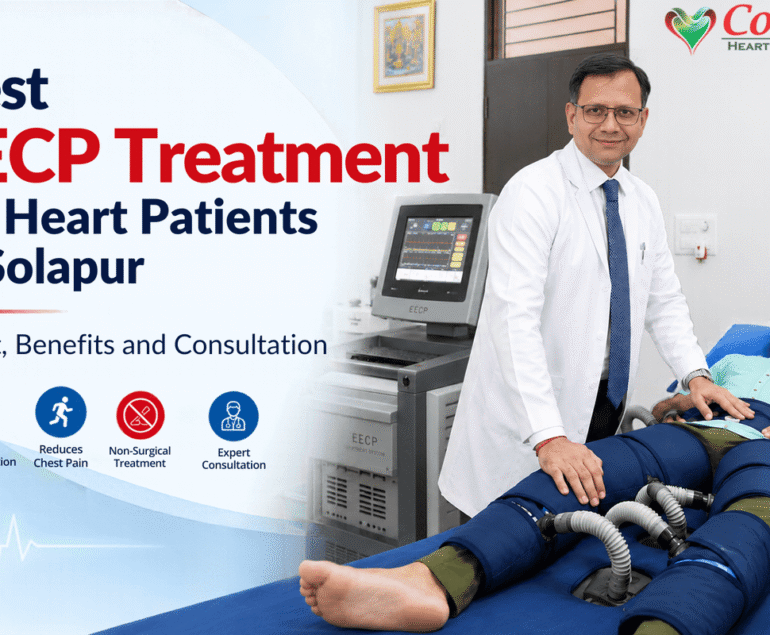
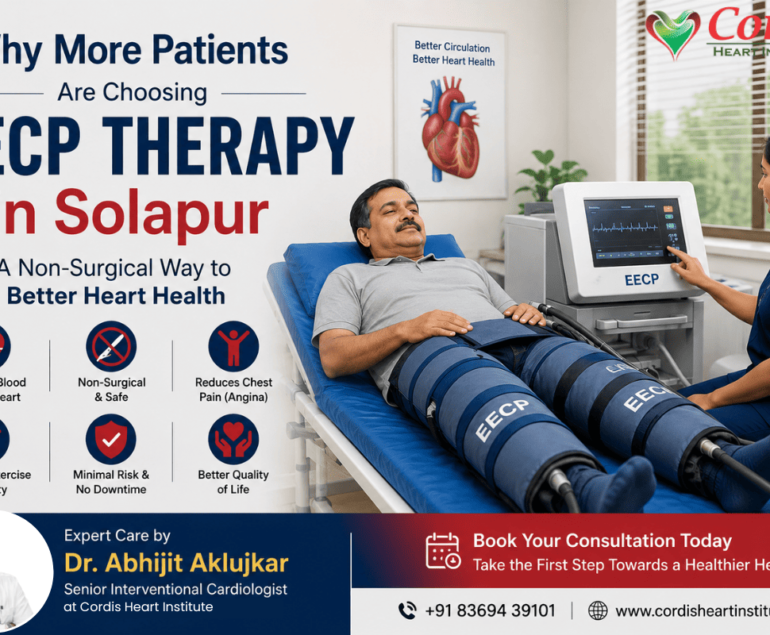
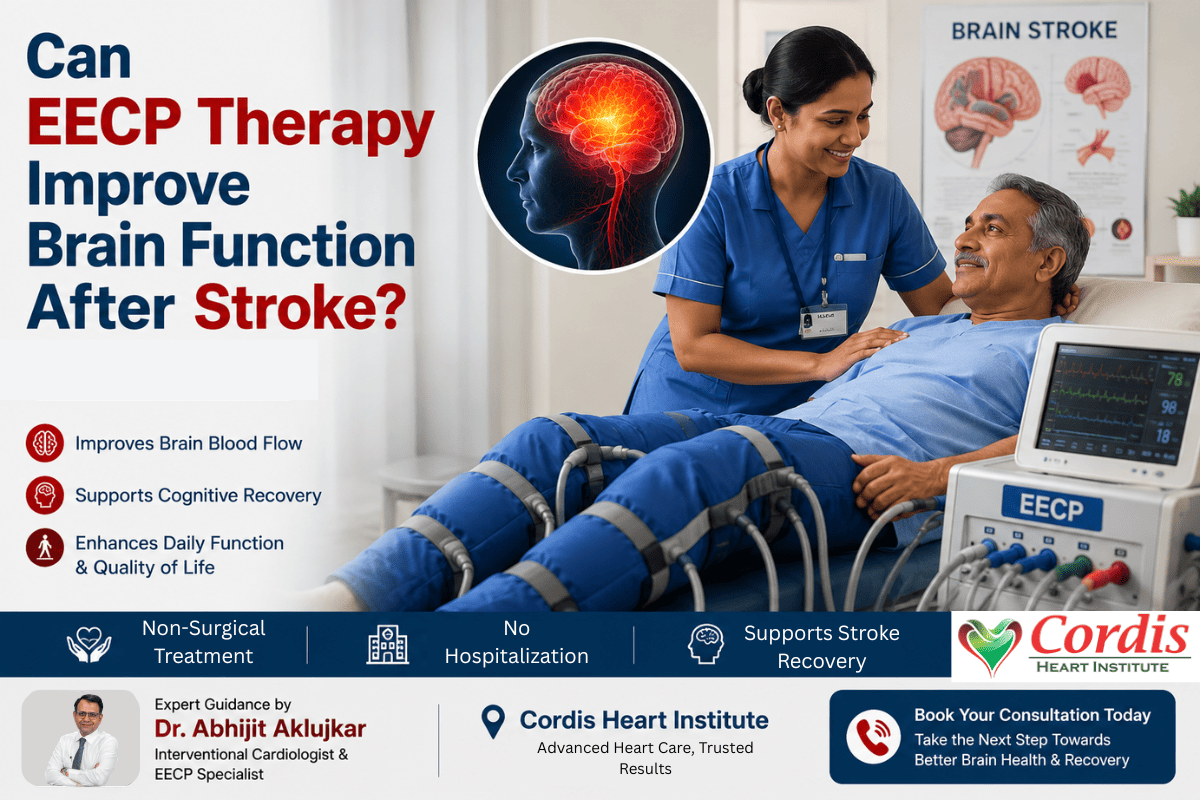
During treatment, inflatable cuffs are wrapped around the calves, thighs, and buttocks. These cuffs inflate and deflate in synchronization with the patient’s heartbeat.
The process helps increase blood flow back to the heart and may improve circulation throughout the body.
Unlike surgery or invasive procedures, EECP does not require anesthesia, hospitalization, or recovery time.
How EECP Improves Blood Circulation Throughout the Body
EECP works by creating a pumping effect that supports blood flow.
Potential benefits include:
- Improved circulation
- Increased oxygen delivery
- Enhanced blood vessel function
- Development of collateral circulation
- Better tissue perfusion
Many patients report feeling more energetic and physically active after completing an EECP treatment program.
Who Can Benefit from EECP Therapy?
EECP is commonly recommended for:
- Patients with coronary artery disease
- Individuals experiencing angina
- Patients who are not suitable candidates for surgery
- People looking for non-invasive treatment options
- Individuals seeking additional support for circulation-related conditions
In selected cases, doctors may also evaluate whether EECP therapy after stroke could be beneficial as part of a broader rehabilitation approach.
Can EECP Therapy Improve Brain Function After Stroke?
The Connection Between Blood Flow and Brain Recovery
The brain uses approximately 20% of the body’s oxygen supply despite accounting for only a small percentage of total body weight.
After a stroke, areas surrounding damaged brain tissue may receive reduced blood flow. Improving circulation could potentially help support these vulnerable regions.
This connection has encouraged researchers to investigate how therapies that enhance circulation may influence cognitive recovery after stroke.
How EECP May Support Cerebral Blood Circulation
One proposed benefit of EECP treatment for stroke patients is its ability to improve blood flow beyond the heart.
Studies have suggested that EECP may:
- Increase cerebral perfusion
- Improve blood vessel function
- Enhance oxygen delivery to brain tissue
- Support microcirculation
- Promote vascular health
These effects may create a more favorable environment for recovery and rehabilitation.
Potential Benefits for Stroke Survivors
While results vary between individuals, potential benefits may include:
Improved Oxygen Delivery to the Brain
Better circulation can help ensure brain tissue receives oxygen and nutrients necessary for normal function.
Better Cognitive Performance
Some patients report improvements in mental clarity and focus following circulation-enhancing therapies.
Enhanced Memory and Concentration
Improved blood flow may support areas of the brain involved in memory and attention.
Reduced Fatigue
Mental and physical fatigue are common after stroke. Better circulation may help improve energy levels.
Improved Quality of Life
When combined with rehabilitation, EECP may help some patients feel more confident in their daily activities.
What Current Research Suggests
Research into EECP benefits for brain health is ongoing.
Several studies have explored its effects on cerebral blood flow and cognitive function. Findings suggest that improved circulation may positively influence brain activity in certain patients. However, EECP should not be viewed as a standalone cure for stroke-related cognitive problems.
Instead, it may serve as a supportive therapy alongside medical treatment and rehabilitation.
How EECP Therapy Supports Stroke Rehabilitation
Complementing Traditional Rehabilitation
Stroke rehabilitation often includes:
- Physiotherapy
- Occupational therapy
- Speech therapy
- Cognitive training
- Lifestyle modifications
EECP may complement these therapies by supporting circulation and oxygen delivery.
EECP and Physical Recovery
Better blood flow can help muscles and tissues receive adequate oxygen during rehabilitation exercises.
Many patients find it easier to participate in therapy programs when energy levels improve.
EECP and Cognitive Rehabilitation
Improved circulation may support the brain’s ability to adapt and form new connections, a process known as neuroplasticity.
This process plays an important role in stroke recovery.
Combining EECP with Lifestyle Changes
For the best results, patients should combine treatment with:
- Regular physical activity
- Healthy eating habits
- Blood pressure management
- Diabetes control
- Stress reduction
- Adequate sleep
Recovery is often strongest when multiple approaches work together.
Benefits of EECP Therapy for Stroke Patients
Non-Invasive Alternative with No Surgery
One of the biggest advantages of EECP is that it does not involve surgical intervention.
Improved Blood Flow Without Hospitalization
Patients can usually continue their daily routine while undergoing treatment.
Enhanced Daily Function and Independence
Improved stamina and circulation may help support everyday activities.
Better Energy Levels and Physical Endurance
Many patients report feeling less tired and more active after treatment.
Long-Term Cardiovascular and Brain Health Support
Since heart and brain health are closely connected, improving cardiovascular function may provide wider health benefits over time.
Who Is a Suitable Candidate for EECP Therapy After Stroke?
Factors Doctors Consider
Before recommending EECP, doctors evaluate:
- Type of stroke
- Overall health condition
- Heart function
- Current medications
- Rehabilitation goals
When Should Stroke Patients Consider EECP?
Patients who continue experiencing circulation-related symptoms or who are seeking supportive treatment options may discuss EECP with their healthcare provider.
Situations Where EECP May Not Be Recommended
Certain medical conditions may require alternative approaches.
A detailed medical evaluation is necessary before beginning treatment.
Importance of Specialist Evaluation
Every stroke survivor has unique needs. Professional assessment helps determine whether EECP is appropriate and safe.
What to Expect During an EECP Therapy Program
Initial Consultation and Assessment
At Cordis Heart Institute, patients undergo a detailed evaluation before treatment begins.
How an EECP Session Works
The patient lies comfortably on a treatment bed while pneumatic cuffs inflate and deflate according to the heartbeat.
Duration and Number of Sessions
A standard treatment course often includes multiple sessions spread over several weeks.
Safety and Comfort
Most patients tolerate EECP well and can relax, read, or listen to music during treatment.
Why Choose Cordis Heart Institute for EECP Therapy?
Advanced EECP Treatment Facilities
Cordis Heart Institute offers modern EECP technology designed to support patient comfort and treatment effectiveness.
Expert Care Under Dr Abhijit Aklujkar
Dr Abhijit Aklujkar brings extensive experience in cardiovascular care and patient-focused treatment planning.
Personalized Recovery Plans
Every patient receives recommendations tailored to their health condition and recovery goals.
Focus on Heart and Brain Health
The institute takes a holistic approach, recognizing the close relationship between cardiovascular health and neurological recovery.
Frequently Asked Questions
Can EECP therapy help improve memory after a stroke?
Some patients report improvements in memory and mental clarity. Results vary depending on individual health conditions and recovery status.
How does EECP therapy increase blood flow to the brain?
EECP improves circulation throughout the body, which may help support blood flow and oxygen delivery to brain tissue.
Is EECP therapy safe for stroke survivors?
Many patients tolerate EECP well, but suitability depends on individual medical history and should be determined by a specialist.
How long does it take to see results?
Some patients notice changes within a few weeks, while others may require completion of the full treatment program.
Can EECP replace conventional stroke rehabilitation?
No. EECP is generally considered a supportive therapy and should complement traditional rehabilitation methods.
What is the success rate of EECP therapy after stroke?
Outcomes vary based on overall health, stroke severity, and treatment goals.
Does EECP therapy have side effects?
Most side effects are mild and temporary, such as slight skin irritation or muscle discomfort.
Where can I get EECP therapy for stroke recovery?
Patients can consult Dr Abhijit Aklujkar at Cordis Heart Institute for a detailed assessment and treatment guidance.
Conclusion
Recovering from a stroke involves much more than restoring physical movement. Memory, concentration, mental clarity, and emotional well-being are equally important parts of the journey.
While research is still evolving, EECP Therapy for Stroke shows promise as a supportive treatment that may help improve circulation, oxygen delivery, and overall recovery potential. By improving blood flow throughout the body, EECP may create conditions that support both heart health and brain function.
If you or a loved one is exploring additional options for stroke recovery, consulting an experienced specialist is the best place to start.
At Cordis Heart Institute, Dr Abhijit Aklujkar and his team provide personalized evaluations to determine whether EECP therapy may be suitable for your condition and recovery goals.
Schedule a Consultation Today
Take the next step toward better recovery and improved quality of life. Contact Cordis Heart Institute to learn more about EECP therapy and how it may fit into your stroke rehabilitation plan.