Chest pain while climbing stairs. Breathlessness after a short walk. Constant fatigue that doesn’t make sense. Many people ignore these early warning signs until they become serious.
In most cases, these symptoms are linked to blocked heart arteries, a condition that can lead to heart attacks if not treated on time. Traditionally, patients are advised procedures like angioplasty or bypass surgery. But here’s the part most people don’t hear early enough: there are non-surgical treatments for blocked heart arteries that can help in the right cases.
At Cordis Heart Institute, under the guidance of Dr Abhijit Aklujkar, patients are increasingly exploring safer, non-invasive options like EECP therapy.
Let’s break this down in a simple, practical way so you know what your options really are.
What Are Blocked Heart Arteries?
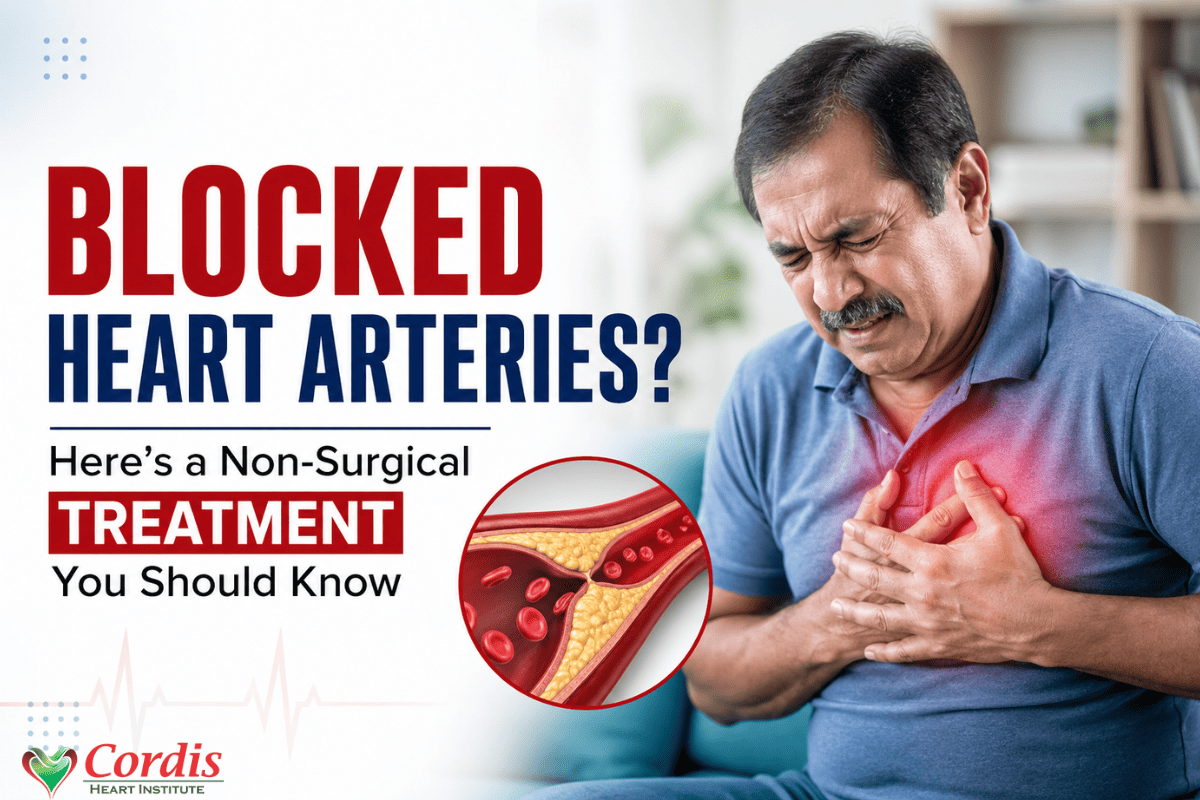
Blocked arteries are medically known as Coronary Artery Disease. This happens when fatty deposits (plaque) build up inside the coronary arteries, reducing blood flow to the heart.
Over time, this restriction can become severe and increase the risk of heart attack.
How Blockages Progress
- Mild blockage (30–40%): Often no symptoms
- Moderate blockage (50–70%): Symptoms start appearing
- Severe blockage (70%+): High risk, urgent attention needed
Common Symptoms of Heart Artery Blockage
- Chest pain (angina)
- Shortness of breath
- Fatigue or weakness
- Pain in arms, neck, or jaw
- Silent symptoms (especially in diabetics)
Pro tip: Many Indian patients dismiss early symptoms as “gas” or fatigue. That delay can be risky.
Causes and Risk Factors of Heart Blockage
Understanding the root causes helps in both prevention and treatment.
Lifestyle Factors
- Smoking
- High-fat, processed diet
- Lack of physical activity
- Chronic stress
Medical Conditions
- Diabetes
- High blood pressure
- High cholesterol
Genetic Influence
If heart disease runs in your family, your risk increases even with a healthy lifestyle.
Traditional Treatments: Surgery vs Non-Surgical Options
When blockages are detected, most patients are advised one of these:
- Angioplasty
A minimally invasive procedure where a stent is inserted to open blocked arteries.
- Bypass Surgery
A major surgery where blood flow is rerouted using a graft.
Limitations Patients Face
- Hospitalization and recovery time
- Risk of complications
- High cost
- Not suitable for every patient
Why Many Patients Look for Alternatives
- Fear of surgery
- Want to avoid long recovery
- Looking for safer options
This is where non-surgical treatments come into the picture.
What Is EECP Treatment?
One of the most talked-about alternatives is
Enhanced External Counterpulsation
It is a completely non-invasive treatment designed to improve blood flow to the heart.
How EECP Works
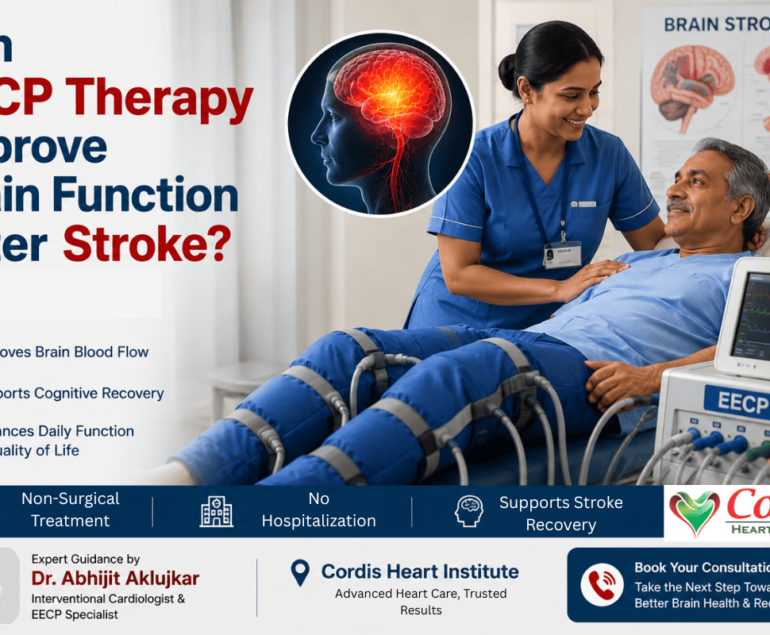
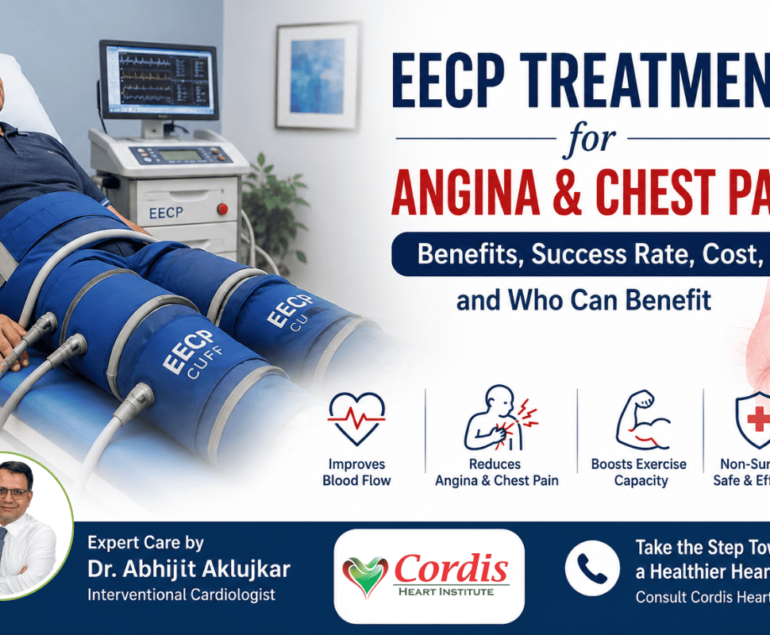
- Special cuffs are wrapped around your legs
- These cuffs inflate and deflate in sync with your heartbeat
- This process increases blood flow to the heart
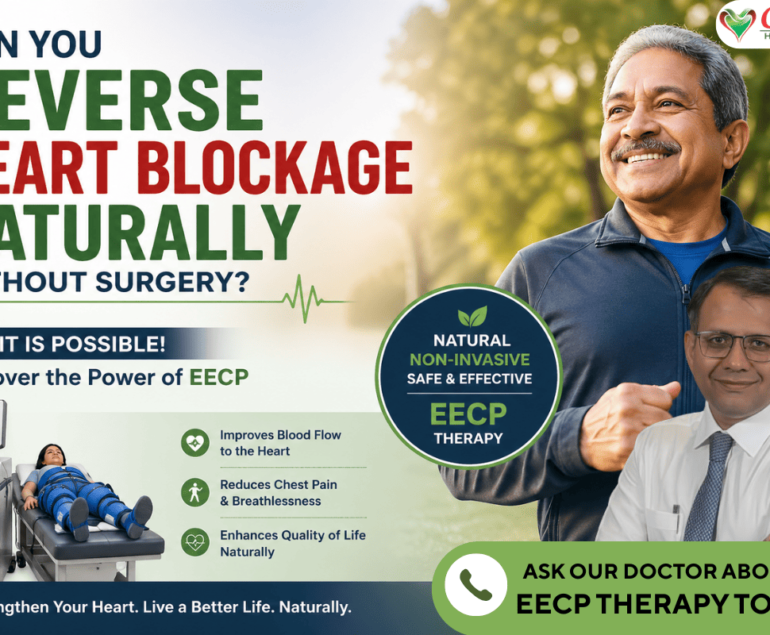
- Over time, it helps create natural bypass pathways
Think of it as helping your body build its own alternate routes for blood flow.
Benefits of EECP Treatment (Non-Surgical Treatment for Blocked Arteries)
Here’s why many patients prefer EECP:
- No surgery, no cuts, no anesthesia
- No hospital stay required
- Improves blood circulation naturally
- Reduces chest pain (angina)
- Boosts energy levels
- Helps improve overall quality of life
Many patients report feeling better within a few sessions, especially those with chronic symptoms.
Who Is the Right Candidate for EECP?
EECP is not for everyone, but it’s highly effective for the right patients.
Ideal Candidates
- Patients with chronic angina
- People not fit for surgery
- Patients with multiple blockages
- Those still experiencing symptoms after angioplasty
Who Should Avoid EECP
- Severe valve disease
- Certain heart rhythm disorders
- Advanced heart failure (in some cases)
A proper evaluation by a cardiologist like Dr Abhijit Aklujkar is essential before starting.
EECP vs Angioplasty vs Bypass Surgery
Factor | EECP | Angioplasty | Bypass Surgery |
Invasiveness | Non-invasive | Minimally invasive | Major surgery |
Recovery | Immediate | Few days | Weeks |
Risk | Very low | Moderate | Higher |
Cost | Lower | Moderate | High |
If you’re specifically searching for:
- EECP vs angioplasty
- bypass surgery alternatives
This comparison gives you a clear starting point.
EECP Treatment at Cordis Heart Institute
At Cordis Heart Institute, EECP therapy is performed using advanced technology with a strong focus on patient comfort.
Why Patients Choose Cordis
- Led by experienced cardiologist Dr Abhijit Aklujkar
- Personalized treatment plans
- Close monitoring during sessions
- Patient-first approach
Many patients who were advised surgery have successfully improved their condition with EECP here.
Lifestyle Changes to Support Heart Health
Treatment alone isn’t enough. Long-term results depend on lifestyle.
Simple Changes That Make a Big Difference
- Switch to a low-fat, high-fiber diet
- Walk at least 30 minutes daily
- Manage stress through meditation or yoga
- Regular heart checkups
Combine these habits with treatment for better outcomes.
FAQs: Blocked Arteries Treatment Without Surgery
1. Can blocked arteries be treated without surgery?
Yes, in many cases, EECP is an effective non-surgical treatment option.
2. How effective is EECP treatment?
It improves blood flow, reduces symptoms, and enhances daily activity levels.
3. Is EECP safe?
Yes, it is widely used and considered safe. It is also supported by organizations like American Heart Association.
4. How long does EECP treatment take?
Typically, 35 sessions over 6–7 weeks.
5. What is the cost of EECP treatment in India?
It is generally more affordable than angioplasty or bypass surgery.
Conclusion: You Have More Options Than You Think
Blocked heart arteries don’t always mean surgery.
With treatments like EECP, many patients are finding relief without going through invasive procedures. The key is early diagnosis and choosing the right treatment based on your condition.
If you or a loved one is dealing with heart blockage symptoms, don’t wait.
Consult Dr Abhijit Aklujkar at Cordis Heart Institute to explore whether a non-surgical treatment is right for you.