Heart disease is one of the leading causes of death worldwide, and heart blockage is among the most common cardiac conditions affecting adults. Many people ignore early warning signs such as chest discomfort, breathlessness, or unusual fatigue, assuming they are temporary. Unfortunately, delaying medical attention can increase the risk of a heart attack and other serious complications.
If you are looking for the best cardiologist in Mumbai for heart blockage treatment, choosing the right specialist is one of the most important decisions you can make. An experienced cardiologist can accurately diagnose the condition, recommend the most suitable treatment, and help you protect your heart health for years to come.
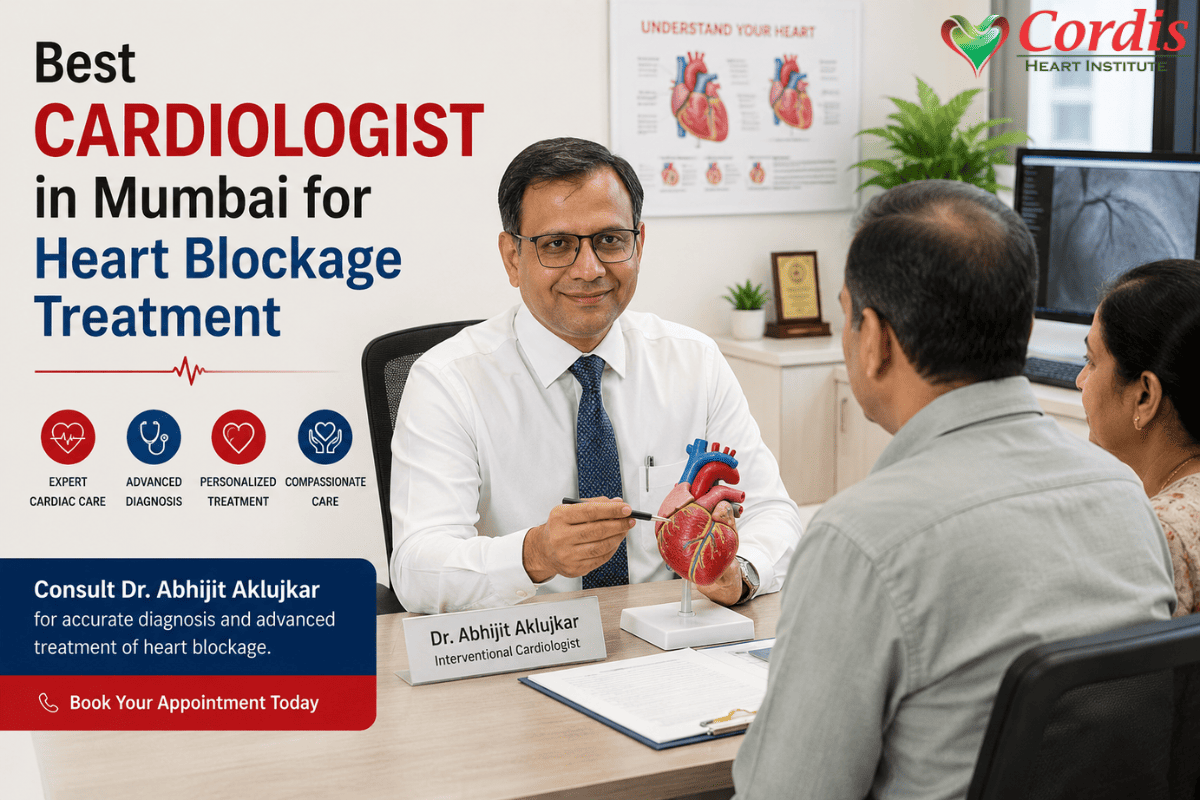
At Cordis Heart Institute, patients receive advanced cardiac care under the guidance of Dr Abhijit Aklujkar, an experienced cardiologist dedicated to providing personalized treatment for heart-related conditions. From preventive heart checkups to advanced procedures like angiography and angioplasty, every treatment plan is tailored to the patient’s individual needs.
In this guide, you’ll learn everything you need to know about heart blockage, including its symptoms, causes, risk factors, diagnosis, treatment options, and why timely consultation with a qualified cardiologist can make a real difference.
What Is Heart Blockage?
Heart blockage, also known as coronary artery disease (CAD), occurs when the arteries that supply oxygen-rich blood to the heart become narrowed or blocked. This usually happens because of fatty deposits, known as plaque, building up inside the arteries over many years.
As these deposits grow, blood flow to the heart muscle becomes restricted. If the blockage becomes severe or completely stops blood flow, it can lead to a heart attack.
Heart blockage does not always develop suddenly. In many cases, it progresses slowly over several years without causing noticeable symptoms. This is why regular heart checkups are important, especially for people with risk factors such as diabetes, high blood pressure, or high cholesterol.
Understanding Coronary Artery Disease
The coronary arteries carry oxygen and nutrients to the heart muscle. Healthy arteries are smooth and allow blood to flow freely.
Over time, unhealthy lifestyle habits and certain medical conditions can damage the artery walls. Cholesterol, fat, calcium, and inflammatory cells begin to collect inside the arteries, forming plaque. This process is called atherosclerosis.
As plaque grows, the arteries become narrower, reducing blood flow. During physical activity or emotional stress, the heart requires more oxygen. If the narrowed arteries cannot supply enough blood, symptoms such as chest pain may occur.
Without treatment, plaque can rupture and form a blood clot that completely blocks the artery, causing a heart attack.
How Heart Blockages Develop
Heart blockage usually develops because of a combination of lifestyle choices, medical conditions, and genetics.
Common contributing factors include:
- High cholesterol levels
- High blood pressure
- Diabetes
- Smoking
- Obesity
- Physical inactivity
- Unhealthy diet
- Chronic stress
- Family history of heart disease
- Increasing age
Although age increases the risk, younger adults can also develop heart blockage, particularly if they have multiple risk factors.
Types of Heart Blockages
Heart blockages vary in severity.
Mild Blockage
A mild blockage generally narrows the artery by less than 50%. Patients may not experience symptoms, but lifestyle changes and medications are often recommended to prevent progression.
Moderate Blockage
A blockage between 50% and 70% may begin causing symptoms during exercise or physical exertion.
Severe Blockage
When more than 70% of an artery is blocked, blood flow becomes significantly restricted. Patients often experience chest pain, breathlessness, and reduced exercise tolerance. Medical procedures such as angioplasty may be necessary.
Complete Blockage
A completely blocked artery is a medical emergency. Immediate treatment is required to restore blood flow and minimize heart muscle damage.
Why Early Detection Is Important
Many people wait until they experience severe chest pain before visiting a cardiologist. However, heart blockage often develops silently.
Early diagnosis offers several advantages:
- Prevents heart attacks
- Reduces complications
- Allows treatment before the blockage worsens
- Improves long-term heart function
- May reduce the need for emergency procedures
Routine heart evaluations are especially important for people over 40 or those with diabetes, hypertension, or a family history of heart disease.
Common Symptoms of Heart Blockage
The symptoms of heart blockage can differ from person to person. Some individuals experience obvious warning signs, while others have very few or no symptoms until a serious event occurs.
Knowing these symptoms can help you seek timely medical attention.
Chest Pain (Angina)
Chest pain is one of the most common symptoms of heart blockage.
Patients often describe it as:
- Pressure in the chest
- Tightness
- Heaviness
- Burning sensation
- Squeezing pain
The discomfort may occur during physical activity, emotional stress, or after eating a heavy meal. It usually improves with rest, but persistent or severe chest pain requires immediate medical evaluation.
Shortness of Breath
When the heart cannot pump enough oxygen-rich blood efficiently, patients may experience breathlessness.
This symptom may occur:
- While climbing stairs
- During exercise
- While walking
- Even during routine daily activities
Some people also experience shortness of breath while lying flat or during sleep.
Fatigue During Physical Activity
Feeling unusually tired after performing simple tasks can be an early warning sign of reduced blood flow to the heart.
You may notice fatigue while:
- Walking short distances
- Climbing stairs
- Carrying groceries
- Performing household work
Persistent tiredness should never be ignored, especially if accompanied by other symptoms.
Pain in the Arm, Jaw, Neck, or Back
Heart-related pain does not always stay in the chest.
It may spread to:
- Left arm
- Right arm
- Neck
- Jaw
- Shoulder
- Upper back
This type of pain is more common during a heart attack but may also occur in patients with significant coronary artery disease.
Silent Heart Blockage Without Symptoms
Not every patient experiences warning signs.
People with diabetes are particularly at risk of silent heart blockage, where reduced blood flow causes little or no noticeable discomfort.
Many cases are discovered only during routine heart checkups or after diagnostic tests performed for another reason.
This is why preventive cardiac screening plays an important role in early detection.
Who Is at Risk of Heart Blockage?
Anyone can develop heart blockage, but certain factors increase the likelihood.
Understanding these risks allows you to take preventive steps before problems develop.
High Blood Pressure
High blood pressure damages the inner lining of arteries over time, making it easier for cholesterol deposits to accumulate.
Keeping blood pressure within a healthy range helps protect your arteries and reduces the risk of heart disease.
Diabetes
Diabetes significantly increases the risk of coronary artery disease.
High blood sugar damages blood vessels and accelerates plaque formation. People with diabetes often develop heart disease earlier than those without diabetes.
Regular monitoring of blood sugar and heart health is essential.
High Cholesterol
High levels of LDL (“bad”) cholesterol contribute to plaque formation inside the arteries.
Lowering cholesterol through diet, exercise, and medication when needed can reduce the progression of heart blockage.
Smoking
Smoking damages blood vessels, reduces oxygen levels in the blood, increases blood pressure, and promotes clot formation.
Quitting smoking is one of the most effective ways to lower your risk of heart disease.
Obesity
Excess body weight places additional strain on the heart and increases the likelihood of developing:
- Diabetes
- High blood pressure
- High cholesterol
Maintaining a healthy weight supports better heart health and reduces cardiovascular risk.
Family History of Heart Disease
If close family members developed heart disease at a younger age, your own risk may be higher.
Although genetics cannot be changed, healthy lifestyle choices and regular medical checkups can help reduce overall risk.
Sedentary Lifestyle
Lack of physical activity weakens the cardiovascular system and contributes to obesity, diabetes, and high blood pressure.
Experts generally recommend at least 150 minutes of moderate exercise each week, unless otherwise advised by your doctor.
Why Choose Dr Abhijit Aklujkar for Heart Blockage Treatment in Mumbai?
When it comes to heart care, experience, accurate diagnosis, and personalized treatment matter. Choosing a cardiologist who understands your condition and explains your treatment options clearly can make the journey less stressful and more effective.
Dr Abhijit Aklujkar is known for his patient-focused approach and commitment to delivering high-quality cardiac care. He carefully evaluates every patient’s symptoms, medical history, lifestyle, and diagnostic reports before recommending the most appropriate treatment plan.
Whether a patient requires preventive care, medication, angiography, angioplasty, or long-term heart disease management, treatment decisions are made based on individual needs rather than a one-size-fits-all approach.
Patients also value clear communication, where every diagnosis, test, and treatment option is explained in simple language, helping them make informed decisions about their heart health.
Why Choose Cordis Heart Institute?
Finding the right hospital is just as important as choosing the right cardiologist. Cordis Heart Institute is dedicated to providing advanced cardiac care with modern technology and a patient-first approach.
The hospital offers a wide range of services, from preventive heart checkups to advanced diagnostic procedures and interventional cardiology treatments, all under one roof.
Advanced Cardiac Diagnostics
Accurate diagnosis is the foundation of effective treatment. The institute is equipped with modern diagnostic facilities to detect heart conditions at an early stage.
Personalized Treatment Plans
Every patient has different health needs. Treatment plans are developed after a thorough evaluation, considering age, medical history, symptoms, lifestyle, and overall health.
Experienced Cardiology Team
Patients benefit from coordinated care provided by experienced cardiologists, nursing staff, and healthcare professionals focused on achieving the best possible outcomes.
Focus on Patient Comfort
From consultation to recovery, every effort is made to ensure a comfortable and supportive experience for patients and their families.
Commitment to Preventive Heart Care
In addition to treating heart disease, Cordis Heart Institute places strong emphasis on prevention through regular health screenings, risk assessment, lifestyle counseling, and patient education.
Taking preventive steps today can help reduce the chances of serious heart problems in the future.
Diagnosis of Heart Blockage
A proper diagnosis is the first step toward effective treatment. Many heart conditions share similar symptoms, so your cardiologist will recommend specific tests to identify the location and severity of the blockage.
At Cordis Heart Institute, Dr Abhijit Aklujkar uses a combination of clinical evaluation and advanced diagnostic technology to provide an accurate diagnosis before recommending any treatment.
Medical History and Physical Examination
During your first consultation, your cardiologist will ask about:
- Chest pain or discomfort
- Shortness of breath
- Fatigue
- Existing medical conditions such as diabetes or high blood pressure
- Family history of heart disease
- Smoking or alcohol use
- Current medications
A physical examination, including blood pressure, heart rate, and heart sounds, helps assess your overall cardiovascular health.
Electrocardiogram (ECG)
An ECG records the electrical activity of your heart.
This simple, painless test helps detect:
- Irregular heart rhythms
- Signs of a previous heart attack
- Reduced blood flow to the heart
- Other cardiac abnormalities
The test takes only a few minutes and is often the first investigation performed.
2D Echocardiography (2D Echo)
A 2D Echo uses ultrasound waves to create moving images of the heart.
It helps evaluate:
- Heart muscle function
- Heart valve abnormalities
- Pumping efficiency
- Structural defects
- Areas damaged by previous heart attacks
Unlike X-rays, it does not involve radiation and is completely non-invasive.
Treadmill Test (TMT)
A Treadmill Test, also called a stress test, evaluates how your heart performs during physical activity.
While walking on a treadmill, your heart rate, blood pressure, and ECG are monitored.
This test helps identify reduced blood flow that may not be visible while you’re at rest.
CT Coronary Angiography
CT Coronary Angiography is a non-invasive imaging test that provides detailed pictures of the coronary arteries.
It is useful for:
- Detecting plaque buildup
- Identifying narrowed arteries
- Assessing patients with chest pain
- Evaluating the risk of coronary artery disease
For selected patients, this test may reduce the need for invasive procedures.
Coronary Angiography
Coronary angiography remains the gold standard for diagnosing heart blockage.
During the procedure:
- A thin catheter is inserted through the wrist or groin.
- Contrast dye is injected into the coronary arteries.
- Real-time X-ray images reveal the exact location and severity of blockages.
The procedure helps your cardiologist decide whether medications, angioplasty, or bypass surgery is the best treatment option.
Blood Tests
Blood tests provide valuable information about your overall heart health.
They may include:
- Cholesterol profile
- Blood sugar levels
- Kidney function
- Liver function
- Cardiac biomarkers
- Thyroid profile (if needed)
These tests help identify risk factors and guide treatment planning.
Heart Blockage Treatment Options
Treatment depends on several factors, including:
- Severity of the blockage
- Number of affected arteries
- Symptoms
- Overall heart function
- Age
- Other medical conditions
No single treatment is suitable for every patient. After reviewing your reports, Dr Abhijit Aklujkar recommends the most appropriate treatment plan based on your condition.
Lifestyle Changes
Lifestyle modification is often the first recommendation for patients with mild to moderate heart blockage.
Healthy habits can slow disease progression and reduce the risk of future complications.
These include:
- Eating a balanced diet rich in fruits and vegetables
- Choosing whole grains over refined carbohydrates
- Limiting saturated fats and processed foods
- Exercising regularly
- Maintaining a healthy weight
- Managing stress
- Sleeping 7 to 8 hours each night
- Avoiding tobacco in all forms
Small, consistent changes can have a lasting impact on heart health.
Medications
Medications help manage symptoms and reduce the risk of heart attacks.
Depending on your condition, your doctor may prescribe medicines to:
- Lower cholesterol
- Control blood pressure
- Prevent blood clot formation
- Reduce chest pain
- Manage diabetes
- Improve heart function
It is important to take medications exactly as prescribed and attend regular follow-up appointments.
Angioplasty and Stent Placement
When an artery is significantly narrowed, angioplasty may be recommended.
During the procedure:
- A thin catheter is inserted into an artery.
- A small balloon is inflated to widen the narrowed section.
- A stent is placed to keep the artery open.
Benefits of angioplasty include:
- Improved blood flow
- Relief from chest pain
- Reduced risk of heart attack
- Faster recovery compared to open-heart surgery
- Shorter hospital stay
Many patients return to their daily routine within a few days, depending on their overall health.
Coronary Artery Bypass Grafting (CABG)
CABG, commonly called bypass surgery, may be recommended when:
- Multiple arteries are severely blocked.
- The left main coronary artery is affected.
- Angioplasty is not suitable.
- Diabetes is associated with complex blockages.
During surgery, healthy blood vessels from another part of the body are used to create a new pathway around the blocked artery.
Although recovery takes longer than angioplasty, CABG offers excellent long-term outcomes for appropriately selected patients.
When Is Surgery Necessary?
Not every patient with heart blockage requires surgery.
Your cardiologist considers:
- Severity of the blockage
- Number of affected arteries
- Symptoms
- Heart pumping function
- Overall health
- Response to medications
The goal is always to recommend the safest and most effective treatment rather than the most invasive one.
Which Treatment Is Right for You?
Every patient is unique.
Some individuals achieve excellent results with medications and lifestyle changes, while others benefit from angioplasty or bypass surgery.
The right treatment can only be determined after a detailed clinical evaluation and appropriate diagnostic testing.
Can Heart Blockage Be Treated Without Surgery?
One of the most common questions patients ask is whether surgery can be avoided.
The answer depends on the severity and location of the blockage.
For mild or moderate coronary artery disease, non-surgical treatment may successfully manage the condition.
Lifestyle Modification
Healthy lifestyle changes remain the foundation of heart disease management.
Patients are encouraged to:
- Follow a heart-friendly diet
- Stay physically active
- Maintain healthy blood sugar levels
- Reduce salt intake
- Manage cholesterol
- Quit smoking
- Reduce stress
These habits support both treatment and long-term prevention.
Medicines for Mild Blockages
Many patients with early-stage coronary artery disease respond well to medications.
Medicines can:
- Improve blood flow
- Lower cholesterol
- Prevent blood clots
- Reduce chest discomfort
- Lower blood pressure
However, medications cannot remove existing plaque completely. Their primary role is to prevent further progression and reduce the risk of complications.
Regular Heart Monitoring
Patients receiving non-surgical treatment require periodic follow-up.
Monitoring may include:
- ECG
- Blood pressure checks
- Cholesterol testing
- Diabetes management
- Repeat imaging when necessary
Regular evaluations allow treatment to be adjusted if the condition changes.
When Non-Surgical Treatment May Not Be Enough
If symptoms continue despite medication or diagnostic tests reveal severe narrowing, procedures such as angioplasty or bypass surgery may be necessary.
Delaying treatment in these situations may increase the risk of heart attack or permanent heart damage.
How to Prevent Heart Blockage
While not every case can be prevented, healthy lifestyle choices significantly lower the risk.
Eat a Heart-Healthy Diet
Choose foods rich in:
- Fresh vegetables
- Fruits
- Whole grains
- Lean protein
- Fish
- Nuts
- Healthy fats
Reduce:
- Fried foods
- Sugary drinks
- Processed snacks
- Excess salt
- Foods high in saturated and trans fats
Exercise Regularly
Aim for at least 150 minutes of moderate physical activity each week, unless advised otherwise by your cardiologist.
Walking, cycling, swimming, and yoga are excellent choices for most adults.
Maintain a Healthy Weight
Healthy weight management reduces strain on the heart and lowers the risk of diabetes, hypertension, and high cholesterol.
Even modest weight loss can improve cardiovascular health.
Control Blood Pressure
High blood pressure often has no symptoms.
Regular monitoring, medication (when needed), and healthy lifestyle habits help protect your arteries from long-term damage.
Manage Diabetes
Keeping blood sugar under control reduces damage to blood vessels and lowers the likelihood of coronary artery disease.
Regular HbA1c testing and routine medical follow-up are essential.
Stop Smoking
Smoking remains one of the strongest risk factors for heart disease.
The benefits of quitting begin almost immediately, and your cardiovascular risk continues to decline over time.
Schedule Regular Heart Checkups
Preventive screening helps identify risk factors before symptoms appear.
Adults over 40, or younger individuals with diabetes, hypertension, obesity, or a family history of heart disease, should consider regular cardiac evaluations.
When Should You See a Cardiologist?
Many people wait until symptoms become severe before seeking medical advice. Early consultation often leads to better outcomes.
You should consult a cardiologist if you experience:
- Chest pain or pressure
- Shortness of breath during routine activities
- Unexplained fatigue
- Dizziness or fainting
- Irregular heartbeat
- Swelling in the legs
- High blood pressure that remains uncontrolled
- Diabetes with additional cardiac risk factors
- Abnormal ECG findings
- A strong family history of heart disease
Prompt evaluation can help detect heart problems before they become emergencies.
What to Expect During Your First Visit
Visiting a cardiologist for the first time can feel overwhelming, but knowing what to expect can make the experience easier.
Your consultation with Dr Abhijit Aklujkar typically includes:
Medical History Review
A discussion about your symptoms, lifestyle, medications, and family history.
Physical Examination
Assessment of blood pressure, heart rate, weight, oxygen levels, and overall cardiovascular health.
Diagnostic Tests
Based on your symptoms, tests such as ECG, Echo, TMT, or blood investigations may be recommended.
Personalized Treatment Plan
After reviewing all findings, a treatment plan is created to suit your specific condition, whether it involves preventive care, medication, or an interventional procedure.
Why Early Treatment Improves Outcomes
Heart blockage often develops gradually, giving doctors an opportunity to intervene before serious complications occur.
Seeking treatment early offers several benefits:
Reduced Risk of Heart Attack
Treating blocked arteries before complete obstruction lowers the likelihood of a heart attack.
Better Quality of Life
Effective treatment can reduce chest pain, improve breathing, and increase energy levels, allowing patients to return to their daily activities with greater confidence.
Faster Recovery
Early diagnosis often means treatment can begin before extensive damage occurs, leading to smoother recovery and improved heart function.
Lower Risk of Future Complications
Managing heart blockage with timely treatment, lifestyle changes, and regular follow-up reduces the chances of recurrent cardiac events, heart failure, and other long-term complications.
Taking action early is one of the most important steps you can take to protect your heart and enjoy a healthier future.
Frequently Asked Questions (FAQs)
Is heart blockage always dangerous?
Not every heart blockage is immediately life-threatening, but every blockage should be evaluated by a qualified cardiologist. Small blockages may be managed with lifestyle changes and medications, while severe blockages can increase the risk of a heart attack. Early diagnosis and regular follow-up help prevent complications.
What percentage of heart blockage requires angioplasty?
The decision to perform angioplasty depends on more than just the percentage of blockage. Factors such as symptoms, blood flow, the number of affected arteries, and the patient’s overall health are equally important. Your cardiologist will recommend the most appropriate treatment after reviewing your diagnostic tests.
Can medicines remove heart blockage?
Medications cannot completely remove existing plaque from the arteries. However, they can help prevent the blockage from worsening, lower cholesterol, reduce blood clot formation, control blood pressure, and decrease the risk of heart attacks. Combined with a healthy lifestyle, medicines play an important role in long-term heart care.
What are the first signs of heart blockage?
Early symptoms may include:
- Chest pain or pressure
- Shortness of breath
- Fatigue during physical activity
- Pain that spreads to the arm, shoulder, neck, jaw, or back
- Dizziness or lightheadedness
Some people, especially those with diabetes, may not experience obvious symptoms. Regular heart checkups are important if you have risk factors.
Can young adults develop heart blockage?
Yes. Although heart blockage is more common in older adults, younger people can also develop coronary artery disease. Smoking, diabetes, obesity, high cholesterol, high blood pressure, family history, and an unhealthy lifestyle can increase the risk at a younger age.
How long does angioplasty take?
Most angioplasty procedures take between 30 minutes and 2 hours, depending on the number and complexity of the blockages. Many patients are discharged within a day or two, although recovery time varies based on individual health conditions.
Is angiography painful?
Coronary angiography is generally not painful. A local anesthetic is used to numb the area where the catheter is inserted. Patients may feel slight pressure during the procedure, but significant pain is uncommon.
Can heart blockage return after treatment?
Yes. Even after successful treatment, new blockages can develop if risk factors are not managed. Following your doctor’s advice, taking prescribed medications, maintaining a healthy lifestyle, and attending regular follow-up visits can help reduce the risk.
Which doctor should I consult for chest pain?
If you experience persistent chest pain, chest pressure, or unexplained shortness of breath, you should consult a cardiologist as soon as possible. If the chest pain is severe, sudden, or accompanied by sweating, nausea, or pain radiating to the arm or jaw, seek emergency medical care immediately.
Who is the best cardiologist in Mumbai for heart blockage treatment?
Choosing the best cardiologist depends on experience, patient care, accurate diagnosis, and access to advanced treatment options. Dr Abhijit Aklujkar at Cordis Heart Institute provides personalized evaluation and evidence-based treatment for patients with coronary artery disease and other heart conditions.
Conclusion
Heart blockage is a serious condition, but with timely diagnosis and the right treatment, many patients can continue to lead healthy and active lives. Ignoring symptoms such as chest pain, breathlessness, or unusual fatigue can delay treatment and increase the risk of complications.
Understanding the warning signs, knowing your risk factors, and scheduling regular heart checkups are essential steps in protecting your heart health.
At Cordis Heart Institute, patients receive advanced cardiac care supported by modern diagnostic technology and personalized treatment plans. Whether you need preventive screening, medication, angiography, angioplasty, or long-term heart care, Dr Abhijit Aklujkar is committed to helping patients make informed decisions and achieve the best possible outcomes.
If you or a loved one has symptoms of heart blockage or has been diagnosed with coronary artery disease, don’t wait. Early medical attention can make a significant difference in treatment success and long-term heart health.
Book Your Consultation Today
Looking for the Best Cardiologist in Mumbai for Heart Blockage Treatment?
Don’t ignore warning signs such as chest pain, breathlessness, irregular heartbeat, or fatigue. Early diagnosis can help prevent serious heart complications and improve your quality of life.
Consult Dr Abhijit Aklujkar at Cordis Heart Institute for expert evaluation, advanced diagnostic services, and personalized heart blockage treatment.