Heart blockage is one of the leading causes of heart attacks and other serious cardiovascular conditions. Hearing the words “heart blockage” often makes people think of angioplasty or bypass surgery. While these procedures save lives and remain the best option for many patients, they are not the only treatment available.
In certain cases, heart blockage treatment without surgery is possible. The right approach depends on several factors, including the severity of the blockage, the patient’s symptoms, overall heart function, and existing medical conditions. Some patients can successfully manage their condition with medications, lifestyle changes, and advanced non-surgical therapies under the supervision of a heart specialist.
At Cordis Heart Institute, Dr. Abhijit Aklujkar believes that every patient deserves a personalized treatment plan. Rather than recommending one solution for everyone, a detailed evaluation is performed to determine the safest and most effective treatment option.
If you’ve recently been diagnosed with heart blockage or are wondering whether surgery is your only choice, this guide will help you understand your options and when non-surgical treatment may be appropriate.
What Is Heart Blockage?
Heart blockage, also known as coronary artery disease (CAD), occurs when the arteries that supply oxygen-rich blood to the heart muscle become narrow or blocked. This usually happens because fatty deposits called plaque build up inside the artery walls over time.
As the arteries become narrower, the heart receives less oxygen, especially during physical activity or emotional stress. If a blockage becomes severe or completely blocks blood flow, it can result in a heart attack.
Heart blockage doesn’t develop overnight. It is often a slow process that may take years or even decades before symptoms become noticeable. That’s why regular heart check-ups are important, especially for people with known risk factors.
How Does Heart Blockage Develop?
The process usually begins with damage to the inner lining of the coronary arteries. This damage allows cholesterol, fats, calcium, and other substances in the blood to collect along the artery walls.
Over time, these deposits form plaque. As plaque grows, the artery becomes narrower, making it harder for blood to flow freely to the heart.
Here’s how the process typically progresses:
Damage to the Artery Wall
The inner lining of the artery may become damaged due to:
- High blood pressure
- Smoking
- High cholesterol
- Diabetes
- Chronic inflammation
Plaque Formation
After the artery is damaged, cholesterol and fatty substances begin to collect. The body responds by sending inflammatory cells, which contribute to plaque growth.
Narrowing of the Arteries
As plaque becomes larger, blood flow decreases. The heart has to work harder to receive enough oxygen.
Reduced Oxygen Supply
When the heart muscle doesn’t receive enough oxygen, patients may experience symptoms such as chest discomfort, breathlessness, or fatigue.
Complete Blockage
If the plaque ruptures, a blood clot can form quickly and completely block the artery. This can lead to a heart attack and requires immediate medical attention.
Common Causes of Heart Blockage
Although aging increases the risk of heart disease, heart blockage can affect adults of all ages, particularly those with unhealthy lifestyle habits or underlying medical conditions.
The most common causes include:
High Cholesterol
High levels of LDL (“bad”) cholesterol contribute to plaque formation inside the arteries. Over time, these deposits narrow blood vessels and reduce blood flow.
Maintaining healthy cholesterol levels through diet, exercise, and medication, when needed, can significantly lower the risk.
High Blood Pressure
High blood pressure places extra stress on artery walls. Continuous pressure can damage the lining of blood vessels, making plaque buildup more likely.
Many people have high blood pressure without symptoms, which is why routine monitoring is essential.
Diabetes
People with diabetes are more likely to develop coronary artery disease because high blood sugar damages blood vessels over time.
Managing blood sugar effectively is one of the most important steps in protecting heart health.
Smoking
Smoking damages blood vessels, reduces oxygen levels in the blood, increases blood pressure, and promotes plaque formation.
Even passive smoking can increase the risk of heart disease.
The good news is that quitting smoking begins to improve heart health almost immediately, with benefits continuing over time.
Being overweight places additional strain on the heart and increases the risk of:
- High blood pressure
- Diabetes
- High cholesterol
- Sleep apnea
Even modest weight loss can improve heart health and reduce cardiovascular risk.
Physical Inactivity
A sedentary lifestyle contributes to poor circulation, weight gain, and reduced cardiovascular fitness.
Regular physical activity helps:
- Improve blood circulation
- Control blood pressure
- Lower cholesterol
- Maintain a healthy weight
Aim for at least 150 minutes of moderate exercise each week, or follow your cardiologist’s recommendations if you already have heart disease.
Unhealthy Diet
A diet high in:
- Processed foods
- Sugary beverages
- Saturated fats
- Trans fats
- Excess salt
can accelerate plaque buildup inside arteries.
Replacing these foods with fruits, vegetables, whole grains, lean protein, and healthy fats supports long-term heart health.
Family History
Genetics also play a role.
If your parents or close relatives developed heart disease at an early age, your own risk may be higher.
Although you cannot change your family history, you can reduce your overall risk by adopting healthy lifestyle habits and undergoing regular health screenings.
Chronic Stress
Long-term stress affects the body in several ways. It can increase blood pressure, encourage unhealthy eating habits, disrupt sleep, and contribute to smoking or alcohol use.
Learning healthy ways to manage stress, such as meditation, yoga, walking, or spending time with loved ones, supports both heart health and overall well-being.
What Are the Symptoms of Heart Blockage?
One of the biggest challenges with heart blockage is that many people have no symptoms until the disease has already progressed.
Others may experience mild symptoms that are easy to dismiss as indigestion, muscle pain, or simple fatigue.
Recognizing the warning signs early can help prevent serious complications.
Early Warning Signs of Heart Blockage
Chest Pain or Pressure
Chest pain, also called angina, is one of the most common symptoms.
People often describe it as:
- Tightness in the chest
- Pressure
- Burning sensation
- Heaviness
- Squeezing pain
The discomfort may occur during physical activity, climbing stairs, emotional stress, or after heavy meals and usually improves with rest.
Shortness of Breath
When the heart cannot pump blood efficiently, you may feel breathless even during routine activities like walking or climbing stairs.
Some people notice this symptom long before they develop chest pain.
Unusual Fatigue
Feeling unusually tired after performing everyday tasks may be an early sign that your heart is not receiving enough oxygen-rich blood.
This symptom is particularly common in older adults and women.
Dizziness or Lightheadedness
Reduced blood flow can sometimes cause dizziness or a feeling that you may faint.
Although dizziness has many possible causes, repeated episodes should never be ignored, especially if accompanied by chest discomfort or breathlessness.
Pain That Spreads Beyond the Chest
Heart-related pain may travel to:
- Left arm
- Right arm
- Shoulder
- Neck
- Jaw
- Upper back
Some people experience these symptoms without noticeable chest pain.
Reduced Exercise Tolerance
If you become tired more quickly than usual or struggle to complete activities that were previously easy, it may indicate reduced blood flow to the heart.
This change often develops gradually and is easy to overlook.
Can Heart Blockage Be Treated Without Surgery?
The answer is yes, but not for everyone.
One of the biggest misconceptions about heart disease is that every blockage requires angioplasty or bypass surgery. In reality, the best treatment depends on several factors, including the severity of the blockage, your symptoms, heart function, and overall health.
Some patients with mild to moderate coronary artery disease can manage their condition with medications, lifestyle changes, and non-surgical therapies. Others with severe or life-threatening blockages may still require angioplasty or bypass surgery to restore blood flow safely.
This is why an accurate diagnosis is the first and most important step.
At Cordis Heart Institute, Dr. Abhijit Aklujkar carefully evaluates every patient using advanced cardiac investigations before recommending a treatment plan. The goal is to choose the option that offers the best long-term outcome while avoiding unnecessary procedures whenever possible.
Factors That Decide Whether Surgery Can Be Avoided
Several clinical factors help determine whether heart blockage treatment without surgery is suitable.
Percentage of Blockage
Not every blockage has the same impact.
For example, a person with a 40% blockage and no symptoms may only require medications and lifestyle changes. On the other hand, someone with multiple arteries narrowed by more than 70% may need an invasive procedure.
The location of the blockage is often just as important as the percentage.
Symptoms
Patients who experience frequent chest pain, shortness of breath, or reduced exercise capacity despite taking medications may require more advanced treatment.
If symptoms are mild and well controlled, non-surgical management may be appropriate.
Heart Function
Doctors also evaluate how well the heart pumps blood. This is commonly measured using the ejection fraction (EF) during an echocardiogram.
Patients with preserved heart function often have more treatment options than those with significant heart muscle damage.
Number of Blocked Arteries
A single narrowed artery is managed differently from disease affecting two or three major coronary arteries.
Multiple severe blockages may require angioplasty or bypass surgery.
Other Medical Conditions
Your overall health also influences treatment decisions.
Conditions such as:
- Diabetes
- Kidney disease
- Lung disease
- Advanced age
- Previous heart attack
may affect which treatment option is safest.
Rather than focusing on one test result, cardiologists consider the complete clinical picture before recommending treatment.
Heart Blockage Treatment Without Surgery: Available Options
If surgery is not immediately necessary, your cardiologist may recommend one or more non-surgical treatments.
These treatments aim to:
- Improve blood flow
- Relieve symptoms
- Prevent heart attacks
- Slow disease progression
- Improve quality of life
Let’s look at the most common options.
Lifestyle Changes
Lifestyle modification is the foundation of every heart blockage treatment plan.
Even if medications or procedures are needed, healthy habits remain essential for protecting the heart.
Follow a Heart-Healthy Diet
Food has a direct impact on cholesterol, blood pressure, blood sugar, and body weight.
A heart-friendly diet should include:
- Fresh fruits
- Green leafy vegetables
- Whole grains
- Lentils and legumes
- Lean protein such as fish and skinless chicken
- Nuts and seeds in moderation
- Healthy fats like olive oil and mustard oil
Try to limit:
- Fried foods
- Processed snacks
- Sugary drinks
- Red meat
- Bakery products
- Foods high in salt
Small, consistent dietary changes are often more sustainable than restrictive diets.
Stay Physically Active
Regular exercise helps:
- Improve blood circulation
- Strengthen the heart muscle
- Lower blood pressure
- Improve cholesterol levels
- Maintain a healthy weight
- Reduce stress
Most adults benefit from at least 150 minutes of moderate exercise each week, provided their cardiologist approves.
Walking is one of the safest and most effective forms of exercise for many heart patients.
Never begin an exercise program without consulting your doctor if you’ve been diagnosed with heart disease.
Maintain a Healthy Weight
Excess body weight forces the heart to work harder.
Losing even 5% to 10% of body weight can improve:
- Blood pressure
- Blood sugar control
- Cholesterol
- Overall cardiovascular health
Healthy weight loss should be gradual and supported by balanced nutrition rather than crash diets.
Quit Smoking
Smoking is one of the strongest risk factors for coronary artery disease.
It damages blood vessels, reduces oxygen delivery, increases blood clot formation, and accelerates plaque buildup.
Quitting smoking lowers the risk of heart attack and stroke, regardless of how long you’ve smoked.
Your doctor can recommend nicotine replacement therapy or medications if needed.
Manage Stress
Chronic stress can contribute to high blood pressure, poor sleep, unhealthy eating habits, and smoking.
Helpful stress-management techniques include:
- Meditation
- Yoga
- Deep breathing exercises
- Regular walks
- Spending time with family
- Listening to music
- Getting enough sleep
Mental well-being is an important part of heart health.
Medications for Heart Blockage
Medicines cannot usually “remove” existing plaque, but they play a vital role in controlling symptoms and reducing future cardiovascular events.
The medications prescribed depend on each patient’s condition.
Common medicines include:
Blood Thinners
These medicines reduce the risk of blood clot formation inside narrowed arteries.
Examples include antiplatelet medications that lower the risk of heart attack.
Cholesterol-Lowering Medicines
Statins help lower LDL (“bad”) cholesterol and stabilize plaque, making it less likely to rupture.
This is one of the most effective ways to reduce future cardiovascular risk.
Blood Pressure Medicines
Controlling blood pressure helps protect artery walls and reduces strain on the heart.
Several classes of medications may be prescribed depending on your medical history.
Medicines for Chest Pain
Patients with angina may receive medications that improve blood flow to the heart and reduce chest discomfort during daily activities.
These medicines often improve quality of life and exercise tolerance.
Diabetes Medications
Good blood sugar control reduces ongoing damage to blood vessels.
Many newer diabetes medications also provide additional heart protection.
Never stop or change prescribed medications without consulting your cardiologist.
EECP Treatment for Heart Blockage
One of the most discussed non-invasive options today is EECP treatment for heart blockage.
EECP stands for Enhanced External Counterpulsation.
It is a non-surgical therapy designed to improve blood circulation in selected patients with coronary artery disease, particularly those with chronic stable angina who continue to have symptoms despite medical treatment or who may not be suitable candidates for invasive procedures.
What Is EECP?
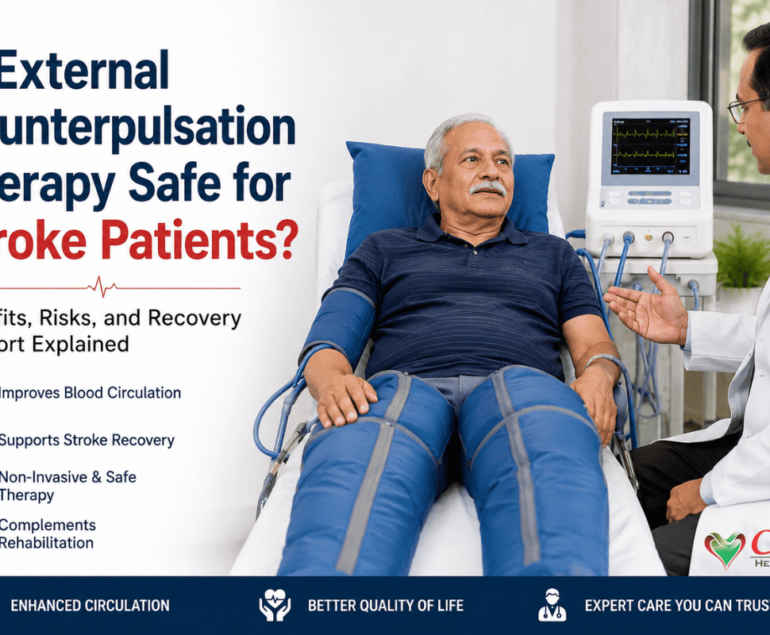
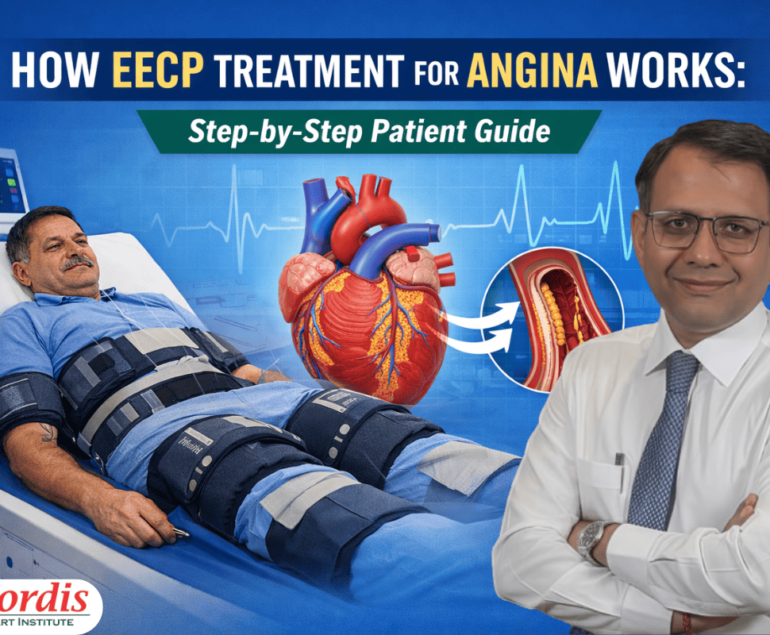
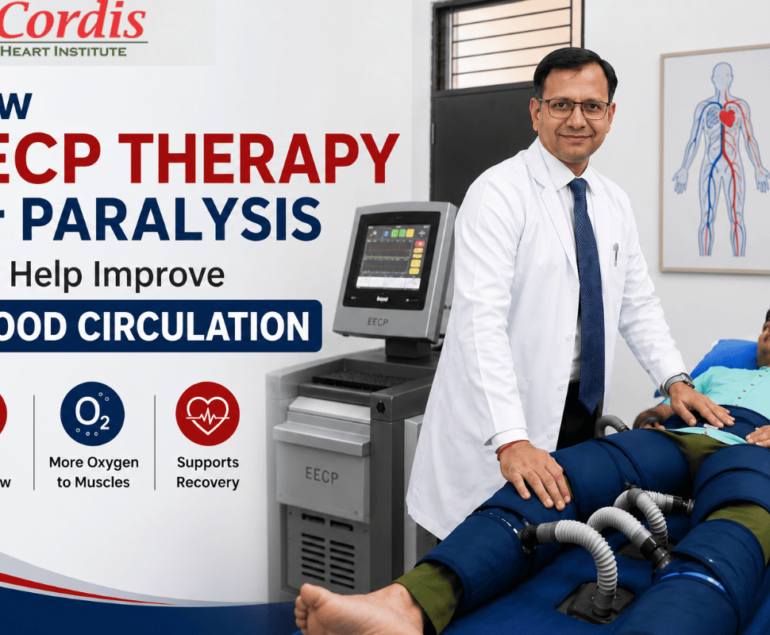
EECP is performed while the patient lies comfortably on a treatment bed.
Special inflatable cuffs are wrapped around the legs and thighs. These cuffs inflate and deflate in a carefully timed sequence that matches the heartbeat using ECG monitoring.
The treatment is painless, requires no anesthesia, and does not involve any surgical incision.
Most patients are awake, relaxed, and able to read or listen to music during the session.
How Does EECP Work?
The timed inflation of the cuffs helps push oxygen-rich blood back toward the heart during the resting phase of the heartbeat.
This may help:
- Improve blood supply to the heart muscle
- Encourage the development of small collateral blood vessels
- Reduce the workload on the heart
- Improve oxygen delivery
- Reduce symptoms of angina in selected patients
It is important to understand that EECP does not remove plaque or clear blocked arteries. Instead, its goal is to improve circulation and relieve symptoms in carefully selected patients.
Who May Benefit from EECP Treatment?
EECP may be considered for patients who have:
- Chronic stable angina
- Persistent chest pain despite medications
- Reduced exercise tolerance
- Coronary artery disease not immediately requiring intervention
- High surgical risk
- Medical conditions that make surgery less suitable
However, EECP is not appropriate for everyone.
People with certain heart rhythm disorders, severe valve disease, uncontrolled high blood pressure, active blood clots, or other medical conditions may not be suitable candidates.
A detailed cardiac evaluation is essential before starting treatment.
How Long Does EECP Treatment Take?
A standard EECP program usually involves:
- One-hour sessions
- Five to six days per week
- Around 35 sessions over seven weeks
The exact duration may vary depending on the patient’s condition and response to treatment.
Some patients notice gradual improvement after several sessions, while others may require the full course before experiencing symptom relief.
Expected Benefits of EECP
For suitable patients, EECP may help:
- Reduce episodes of chest pain
- Improve exercise capacity
- Increase daily activity levels
- Improve quality of life
- Reduce dependence on certain angina medications
The results vary from person to person, and ongoing lifestyle changes and medication remain an important part of long-term care.
At Cordis Heart Institute, Dr. Abhitjit Aklujkar evaluates each patient’s medical history, diagnostic reports, and symptoms before recommending whether EECP, medication, angioplasty, bypass surgery, or another treatment option is the most appropriate.
The goal is always to provide safe, evidence-based care that matches the patient’s individual needs rather than taking a one-size-fits-all approach.
Who Is a Good Candidate for Non-Surgical Heart Blockage Treatment?
Although heart blockage treatment without surgery is possible for many people, it is not the right choice for everyone. The treatment plan should always be based on a detailed medical evaluation rather than the percentage of blockage alone.
At Cordis Heart Institute, Dr. Abhijit Aklujkar considers several factors before recommending a non-surgical approach, including the patient’s symptoms, diagnostic test results, heart function, and overall health.
Here are some situations where non-surgical treatment may be considered.
Patients with Mild to Moderate Coronary Artery Disease
People with mild or moderate narrowing of the coronary arteries often respond well to a combination of:
- Heart-healthy lifestyle changes
- Prescription medications
- Regular follow-up with a cardiologist
- Risk factor management
The goal is to control symptoms, prevent disease progression, and reduce the risk of future heart attacks.
Patients with Chronic Stable Angina
Chronic stable angina refers to chest discomfort that occurs during physical activity or emotional stress and usually improves with rest or medication.
If symptoms remain stable and the heart is functioning well, non-surgical treatment may be sufficient for many patients.
Depending on the clinical condition, EECP treatment for heart blockage may also be considered to help improve blood flow and reduce symptoms.
Elderly Patients
Older adults often have additional health conditions that increase the risks associated with surgery.
If surgery is considered high risk, doctors may recommend medical management or EECP after evaluating the patient’s overall condition.
Patients with High Surgical Risk
Some individuals have medical conditions that make invasive procedures less suitable.
Examples include:
- Severe kidney disease
- Advanced lung disease
- Frailty
- Previous complications during surgery
- Multiple chronic illnesses
In such cases, non-surgical treatment may provide symptom relief while reducing procedural risk.
Patients Who Are Responding Well to Medications
If medications successfully control chest pain, blood pressure, cholesterol, and other risk factors, surgery may not be immediately necessary.
However, ongoing follow-up is important because coronary artery disease can progress over time.
When Is Surgery Still Necessary?
While many patients can benefit from conservative treatment, there are situations where surgery or another invasive procedure offers the best chance of preventing serious complications.
Avoiding surgery when it is clearly needed can increase the risk of heart attack, heart failure, or sudden cardiac events.
Some situations where surgery may be recommended include:
Severe Coronary Artery Blockage
Patients with significant narrowing that seriously restricts blood flow often require angioplasty or bypass surgery.
These procedures help restore adequate blood supply to the heart muscle.
Multiple Blocked Arteries
Disease involving two or three major coronary arteries usually requires more advanced treatment than medications alone.
The final recommendation depends on the location of the blockages and heart function.
Left Main Coronary Artery Disease
The left main coronary artery supplies a large portion of the heart muscle.
Significant blockage in this artery can be particularly dangerous and often requires prompt intervention.
Heart Attack Emergencies
During an acute heart attack, restoring blood flow quickly is critical.
Emergency angioplasty is often the preferred treatment because it can reopen the blocked artery and reduce heart muscle damage.
Persistent Symptoms Despite Medication
If a patient continues to experience frequent chest pain, breathlessness, or reduced physical activity despite receiving the best medical therapy, doctors may recommend angioplasty or bypass surgery.
Poor Heart Function
Patients with reduced pumping ability of the heart may require more advanced treatment depending on the underlying cause.
Early intervention can sometimes improve both symptoms and long-term outcomes.
EECP vs Angioplasty vs Bypass Surgery
Many patients want to know which treatment is “better.”
The truth is that each option serves a different purpose. The right choice depends on your individual condition.
Feature | EECP | Angioplasty | Bypass Surgery |
Type of treatment | Non-invasive therapy | Minimally invasive procedure | Open-heart surgery |
Requires incision | No | Small catheter insertion | Yes |
General anesthesia | No | Usually no | Yes |
Hospital stay | Usually not required | 1–2 days | Several days |
Recovery time | No surgical recovery | A few days to weeks | Several weeks |
Best suited for | Selected patients with stable symptoms | Localized artery blockage | Multiple or complex blockages |
Removes blockage | No | Opens narrowed artery with balloon and stent | Creates a new route around blocked arteries |
Main goal | Improve blood circulation and reduce symptoms | Restore blood flow | Restore blood flow in complex disease |
It is important to remember that EECP does not replace angioplasty or bypass surgery when those procedures are medically necessary.
Benefits of Treating Heart Blockage Without Surgery
For patients who qualify, non-surgical treatment offers several advantages.
No Surgical Incisions
There are no cuts, stitches, or surgical wounds, reducing the risk of wound-related complications.
Faster Recovery
Most patients can continue many of their normal daily activities while undergoing treatment, particularly with medication and EECP therapy.
Reduced Hospital Stay
Many non-surgical treatments are performed on an outpatient basis, reducing time spent in the hospital.
Improved Quality of Life
When symptoms are well controlled, patients often experience:
- Less chest discomfort
- Better exercise tolerance
- Improved energy levels
- Greater confidence in daily activities
Better Long-Term Risk Management
Lifestyle changes and medications not only relieve symptoms but also reduce the likelihood of future cardiovascular events.
Can Lifestyle Changes Reverse Heart Blockage?
This is one of the most searched questions online.
The answer is more nuanced than a simple yes or no.
Existing plaque usually does not disappear completely. However, healthy lifestyle changes can:
- Slow the progression of coronary artery disease
- Stabilize existing plaque
- Reduce inflammation
- Improve blood vessel function
- Lower the risk of heart attack
For some patients, intensive cholesterol-lowering treatment combined with healthy habits may lead to a small reduction in plaque volume. However, the primary goal is to prevent further narrowing and improve overall heart health.
Heart-Healthy Habits That Make a Difference
To protect your heart:
- Eat a balanced diet rich in fruits and vegetables.
- Stay physically active.
- Maintain a healthy weight.
- Quit smoking.
- Limit alcohol intake.
- Control blood pressure.
- Manage diabetes effectively.
- Take medications exactly as prescribed.
- Attend regular follow-up appointments.
Small, consistent changes made over many years often produce the greatest long-term benefits.
How Is Heart Blockage Diagnosed?
An accurate diagnosis is essential before deciding whether non-surgical treatment is appropriate.
Your cardiologist may recommend one or more of the following tests.
Electrocardiogram (ECG)
An ECG records the electrical activity of the heart.
It helps identify:
- Previous heart attacks
- Abnormal heart rhythms
- Signs of reduced blood flow
Although an ECG provides valuable information, a normal ECG does not always rule out coronary artery disease.
Echocardiography (Echo)
An echocardiogram uses ultrasound waves to create moving images of the heart.
It helps evaluate:
- Heart muscle function
- Heart valves
- Pumping capacity
- Areas damaged by previous heart attacks
Treadmill Test (TMT)
Also known as an exercise stress test, the TMT assesses how the heart performs during physical activity.
It can help detect reduced blood flow that may not be apparent while resting.
CT Coronary Angiography
This advanced imaging test produces detailed pictures of the coronary arteries.
It helps detect:
- Plaque buildup
- Narrowed arteries
- Coronary artery abnormalities
CT coronary angiography is particularly useful for selected patients with suspected coronary artery disease.
Coronary Angiography
Coronary angiography remains the gold standard for evaluating heart blockages.
During this procedure, a thin catheter is inserted into a blood vessel, and contrast dye is injected to visualize the coronary arteries using X-ray imaging.
The test provides detailed information about:
- Number of blocked arteries
- Location of blockages
- Severity of narrowing
- Blood flow through the coronary circulation
The results help cardiologists decide whether medications, EECP, angioplasty, or bypass surgery is the most appropriate treatment.
One important point to remember is that there is no single treatment that is best for every patient.
The right treatment depends on accurate diagnosis, timely medical evaluation, and a personalized care plan.
Why Choose Cordis Heart Institute for Heart Blockage Treatment?
Choosing the right heart hospital is just as important as choosing the right treatment. Every patient has unique medical needs, and a personalized approach can make a meaningful difference in both recovery and long-term heart health.
At Cordis Heart Institute, patients receive evidence-based cardiac care supported by modern technology and experienced specialists. Whether you need preventive heart screening, advanced diagnostics, medication management, EECP therapy, angioplasty, or a second opinion, the treatment plan is tailored to your individual condition.
Experienced Cardiac Care
Dr. Abhijit Aklujkar has extensive experience in diagnosing and treating coronary artery disease. Every patient undergoes a detailed evaluation before a treatment recommendation is made.
Rather than following a one-size-fits-all approach, the focus is on selecting the safest and most appropriate treatment based on:
- Symptoms
- Severity of blockage
- Heart function
- Existing medical conditions
- Lifestyle and long-term health goals
Advanced Diagnostic Facilities
Accurate diagnosis is the foundation of effective treatment.
Cordis Heart Institute offers advanced cardiac investigations to help identify the severity of coronary artery disease and guide treatment decisions.
These may include:
- Electrocardiogram (ECG)
- Echocardiography (2D Echo)
- Treadmill Test (TMT)
- CT Coronary Angiography
- Coronary Angiography
- Preventive Heart Health Check-ups
Personalized Treatment Plans
No two patients are alike.
Some patients benefit from medications and lifestyle changes, while others may require EECP therapy, angioplasty, or bypass surgery.
The treatment plan is based on clinical findings and current medical guidelines rather than assumptions.
Comprehensive Heart Care Under One Roof
Patients can access a wide range of cardiac services, including:
- Preventive cardiology
- Heart health screening
- Hypertension management
- Cholesterol management
- Diabetes-related heart care
- EECP treatment (where clinically appropriate)
- Angioplasty
- Emergency cardiac care
- Long-term follow-up and rehabilitation
This integrated approach helps patients receive coordinated care throughout their treatment journey.
Frequently Asked Questions
Can heart blockage be treated without surgery?
Yes. Some patients with mild to moderate coronary artery disease can be treated with medications, lifestyle modifications, and, in selected cases, EECP therapy. However, the treatment depends on the severity of the blockage, symptoms, and overall heart function.
Which blockage percentage does not require surgery?
There is no fixed percentage that determines whether surgery is necessary.
A 50% blockage may not require surgery in one patient, while another patient with a similar blockage may need intervention depending on symptoms, blood flow, and the location of the blockage.
Only a cardiologist can determine the most appropriate treatment after a complete evaluation.
Is EECP better than angioplasty?
EECP and angioplasty are different treatments designed for different situations.
EECP is a non-invasive therapy that may help selected patients improve blood circulation and reduce symptoms.
Angioplasty is performed to open narrowed arteries and is often recommended when blood flow needs to be restored quickly.
One treatment is not universally better than the other. The right choice depends on your condition.
Can medicines remove heart blockage?
Medicines usually do not remove existing plaque.
However, they help:
- Lower cholesterol
- Prevent blood clots
- Control blood pressure
- Reduce chest pain
- Slow the progression of coronary artery disease
Taking medications exactly as prescribed is essential for long-term heart health.
Is heart blockage reversible?
Complete reversal is uncommon.
However, healthy lifestyle changes, cholesterol-lowering treatment, and proper medical care can stabilize plaque, reduce inflammation, and slow disease progression.
How long does EECP treatment take?
A standard EECP program usually includes around 35 one-hour sessions, completed over approximately seven weeks.
The schedule may vary depending on individual needs and your cardiologist’s recommendation.
Can exercise remove heart blockage?
Exercise does not remove plaque from the arteries.
However, regular physical activity improves circulation, strengthens the heart, helps control weight, lowers blood pressure, and supports overall cardiovascular health.
Always consult your cardiologist before starting an exercise program if you have heart disease.
What foods are good for heart health?
A heart-friendly diet includes:
- Fruits
- Vegetables
- Whole grains
- Oats
- Beans
- Lentils
- Fish
- Nuts
- Seeds
- Healthy oils in moderation
Limiting processed foods, sugary drinks, excess salt, and saturated fats can also help protect your heart.
Is bypass surgery always necessary?
No.
Many patients can be managed successfully without surgery.
However, bypass surgery may be the safest option for people with severe or multiple coronary artery blockages, especially when other treatments are unlikely to provide lasting results.
Which doctor should I consult for heart blockage treatment?
You should consult an experienced cardiologist for proper diagnosis and treatment planning.
At Cordis Heart Institute, Dr. Abhijit Aklujkar evaluates each patient thoroughly and recommends the most appropriate treatment based on their medical condition.
Conclusion
A diagnosis of heart blockage can feel overwhelming, but it does not automatically mean that surgery is your only option.
For many patients, heart blockage treatment without surgery is possible through a combination of medications, healthy lifestyle changes, and carefully selected non-invasive therapies such as EECP. At the same time, it is important to understand that some patients will benefit more from angioplasty or bypass surgery.
The key is not choosing the treatment you prefer, but choosing the treatment that is medically appropriate for your condition.
Early diagnosis, regular follow-up, and controlling risk factors such as high blood pressure, diabetes, cholesterol, smoking, and obesity can significantly reduce the risk of serious complications.
If you are experiencing chest pain, breathlessness, unusual fatigue, or have been told you have coronary artery disease, don’t ignore the warning signs.
Schedule Your Heart Evaluation Today
At Cordis Heart Institute, Dr. Abhijit Aklujkar provides personalized cardiac evaluations and evidence-based treatment plans designed around each patient’s individual needs.
Whether you need a second opinion, preventive heart screening, or guidance on non-surgical treatment options, our team is here to help.
Book your consultation today and take the first step toward better heart health.