Heart blockage is one of the leading causes of heart attacks and other serious cardiac problems. For many people, hearing the words “heart blockage” immediately brings one thought to mind: bypass surgery. While bypass surgery is an effective treatment for many patients, it is not the only option. Depending on the severity of the blockage, overall heart health, and medical history, some patients may be evaluated for non-surgical treatment options.
If you are searching for the Best Alternative to Bypass Surgery in Solapur, understanding the available treatment choices is the first step toward making an informed decision. One option that may be considered for selected patients is Enhanced External Counter Pulsation (EECP), a non-invasive therapy designed to improve blood flow to the heart.
At Cordis Heart Institute, Dr Abhijit Aklujkar carefully evaluates every patient before recommending a treatment plan. The right approach always depends on individual medical findings rather than a one-size-fits-all solution.
What Is Heart Blockage?
Heart blockage, also known as Coronary Artery Disease (CAD), occurs when the arteries that supply oxygen-rich blood to the heart become narrowed or blocked. This happens gradually over several years and can reduce the amount of blood reaching the heart muscle.
If left untreated, severe blockages can increase the risk of angina, heart attacks, heart failure, and other complications.
How Heart Blockages Develop
The most common cause of heart blockage is atherosclerosis, a condition in which fatty deposits called plaque build up inside the coronary arteries.
These deposits usually contain:
- Cholesterol
- Fat
- Calcium
- Inflammatory cells
- Cellular waste
As plaque continues to build, the artery becomes narrower, making it harder for blood to flow freely.
Several factors can increase the risk of developing heart blockage, including:
- High cholesterol
- High blood pressure
- Diabetes
- Smoking
- Obesity
- Lack of exercise
- Stress
- Family history of heart disease
- Increasing age
Many people develop heart blockage slowly without realizing it because symptoms often appear only after blood flow becomes significantly reduced.
Common Symptoms of Heart Blockage
The symptoms of heart blockage can vary from person to person. Some patients experience noticeable warning signs, while others may not have symptoms until a heart attack occurs.
Common symptoms include:
Chest Pain (Angina)
A feeling of pressure, tightness, heaviness, or burning in the chest during physical activity or emotional stress.
Shortness of Breath
Difficulty breathing while climbing stairs, walking, or doing routine activities.
Fatigue
Feeling unusually tired despite getting enough rest.
Pain Radiating to Other Areas
Discomfort may spread to:
- Left arm
- Right arm
- Shoulder
- Neck
- Jaw
- Upper back
Dizziness
Reduced blood flow may sometimes cause lightheadedness or dizziness.
Sweating
Cold sweats without obvious physical exertion can be another warning sign.
Nausea
Some patients, particularly women, may experience nausea or indigestion-like symptoms.
If you notice any of these symptoms, especially chest pain lasting several minutes, seek immediate medical attention.
Can Heart Blockage Be Treated Without Surgery?
One of the most common questions patients ask is:
“Can heart blockage be treated without bypass surgery?”
The answer depends entirely on the patient’s condition.
Treatment decisions are based on several factors, including:
- The percentage of blockage
- Which arteries are affected
- Heart pumping function
- Symptoms
- Previous heart attacks
- Other medical conditions
- Overall health
For some patients, lifestyle changes and medications may effectively control symptoms.
Others may require procedures such as:
- Angioplasty with stenting
- Coronary artery bypass grafting (CABG)
In selected cases, doctors may also evaluate whether EECP treatment is appropriate as part of the management plan, particularly for patients with chronic stable angina who continue to have symptoms despite medical therapy or who are not suitable candidates for invasive procedures.
It is important to understand that EECP is not a replacement for bypass surgery in every case. The choice of treatment should always be made after a detailed evaluation by a qualified cardiologist.
Is Bypass Surgery Always Necessary?
Many patients become anxious after being diagnosed with heart blockage because they assume surgery is unavoidable. Fortunately, this is not always true.
Bypass surgery is a well-established treatment that can improve blood flow in patients with severe coronary artery disease. However, not every blocked artery requires surgery. Modern cardiology offers several treatment options, and the most appropriate one depends on the patient’s specific condition.
A cardiologist considers multiple factors before recommending bypass surgery or another treatment.
When Doctors Recommend Bypass Surgery
Coronary Artery Bypass Grafting (CABG) is generally recommended when blood flow to the heart cannot be restored adequately with medications or less invasive procedures.
Your doctor may recommend bypass surgery if you have:
Multiple Severe Blockages
Patients with blockages in several major coronary arteries may benefit from bypass surgery.
Left Main Coronary Artery Disease
A significant blockage in the left main coronary artery often requires prompt treatment because it supplies a large portion of the heart muscle.
Diabetes with Complex Coronary Disease
In certain patients with diabetes and extensive coronary artery disease, bypass surgery may provide better long-term outcomes than other treatments.
Failed Angioplasty
If angioplasty is unsuccessful or if arteries become blocked again after stent placement, bypass surgery may be considered.
Reduced Heart Function
Patients with weakened heart muscles and severe coronary artery disease may sometimes benefit from surgical revascularization.
Each recommendation is based on international treatment guidelines, diagnostic imaging, and the patient’s overall health.
When Non-Surgical Treatment May Be Considered
Not every patient diagnosed with coronary artery disease needs open-heart surgery.
Depending on clinical findings, a cardiologist may recommend:
Lifestyle Modification
Healthy habits remain the foundation of heart disease management, including:
- Eating a balanced diet
- Regular physical activity
- Maintaining a healthy weight
- Managing stress
- Quitting smoking
Medications
Several medications help reduce symptoms and lower the risk of complications, such as:
- Blood thinners
- Cholesterol-lowering medicines
- Blood pressure medicines
- Anti-anginal medications
EECP Therapy
For selected patients, Enhanced External Counter Pulsation (EECP) may be considered to help improve blood flow and reduce angina symptoms. This non-invasive therapy is generally used for patients who continue to experience chest pain despite optimal medical treatment or who may not be suitable for certain invasive procedures.
However, eligibility for EECP can only be determined after a thorough cardiac evaluation.
Factors That Decide the Right Treatment
No two heart patients are the same. Before recommending any treatment, cardiologists evaluate several important factors, including:
- Number and location of blocked arteries
- Severity of narrowing
- Heart pumping function (ejection fraction)
- Age and overall fitness
- Presence of diabetes, kidney disease, or other medical conditions
- Previous heart attack or cardiac procedures
- Current symptoms and quality of life
- Results of ECG, Echocardiography, TMT, CT Coronary Angiography, or Coronary Angiography
At Cordis Heart Institute, Dr Abhijit Aklujkar performs a detailed assessment to understand each patient’s condition before discussing the available treatment options. This patient-focused approach helps ensure that recommendations are based on clinical evidence and individual needs rather than assumptions.
What Is the Best Alternative to Bypass Surgery in Solapur?
When patients are diagnosed with heart blockage, one of the first questions they ask is, “Is there an alternative to bypass surgery?” The answer depends on the severity of the disease, the number of blocked arteries, symptoms, and the patient’s overall health.
For some people, medications and lifestyle changes may be enough to manage the condition. Others may need angioplasty or bypass surgery. In selected patients, Enhanced External Counter Pulsation (EECP) may also be considered as a non-surgical treatment option.
If you are looking for the Best Alternative to Bypass Surgery in Solapur, it is important to understand that there is no single treatment that suits everyone. The right treatment can only be determined after a detailed cardiac evaluation by an experienced cardiologist.
At Cordis Heart Institute, Dr Abhijit Aklujkar carefully reviews each patient’s medical history, symptoms, diagnostic reports, and overall heart function before recommending the most suitable treatment plan.
Understanding EECP Treatment
Enhanced External Counter Pulsation (EECP) is a non-invasive therapy that aims to improve blood flow to the heart. Unlike bypass surgery, EECP does not involve:
- Chest incisions
- General anesthesia
- Hospital admission for surgery
- Blood loss
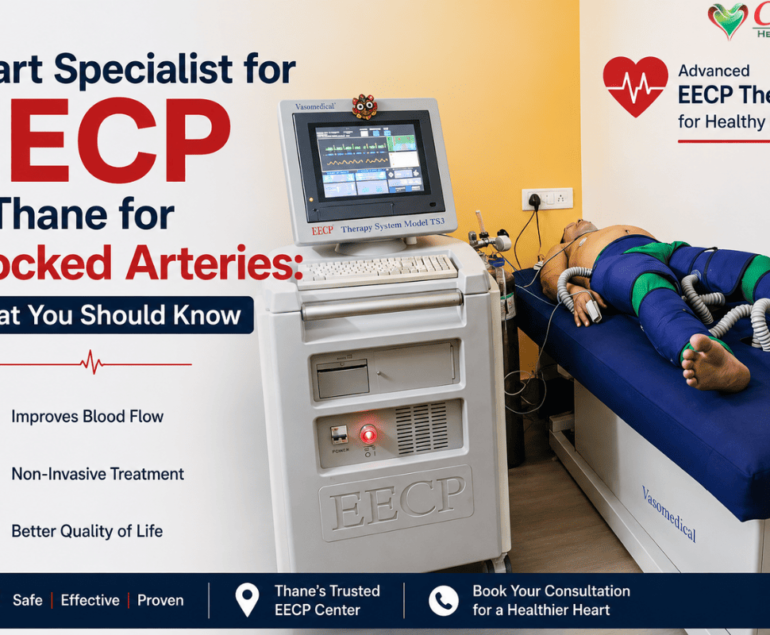
Instead, inflatable cuffs are wrapped around the patient’s calves, thighs, and buttocks. These cuffs inflate and deflate in sync with the heartbeat using a computerized system.
The treatment is designed to improve circulation and may help reduce symptoms in selected patients with chronic stable angina.
EECP has been used in several countries for patients who continue to experience chest pain despite medications or who may not be suitable candidates for invasive procedures.
How EECP Improves Blood Flow
The principle behind EECP is simple but effective.
During the relaxation phase of the heartbeat (diastole), the cuffs inflate sequentially from the lower legs upward. This action pushes blood back toward the heart, increasing blood supply to the coronary arteries.
Just before the heart contracts again, the cuffs rapidly deflate, reducing the workload on the heart.
This process may help:
- Improve oxygen delivery to the heart muscle
- Promote better circulation
- Encourage the development of small collateral blood vessels around blocked arteries
- Reduce the frequency of angina symptoms in suitable patients
- Improve exercise tolerance
Although EECP does not physically remove plaque or unblock arteries, improving blood flow may help relieve symptoms and support better daily functioning in selected individuals.
Why EECP Is Considered a Non-Surgical Heart Treatment
Many patients prefer EECP because it avoids the risks associated with major surgery. It is often described as a non-invasive therapy since no instruments are inserted into the body.
Some of the reasons patients discuss EECP with their cardiologist include:
- No surgical incision
- No stitches
- No general anesthesia
- No intensive care stay
- Minimal interruption to daily life
However, it is important to remember that EECP is not intended to replace bypass surgery in patients who require urgent or definitive surgical treatment. Instead, it is one of several treatment options that may be appropriate for carefully selected patients.
Who May Benefit from EECP?
According to current clinical guidance, EECP may be considered for patients such as:
Patients with Chronic Stable Angina
People who continue to experience chest pain despite taking prescribed medications may benefit from further evaluation for EECP.
Patients Not Suitable for Surgery
Some patients may have medical conditions that increase the risks of bypass surgery or angioplasty. In such cases, a cardiologist may consider whether EECP is an appropriate option.
Patients Seeking Symptom Relief
Individuals whose daily activities are limited by chest discomfort or breathlessness may be evaluated for EECP as part of a broader treatment plan.
Patients Looking for a Second Opinion
If you have been advised to undergo bypass surgery and wish to understand all available treatment options, consulting an experienced cardiologist can help clarify whether non-surgical approaches may be appropriate in your case.
Benefits of Choosing EECP Instead of Bypass Surgery
For selected patients, EECP offers several practical advantages. These benefits vary from person to person and should always be discussed with your treating cardiologist.
No Major Surgery
The biggest advantage of EECP is that it is completely non-invasive.
Patients do not undergo:
- Chest opening
- Heart surgery
- Blood transfusions
- Surgical recovery
This can be reassuring for people who are anxious about undergoing an operation.
No General Anesthesia
Since EECP is performed while the patient is awake, there is no need for general anesthesia.
This may be particularly beneficial for elderly patients or those with medical conditions that make anesthesia riskier.
Faster Recovery
Most patients can return home immediately after each EECP session and continue with their normal routine, depending on their overall health.
Unlike bypass surgery, which may require several weeks of recovery, EECP usually does not involve prolonged physical restrictions after each treatment session.
Reduced Chest Pain
One of the main goals of EECP is to reduce episodes of angina.
Many eligible patients report:
- Less frequent chest discomfort
- Improved ability to walk
- Better tolerance for physical activity
- Greater comfort during daily tasks
Results vary from patient to patient, and ongoing medical treatment should continue as advised by the cardiologist.
Improved Blood Circulation
By increasing blood flow during treatment sessions, EECP aims to improve circulation to the heart muscle.
Better circulation may help the heart receive more oxygen, which can reduce symptoms during activity.
Better Quality of Life
When symptoms improve, many patients find it easier to:
- Climb stairs
- Walk longer distances
- Perform household activities
- Spend time with family
- Sleep more comfortably
Improved symptom control can contribute to better day-to-day well-being.
Who Is a Good Candidate for EECP Treatment?
EECP is not suitable for every patient with heart disease. A complete evaluation is necessary before deciding whether this therapy is appropriate.
Below are some patient groups who may be considered.
Patients with Stable Angina
Patients with chronic stable angina that persists despite medications may be evaluated for EECP.
These individuals often experience chest pain during physical activity but are otherwise medically stable.
Patients Who Are Not Suitable for Surgery
Certain health conditions may increase the risks of bypass surgery or angioplasty.
Examples include:
- Advanced age
- Multiple medical conditions
- Previous heart surgeries
- High surgical risk
For some of these patients, EECP may be discussed as a possible non-invasive treatment option.
Elderly Heart Patients
Older adults sometimes prefer treatments that avoid surgery.
Depending on their heart condition and overall health, EECP may be considered after a thorough cardiology assessment.
Patients Recovering After Cardiac Procedures
Some patients who continue to experience angina after angioplasty or previous heart procedures may be evaluated to determine whether EECP could help manage ongoing symptoms.
People Looking for a Second Opinion
Receiving a recommendation for bypass surgery can be overwhelming.
Seeking a second opinion allows patients to better understand:
- The severity of their condition
- Available treatment options
- Expected outcomes
- Benefits and risks of each approach
At Cordis Heart Institute, Dr Abhijit Aklujkar believes that informed patients make better healthcare decisions. Every treatment recommendation is based on clinical findings and the patient’s individual needs.
Who Should Not Choose EECP?
Although EECP is generally well tolerated, it is not recommended for everyone.
Certain medical conditions may make the treatment unsuitable.
Examples include:
- Severe aortic valve disease
- Uncontrolled high blood pressure
- Active blood clots in the legs
- Severe peripheral artery disease
- Significant heart rhythm disorders
- Acute heart attack requiring emergency treatment
- Severe heart failure in some cases
- Certain bleeding disorders
Only a cardiologist can determine whether EECP is safe based on the patient’s medical history and current condition.
Why a Cardiology Evaluation Is Essential Before EECP
Before starting EECP, patients should undergo a detailed assessment to ensure the treatment is appropriate and safe.
At Cordis Heart Institute, the evaluation may include:
- Review of medical history
- Physical examination
- Electrocardiogram (ECG)
- Echocardiography (2D Echo)
- Blood pressure assessment
- Blood investigations
- Treadmill Test (if appropriate)
- Coronary Angiography or CT Coronary Angiography (when indicated)
These investigations help identify the cause of symptoms, assess the extent of coronary artery disease, and determine whether EECP, medications, angioplasty, or bypass surgery is the most appropriate option.
It is important to understand that choosing the right treatment is not about avoiding surgery at all costs. The goal is to select the treatment that offers the best balance of safety, symptom relief, and long-term heart health based on the patient’s individual condition.
EECP Treatment Process at Cordis Heart Institute
Choosing the right treatment for heart blockage begins with a detailed evaluation. At Cordis Heart Institute, every patient is assessed individually before any treatment recommendation is made. This helps ensure that the chosen treatment aligns with the patient’s symptoms, heart condition, and overall health.
Initial Heart Evaluation
The first step is a consultation with Dr Abhijit Aklujkar, who reviews:
- Current symptoms
- Medical history
- Previous heart procedures
- Current medications
- Lifestyle habits
- Risk factors such as diabetes, high blood pressure, smoking, and high cholesterol
This discussion provides a complete picture of the patient’s cardiovascular health.
Diagnostic Tests
To determine the most appropriate treatment, one or more diagnostic tests may be recommended, including:
- Electrocardiogram (ECG)
- 2D Echocardiography
- Treadmill Stress Test (TMT)
- Blood tests
- CT Coronary Angiography
- Coronary Angiography (when clinically indicated)
The results help identify the severity and location of blockages, heart function, and whether EECP is a suitable option.
Personalized Treatment Planning
No two patients have the same heart condition. Based on the evaluation, Dr Abhijit Aklujkar develops an individualized treatment plan that may include:
- Lifestyle modifications
- Medications
- EECP therapy
- Angioplasty
- Bypass surgery, if clinically necessary
- Regular follow-up and monitoring
The objective is always to choose the safest and most effective treatment based on current medical evidence.
Number of EECP Sessions Required
A standard EECP program typically includes 35 sessions, with one session lasting about one hour. Treatments are usually scheduled five or six days per week over several weeks.
The exact treatment schedule may vary depending on the patient’s condition and response to therapy.
What Patients Can Expect During Each Session
During treatment:
- The patient lies comfortably on a treatment bed.
- Inflatable cuffs are wrapped around the calves, thighs, and buttocks.
- The machine synchronizes cuff inflation and deflation with the heartbeat.
- Patients remain awake throughout the session.
- Most patients can resume their routine activities after treatment.
The procedure is designed to be comfortable and non-invasive, though individual experiences may vary.
Why Choose Cordis Heart Institute for Heart Blockage Treatment in Solapur?
Finding the right heart hospital is just as important as selecting the right treatment. Patients benefit from a center that combines experienced specialists, advanced technology, and personalized care.
Experienced Cardiology Team
Cordis Heart Institute is committed to providing evidence-based cardiac care with a focus on accurate diagnosis and individualized treatment plans.
Consultation with Dr Abhijit Aklujkar
Dr Abhijit Aklujkar carefully evaluates each patient before recommending any treatment. Instead of following a standard approach for every case, he considers:
- Severity of coronary artery disease
- Symptoms
- Medical history
- Existing health conditions
- Long-term treatment goals
This helps patients understand all available options before making an informed decision.
Advanced Heart Care Technology
Accurate diagnosis is the foundation of successful treatment. The institute uses modern diagnostic tools to assess heart health and support treatment planning.
Personalized Treatment Plans
Every patient’s heart condition is different. Treatment recommendations are based on:
- Clinical examination
- Diagnostic findings
- Lifestyle factors
- Individual health goals
This personalized approach helps ensure patients receive care suited to their specific needs.
Patient-Centered Care
Heart disease can be stressful for patients and families. Clear communication, education, and ongoing support are important parts of the treatment process, helping patients understand their condition and participate in their care.
Lifestyle Changes That Support Heart Blockage Recovery
Medical treatment is only one part of managing heart disease. Healthy lifestyle habits can help reduce risk factors and support long-term heart health.
Follow a Heart-Healthy Diet
Choose foods that support cardiovascular health, such as:
- Fresh fruits and vegetables
- Whole grains
- Lentils and legumes
- Nuts in moderation
- Lean protein sources
- Fish rich in omega-3 fatty acids
Limit:
- Fried foods
- Processed snacks
- Sugary beverages
- Foods high in saturated and trans fats
- Excess salt
Stay Physically Active
Regular exercise can help improve cardiovascular fitness. After consulting your doctor, aim for activities such as:
- Brisk walking
- Cycling
- Light jogging
- Swimming
- Yoga
Patients with heart disease should always follow an exercise plan approved by their cardiologist.
Control Blood Pressure
High blood pressure increases the workload on the heart and damages blood vessels over time.
To manage blood pressure:
- Take medications as prescribed.
- Reduce salt intake.
- Exercise regularly.
- Maintain a healthy weight.
- Monitor blood pressure at home if advised.
Manage Diabetes
Poorly controlled diabetes accelerates damage to blood vessels. Good blood sugar control through diet, medication, and regular monitoring is essential for protecting heart health.
Quit Smoking
Smoking damages blood vessels, increases plaque formation, and raises the risk of heart attack. Stopping smoking is one of the most effective ways to improve cardiovascular health.
Manage Stress
Long-term stress can contribute to unhealthy habits and affect heart health.
Helpful stress-management techniques include:
- Meditation
- Deep breathing exercises
- Quality sleep
- Spending time with family
- Regular physical activity
- Professional counseling, when needed
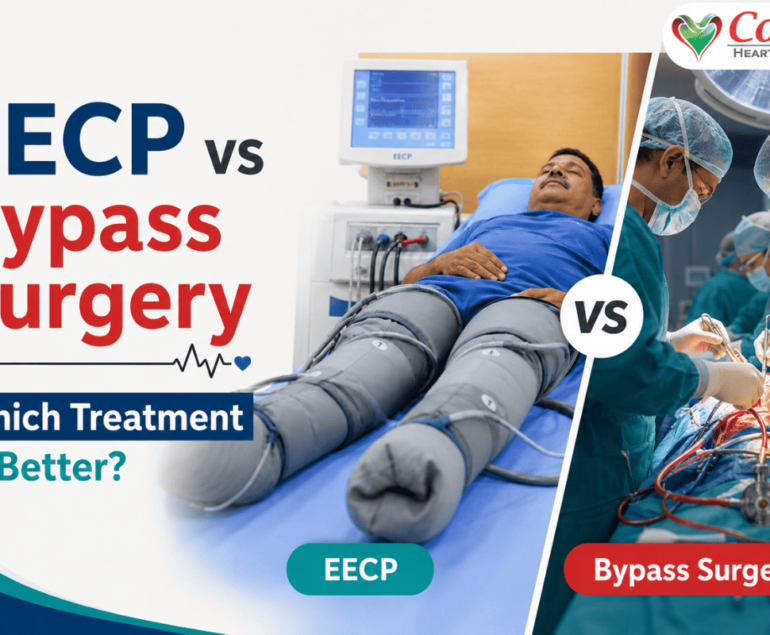
Comparing EECP and Bypass Surgery
Feature | EECP Treatment | Bypass Surgery |
Type of Treatment | Non-invasive | Open-heart surgery |
Surgery Required | No | Yes |
General Anesthesia | No | Yes |
Chest Incision | No | Yes |
Hospital Stay | Usually not required | Several days |
Recovery Time | Usually shorter | Several weeks |
Primary Goal | Symptom relief and improved blood flow in selected patients | Restore blood flow by bypassing blocked arteries |
Suitable for Everyone | No | No |
Requires Cardiologist Evaluation | Yes | Yes |
Important: EECP and bypass surgery serve different purposes. They are not interchangeable treatments, and the right choice depends on the patient’s diagnosis and clinical condition.
When Should You Consult a Heart Specialist?
Early diagnosis can make a significant difference in managing heart disease.
You should consult a cardiologist if you experience:
- Chest pain or pressure
- Shortness of breath
- Fatigue during routine activities
- Pain in the left arm, jaw, or neck
- Irregular heartbeat
- Swelling in the legs
- Frequent dizziness or fainting
Immediate medical attention is essential if chest pain is severe, persistent, or accompanied by sweating, nausea, or breathlessness.
Frequently Asked Questions (FAQs)
What is the best alternative to bypass surgery in Solapur?
For selected patients, EECP (Enhanced External Counter Pulsation) may be considered as a non-invasive treatment option. However, the most appropriate treatment depends on a detailed cardiac evaluation.
Can heart blockage be treated without bypass surgery?
Yes, in some cases. Depending on the severity of the blockage, treatment may include medications, lifestyle changes, angioplasty, or EECP. Severe coronary artery disease may still require bypass surgery.
Is EECP treatment painful?
EECP is generally well tolerated. Patients may feel pressure from the inflatable cuffs, but the treatment is not considered painful by most individuals.
How long does EECP treatment take?
A typical session lasts about one hour. Most treatment programs include around 35 sessions, although the schedule may vary.
Is EECP safe for elderly patients?
EECP may be suitable for some elderly patients after a detailed medical evaluation. Eligibility depends on overall health and the underlying heart condition.
Who should avoid EECP treatment?
Patients with certain conditions, such as severe valve disease, uncontrolled hypertension, active blood clots, or specific heart rhythm disorders, may not be suitable candidates.
How effective is EECP for heart blockage?
Studies suggest EECP may help reduce angina symptoms and improve exercise tolerance in selected patients. Individual results vary, and it is not a replacement for bypass surgery when surgery is medically necessary.
Can EECP reduce chest pain?
Many eligible patients experience fewer episodes of chronic stable angina after completing EECP therapy. Your cardiologist can advise whether the treatment is appropriate for your condition.
How much does EECP treatment cost in Solapur?
The cost depends on factors such as the number of sessions, the patient’s condition, and the treatment plan. Contact Cordis Heart Institute for the latest pricing and consultation details.
Where can I get EECP treatment in Solapur?
Patients can consult Dr Abhijit Aklujkar at Cordis Heart Institute for a comprehensive heart evaluation and to determine whether EECP is an appropriate treatment option.
Conclusion
A diagnosis of heart blockage does not automatically mean bypass surgery is the only solution. Modern cardiology offers several treatment options, and the right approach depends on the severity of the disease, symptoms, and overall health.
For selected patients, EECP may provide a non-invasive way to help manage chronic stable angina and improve quality of life. However, it is important to remember that EECP is not suitable for everyone and should never replace bypass surgery when surgery is the medically recommended treatment.
If you are looking for the Best Alternative to Bypass Surgery in Solapur, begin with a detailed evaluation rather than assuming one treatment is right for every patient.
At Cordis Heart Institute, Dr Abhijit Aklujkar focuses on evidence-based, personalized cardiac care, helping patients understand their options and make informed decisions about their heart health.
Schedule Your Heart Consultation Today
If you or a loved one has been diagnosed with heart blockage, don’t delay seeking expert advice.
Book a consultation with Dr Abhijit Aklujkar at Cordis Heart Institute for a detailed heart assessment. Based on your condition, you will receive guidance on the most appropriate treatment options, whether that involves medications, lifestyle changes, EECP, angioplasty, or bypass surgery.
Early diagnosis and timely treatment can make a meaningful difference in protecting your heart and improving your quality of life.