Choosing the right treatment for a heart condition can be challenging, especially for patients who continue to experience chest pain or angina despite taking medication. Many people searching for the best EECP treatment for heart patients in Solapur want to understand whether this non-surgical therapy may help manage their symptoms, how much it costs, and where they can consult a heart specialist.
Enhanced External Counterpulsation (EECP) is a non-invasive treatment that may help selected patients with chronic stable angina. It uses inflatable cuffs around the legs to support blood circulation and may improve symptoms in suitable patients.
At Cordis Heart Institute, patients can enquire about EECP treatment and consultation with Dr Abhijit Aklujkar. Before choosing a treatment, it is important to understand how EECP works, who may benefit, what affects the cost, and when other cardiac treatments may be needed.
This guide answers these questions to help patients and their families make informed decisions about heart care.
What Is EECP Treatment and How Does It Work?
EECP stands for Enhanced External Counterpulsation. It is a non-surgical therapy used mainly for selected patients with chronic angina, a condition that causes chest discomfort when the heart muscle does not receive enough oxygen-rich blood.
How Does EECP Therapy Work?
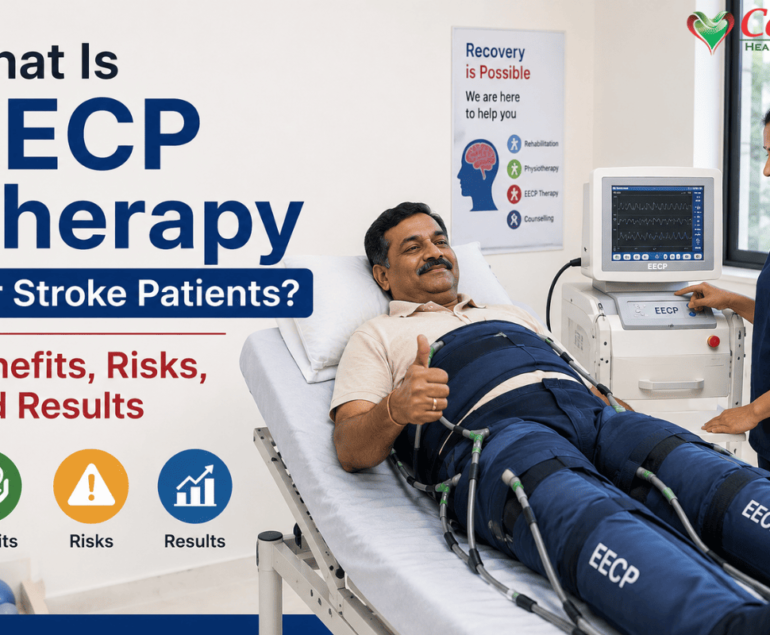
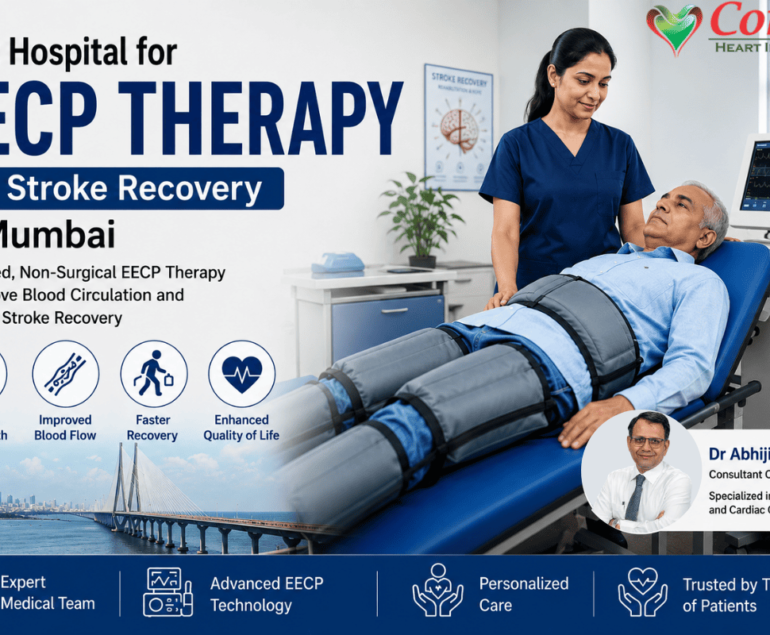
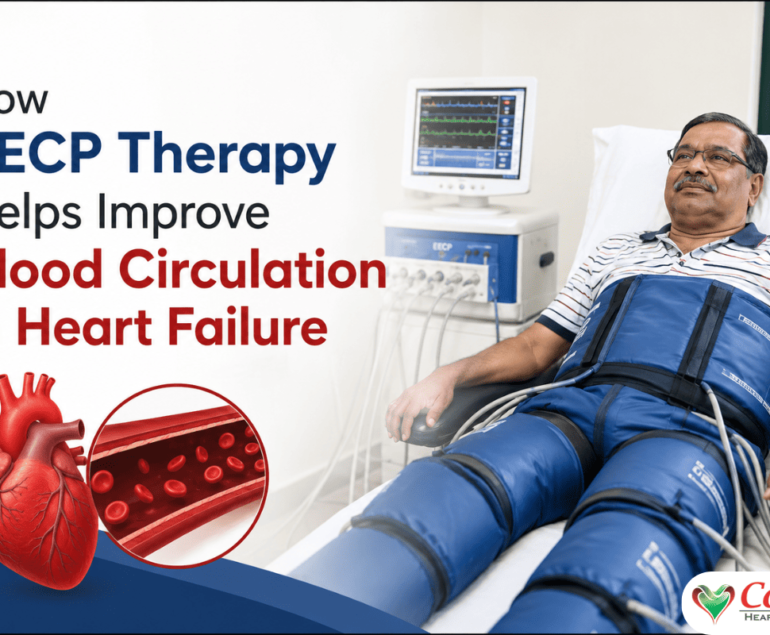
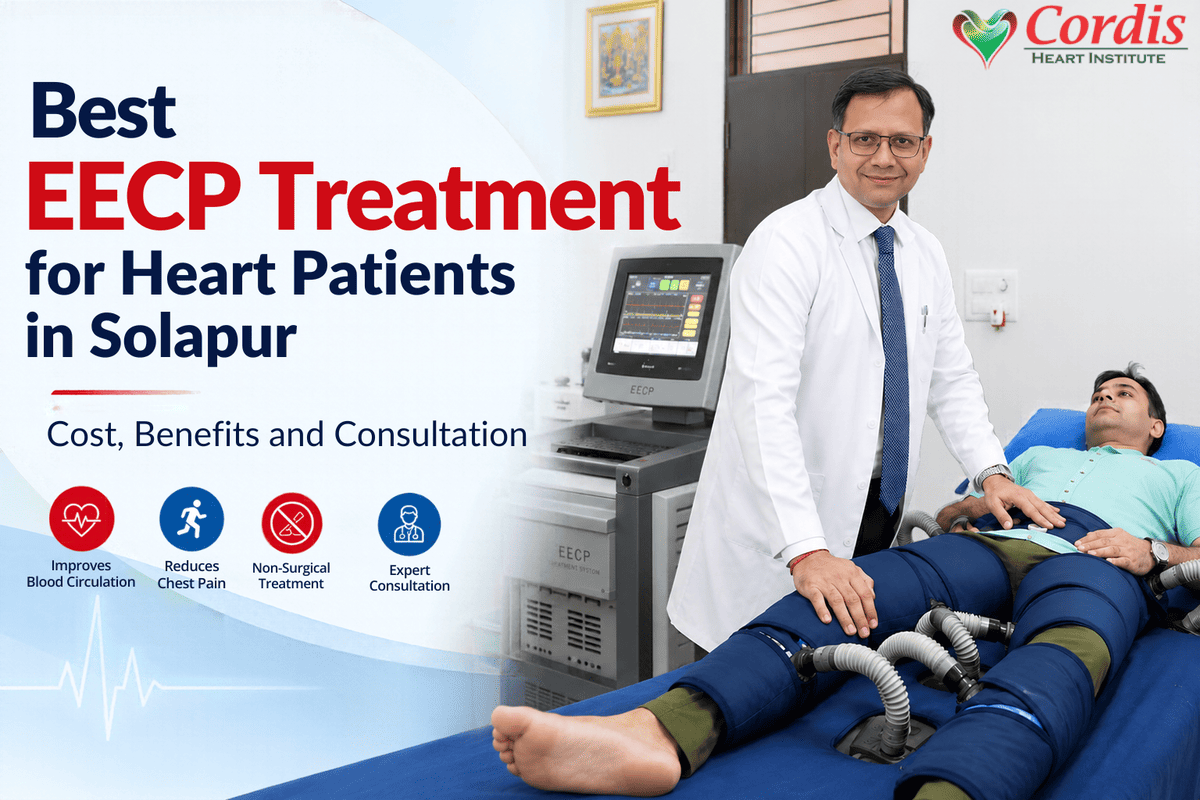
During an EECP session, a patient lies on a treatment bed while inflatable cuffs are placed around the calves, thighs and buttocks. These cuffs inflate and deflate in coordination with the heartbeat.
- During relaxation of the heart: The cuffs inflate in sequence, helping move blood towards the upper body and heart.
- Before the next heartbeat: The cuffs deflate, reducing resistance against which the heart pumps.
- Throughout the session: The equipment coordinates cuff pressure with the patient’s heartbeat.
This process may support blood flow to the heart and help reduce angina symptoms in some patients. However, results vary, and EECP does not physically remove plaque or clear blocked coronary arteries.
How Long Does EECP Treatment Take?
A typical EECP course often involves around 35 one-hour sessions, usually delivered over several weeks. The exact schedule depends on the treatment protocol, the patient’s condition and the treating clinician’s advice.
Patients should ask the treatment centre about the recommended number of sessions, appointment frequency and follow-up plan before beginning therapy.
Who Can Benefit from EECP Treatment?
EECP may be considered for certain patients whose heart-related symptoms continue despite appropriate medication and other standard treatments. A cardiologist must assess the patient’s condition before recommending it.
EECP Therapy for Chronic Angina
Chronic angina can cause pressure, tightness or discomfort in the chest. Some patients may also experience breathlessness or fatigue during physical activity.
For selected patients with persistent angina, EECP may help reduce symptoms and improve the ability to perform everyday activities. The potential benefit depends on the underlying condition and the patient’s overall health.
Is EECP Suitable for Patients with Heart Blockage?
Patients diagnosed with coronary artery disease may ask whether EECP is an option for managing symptoms.
EECP may be appropriate for some patients with chronic angina, but its suitability depends on factors such as the location and severity of coronary artery disease, current symptoms, heart function and other medical conditions.
EECP does not remove heart blockages. It should not replace angioplasty, bypass surgery or other treatment when a cardiologist determines that one of these procedures is necessary.
Can Patients Consider EECP After Angioplasty or Bypass Surgery?
Some patients continue to experience angina even after angioplasty or bypass surgery. A cardiologist may assess whether EECP is appropriate as part of their ongoing care.
The doctor will need to review previous procedures, current medicines, investigation reports and possible causes of persistent symptoms before recommending treatment.
When Should Patients Consider Other Treatment Options?
EECP is not suitable for everyone. Some patients require medication adjustments, further investigations, angioplasty, bypass surgery or another treatment approach.
Anyone experiencing sudden or severe chest pain, particularly with sweating, breathlessness, nausea or pain spreading to the arm or jaw, should seek emergency medical care rather than wait for an EECP appointment.
Benefits of EECP Treatment for Heart Patients
The potential benefits of EECP depend on the patient’s diagnosis, treatment history and response to therapy. It is generally considered for selected patients with chronic angina, particularly when symptoms remain difficult to manage.
1. Potential Relief from Chest Pain
Some patients report fewer episodes of angina after completing EECP therapy. This may help them manage everyday activities with less discomfort. However, not every patient experiences the same degree of relief.
2. Possible Improvement in Daily Activities
Patients whose activity is limited by chronic angina may experience improved exercise tolerance after treatment. The treating doctor should monitor changes in symptoms and physical activity throughout the treatment course.
3. A Non-Surgical Treatment Approach
EECP does not require an incision or the insertion of a catheter into the coronary arteries. Treatment is generally delivered on an outpatient basis, so patients usually do not need an overnight hospital stay for the therapy itself.
4. Support Alongside Other Heart Treatments
EECP may form part of a wider heart care plan that includes prescribed medicines, follow-up appointments, a suitable diet and doctor-approved physical activity.
It is important to understand that EECP is not a cure for coronary artery disease. Patients should continue their prescribed medicines and attend follow-up appointments even if their symptoms improve.
What Is the Cost of EECP Treatment in Solapur?
The EECP treatment cost in Solapur is an important consideration for patients planning a course of therapy. However, the exact amount should be confirmed directly with the treatment centre because prices may vary.
Rather than relying on an unverified online price, ask for a written estimate before beginning treatment.
Factors That Affect EECP Therapy Cost
The overall cost may depend on:
- Number of sessions: The total number of appointments recommended for your condition.
- Initial consultation: The fee for the first appointment and cardiac assessment.
- Diagnostic investigations: Additional tests that may be required before treatment.
- Treatment monitoring: Follow-up consultations and progress assessments.
- Additional services: Any other investigations or care included in the treatment package.
How to Choose an EECP Treatment Centre in Solapur
Finding an EECP centre is not just about comparing prices. Patients should also consider medical supervision, assessment procedures, equipment and follow-up care.
Here are four points to check before selecting a centre.
Check the Doctor’s Qualifications
Ask who will assess your heart condition, review your reports and decide whether EECP is suitable. Confirm the doctor’s qualifications, registration and experience through reliable professional sources.
Ask About Medical Monitoring
The centre should explain how your heartbeat, blood pressure and treatment response will be monitored during sessions. Ask how staff respond if you experience chest discomfort or other symptoms.
Review Your Treatment Plan
A suitable treatment plan should account for your symptoms, previous procedures, medicines and other health conditions. The provider should explain the expected course, potential benefits, risks and alternatives.
Compare the Total Cost
Request a clear breakdown of consultation charges, sessions, tests and follow-up appointments. A transparent estimate makes it easier to compare centres fairly.
The best choice is the centre that provides appropriate medical assessment and clear guidance, not simply the one making the strongest claims about results.
Consult Dr Abhijit Aklujkar at Cordis Heart Institute
Patients looking for EECP treatment in Solapur can contact Cordis Heart Institute to enquire about consultation with Dr Abhijit Aklujkar.
A consultation can help determine whether EECP may be appropriate for your symptoms or whether another treatment approach should be considered.
What Medical Reports Should You Bring?
To help the doctor review your condition, bring the following documents if available:
- Previous angiography, angioplasty or bypass surgery reports.
- Recent ECG and echocardiography reports.
- Relevant stress test or other cardiac investigation results.
- A list of current medicines and dosages.
- Previous discharge summaries and consultation notes.
- Details of your symptoms, including when they occur and how long they last.
Do not delay urgent medical care to collect documents.
What Happens During the First Consultation?
The doctor may review your medical history, ask about chest pain or breathlessness, examine you and assess existing investigation reports. Additional tests may be recommended if needed.
The consultation should also cover whether EECP is suitable, what alternatives are available, how long treatment might take and what the expected expenses are.
For appointment availability, current consultation charges and the treatment centre’s address in Solapur, contact Cordis Heart Institute directly. Confirm Dr Abhijit Aklujkar’s availability before visiting.
What to Expect Before, During and After EECP Therapy
Understanding the treatment process can help patients prepare for their appointments.
Before Treatment
The clinical team will assess your medical history, symptoms, medicines and relevant cardiac reports. Tell the doctor about any vascular problems, bleeding issues, irregular heart rhythms, pregnancy or other medical conditions that may affect treatment suitability.
During Each Session
You will generally lie on a treatment bed while cuffs are secured around your legs. Sensors monitor your heartbeat, allowing the machine to coordinate inflation and deflation.
The cuffs apply firm pressure, which may feel unusual at first. Inform the clinical team if you experience pain, numbness or discomfort.
After Treatment
EECP usually does not require a separate recovery stay. Some patients may experience fatigue, muscle discomfort or skin irritation. Report any unusual symptoms to the treating team.
Your doctor may assess your response to therapy by reviewing angina frequency, physical activity and any changes in your symptoms. Continue prescribed medicines unless your doctor advises otherwise.
Frequently Asked Questions About EECP Treatment in Solapur
1. Which hospital provides EECP treatment in Solapur?
Patients can contact Cordis Heart Institute to enquire about EECP treatment availability and consultation with Dr Abhijit Aklujkar. Confirm the treatment location, appointment availability and current services directly with the hospital before visiting.
2. What is the cost of EECP treatment in Solapur?
The cost depends on the treatment course, consultation fees, diagnostic tests and any additional services. Contact Cordis Heart Institute for current charges and request a written estimate before starting therapy.
3. Is EECP treatment effective for heart blockage?
EECP may reduce angina symptoms in selected patients with coronary artery disease. It does not remove arterial plaque or physically open a blocked artery. A cardiologist should determine whether EECP or another treatment is appropriate for the patient’s condition.
4. Is EECP treatment painful?
Patients usually feel pressure as the cuffs inflate around their legs. The treatment should generally be tolerable, but some people experience muscle discomfort, bruising or skin irritation. Tell the treatment team if you feel pain or unusual discomfort.
5. How many sessions are needed for EECP therapy?
A common course consists of approximately 35 one-hour sessions, often scheduled five days per week over seven weeks. The treating clinician will confirm the appropriate schedule for each patient.
6. Can EECP help patients who have undergone angioplasty?
It may be considered for some patients whose angina returns after angioplasty or stenting. However, recurring chest pain requires medical assessment to identify its cause before deciding whether EECP is appropriate.
7. Is EECP an alternative to bypass surgery?
EECP may be an option for selected patients with persistent angina who are not suitable for certain invasive procedures. It is not a universal substitute for bypass surgery or angioplasty. The decision should follow a cardiologist’s assessment of the patient’s coronary artery disease.
8. Who should not undergo EECP treatment?
Suitability depends on the patient’s medical history and current condition. Certain heart rhythm problems, significant vascular disease, blood clots and some other conditions may make EECP unsuitable or require additional assessment. A qualified clinician must evaluate the risks before treatment.
9. How can I book an EECP consultation with Dr Abhijit Aklujkar?
Contact Cordis Heart Institute to confirm Dr Abhijit Aklujkar’s availability, the consultation location and appointment procedure. Keep your previous cardiac reports and current medication list ready for the consultation.
Book a Consultation for EECP Treatment in Solapur
If you or a family member experiences persistent chest discomfort or has been diagnosed with coronary artery disease, getting the right medical assessment is the first step.
Cordis Heart Institute can be contacted to enquire about EECP treatment and consultation with Dr Abhijit Aklujkar. Discuss your symptoms, previous cardiac procedures and treatment goals with the clinical team to understand whether EECP may be suitable for you.
Looking for EECP treatment in Solapur? Contact Cordis Heart Institute to enquire about an appointment, current treatment costs and the recommended next steps for your heart care.