Heart blockage can cause chest pain, breathlessness and difficulty performing everyday activities. For patients diagnosed with coronary artery disease, choosing the right treatment depends on the location and severity of the blockage, existing symptoms and overall heart health. Many patients also want to understand whether a non-surgical treatment option could help manage their symptoms.
EECP therapy for blocked arteries in Thane is one option that selected patients with chronic angina may discuss with a cardiologist. EECP stands for Enhanced External Counterpulsation. It uses external pressure cuffs around the legs to support blood flow to the heart and may help reduce angina symptoms in suitable patients.
At Cordis Heart Institute, patients can seek medical guidance from Dr Abhijit Aklujkar to understand their condition and discuss available treatment options. This guide explains how EECP works, who may benefit, how it compares with angioplasty and bypass surgery, and what to ask before starting treatment.
What Is EECP Therapy for Heart Blockage?
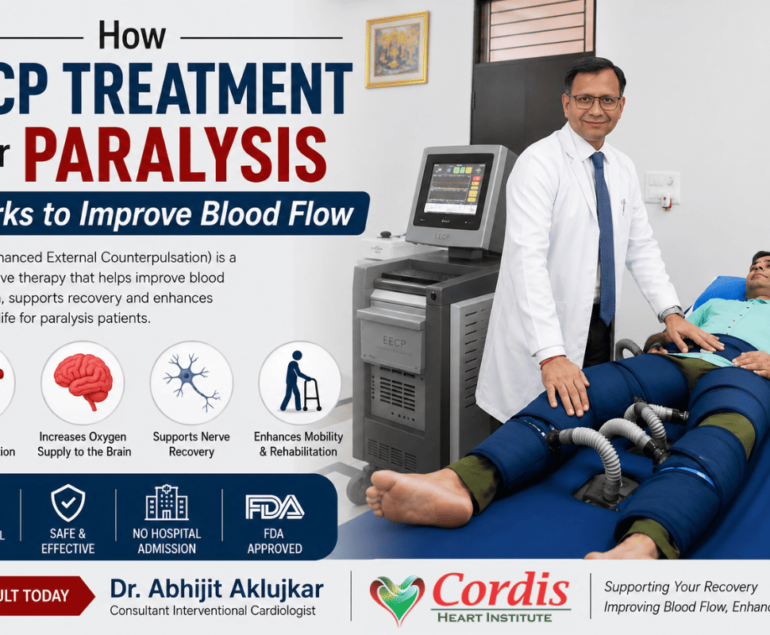
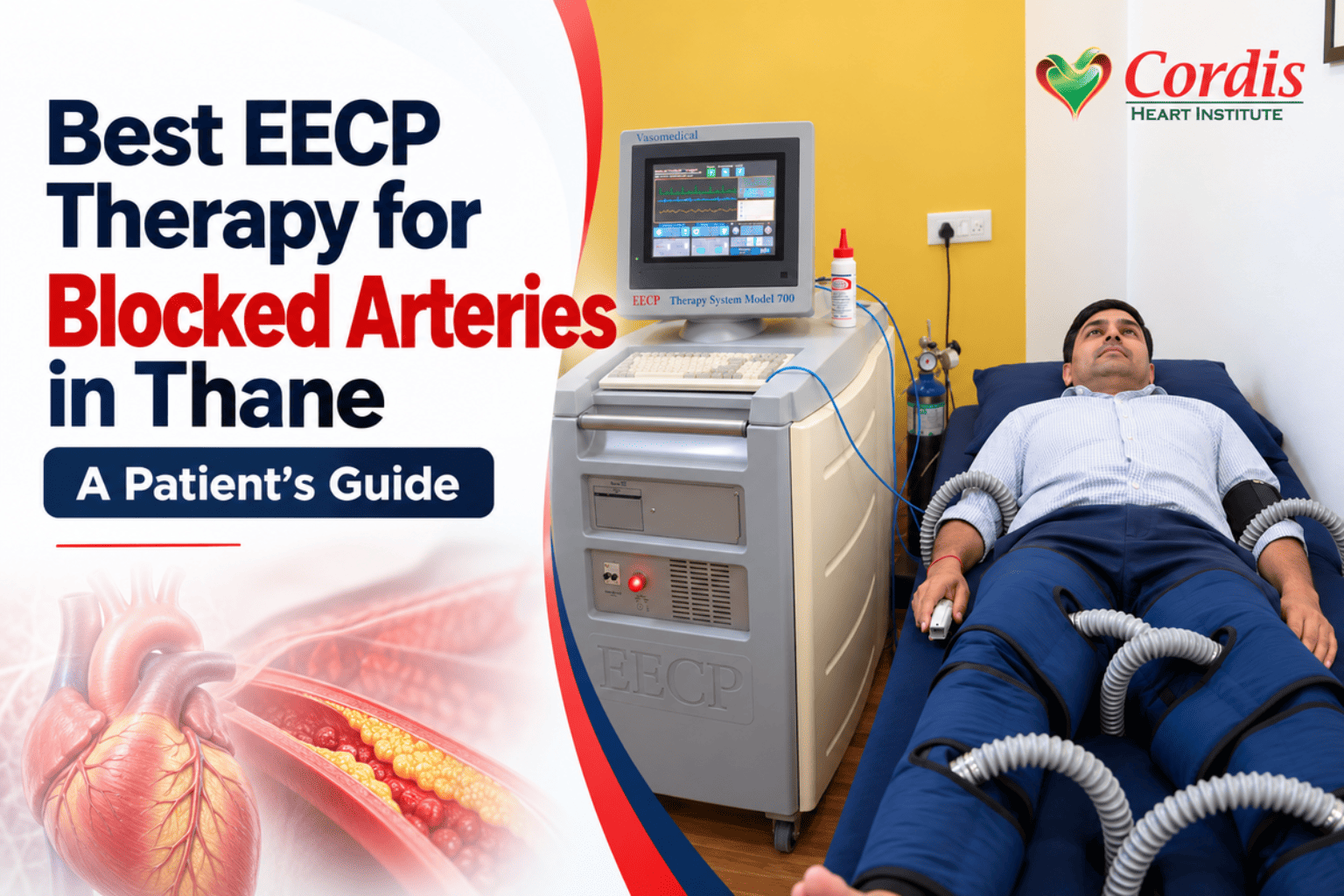
Enhanced External Counterpulsation is a non-invasive treatment that uses inflatable cuffs placed around the calves, thighs and buttocks. The cuffs inflate and deflate in coordination with the heartbeat under the control of an EECP machine.
The treatment is designed to support circulation and may improve blood supply to the heart muscle. It is generally considered for selected patients with chronic, stable angina, particularly when symptoms continue despite medical treatment or when other procedures are not suitable.
How Does EECP Treatment Work?
During an EECP session, the patient lies on a treatment bed while the cuffs are fitted around the lower body. The machine uses timing signals from the heartbeat to coordinate cuff inflation and deflation.
The cuffs inflate in sequence during the heart’s relaxation phase, helping move blood towards the heart. They then deflate before the heart contracts, reducing resistance against which the heart pumps.
A course of treatment may help some patients experience fewer angina episodes and better tolerance for everyday activities. However, results vary, and a cardiologist must determine whether EECP is appropriate for the patient’s condition.
Can EECP Remove or Open Blocked Arteries?
No. EECP does not physically remove plaque, dissolve a blockage or directly open a narrowed coronary artery.
Its purpose is to help manage symptoms in selected patients, not to cure coronary artery disease. Patients who need urgent treatment or procedures such as angioplasty or bypass surgery should not delay them in favour of EECP.
A cardiologist can review cardiac investigations and explain which treatment options are suitable for an individual patient.
Who May Benefit From EECP Therapy in Thane?
EECP may be considered for certain patients who experience ongoing angina related to coronary artery disease.
Patients With Chronic Angina
Angina is chest discomfort that occurs when the heart muscle does not receive enough oxygen-rich blood. Some patients experience pressure or tightness in the chest, particularly during physical activity or emotional stress.
A cardiologist may consider EECP for selected patients with chronic angina after reviewing their symptoms, medical history and previous treatment.
Patients With Persistent Symptoms Despite Medication
Some people continue to experience chest discomfort even while taking prescribed heart medicines. In such cases, a specialist may review their treatment plan and determine whether further investigations or other therapies are needed.
EECP may be an option for selected patients, but it should only be considered after assessing the cause of the symptoms.
Patients Considering Non-Surgical Treatment Options
Patients who wish to understand non-surgical options can ask their cardiologist about EECP. Suitability depends on factors such as coronary artery disease, heart function, heart rhythm, blood pressure and other medical conditions.
Is EECP Suitable After Angioplasty or Bypass Surgery?
Some patients continue to experience angina after angioplasty or bypass surgery. A cardiologist may assess whether EECP could help manage persistent symptoms.
Previous surgery does not automatically make someone eligible. The doctor must consider current symptoms, cardiac test results and the patient’s overall health before recommending treatment.
Benefits of EECP Therapy for Blocked Arteries
For suitable patients, EECP may provide several benefits.
- May reduce angina symptoms: Some patients experience fewer episodes of chest discomfort after completing treatment.
- Non-invasive approach: EECP uses external cuffs rather than surgical incisions or catheters.
- Outpatient treatment: Sessions are commonly provided without an overnight hospital stay, depending on the patient’s clinical needs and the centre’s arrangements.
- Potential improvement in daily activities: Some patients report better exercise tolerance and an improved ability to carry out routine tasks.
These benefits are not guaranteed. EECP does not eliminate coronary artery disease, and patients must continue prescribed medication, follow-up appointments and other recommended care.
EECP Therapy vs Angioplasty vs Bypass Surgery
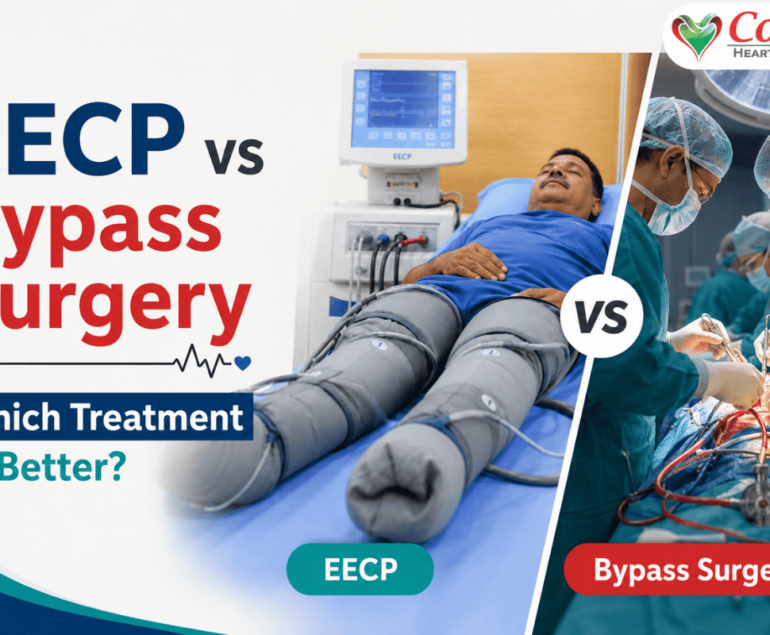
Patients searching for non-surgical heart blockage treatment in Thane should understand that EECP, angioplasty and bypass surgery serve different purposes.
Feature | EECP Therapy | Angioplasty | Bypass Surgery |
Method | External pressure cuffs | Catheter-based procedure, often involving a stent | Surgery to create a route around blocked arteries |
Invasiveness | Non-invasive | Minimally invasive | Major surgery |
Main purpose | May reduce chronic angina symptoms in selected patients | Opens a narrowed artery | Reroutes blood around affected arteries |
Recovery and schedule | Usually a course of repeated sessions | Depends on the procedure and clinical condition | Depends on surgery and recovery needs |
Suitability | Based on symptoms and medical assessment | Based on coronary anatomy and clinical need | Based on disease severity and surgical assessment |
These treatments are not interchangeable. Angioplasty or bypass surgery may be necessary for some patients, while others may benefit from medication and additional symptom-management options. The treating cardiologist should recommend a plan based on the patient’s diagnosis and clinical needs.
What to Expect During an EECP Treatment Session
Initial Consultation and Medical Assessment
Before starting EECP treatment in Thane, patients should undergo a cardiac assessment. The doctor may review symptoms, existing medicines, previous procedures and reports from tests such as an ECG, echocardiogram or coronary angiography, where relevant.
This assessment helps determine whether EECP is suitable and whether additional investigations are required.
How Long Does EECP Treatment Take?
A commonly used EECP course consists of approximately 35 sessions, with each session lasting around one hour. Treatment is often scheduled over several weeks, although the recommended plan may vary.
Patients should ask the treatment centre about the expected schedule, follow-up appointments and any arrangements needed to complete the course.
Is EECP Treatment Painful?
Patients generally remain lying down during treatment. The cuffs repeatedly inflate and deflate, creating pressure around the legs and lower body. Some people may experience discomfort from the pressure.
Tell the treatment team if the cuffs cause pain, skin irritation or unusual symptoms. The team can assess whether adjustments are needed.
What Should Patients Bring to Their First Appointment?
Bring the following documents, where available:
- Previous coronary angiography or angioplasty reports.
- Recent ECG and echocardiogram reports.
- A list of current medicines and dosages.
- Details of previous heart procedures.
- Relevant medical records and information about existing conditions.
These documents can help the doctor understand your medical history and discuss appropriate next steps.
EECP Treatment Cost in Thane: What Affects the Price?
The cost of EECP treatment in Thane can vary depending on the treatment plan and the services included. Patients should request a current estimate before starting their sessions.
Factors That Influence EECP Treatment Cost
The total cost may depend on:
- Number of sessions: A typical course involves around 35 one-hour sessions, although the prescribed schedule may differ.
- Initial assessment: Consultation fees and any required cardiac investigations may be charged separately.
- Follow-up care: The treatment plan may include progress assessments and additional consultations.
- Individual medical needs: The services required can vary according to the patient’s condition.
How to Check the Treatment Charges
Contact Cordis Heart Institute to ask about current EECP charges, the expected number of sessions and what the quoted price includes. Request a written estimate covering consultations, treatment sessions and follow-up visits.
Avoid choosing a treatment centre based only on price. The doctor’s assessment, treatment monitoring and access to appropriate cardiac care should also guide your decision.
How to Choose an EECP Treatment Centre in Thane
Before selecting an EECP treatment centre in Thane, patients should ask a few practical questions.
Check the doctor’s qualifications. Confirm the cardiologist’s credentials and experience in managing coronary artery disease and angina.
Ask about the initial assessment. The centre should review your medical history, symptoms, reports and existing medicines before deciding whether EECP is suitable.
Understand treatment monitoring. Ask how your progress will be assessed and what happens if you experience discomfort during a session.
Discuss follow-up care. Find out how the team will review your symptoms after treatment and whether further cardiac investigations may be needed.
You should also ask whether EECP is appropriate for your particular condition, what benefits you can reasonably expect and which alternatives may be available.
EECP Consultation at Cordis Heart Institute, Thane
Patients searching for EECP therapy for blocked arteries in Thane can contact Cordis Heart Institute to discuss their symptoms and treatment options.
Consult Dr Abhijit Aklujkar
A consultation with Dr Abhijit Aklujkar can help patients understand the need for a cardiac assessment and discuss which treatment options may be suitable for their condition.
Bring your previous cardiac reports, current medication list and details of any earlier heart procedures. These records can help the treating team understand your medical history.
Before starting EECP, ask about the expected treatment schedule, possible risks, follow-up arrangements and the total estimated cost.
Frequently Asked Questions About EECP Therapy in Thane
1. Which hospital offers EECP therapy for blocked arteries in Thane?
Cordis Heart Institute is a hospital patients can contact to enquire about EECP treatment and cardiac consultation. Speak with the hospital to confirm current service availability, appointment details and whether the treatment is appropriate for your condition.
2. Can EECP therapy cure heart blockage?
No. EECP does not remove plaque or physically open blocked coronary arteries. It may help reduce chronic angina symptoms in selected patients. Coronary artery disease still requires appropriate medical management and follow-up with a cardiologist.
3. Is EECP therapy an alternative to angioplasty?
Not in every case. EECP may be considered for selected patients with persistent angina, particularly when other treatment options are limited. Angioplasty may be necessary when opening a narrowed artery is clinically indicated. A cardiologist should determine the appropriate approach.
4. How many EECP sessions are required?
A commonly used treatment course consists of approximately 35 sessions, each lasting around one hour. The frequency and total schedule depend on the treatment plan and the patient’s medical needs.
5. What is the cost of EECP treatment in Thane?
The cost depends on the number of sessions, consultation fees, investigations and follow-up services. Contact Cordis Heart Institute for current charges and request a written estimate before beginning treatment.
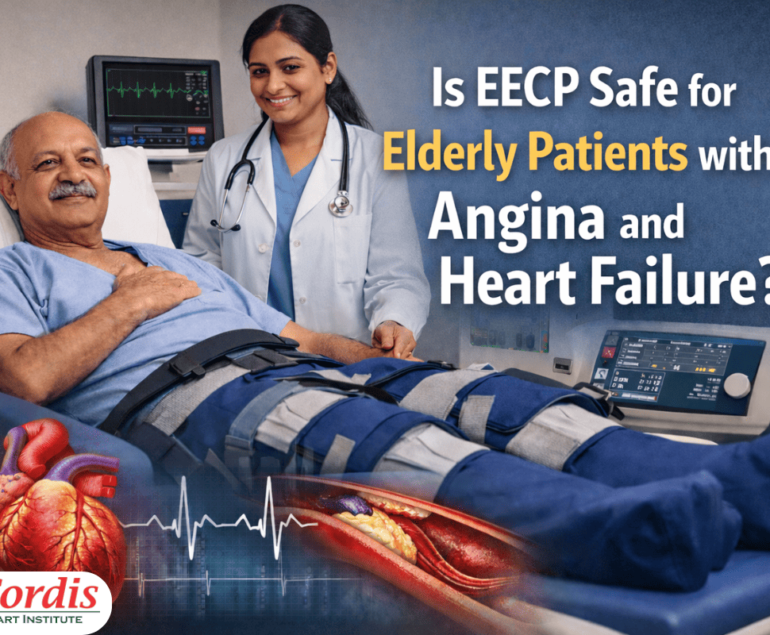
6. Is EECP therapy suitable for senior citizens?
Some senior citizens may be suitable candidates, but age alone does not determine eligibility. The cardiologist should assess heart function, circulation, existing conditions and other factors that could affect treatment safety.
7. Can EECP therapy help after angioplasty?
Some patients continue to experience angina after angioplasty and may be assessed for EECP. However, persistent chest pain can have several causes, so the doctor should investigate the symptoms before recommending further treatment.
8. Who should I consult before starting EECP treatment in Thane?
Consult a qualified cardiologist who can review your symptoms, medical history, cardiac investigations and current medicines. The doctor can explain whether EECP is appropriate or whether another treatment is needed.
Conclusion: Find Out Whether EECP Therapy Is Right for You
Choosing treatment for blocked coronary arteries requires an understanding of your diagnosis, symptoms and available medical options. EECP therapy is a non-invasive treatment that may help selected patients manage chronic angina, but it does not remove arterial plaque or replace procedures that are medically necessary.
If you are considering EECP therapy for blocked arteries in Thane, discuss your options with a qualified cardiologist before making a decision.
Contact Cordis Heart Institute to enquire about a consultation with Dr Abhijit Aklujkar. Ask about treatment suitability, expected benefits, possible risks, session schedules and costs so you can make an informed decision about your cardiac care.