Heart problems rarely appear out of nowhere. In most cases, your body starts sending small signals long before things get serious. The problem is, most people ignore them. A little chest discomfort gets brushed off as acidity. Breathlessness is blamed on tiredness. Fatigue becomes “normal.”
But what if these are actually the signs you may need EECP therapy?
If you’ve been noticing unusual symptoms but are hesitant about surgery, there’s good news. Non-invasive options like Enhanced External Counterpulsation (EECP) are helping many patients manage heart conditions without undergoing major procedures.
At Cordis Heart Institute, under the guidance of Dr Abhijit Aklujkar, patients are exploring safer, effective ways to improve heart health without surgery.
Let’s break this down in a simple, practical way.
What Is EECP Therapy?
EECP (Enhanced External Counterpulsation) is a non-surgical heart treatment designed to improve blood flow to the heart.
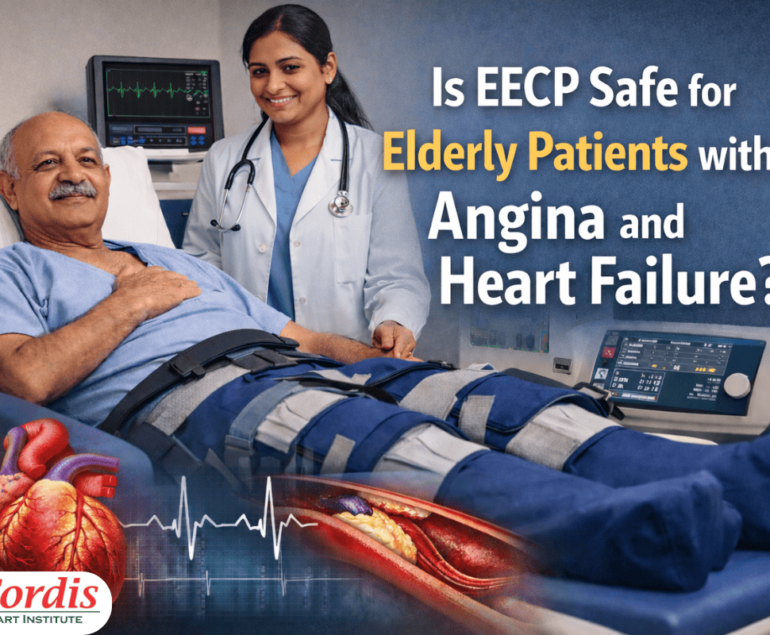
It works using inflatable cuffs wrapped around your legs. These cuffs inflate and deflate in sync with your heartbeat. This process pushes oxygen-rich blood back toward the heart, helping create natural bypasses around blocked arteries.
Why people choose EECP therapy
- No surgery, no cuts
- No anesthesia required
- No hospital stay
- Minimal risk compared to bypass surgery
Who is it for?
- Patients with heart blockage
- People suffering from angina (chest pain)
- Those not ready for or advised against surgery
In India, EECP therapy is gaining popularity as a cost-effective and safer alternative for managing heart disease.
Why Your Heart Gives Warning Signs
Your heart depends on a steady supply of oxygen-rich blood. When arteries start narrowing due to plaque buildup, the blood flow reduces. This is when your body starts sending signals.
Ignoring these early heart symptoms can lead to bigger problems later.
Common causes behind warning signs
- High cholesterol
- Smoking
- Stress and poor lifestyle
- Diabetes or high blood pressure
- Lack of physical activity
Early detection is what makes the biggest difference. Acting at the right time can help you avoid invasive treatments later.
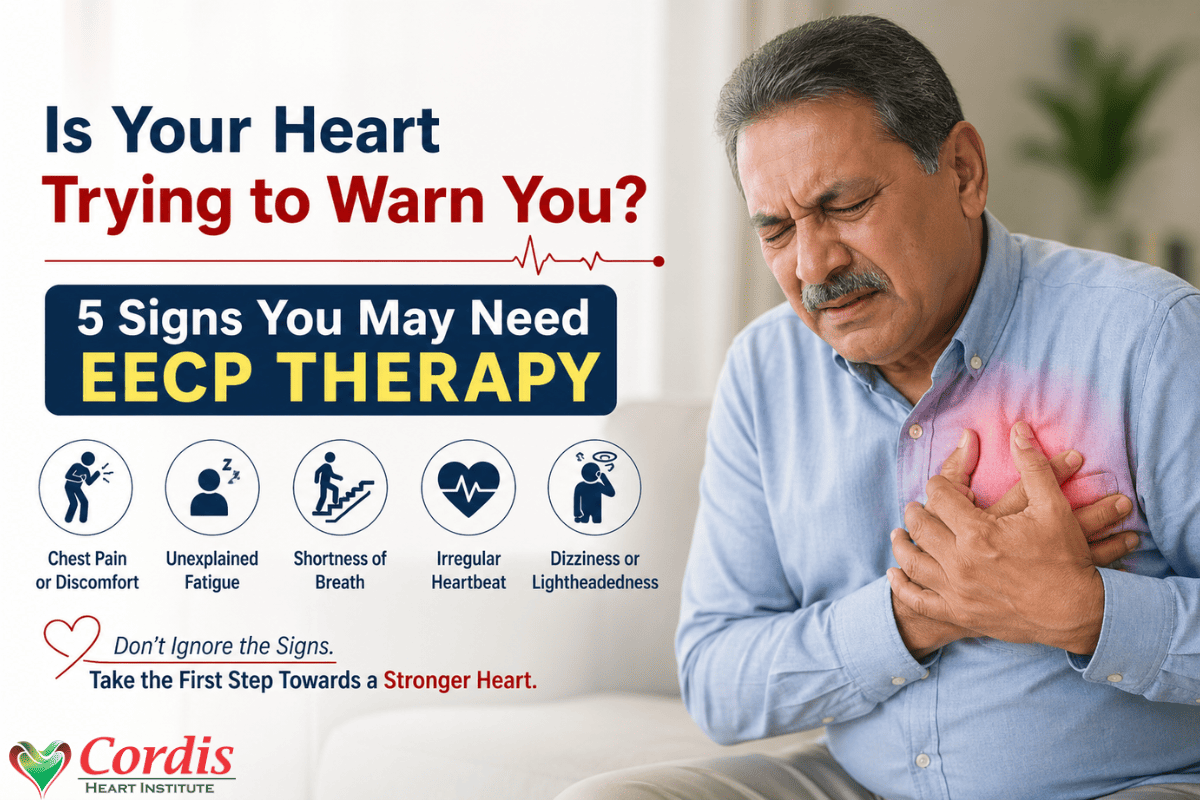
5 Signs You May Need EECP Therapy
Let’s get straight to what really matters.
1. Chest Pain or Discomfort (Angina Symptoms)
This is the most common and often ignored symptom.
You may feel:
- Tightness in the chest
- Pressure or heaviness
- Burning sensation
It usually shows up:
- While walking
- During stress
- After heavy meals
Many people look for chest pain treatment without surgery, and EECP is often recommended in such cases.
2. Shortness of Breath During Simple Activities
If climbing stairs or walking short distances leaves you breathless, it may not just be fatigue.
This happens because your heart isn’t pumping enough oxygen-rich blood.
It’s one of the early indicators of reduced heart efficiency.
3. Constant Fatigue or Low Energy
Feeling tired occasionally is normal. Feeling tired all the time is not.
When your heart struggles to circulate blood properly:
- Muscles get less oxygen
- Energy levels drop
- Daily activities feel exhausting
If rest doesn’t help, your heart might be the reason.
4. Pain in Arms, Neck, or Jaw
Heart-related pain doesn’t always stay in the chest.
It can spread to:
- Left arm
- Neck
- Jaw
- Back
This is called referred pain, and many people miss it completely.
5. Existing Heart Blockage but Avoiding Surgery
If you’ve already been diagnosed with heart blockage but are:
- Afraid of surgery
- Not eligible for bypass
- Looking for safer alternatives
EECP therapy can be a practical option.
Who Should Consider EECP Therapy?
EECP is commonly recommended for patients with:
- Coronary artery disease
- Chronic stable angina
- Recurring symptoms after stents or bypass
Who may not be suitable
- Severe valve disease
- Irregular heart rhythms
- Certain vascular conditions
A proper evaluation by a specialist like Dr Abhijit Aklujkar is necessary before starting.
Benefits of EECP Therapy
Here’s why many patients are choosing this treatment:
- Improves blood circulation naturally
- Reduces frequency of chest pain
- Helps increase stamina and energy
- Completely non-invasive
- Lower cost compared to surgery
Over time, EECP can help your body build natural bypass channels, improving long-term heart function.
EECP Treatment Process: What to Expect
Knowing what happens reduces anxiety.
Typical EECP session
- Duration: 1 hour per session
- Course: 35 sessions (usually over 6–7 weeks)
During the procedure
- You lie comfortably on a bed
- Cuffs are wrapped around your legs
- Machine syncs with your heartbeat
- Gentle pressure improves circulation
Most patients find it relaxing rather than uncomfortable.
Why Choose Cordis Heart Institute for EECP Therapy
When it comes to heart care, experience matters.
At Cordis Heart Institute, patients receive:
- Personalized treatment plans
- Advanced EECP technology
- Care under experienced cardiologist Dr Abhijit Aklujkar
- Focus on non-surgical recovery options
The goal is simple: treat the root problem while keeping the process safe and comfortable.
FAQs About EECP Therapy
Is EECP therapy safe?
Yes, it is considered safe for most patients when done under medical supervision.
How long does EECP treatment take?
Typically around 35 sessions, each lasting about one hour.
Can EECP remove heart blockage?
It doesn’t remove plaque directly but improves blood flow by forming natural bypass channels.
What is the cost of EECP therapy in India?
Costs vary by center, but it is generally more affordable than bypass surgery or angioplasty.
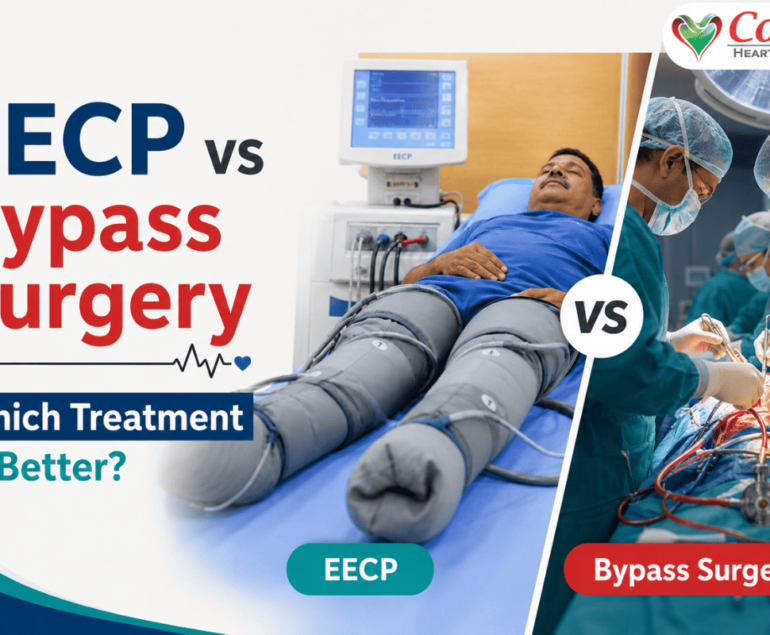
Is EECP better than bypass surgery?
It depends on the patient’s condition. EECP is ideal for those who want a non-surgical option or are not fit for surgery.
Who should avoid EECP therapy?
Patients with certain heart rhythm disorders or severe valve issues should consult a doctor before considering it.
For more medical information, you can refer to trusted organizations like American Heart Association and World Health Organization.
Conclusion: Don’t Ignore What Your Heart Is Telling You
Your heart rarely stays silent when something is wrong. The problem is, most people ignore the early warnings until it becomes serious.
If you’ve noticed any of these signs you may need EECP therapy, it’s worth getting checked.
The earlier you act, the more options you have.
Book Your Consultation Today
Don’t ignore early heart symptoms like chest pain or breathlessness. Consult Dr Abhijit Aklujkar at Cordis Heart Institute for expert advice on safe, non-surgical treatments like EECP therapy.
Take the first step toward better heart health—schedule your appointment today.
Small symptoms today can turn into major problems tomorrow. Pay attention, act early, and choose treatment options that work for your lifestyle.