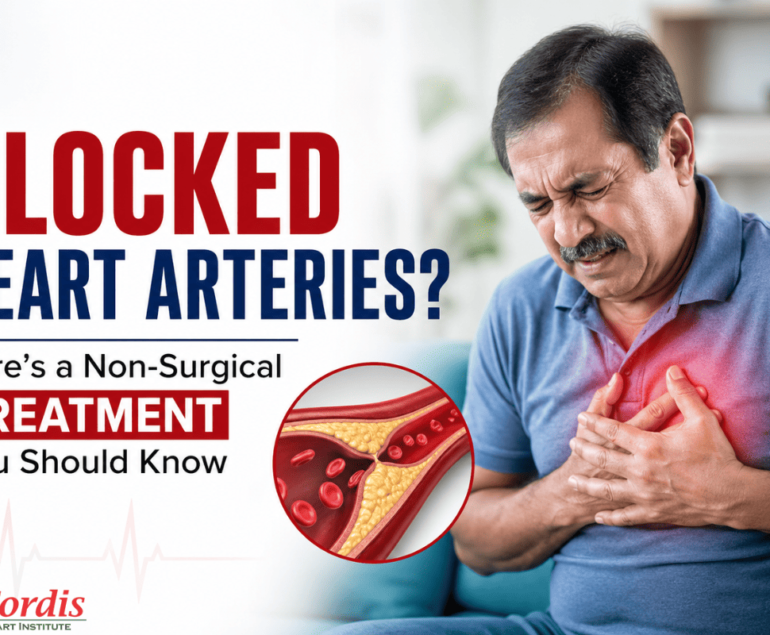
Heart surgery is one of the biggest fears for patients diagnosed with blocked arteries or coronary artery disease. The moment people hear words like “bypass surgery” or “angioplasty,” anxiety sets in. Questions about recovery, risks, expenses, and lifestyle changes start rushing through their minds.
But what if there was a non-surgical treatment that could help improve heart function and reduce symptoms without an operation?
That’s where EECP treatment comes into the picture.
In recent years, many heart patients in Solapur have started exploring EECP treatment as a possible alternative to bypass surgery or angioplasty. While it is not a replacement for surgery in every case, EECP therapy has helped many patients improve blood circulation, reduce chest pain, and return to daily life with greater comfort.
In this article, we’ll explain how EECP treatment works, whether it can actually prevent heart surgery, who can benefit from it, and what Solapur patients should know before choosing this therapy.
What Is EECP Treatment?
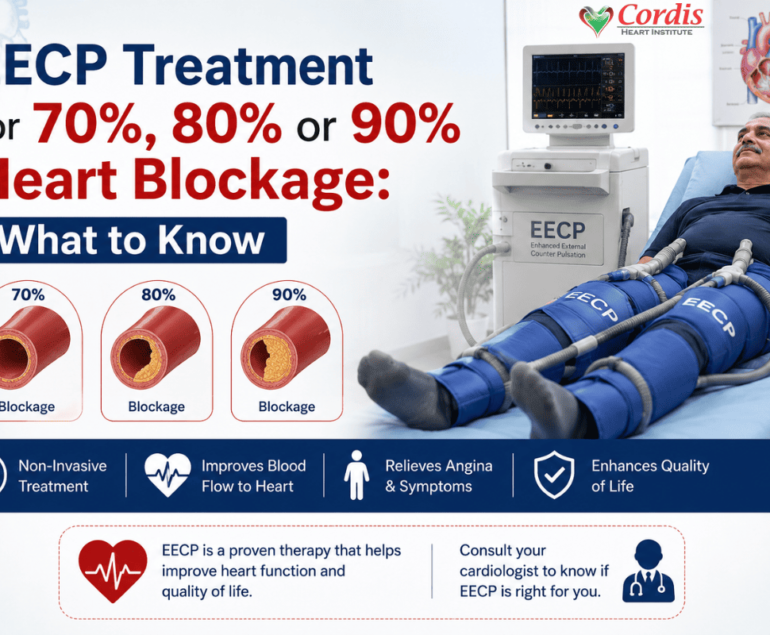
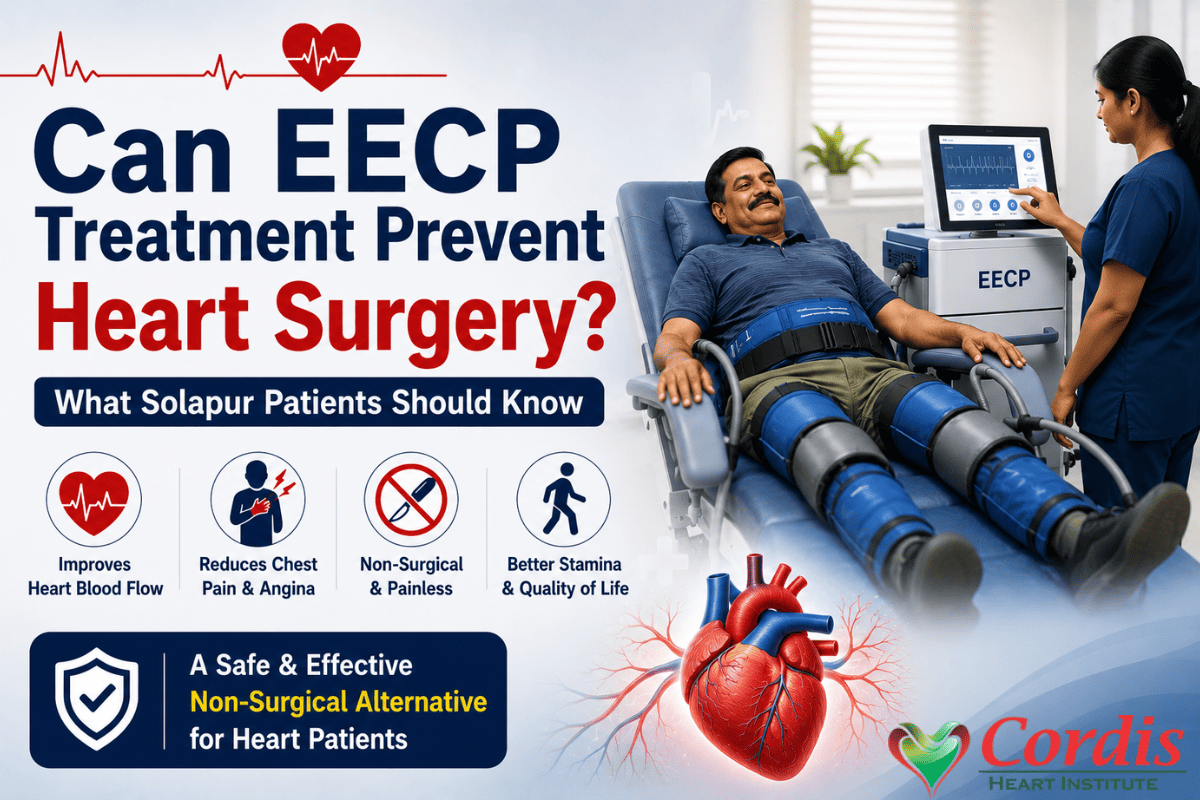
EECP stands for Enhanced External Counterpulsation. It is a non-invasive treatment designed to improve blood flow to the heart naturally.
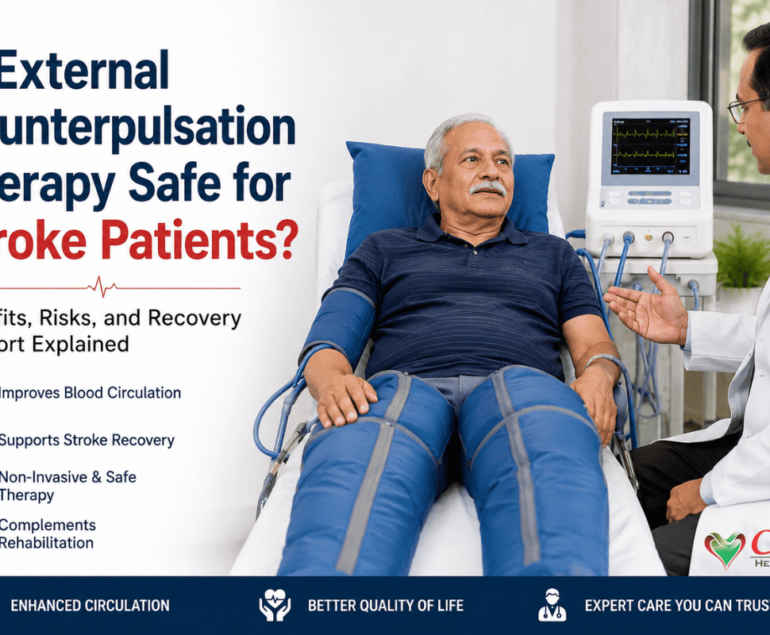
Unlike bypass surgery or angioplasty, EECP does not involve cuts, stents, anesthesia, or hospitalization. The therapy is performed using inflatable cuffs wrapped around the legs and lower body. These cuffs inflate and deflate in sync with the patient’s heartbeat.
This controlled pressure helps push oxygen-rich blood back toward the heart and encourages the formation of natural bypass channels called collateral circulation.
How EECP Improves Blood Flow
The heart needs a steady supply of oxygenated blood to function properly. When arteries become narrowed or blocked, blood flow reduces, leading to symptoms like:
- Chest pain
- Breathlessness
- Fatigue
- Reduced physical activity tolerance
EECP therapy helps improve circulation by:
- Increasing blood supply to the heart muscles
- Reducing the workload on the heart
- Improving oxygen delivery
- Encouraging new blood vessel formation
Over time, many patients experience better stamina and reduced discomfort during daily activities.
Conditions Commonly Treated With EECP
EECP treatment is often recommended for patients suffering from:
- Coronary artery disease
- Stable angina
- Heart failure
- Persistent chest pain after bypass surgery
- Reduced blood circulation to the heart
It is especially useful for patients looking for a non-surgical treatment for heart blockage.
Can EECP Treatment Prevent Heart Surgery?
This is the most common question patients ask.
The answer is: in some cases, yes. But it depends on the severity of the heart condition.
EECP treatment cannot magically remove plaque or completely cure advanced coronary artery disease. However, it may help certain patients delay or avoid surgery by improving circulation and reducing symptoms.
When EECP May Help Avoid Bypass Surgery
Patients with mild to moderate blockages often benefit the most from EECP therapy.
Doctors may recommend EECP if:
- Symptoms are stable
- Blockages are not critically severe
- The patient wants to try conservative treatment first
- Surgery carries higher risks due to age or other health conditions
Many patients report improved quality of life after completing EECP sessions. Some become able to walk longer distances, climb stairs comfortably, and perform daily tasks with less chest pain.
Can EECP Reduce the Need for Angioplasty?
In some situations, yes.
Patients with recurring angina or reduced blood flow may experience symptom relief after EECP therapy. Improved circulation can lower the intensity and frequency of chest discomfort.
That said, every patient is different. A cardiologist must carefully evaluate ECG reports, angiography findings, and overall heart function before deciding whether EECP is suitable.
Cases Where Surgery Is Still Necessary
It is important to stay realistic.
EECP is not appropriate for every heart patient. Surgery may still be necessary if the patient has:
- Severe artery blockages
- Major cardiac emergencies
- Unstable angina
- Advanced coronary disease
- Significant valve disorders
In these cases, bypass surgery or angioplasty may still be the safest option.
Benefits of EECP Treatment for Heart Patients
One reason EECP treatment in Solapur is gaining popularity is because many patients prefer non-surgical options whenever possible.
Non-Invasive and Painless
Unlike heart surgery, EECP therapy does not involve:
- Surgical cuts
- ICU stays
- Anesthesia
- Long recovery periods
Patients remain awake during treatment and can usually return home immediately after each session.
Faster Recovery Compared to Surgery
Recovery from bypass surgery can take weeks or even months. EECP therapy allows patients to continue much of their regular routine while undergoing treatment.
This is especially helpful for working professionals and elderly patients.
Improved Quality of Life
Many patients notice improvements such as:
- Reduced chest pain
- Better breathing
- Increased energy levels
- Improved sleep
- Better walking capacity
Some patients also report reduced dependency on certain medications after medical review.
Lower Risk for Elderly Patients
Older adults and patients with diabetes, kidney issues, or other complications may not always be ideal candidates for surgery.
EECP offers a safer option for people who may face higher surgical risks.
Who Is the Right Candidate for EECP Treatment?
Not every patient qualifies for EECP therapy. Proper cardiac evaluation is necessary before starting treatment.
Patients With Stable Heart Disease
EECP is often recommended for patients with:
- Stable angina
- Moderate coronary artery disease
- Reduced circulation symptoms
Patients Unfit for Surgery
Some patients are medically considered high-risk for surgery because of:
- Advanced age
- Diabetes
- Kidney disorders
- Weak heart function
For such individuals, EECP may offer symptom relief without invasive procedures.
Patients Seeking a Second Opinion
Many patients in Solapur now seek second opinions before agreeing to bypass surgery. Exploring non-surgical treatment options helps patients make more informed decisions.
Who Should Avoid EECP Therapy?
EECP may not be suitable for patients with:
- Severe valve disease
- Uncontrolled high blood pressure
- Serious arrhythmias
- Deep vein thrombosis
- Certain bleeding disorders
A cardiologist should always review medical history before beginning treatment.
EECP Treatment vs Bypass Surgery
Patients often compare EECP vs bypass surgery before deciding on treatment.
Here’s a simple comparison:
Feature | EECP Treatment | Bypass Surgery |
Procedure Type | Non-invasive | Major surgery |
Hospital Stay | Usually not required | Several days |
Recovery Time | Minimal | Weeks to months |
Anesthesia | Not needed | Required |
Risk Level | Lower | Higher |
Cost | Generally lower | Higher |
Suitable For | Mild to moderate cases | Severe blockages |
The right treatment depends entirely on the patient’s condition.
What Solapur Patients Should Know Before Choosing EECP
Choosing the right EECP center matters just as much as choosing the treatment itself.
Proper Cardiac Evaluation Is Essential
Patients should undergo:
- ECG
- Echocardiography
- Stress testing
- Angiography review
This helps determine whether EECP can actually help.
Choose an Experienced EECP Center
Look for:
- Experienced cardiologists
- Modern EECP machines
- Continuous patient monitoring
- Personalized treatment planning
Patients should avoid choosing clinics based only on low pricing.
Lifestyle Changes Improve Results
EECP works best when combined with healthy habits.
Doctors usually recommend:
- Low-fat diet
- Regular walking
- Stress management
- Smoking cessation
- Better sleep routines
Without lifestyle changes, symptoms may return over time.
Real Patient Experiences With EECP
Many patients describe EECP therapy as life-changing.
Some report being able to walk comfortably after years of chest pain. Others experience less fatigue and greater confidence in daily life.
One common experience among heart patients is the emotional relief that comes from avoiding surgery. Many elderly patients especially appreciate having a safer treatment option.
Of course, results vary from patient to patient, and outcomes depend on overall heart health.
Risks and Limitations of EECP Treatment
While EECP is generally considered safe, patients should still understand its limitations.
Possible Side Effects
Some patients may experience:
- Mild leg discomfort
- Temporary soreness
- Fatigue after sessions
- Skin irritation from cuffs
These effects are usually temporary.
EECP Is Not a Miracle Cure
EECP helps improve circulation and symptoms, but it does not permanently erase artery blockage.
Patients still need:
- Regular cardiac checkups
- Medicines
- Healthy lifestyle habits
- Long-term monitoring
Frequently Asked Questions About EECP Treatment
Can EECP completely remove heart blockage?
No. EECP does not physically remove plaque from arteries. It helps improve blood circulation and reduce symptoms naturally.
Is EECP treatment painful?
Most patients find EECP comfortable. Some feel pressure from the cuffs during therapy, but it is generally well tolerated.
How many EECP sessions are required?
Most treatment plans involve around 35 sessions over several weeks.
Is EECP safe for senior citizens?
Yes, many elderly patients tolerate EECP very well, especially those who are high-risk for surgery.
Can EECP replace bypass surgery permanently?
Not always. Some patients may still require surgery later depending on disease progression.
What is the cost of EECP treatment in Solapur?
Costs vary depending on the center, number of sessions, and patient condition.
Are EECP results long-lasting?
Results can last for years when combined with medication, diet, exercise, and healthy habits.
Final Thoughts
Heart surgery is not the only option for every patient diagnosed with coronary artery disease. In many cases, EECP treatment may help improve blood circulation, reduce symptoms, and delay the need for invasive procedures.
For patients in Solapur looking for a non-surgical treatment for heart blockage, EECP therapy offers hope, comfort, and a safer path toward better heart health.
Still, the most important step is getting the right medical evaluation. Every heart condition is different, and treatment decisions should always be guided by an experienced cardiologist.
If you or a loved one has been advised bypass surgery, consider discussing EECP treatment with a heart specialist to understand whether it could be a suitable option for your condition.
Your heart deserves informed care, timely action, and the right treatment plan.