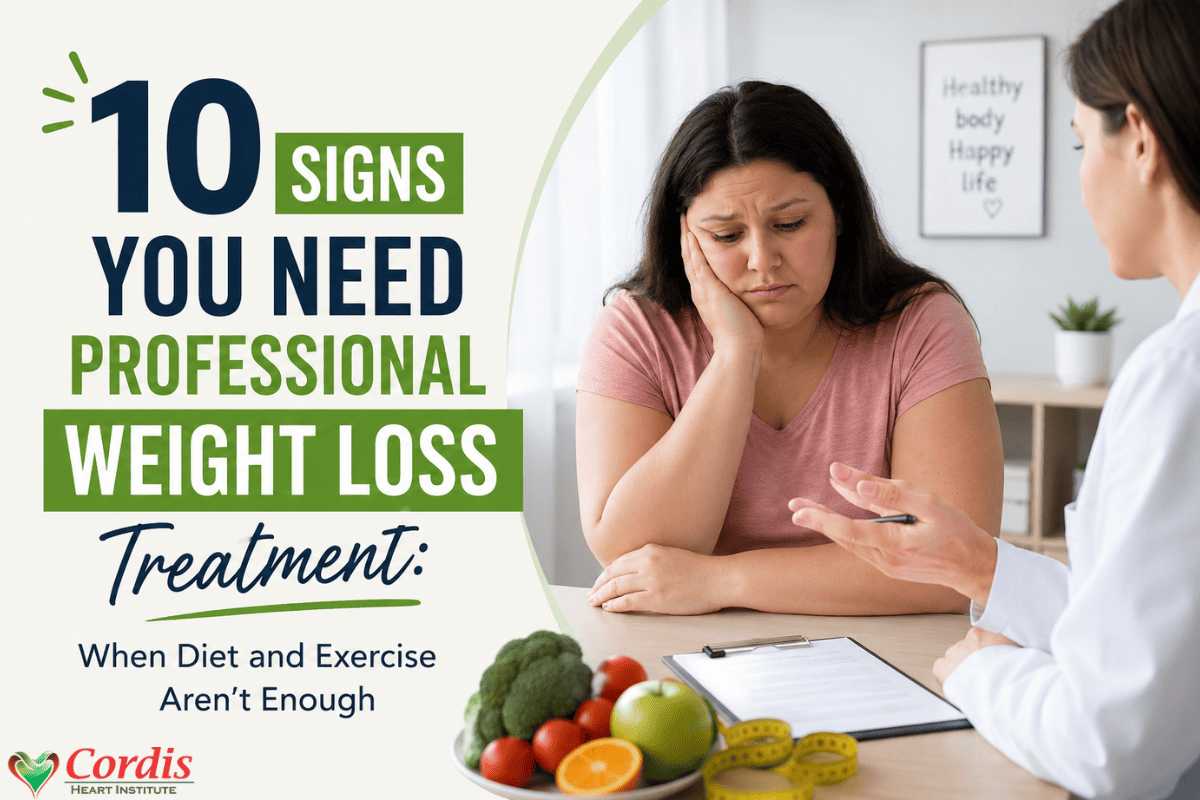
Have you ever followed a strict diet, spent hours at the gym, lost a few pounds, and then gained all the weight back?
You’re not alone.
Millions of people struggle with weight loss despite their best efforts. While social media often promotes the idea that losing weight is simply a matter of eating less and moving more, the reality is much more complicated. Genetics, hormones, metabolism, medical conditions, medications, stress, and sleep all play a role in how your body gains and loses weight.
This is why many people eventually turn to professional weight loss treatment.
A medically supervised weight loss program isn’t about taking shortcuts. It’s about identifying the root causes of weight gain and creating a personalized plan that delivers lasting results.
If you’re wondering whether it’s time to seek professional help, here are ten signs that may indicate you could benefit from medical weight loss treatment.
What Is Professional Weight Loss Treatment?
Professional weight loss treatment refers to a medically supervised approach designed to help individuals lose weight safely and maintain long-term results.
Unlike fad diets or generic fitness plans, medical weight loss programs are tailored to your unique health profile. A weight loss specialist evaluates factors such as:
- Current weight and BMI
- Medical history
- Existing health conditions
- Hormonal imbalances
- Lifestyle habits
- Nutritional needs
- Activity levels
Based on this assessment, a customized treatment plan is developed.
This may include:
- Nutrition counseling
- Exercise guidance
- Behavioral coaching
- Prescription weight loss medications
- GLP-1 weight loss therapies
- Ongoing monitoring and support
The goal is not just losing weight. The goal is improving overall health and preventing future complications.
Who Can Benefit from Professional Weight Loss Support?
Many people assume medical weight loss is only for severe obesity.
In reality, professional support can benefit anyone who:
- Struggles with repeated weight regain
- Has obesity-related health conditions
- Experiences emotional eating
- Has hormonal or metabolic challenges
- Needs a structured weight management plan
Seeking help early often prevents more serious health issues later.
10 Signs You Need Professional Weight Loss Treatment
1. You’ve Tried Multiple Diets Without Lasting Success
One of the clearest signs that you may need professional help is repeated dieting without long-term results.
You may have tried:
- Keto
- Intermittent fasting
- Low-carb diets
- Meal replacement programs
- Calorie counting apps
Perhaps they worked temporarily.
But after a few months, the weight returned.
This pattern, often called “yo-yo dieting,” can make future weight loss even harder. Repeated cycles of losing and regaining weight may affect metabolism, increase frustration, and negatively impact mental health.
A weight loss specialist can identify why previous approaches failed and create a plan designed for sustainable success.
2. Your BMI Indicates Overweight or Obesity
Body Mass Index (BMI) is one of the tools healthcare providers use to assess weight-related health risks.
General BMI categories include:
- 18.5–24.9: Healthy weight
- 25–29.9: Overweight
- 30 and above: Obesity
While BMI doesn’t tell the whole story, consistently falling within overweight or obesity ranges may increase your risk of developing serious health conditions.
Professional obesity treatment can help address these risks before they lead to long-term complications.
3. You Have Weight-Related Health Conditions
Excess weight affects far more than appearance.
It can significantly increase the risk of:
Type 2 Diabetes
Excess body fat can contribute to insulin resistance, making it harder for the body to regulate blood sugar levels.
High Blood Pressure
Carrying extra weight places additional strain on the heart and blood vessels.
Sleep Apnea
Many individuals with obesity experience interrupted breathing during sleep, leading to fatigue and cardiovascular risks.
Heart Disease
Obesity is closely linked to increased cholesterol levels, inflammation, and cardiovascular problems.
If your doctor has diagnosed any of these conditions, professional weight loss treatment may become an important part of your overall care plan.
4. You Experience Emotional or Stress Eating
Food is often connected to emotions.
Stress, anxiety, loneliness, boredom, and frustration can trigger eating habits that have little to do with physical hunger.
Signs of emotional eating include:
- Eating when stressed
- Frequent cravings for comfort foods
- Feeling guilty after eating
- Loss of control around food
Professional weight loss programs often include behavioral counseling to help identify emotional triggers and build healthier coping strategies.
Addressing these patterns can be just as important as changing your diet.
5. Your Weight Is Affecting Your Mobility and Daily Life
Weight gain can gradually impact everyday activities.
You may notice:
- Difficulty climbing stairs
- Joint pain
- Back pain
- Shortness of breath
- Fatigue during routine tasks
These symptoms can create a cycle where physical activity becomes harder, leading to further weight gain.
Medical weight loss treatment helps break that cycle through safe, structured strategies designed to improve mobility and quality of life.
6. You Have a Slow Metabolism or Hormonal Issues
Many people blame themselves when they struggle to lose weight. In reality, underlying medical conditions may be making weight loss much harder than it should be.
Several hormonal and metabolic disorders can contribute to weight gain, including:
Hypothyroidism
An underactive thyroid slows metabolism, making it easier to gain weight and harder to lose it.
Polycystic Ovary Syndrome (PCOS)
PCOS affects hormone levels and is often associated with insulin resistance and weight gain.
Insulin Resistance
When cells become less responsive to insulin, the body may store more fat and experience stronger hunger signals.
Menopause and Age-Related Hormonal Changes
Changes in hormone production can alter body composition and fat distribution.
If you’ve been eating well and exercising consistently but still aren’t seeing results, it may be time to consult a medical weight loss clinic. Professional testing can identify issues that traditional diets cannot address.
7. You Need Prescription Weight Loss Medication
For some individuals, lifestyle changes alone may not be enough.
Medical advances have created several prescription medications that can support weight loss when combined with proper nutrition and exercise.
These treatments may be recommended if:
- Your BMI is 30 or higher
- Your BMI is 27 or higher with obesity-related health conditions
- Previous weight loss attempts have been unsuccessful
In recent years, GLP-1 weight loss medications have gained significant attention because they help regulate appetite, slow digestion, and improve blood sugar control.
However, these medications should only be used under medical supervision. A weight loss specialist can determine whether medication is appropriate based on your health history and goals.
8. You Lack a Personalized Weight Loss Plan
One of the biggest reasons people struggle with weight loss is that they follow generic advice.
You’ve probably seen recommendations such as:
- Eat 1,200 calories per day
- Cut all carbs
- Do cardio every day
- Avoid eating after 7 PM
The problem is that no two people have the same body, metabolism, lifestyle, or medical history.
A professional weight loss treatment program creates a customized plan based on factors such as:
- Age
- Gender
- Activity level
- Medical conditions
- Nutritional requirements
- Personal goals
Personalization often makes the difference between temporary weight loss and lasting success.
9. Your Weight Is Impacting Your Mental Health
Weight struggles often affect emotional well-being as much as physical health.
Many people experience:
- Low self-confidence
- Social anxiety
- Depression
- Feelings of guilt or shame
- Negative body image
Unfortunately, emotional distress can sometimes trigger unhealthy eating habits, creating a cycle that’s difficult to break.
Professional weight loss programs recognize the connection between mental and physical health. Many include behavioral coaching, counseling, and accountability systems that help patients build a healthier relationship with food and their bodies.
Successful weight management isn’t only about the number on the scale. It’s about improving quality of life.
10. Your Doctor Has Recommended Weight Loss Treatment
Sometimes the clearest sign comes directly from your healthcare provider.
Doctors may recommend professional weight loss treatment if they believe excess weight is increasing your risk for:
- Type 2 diabetes
- Heart disease
- Stroke
- Sleep apnea
- Joint damage
- Fatty liver disease
Medical intervention can help prevent these conditions from worsening and may even reduce the need for certain medications over time.
If your doctor has advised weight loss treatment, taking action sooner rather than later can have a major impact on your long-term health.
Benefits of Professional Weight Loss Treatment
Personalized Treatment Plans
Every person has unique challenges and goals.
Professional programs create customized strategies rather than relying on one-size-fits-all solutions.
This increases adherence and improves long-term outcomes.
Medical Monitoring and Safety
Extreme diets and unverified supplements can carry health risks.
Medical supervision ensures that weight loss occurs safely while monitoring:
- Blood pressure
- Blood sugar levels
- Cholesterol
- Hormonal markers
- Medication interactions
This approach helps protect overall health during the weight loss journey.
Access to Advanced Weight Loss Therapies
Many people don’t realize that effective medical treatments now exist beyond traditional dieting.
These may include:
- Prescription medications
- GLP-1 therapies
- Behavioral counseling
- Metabolic assessments
- Specialized nutrition programs
Having access to evidence-based treatment options can dramatically improve results.
Sustainable Long-Term Results
The ultimate goal isn’t simply losing weight.
The goal is maintaining a healthy weight for years to come.
Professional programs focus on:
- Habit formation
- Lifestyle modification
- Ongoing accountability
- Relapse prevention
This reduces the likelihood of regaining lost weight.
Expert Support and Accountability
Weight loss can feel overwhelming when you’re doing it alone.
Working with a weight loss specialist provides:
- Guidance
- Motivation
- Education
- Progress tracking
- Ongoing support
Having experts in your corner often makes the journey more manageable and successful.
What to Expect from a Medical Weight Loss Program
Most programs begin with a detailed assessment that may include:
Initial Health Evaluation
A review of:
- Medical history
- Current medications
- Lifestyle habits
- Previous weight loss attempts
Body Composition Analysis
Understanding how much weight comes from fat, muscle, and water provides a more accurate picture than scale weight alone.
Nutrition Counseling
Patients receive practical guidance on:
- Portion control
- Meal planning
- Healthy food choices
- Sustainable eating habits
Exercise Recommendations
Programs typically provide activity plans tailored to current fitness levels and physical limitations.
Medication and GLP-1 Options
When appropriate, physicians may recommend prescription treatments to support weight loss goals.
Progress Monitoring
Regular check-ins help ensure steady progress and allow adjustments when necessary.
How to Choose the Right Weight Loss Specialist
Not all programs are created equal.
Look for providers who offer:
Medical Expertise
Choose clinics staffed by licensed healthcare professionals with experience in obesity management.
Customized Treatment Plans
Avoid programs that use the same approach for every patient.
Multiple Treatment Options
The best clinics provide nutrition support, exercise guidance, behavioral counseling, and medical therapies when appropriate.
Positive Reviews and Results
Patient testimonials and success stories can offer valuable insights into program effectiveness.
Long-Term Support
Weight management is an ongoing process. Continued follow-up care often leads to better outcomes.
Professional Weight Loss Treatment vs. DIY Weight Loss
Many people attempt weight loss independently, and some succeed.
However, professional treatment offers several advantages.
Professional Treatment | DIY Weight Loss |
Medical supervision | Self-directed |
Personalized plans | Generic advice |
Ongoing accountability | Limited support |
Evidence-based treatments | Trial and error |
Long-term strategy | Short-term focus |
While DIY approaches can work for some individuals, professional guidance often leads to faster, safer, and more sustainable results.
Frequently Asked Questions
How do I know if I need professional weight loss treatment?
If you’ve repeatedly struggled to lose weight, have obesity-related health conditions, or feel stuck despite healthy habits, professional support may be beneficial.
What BMI qualifies for medical weight loss programs?
Many programs accept patients with a BMI of 30 or higher, or 27 and above when accompanied by weight-related medical conditions.
Are GLP-1 weight loss medications safe?
When prescribed and monitored by qualified healthcare professionals, GLP-1 medications can be safe and effective for many patients.
Can a weight loss specialist help if diet and exercise aren’t working?
Yes. Specialists can identify medical, hormonal, behavioral, or lifestyle factors that may be preventing progress.
How much weight can I lose with a medical weight loss program?
Results vary depending on individual circumstances, adherence, and treatment methods. Sustainable weight loss is typically gradual and consistent.
Does insurance cover obesity treatment?
Coverage varies by provider, policy, and treatment type. Patients should verify benefits directly with their insurance company.
What’s the difference between a nutritionist and a weight loss doctor?
A nutritionist focuses primarily on dietary guidance, while a weight loss doctor can diagnose medical conditions, prescribe medications, and oversee a complete treatment plan.
Are medical weight loss results permanent?
Results can be maintained long-term when healthy habits and ongoing support systems remain in place.
Don’t Ignore the Warning Signs
Losing weight isn’t always as simple as eating less and exercising more.
For many people, factors such as hormones, medical conditions, emotional eating, genetics, and metabolic challenges create obstacles that cannot be solved through willpower alone.
If you’ve experienced several of the signs discussed in this article, seeking professional weight loss treatment could be one of the most important investments you make in your health.
The right medical weight loss program doesn’t just help you lose weight. It helps you improve energy levels, reduce health risks, build healthier habits, and regain confidence.
You don’t have to continue struggling on your own.
Ready to Take Control of Your Weight and Health?
If you’ve tried multiple diets without success, are dealing with obesity-related health conditions, or simply want a personalized approach that works, now may be the time to consult a qualified weight loss specialist.
A professional medical weight loss program can provide the tools, support, and treatment options needed to achieve safe and lasting results.
Your healthiest future starts with a single step. Schedule a consultation and discover a weight loss plan designed specifically for you.