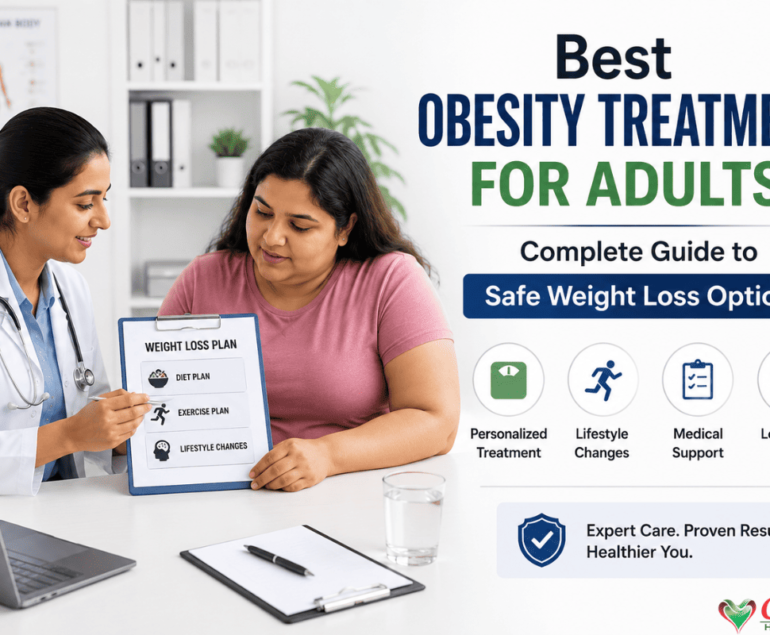
Living with diabetes can make losing weight more difficult than many people realize. Blood sugar fluctuations, insulin resistance, certain medications, and unhealthy lifestyle habits often work together, making it challenging to maintain a healthy weight. At the same time, carrying extra weight can make diabetes harder to control and increase the risk of heart disease, high blood pressure, and other health problems.
This is where a weight loss clinic for diabetes can make a real difference. Instead of following crash diets or relying on advice that may not suit your condition, a medically supervised weight loss program provides a personalized approach based on your health, medical history, and lifestyle.
At Cordis Heart Institute, our team believes that successful weight loss is about improving overall health rather than simply reducing the number on the weighing scale. Our doctor-supervised programs focus on safe weight loss, better blood sugar control, and long-term lifestyle changes that help patients maintain healthy results.
Whether you have Type 2 diabetes, prediabetes, or obesity, the right support can help you lose weight safely while reducing your risk of diabetes-related complications.
Why Weight Management Is Important for People with Diabetes
The Link Between Diabetes and Obesity
Excess body fat, particularly around the abdomen, makes it harder for the body to use insulin effectively. This condition, known as insulin resistance, causes blood sugar levels to remain high.
As insulin resistance worsens, the pancreas has to produce more insulin to keep blood sugar under control. Over time, this can contribute to the development or progression of Type 2 diabetes.
Being overweight also increases inflammation throughout the body, making diabetes management more difficult.
Health Risks of Excess Weight in Diabetic Patients
People with diabetes who are overweight have a higher chance of developing:
- Heart disease
- High blood pressure
- High cholesterol
- Stroke
- Fatty liver disease
- Kidney disease
- Sleep apnea
- Joint pain
These conditions often develop gradually and may affect overall quality of life.
Benefits of Losing Even 5% to 10% of Body Weight
Many people believe they need to lose a large amount of weight before seeing health improvements. In reality, losing just 5% to 10% of body weight can provide noticeable health benefits.
These may include:
- Better blood sugar control
- Improved insulin sensitivity
- Lower blood pressure
- Reduced cholesterol levels
- Improved energy levels
- Lower risk of heart disease
- Better mobility
Small, steady progress is usually more effective than rapid weight loss.
How a Weight Loss Clinic Supports Diabetic Patients
Trying to lose weight without medical guidance can be frustrating, especially for people with diabetes. Every patient responds differently to diet and exercise, making personalized care important.
Medical Evaluation Before Starting Treatment
Before recommending a treatment plan, doctors evaluate:
- Current weight and BMI
- Blood sugar levels
- HbA1c
- Blood pressure
- Cholesterol profile
- Medical history
- Current medications
- Lifestyle habits
This helps identify the safest and most effective weight loss strategy.
Personalized Weight Loss Plans
There is no single diet that works for everyone.
At Cordis Heart Institute, treatment plans are customized based on:
- Age
- Existing medical conditions
- Daily routine
- Food preferences
- Physical activity level
- Weight loss goals
Personalized care improves long-term success because patients receive practical advice they can actually follow.
Nutrition Guidance for Blood Sugar Control
Healthy eating is one of the most effective ways to manage diabetes.
Patients receive guidance on:
- Portion control
- Balanced meals
- High-fiber foods
- Lean protein
- Healthy fats
- Low-glycemic carbohydrates
- Healthy snack options
Rather than eliminating favorite foods completely, the focus is on creating sustainable eating habits.
Safe Exercise Recommendations
Exercise helps improve insulin sensitivity while supporting healthy weight loss.
Depending on each patient’s health, recommendations may include:
- Walking
- Cycling
- Swimming
- Strength training
- Stretching
- Low-impact aerobic exercise
Exercise plans are adjusted according to age, fitness level, and existing medical conditions.
Lifestyle Changes That Support Long-Term Weight Loss
Successful weight management involves more than diet and exercise.
Patients are encouraged to:
- Sleep 7 to 8 hours daily
- Reduce stress
- Stay hydrated
- Maintain consistent meal timings
- Avoid prolonged sitting
- Monitor weight regularly
These habits support lasting results.
Regular Monitoring of Blood Sugar and Weight Progress
Regular follow-up appointments help doctors monitor:
- Weight loss progress
- Blood sugar levels
- Blood pressure
- Medication requirements
- Overall health
Adjustments are made whenever necessary to keep the treatment safe and effective.
Weight Loss Treatments Available at Cordis Heart Institute
Our weight management programs combine medical care with lifestyle support.
These may include:
Doctor-Supervised Weight Loss Programs
Each treatment plan is monitored by healthcare professionals to ensure steady and healthy weight loss.
Customized Diet Plans
Meal plans are designed according to the patient’s nutritional requirements, health condition, and personal preferences.
Physical Activity Guidance
Patients receive exercise recommendations that fit their current fitness level and medical condition.
Behavioral and Lifestyle Counseling
Changing long-term habits is one of the most important parts of successful weight loss.
Counseling helps patients overcome emotional eating, poor food choices, and unhealthy routines.
Ongoing Follow-Up and Progress Tracking
Regular reviews help patients stay motivated while allowing doctors to modify treatment plans whenever needed.
How Weight Loss Improves Diabetes
Losing weight benefits much more than appearance. It directly improves the body’s ability to manage diabetes.
Better Blood Sugar Control
Weight loss helps the body use insulin more efficiently, leading to improved blood glucose control.
Improved Insulin Sensitivity
As excess body fat decreases, insulin resistance often improves, making diabetes easier to manage.
Reduced Risk of Heart Disease
Diabetes increases the risk of cardiovascular disease.
Weight loss helps reduce several major risk factors, including high blood pressure, cholesterol, and inflammation.
Better Blood Pressure and Cholesterol Levels
Healthy weight loss often contributes to:
- Lower LDL cholesterol
- Higher HDL cholesterol
- Reduced triglycerides
- Better blood pressure
These improvements support both heart health and diabetes management.
Improved Energy and Daily Activities
Patients frequently report:
- Better stamina
- Less fatigue
- Improved mobility
- Better sleep quality
- Greater confidence
Who Should Visit a Weight Loss Clinic?
You may benefit from professional weight loss treatment if you:
- Have Type 2 diabetes
- Have prediabetes
- Are overweight or obese
- Have difficulty controlling blood sugar
- Have tried multiple diets without success
- Need guidance from healthcare professionals
- Want safe, long-term weight loss
Early intervention often produces better results.
Healthy Weight Loss Tips for People with Diabetes
Eat Balanced Meals
Include vegetables, whole grains, lean protein, and healthy fats.
Monitor Portion Sizes
Even healthy foods should be eaten in appropriate portions.
Stay Physically Active
Aim for at least 150 minutes of moderate exercise each week, if recommended by your doctor.
Drink Enough Water
Proper hydration supports metabolism and overall health.
Sleep Well
Poor sleep can affect hunger hormones and blood sugar control.
Manage Stress
Chronic stress may increase blood sugar levels and emotional eating.
Simple activities such as walking, meditation, and breathing exercises can help.
Why Choose Cordis Heart Institute for Weight Loss Treatment?
Choosing the right weight loss clinic is an important step toward improving your health. At Cordis Heart Institute, we focus on helping patients achieve sustainable weight loss through medically supervised care rather than quick fixes.
Experienced Medical Team
Our healthcare professionals understand the unique challenges faced by people with diabetes and obesity. Every treatment plan is created with your overall health in mind.
Personalized Patient Care
No two patients have the same health history, lifestyle, or goals. We design individualized weight loss plans that fit your needs and can be followed in everyday life.
Evidence-Based Weight Management Programs
Our approach is based on established medical guidelines, balanced nutrition, physical activity, and regular health monitoring to support safe weight loss.
Focus on Long-Term Results
Instead of promoting rapid weight loss, we help patients build healthy habits that support lasting improvements in weight, blood sugar, and overall well-being.
Comprehensive Care for Diabetes and Heart Health
Managing diabetes is closely linked to protecting heart health. Our team takes a holistic approach by addressing weight, blood sugar, blood pressure, cholesterol, and lifestyle factors together.
Frequently Asked Questions (FAQs)
Can losing weight improve diabetes?
Yes. Even a modest weight loss of 5% to 10% of your body weight can improve blood sugar control and insulin sensitivity.
How much weight should a diabetic patient lose?
The ideal goal varies from person to person. Your doctor will recommend a safe and realistic target based on your health condition.
Is it safe to lose weight if I have diabetes?
Yes, when weight loss is supervised by healthcare professionals. A medically guided plan helps prevent sudden blood sugar changes and nutritional deficiencies.
What foods help diabetic patients lose weight?
A balanced diet that includes vegetables, fruits, whole grains, lean protein, legumes, healthy fats, and high-fiber foods can support healthy weight loss while helping control blood sugar.
Can a weight loss clinic help reduce diabetes medication?
In some cases, improved weight and blood sugar control may allow your doctor to adjust medications. Never stop or change medication without medical advice.
How long does a medical weight loss program take?
Weight loss is a gradual process. The duration depends on your starting weight, health goals, and commitment to the treatment plan.
When should I visit a weight loss clinic?
If you have diabetes, prediabetes, obesity, or have struggled to lose weight through diet and exercise alone, it is a good time to seek professional guidance.
Does Cordis Heart Institute offer personalized weight loss treatment?
Yes. Our medical team creates individualized weight management programs based on your health condition, lifestyle, and long-term goals.
Conclusion
Managing diabetes becomes easier when you achieve and maintain a healthy weight. A medically supervised weight loss program provides the guidance, structure, and ongoing support needed to make safe, lasting changes.
At Cordis Heart Institute, we help patients take control of their health with personalized treatment plans that focus on weight management, better blood sugar control, and improved heart health. By combining medical expertise with practical lifestyle advice, we aim to help every patient build habits that lead to long-term success.
Ready to take control of your weight and diabetes?
The experienced team at Cordis Heart Institute offers personalized weight loss programs designed to help you lose weight safely, improve blood sugar control, and support a healthier heart.
Book your consultation today and begin your journey toward better health.