Losing weight is rarely as simple as eating less and exercising more. For many people, obesity is influenced by hormones, metabolism, genetics, lifestyle habits, and underlying medical conditions. Despite repeated efforts, countless individuals struggle to achieve meaningful and lasting weight loss.
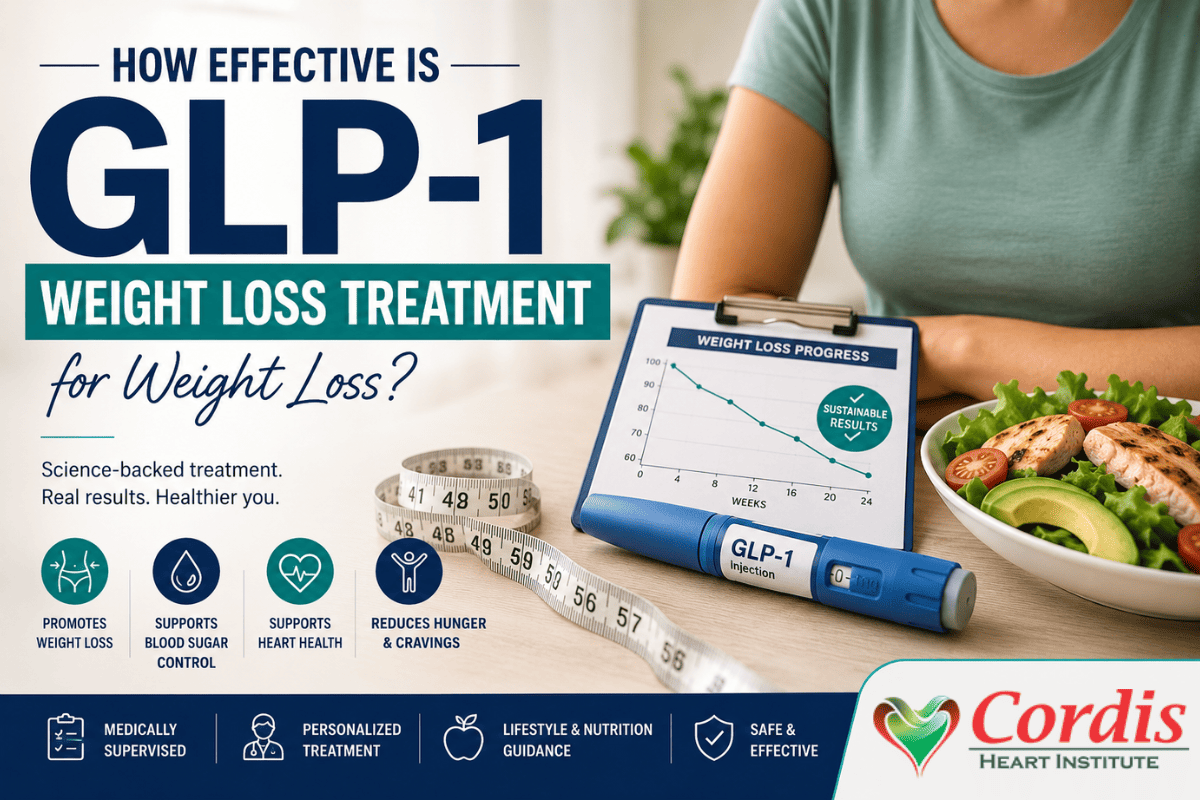
This is where GLP-1 weight loss treatment has gained attention. Originally developed to help manage Type 2 diabetes, GLP-1 medications have shown impressive results in helping people lose weight and maintain healthier lifestyles.
But how effective is GLP-1 weight loss treatment? Is it safe? Who is a good candidate? And what kind of results can you realistically expect?
In this guide, the specialists at Cordis Heart Institute explain everything you need to know about GLP-1 therapy, including benefits, effectiveness, side effects, and long-term weight management strategies.
What Is GLP-1 Weight Loss Treatment?
GLP-1 stands for Glucagon-Like Peptide-1, a naturally occurring hormone produced in the intestines after eating. This hormone plays an important role in regulating appetite, blood sugar levels, and digestion.
GLP-1 medications are designed to mimic this natural hormone, helping people feel full sooner and stay satisfied longer.
How GLP-1 Medications Support Weight Loss
GLP-1 medications work in several ways:
- Reduce hunger and food cravings
- Slow stomach emptying
- Increase feelings of fullness
- Improve insulin function
- Help stabilize blood sugar levels
- Support healthier eating habits
Because these medications target appetite regulation rather than relying solely on willpower, many patients find it easier to maintain a calorie deficit and lose weight consistently.
How Effective Is GLP-1 Weight Loss Treatment?
The effectiveness of GLP-1 treatment has been one of the biggest reasons for its growing popularity.
Clinical studies have demonstrated that patients using GLP-1 medications alongside lifestyle modifications can achieve substantial weight loss compared to traditional approaches alone.
What Do Clinical Studies Show?
Research has found that many patients lose between 10% and 20% of their body weight, depending on factors such as:
- Starting weight
- Medication type
- Dosage
- Dietary habits
- Physical activity levels
- Treatment duration
Some patients experience even greater results when treatment is closely monitored by healthcare professionals.
The key advantage is that GLP-1 therapy addresses biological factors that often make weight loss difficult, such as persistent hunger and poor appetite control.
Realistic Weight Loss Expectations
While results vary, a general timeline may look like this:
After 1 Month
- Reduced appetite
- Better portion control
- Initial weight loss of 2-5 pounds
After 3 Months
- Noticeable body weight reduction
- Improved eating habits
- Better energy levels
After 6 Months
- Significant fat loss
- Improved metabolic health
- Reduced waist circumference
After 12 Months
- Potential loss of 10-20% of body weight
- Better long-term weight maintenance
- Reduced obesity-related health risks
The most successful patients combine medication with healthy lifestyle changes rather than relying on medication alone.
Who Is an Ideal Candidate for GLP-1 Weight Loss Treatment?
GLP-1 therapy may be appropriate for individuals who have struggled to lose weight through conventional methods.
BMI Requirements and Eligibility
You may be a candidate if you have:
- A Body Mass Index (BMI) of 30 or higher
- A BMI of 27 or higher with weight-related health conditions
- Difficulty maintaining weight loss despite diet and exercise efforts
A healthcare provider can determine whether GLP-1 treatment is suitable based on your medical history and current health status.
Health Conditions That May Benefit
Type 2 Diabetes
GLP-1 medications help regulate blood sugar while supporting weight loss.
High Blood Pressure
Weight reduction often contributes to improved blood pressure control.
Heart Disease Risk Factors
Lower body weight can help reduce cardiovascular risk.
Metabolic Syndrome
Patients with insulin resistance and metabolic disorders may experience meaningful improvements.
Benefits of GLP-1 Weight Loss Treatment Beyond Weight Loss
Although weight loss is often the primary goal, the benefits extend much further.
Improved Blood Sugar Management
Many patients experience better glucose control and improved insulin sensitivity.
Better Heart Health
Excess weight places additional strain on the cardiovascular system. Losing weight can contribute to healthier blood pressure, cholesterol levels, and overall heart function.
Reduced Risk of Obesity-Related Diseases
Obesity increases the risk of numerous health conditions, including:
- Type 2 diabetes
- Heart disease
- Stroke
- Sleep apnea
- Fatty liver disease
Sustainable weight loss may help lower these risks.
Enhanced Energy and Mobility
Patients frequently report:
- Increased stamina
- Improved mobility
- Better physical performance
- Less joint discomfort
Long-Term Lifestyle Improvements
As appetite becomes easier to manage, many people develop healthier eating patterns that support long-term success.
What Are the Most Common GLP-1 Medications?
Several GLP-1 medications are currently used in medical weight loss programs.
Semaglutide
Semaglutide has become one of the most widely discussed weight loss medications due to its strong clinical results.
Potential benefits include:
- Significant appetite reduction
- Once-weekly administration
- Strong weight loss outcomes
Tirzepatide
Tirzepatide works through multiple hormonal pathways and has demonstrated substantial weight loss results in many patients.
Liraglutide
Liraglutide is another established option that has helped many individuals achieve meaningful weight reduction.
How These Medications Compare
When comparing medications, healthcare providers consider:
Effectiveness
Different medications may produce different levels of weight loss.
Dosage Frequency
Some are taken daily, while others are administered weekly.
Expected Results
Treatment plans should be personalized based on individual health goals and medical needs.
How Long Does It Take to See Results With GLP-1 Treatment?
One of the most common questions patients ask is how quickly results appear.
Early Changes During the First Few Weeks
Many individuals notice:
- Reduced hunger
- Smaller portion sizes
- Fewer cravings
- Improved eating control
These early changes often create momentum for continued success.
Monthly Progress Timeline
Weight loss tends to occur gradually over several months rather than overnight.
Steady progress is generally more sustainable than rapid weight loss.
Factors That Affect Weight Loss Results
Diet Quality
Nutritious foods support better outcomes.
Physical Activity
Regular exercise helps preserve muscle mass and increase calorie expenditure.
Medication Adherence
Consistent use is essential for optimal results.
Sleep and Stress Levels
Poor sleep and chronic stress can interfere with weight loss efforts.
Potential Side Effects of GLP-1 Weight Loss Treatment
Like any medical treatment, GLP-1 therapy can have side effects.
Common Side Effects
Some patients experience:
- Nausea
- Vomiting
- Diarrhea
- Constipation
- Mild stomach discomfort
These effects are often temporary and may improve as the body adjusts.
How to Manage Side Effects
Helpful strategies include:
- Eating smaller meals
- Staying hydrated
- Avoiding high-fat foods
- Following your healthcare provider’s guidance
When to Contact Your Healthcare Provider
Seek medical advice if side effects become severe, persistent, or interfere with daily activities.
GLP-1 Weight Loss Treatment vs Traditional Weight Loss Methods
Diet and Exercise Alone
Diet and exercise remain the foundation of weight management. However, many individuals struggle with persistent hunger and metabolic challenges.
GLP-1 therapy may help address these obstacles.
Weight Loss Medications
Traditional weight loss medications often work differently and may produce varying results.
Bariatric Surgery
Weight loss surgery can be highly effective but involves a more invasive approach.
GLP-1 therapy offers a non-surgical weight loss option that may be appropriate for many patients.
Why Many Patients Choose GLP-1 Therapy
Patients often appreciate:
- Non-surgical treatment
- Clinically proven results
- Better appetite control
- Medical supervision
- Long-term support
How Cordis Heart Institute Supports Safe and Effective Weight Loss
Successful weight loss requires more than a prescription.
At Cordis Heart Institute, patients receive personalized care designed to support long-term health improvements.
Personalized Weight Loss Assessments
Every patient undergoes a detailed evaluation to identify the factors contributing to weight gain.
Medical Monitoring and Follow-Up
Regular monitoring helps ensure treatment remains safe and effective.
Lifestyle and Nutrition Guidance
Sustainable weight loss requires healthy habits. Patients receive practical guidance on nutrition, exercise, and behavior changes.
Long-Term Weight Management Strategies
The goal is not simply losing weight but maintaining results over time.
Why Choose Cordis Heart Institute?
- Experienced healthcare professionals
- Personalized treatment plans
- Ongoing support and monitoring
- Focus on metabolic and cardiovascular health
- Evidence-based medical weight loss programs
Frequently Asked Questions
Does GLP-1 Weight Loss Treatment Really Work?
Yes. Clinical studies and real-world experience show that GLP-1 medications can help many patients achieve meaningful weight loss when combined with lifestyle changes.
How Much Weight Can I Lose With GLP-1?
Many patients lose between 10% and 20% of their body weight, although individual results vary.
Is GLP-1 Safe for Long-Term Use?
When prescribed and monitored by qualified healthcare professionals, GLP-1 medications are considered safe for many patients.
Can I Stop Taking GLP-1 After Reaching My Goal Weight?
Some individuals may regain weight after stopping treatment. Long-term management strategies should be discussed with your healthcare provider.
Are GLP-1 Injections Painful?
Most patients describe the injections as quick and relatively comfortable.
How Quickly Will I Notice Results?
Many patients notice appetite changes within the first few weeks.
Is GLP-1 Better Than Weight Loss Surgery?
The answer depends on individual health needs, weight loss goals, and medical history.
What Foods Should I Eat While Taking GLP-1 Medication?
Focus on lean protein, vegetables, fruits, whole grains, and adequate hydration.
Can GLP-1 Help People Without Diabetes Lose Weight?
Yes. Many GLP-1 medications are prescribed specifically for weight management in eligible individuals without diabetes.
Where Can I Get GLP-1 Weight Loss Treatment Near Me?
Consult a qualified healthcare provider or a medically supervised weight management program such as those offered by Cordis Heart Institute.
Final Thoughts: Is GLP-1 Weight Loss Treatment Right for You?
GLP-1 weight loss treatment has changed the way obesity is managed. By helping control appetite, improve blood sugar regulation, and support sustainable weight loss, these medications offer new possibilities for people who have struggled with traditional methods.
However, the best results come from a combination of medical supervision, healthy eating, physical activity, and long-term lifestyle changes.
If you are looking for a safe, evidence-based approach to weight management, the team at Cordis Heart Institute can help determine whether GLP-1 therapy is right for you.
Take the first step toward better health today. Schedule a consultation with Cordis Heart Institute and discover a personalized path to sustainable weight loss and improved well-being.