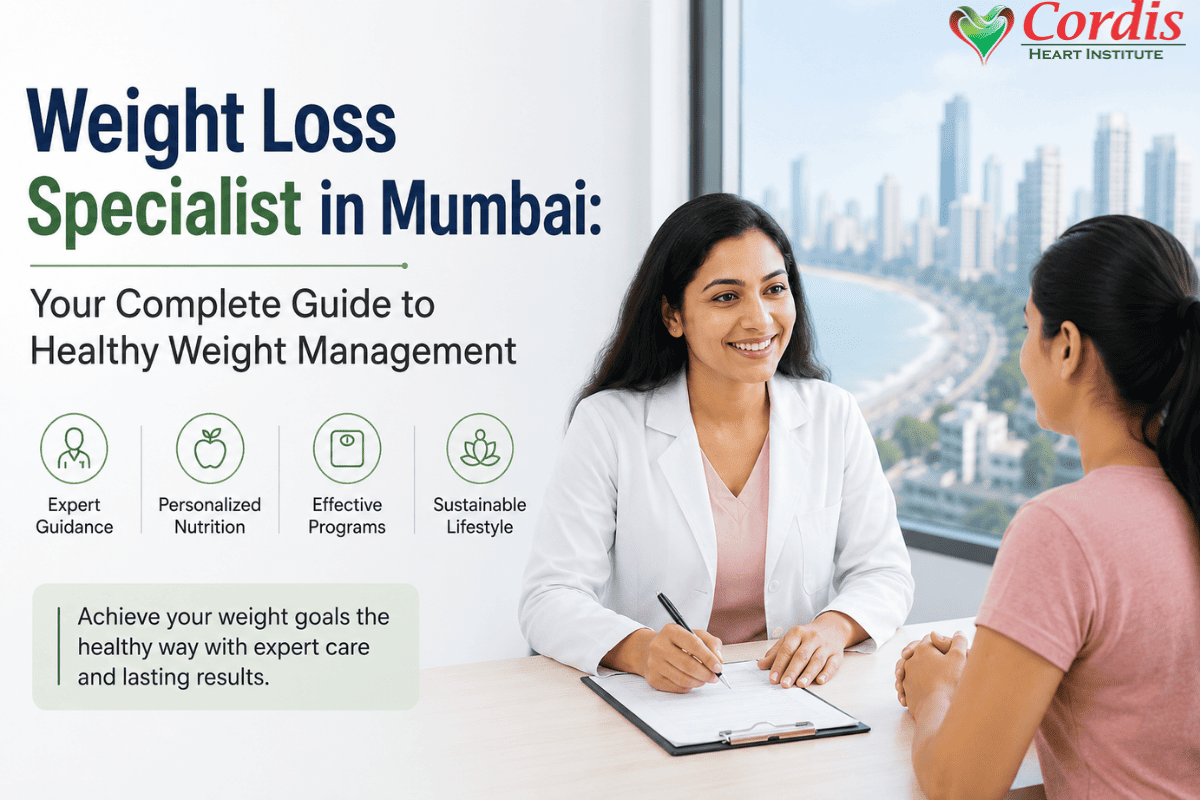
Losing weight may seem simple on paper. Eat less, exercise more, and the extra kilos should disappear. In reality, many people follow strict diets, spend hours at the gym, and still struggle to see lasting results. Some lose weight quickly only to gain it back within a few months. Others have underlying health conditions such as diabetes, thyroid disorders, PCOS, or high blood pressure that make weight loss more challenging.
If this sounds familiar, it may be time to consult a Weight Loss Specialist in Mumbai.
A qualified weight loss specialist looks beyond the number on the weighing scale. They evaluate your medical history, eating habits, activity level, lifestyle, sleep patterns, stress levels, and existing health conditions before creating a personalized treatment plan. This medical approach helps you lose weight safely while reducing the risk of obesity-related complications.
At Cordis Heart Institute, weight management is not about promoting crash diets or unrealistic fitness goals. The focus is on helping patients achieve sustainable weight loss through medical guidance, nutritional counseling, lifestyle changes, and continuous support. The aim is to improve overall health, reduce disease risk, and help you maintain a healthy weight for years to come.
Whether you want to lose a few extra kilograms or are looking for treatment for obesity, this guide will explain how a Weight Loss Specialist in Mumbai can help you reach your health goals.
Why Healthy Weight Management Matters
Maintaining a healthy weight is about much more than appearance. Excess body weight can place additional strain on nearly every organ in your body. Over time, it increases the likelihood of developing several chronic diseases that may affect your quality of life.
Healthy weight management focuses on reducing body fat gradually while preserving muscle mass, improving metabolism, and supporting overall physical and mental well-being.
How Excess Weight Affects Your Overall Health
Obesity has become one of the fastest-growing health concerns worldwide. According to health experts, excess body weight is linked to numerous medical conditions that can become serious if left untreated.
Heart Disease
The heart works harder when you carry excess weight. Obesity increases the risk of:
- Coronary artery disease
- Heart attack
- Heart failure
- High cholesterol
- Blocked arteries
Losing even 5% to 10% of your body weight can reduce stress on the heart and improve cardiovascular health.
Type 2 Diabetes
Being overweight is one of the biggest risk factors for developing type 2 diabetes.
Excess fat, especially around the abdomen, makes it harder for the body to use insulin effectively. As insulin resistance increases, blood sugar levels begin to rise.
A medically supervised weight loss program can improve insulin sensitivity and help manage blood sugar more effectively.
High Blood Pressure
Extra body weight causes the heart to pump harder to circulate blood throughout the body.
This increased workload often leads to:
- Elevated blood pressure
- Damage to blood vessels
- Greater risk of stroke
- Increased risk of kidney disease
Weight reduction is often recommended as one of the first lifestyle changes for people with hypertension.
Sleep Apnea
Many people with obesity develop obstructive sleep apnea, a condition in which breathing repeatedly stops during sleep.
Common symptoms include:
- Loud snoring
- Daytime fatigue
- Morning headaches
- Poor concentration
- Interrupted sleep
Weight loss can significantly reduce the severity of sleep apnea in many individuals.
Joint Pain
Every extra kilogram places additional pressure on weight-bearing joints, especially the knees, hips, and lower back.
Over time, this can lead to:
- Osteoarthritis
- Chronic knee pain
- Reduced mobility
- Difficulty performing daily activities
Gradual weight loss reduces joint stress and improves mobility.
Fatty Liver Disease
Excess body fat can accumulate in the liver, leading to non-alcoholic fatty liver disease (NAFLD).
If left untreated, fatty liver may progress to liver inflammation, fibrosis, or cirrhosis.
Healthy eating and sustained weight loss remain among the most effective ways to manage this condition.
Benefits of Losing Weight the Healthy Way
Healthy weight loss is not about achieving quick results. It is about making changes that you can maintain over the long term.
Here are some of the benefits you may experience.
Better Energy Throughout the Day
Many people notice improved energy levels after losing weight.
Carrying less body weight allows the heart and muscles to work more efficiently, making everyday activities easier.
Improved Heart Health
Weight loss can contribute to:
- Lower cholesterol levels
- Better blood pressure control
- Improved circulation
- Reduced risk of cardiovascular disease
For patients with existing heart conditions, medical weight management can become an important part of their overall treatment plan.
Better Blood Sugar Control
Losing weight improves insulin sensitivity, making it easier to regulate blood sugar levels.
This is particularly beneficial for people with:
- Prediabetes
- Type 2 diabetes
- Metabolic syndrome
Increased Mobility
Simple activities such as climbing stairs, walking, playing with children, or traveling become more comfortable after losing excess weight.
Improved flexibility and reduced joint pain also encourage people to stay physically active.
Better Sleep Quality
Healthy weight loss often leads to:
- Better breathing during sleep
- Reduced snoring
- More restful sleep
- Improved concentration during the day
Good sleep also supports healthy metabolism and appetite regulation.
Greater Self-Confidence
Weight loss often improves confidence because people begin to feel healthier, stronger, and more active.
Rather than focusing only on appearance, medically supervised programs encourage patients to celebrate improvements in fitness, stamina, and overall health.
Long-Term Disease Prevention
Maintaining a healthy weight reduces the risk of developing several chronic illnesses, including:
- Heart disease
- Stroke
- Type 2 diabetes
- Certain cancers
- Osteoarthritis
- Kidney disease
Even moderate weight loss can make a meaningful difference to long-term health.
Who Is a Weight Loss Specialist?
A weight loss specialist is a healthcare professional who helps individuals lose weight safely through medical evaluation, personalized treatment plans, and long-term lifestyle guidance.
Unlike popular diet trends that follow a one-size-fits-all approach, a specialist understands that every person’s body responds differently to food, exercise, hormones, medications, and health conditions.
This personalized approach improves the chances of achieving lasting results.
What Does a Weight Loss Specialist Do?
The first step in any medical weight loss program is understanding why weight gain has occurred.
A weight loss specialist evaluates several factors before recommending treatment.
Medical Evaluation
Your consultation usually includes a detailed review of:
- Current weight
- Height
- Body Mass Index (BMI)
- Waist circumference
- Existing medical conditions
- Family history
- Previous weight loss attempts
- Current medications
This helps identify possible barriers to successful weight loss.
Lifestyle Assessment
Many daily habits influence body weight.
Your specialist may ask questions about:
- Meal timing
- Portion sizes
- Sleep duration
- Stress levels
- Physical activity
- Occupation
- Screen time
- Alcohol consumption
These details help create a realistic and sustainable treatment plan.
Nutrition Planning
Instead of promoting restrictive diets, specialists recommend balanced meal plans that fit your:
- Health condition
- Food preferences
- Daily routine
- Cultural eating habits
- Calorie requirements
The goal is to build healthy eating habits that can be maintained for years.
Exercise Recommendations
Not every exercise program is suitable for everyone.
A personalized fitness plan may depend on factors such as:
- Age
- Fitness level
- Joint health
- Heart condition
- Weight loss goals
Some patients may begin with walking and stretching before gradually progressing to strength training and cardio exercises.
Ongoing Progress Monitoring
Successful weight management requires regular follow-up.
During review appointments, the specialist may monitor:
- Weight changes
- BMI
- Body measurements
- Blood pressure
- Blood sugar
- Lifestyle improvements
- Treatment response
The plan can then be adjusted whenever necessary.
Difference Between a Dietitian, Nutritionist, and Weight Loss Specialist
Many people assume these professionals perform the same role, but their responsibilities are quite different.
Feature | Dietitian | Nutritionist | Weight Loss Specialist |
Primary Focus | Nutrition planning | General nutrition advice | Medical weight management |
Medical Assessment | Limited | Usually not | Yes |
Reviews Existing Medical Conditions | Sometimes | Limited | Yes |
Prescribes Medical Weight Loss Treatment | No | No | When appropriate |
Creates Personalized Treatment Plans | Yes | Yes | Yes |
Monitors Overall Health | Limited | Limited | Yes |
Long-Term Weight Management | Moderate | Moderate | Extensive |
Suitable for Complex Medical Conditions | Limited | Limited | Yes |
If your weight is affecting conditions such as diabetes, high blood pressure, PCOS, thyroid disorders, or heart disease, consulting a Weight Loss Specialist in Mumbai is often the most appropriate choice because treatment is based on your complete medical profile rather than diet alone.
Signs You Should Consult a Weight Loss Specialist in Mumbai
Many people delay seeking professional help because they believe they should be able to lose weight on their own. While healthy eating and regular exercise are important, they may not always be enough. Factors such as hormonal imbalances, medications, genetics, stress, and chronic health conditions can make weight loss much more difficult.
If you notice any of the following signs, consulting a Weight Loss Specialist in Mumbai can help you identify the root cause and develop a treatment plan that fits your health needs.
You Have Been Unable to Lose Weight Despite Diet and Exercise
Have you tried multiple diets, joined a gym, or followed online fitness plans without seeing lasting results?
Weight loss plateaus are common, but repeated unsuccessful attempts may indicate that something else is affecting your metabolism or overall health.
A weight loss specialist can assess:
- Your calorie requirements
- Eating patterns
- Physical activity level
- Hormonal health
- Sleep quality
- Stress levels
- Current medications
Based on this evaluation, they can recommend practical changes instead of another restrictive diet.
Your BMI Indicates Overweight or Obesity
Body Mass Index (BMI) is a simple tool used to estimate whether your weight falls within a healthy range based on your height.
BMI Categories
BMI | Weight Category |
Below 18.5 | Underweight |
18.5–24.9 | Healthy Weight |
25–29.9 | Overweight |
30 or above | Obesity |
While BMI is not the only measure of health, it is a useful starting point. A specialist may also evaluate waist circumference, body fat percentage, muscle mass, and overall metabolic health before recommending treatment.
You Have Lifestyle Diseases
Excess weight often contributes to several long-term health conditions. Losing weight under medical supervision can improve disease management and reduce future health risks.
Consider consulting a specialist if you have:
Diabetes
Weight loss can improve insulin sensitivity and support better blood sugar control.
High Blood Pressure
Reducing excess weight may help lower blood pressure and reduce strain on the heart.
PCOS
Women with Polycystic Ovary Syndrome often experience weight gain due to hormonal changes. A personalized plan can improve metabolism, support hormone balance, and regulate menstrual cycles.
Thyroid Disorders
Conditions such as hypothyroidism can slow metabolism and make weight loss more difficult. A medical evaluation ensures your treatment plan considers your thyroid health.
Heart Disease
For patients with existing heart conditions, losing weight safely under medical supervision can improve cardiovascular health while reducing the risk of further complications.
You Gain Weight Quickly After Dieting
If you repeatedly lose weight only to regain it within a few months, you may be experiencing what’s commonly known as “weight cycling.”
Crash diets often lead to:
- Muscle loss
- Slower metabolism
- Nutritional deficiencies
- Increased cravings
- Rapid weight regain
A medically supervised program focuses on gradual, sustainable weight loss that is easier to maintain over time.
Common Causes of Weight Gain
Weight gain rarely has a single cause. In most cases, several lifestyle and medical factors work together.
Understanding these causes helps create a treatment plan that addresses the problem instead of only treating the symptoms.
Poor Eating Habits
Regularly consuming high-calorie, nutrient-poor foods can lead to gradual weight gain.
Common habits include:
- Large portion sizes
- Frequent fast food
- Sugary beverages
- Late-night snacking
- Emotional eating
- Excessive processed foods
Small dietary improvements made consistently often produce better long-term results than strict diets.
Sedentary Lifestyle
Modern lifestyles involve long hours of sitting at work, commuting, and using digital devices.
Low physical activity reduces calorie expenditure and can contribute to weight gain over time.
Simple changes such as walking more, using stairs, stretching during work hours, and regular exercise sessions can make a noticeable difference.
Hormonal Imbalance
Hormones regulate metabolism, appetite, and fat storage.
Conditions that may contribute to weight gain include:
- Hypothyroidism
- PCOS
- Insulin resistance
- Cushing’s syndrome
- Menopause-related hormonal changes
A weight loss specialist may recommend blood tests to identify hormonal issues before starting treatment.
Stress and Emotional Eating
Stress affects eating behavior in many people.
When stress levels increase, the body produces more cortisol, a hormone that may increase appetite and cravings for sugary or high-fat foods.
Stress management techniques such as meditation, regular exercise, deep breathing, and adequate sleep can support healthy weight management.
Lack of Sleep
Poor sleep can affect hormones that regulate hunger and fullness.
People who consistently sleep less than the recommended amount often experience:
- Increased appetite
- More cravings
- Reduced energy for exercise
- Slower recovery
- Difficulty managing weight
Improving sleep quality is an important part of any comprehensive weight management program.
Genetic Factors
Some individuals have a family history of obesity, making weight management more challenging.
While genetics may influence body weight, healthy eating habits, physical activity, and medical support can still help achieve meaningful and lasting results.
Medical Weight Loss Treatments Available in Mumbai
Medical weight loss focuses on improving overall health while helping patients lose weight safely and sustainably.
Unlike fad diets, these treatments are based on scientific evidence and personalized medical care.
Personalized Diet Planning
Every individual has different nutritional requirements.
A personalized meal plan takes into account:
- Age
- Gender
- Medical history
- Food preferences
- Daily schedule
- Activity level
- Weight loss goals
Instead of eliminating entire food groups, balanced nutrition encourages sustainable eating habits.
Lifestyle Modification Programs
Long-term success depends on changing daily habits.
Lifestyle modification programs often include:
- Healthy eating education
- Meal planning strategies
- Portion control guidance
- Physical activity recommendations
- Sleep improvement
- Stress management
These gradual changes are easier to maintain than temporary diet plans.
Exercise Planning
Physical activity recommendations are tailored to each person’s fitness level and medical condition.
Your program may include:
- Walking
- Cycling
- Swimming
- Resistance training
- Flexibility exercises
- Low-impact workouts
Regular exercise helps preserve muscle mass while supporting fat loss and improving cardiovascular health.
Behavioural Counselling
Many people eat in response to emotions rather than hunger.
Behavioural counselling helps patients:
- Identify unhealthy eating triggers
- Develop healthier coping strategies
- Build positive habits
- Improve motivation
- Stay consistent with treatment
Addressing emotional and behavioural factors often improves long-term success.
Prescription Weight Loss Medicines (When Appropriate)
Some patients may benefit from prescription medications when lifestyle changes alone are not enough.
These medications are generally considered when:
- BMI is significantly elevated
- Obesity-related medical conditions are present
- Lifestyle interventions have not produced sufficient results
Medication should always be used under the guidance of a qualified healthcare professional and as part of a broader weight management plan.
Ongoing Medical Monitoring
Regular follow-up appointments help track progress and make timely adjustments.
Monitoring may include:
- Weight changes
- BMI
- Blood pressure
- Blood sugar
- Cholesterol levels
- Medication response
- Dietary adherence
- Physical activity progress
Continuous support often improves motivation and long-term success.
How a Weight Loss Specialist Creates Your Personalized Plan
No two patients have the same weight loss journey. A personalized treatment plan increases the likelihood of achieving sustainable results while considering each person’s medical history, lifestyle, and goals.
Initial Consultation
The first appointment involves an in-depth discussion about your health and weight history.
Topics may include:
- Previous weight loss attempts
- Current eating habits
- Exercise routine
- Family history
- Existing health conditions
- Daily schedule
- Sleep patterns
- Stress levels
This information forms the foundation of your treatment plan.
Medical History Review
Understanding your medical history helps identify factors that may be affecting your weight.
Your specialist may review:
- Current medications
- Previous surgeries
- Hormonal conditions
- Heart health
- Diabetes status
- Blood pressure
- Allergies
- Family history of obesity
BMI and Body Composition Analysis
Weight alone does not provide a complete picture of your health.
Additional assessments may include:
- Body fat percentage
- Muscle mass
- Waist circumference
- Visceral fat
- Metabolic health indicators
These measurements help establish realistic goals and track meaningful progress.
Blood Tests and Health Screening
Laboratory investigations may be recommended to identify underlying medical conditions.
Common tests include:
- Blood sugar levels
- Lipid profile
- Thyroid function tests
- Liver function tests
- Kidney function tests
- Vitamin deficiencies
- Hormonal evaluation, when needed
Identifying these issues early allows treatment plans to be adjusted accordingly.
Goal Setting
Healthy weight loss is based on achievable milestones rather than unrealistic expectations.
A specialist may help you set goals related to:
- Weight reduction
- Waist circumference
- Fitness improvement
- Blood pressure
- Blood sugar control
- Daily activity
- Long-term lifestyle habits
Celebrating small achievements along the way helps maintain motivation.
Monthly Progress Tracking
Weight management is an ongoing process.
Regular follow-up appointments allow your healthcare team to:
- Monitor progress
- Address challenges
- Update meal plans
- Modify exercise routines
- Review medical conditions
- Adjust treatment if necessary
This continued guidance increases the likelihood of maintaining long-term success.
Weight Loss Treatment for Patients with Medical Conditions
Losing weight can be more challenging when an underlying medical condition affects your metabolism, hormones, or overall health. A one-size-fits-all diet often fails because it doesn’t address these factors.
At Cordis Heart Institute, every treatment plan is personalized to suit the patient’s health condition, nutritional needs, and long-term goals.
Weight Loss for Diabetes
People with type 2 diabetes often experience insulin resistance, making it difficult to lose weight.
A medically supervised weight loss program focuses on:
- Balanced meal planning
- Blood sugar monitoring
- Regular physical activity
- Safe calorie reduction
- Lifestyle modification
- Medication review, if required
Even modest weight loss can improve insulin sensitivity and help maintain healthier blood sugar levels.
Weight Loss for Thyroid Disorders
Hypothyroidism slows metabolism, making weight loss more difficult.
A weight loss specialist works alongside your ongoing thyroid treatment to develop a plan that includes:
- Adequate protein intake
- Regular exercise
- Portion control
- Consistent meal timing
- Monitoring thyroid function
The goal is to support healthy weight loss while ensuring nutritional needs are met.
Weight Loss for PCOS
Women with Polycystic Ovary Syndrome (PCOS) often experience hormonal changes that contribute to weight gain.
A personalized program may help:
- Improve insulin sensitivity
- Support hormone balance
- Encourage regular menstrual cycles
- Reduce abdominal fat
- Improve overall metabolic health
Gradual and sustainable weight loss can also improve fertility outcomes in some women with PCOS.
Weight Loss for High Blood Pressure
High blood pressure and obesity often occur together.
Reducing excess weight may help:
- Lower blood pressure
- Reduce strain on the heart
- Improve circulation
- Support healthier cholesterol levels
Lifestyle modifications, including healthy eating and regular exercise, play an important role alongside prescribed treatment.
Weight Loss for Heart Patients
People with existing heart conditions should avoid extreme diets or intense exercise programs without medical guidance.
A medically supervised weight management plan focuses on:
- Heart-friendly nutrition
- Safe physical activity
- Blood pressure control
- Cholesterol management
- Regular medical monitoring
This approach helps improve overall cardiovascular health while reducing unnecessary risks.
Diet Tips from a Weight Loss Specialist
Healthy eating should be practical, balanced, and easy to follow. Sustainable habits deliver better results than restrictive diets.
Portion Control
Large portions often lead to consuming more calories than the body needs.
Simple ways to manage portions include:
- Use smaller plates
- Fill half your plate with vegetables
- Eat slowly
- Avoid eating while watching TV or using your phone
- Stop eating when comfortably full
High-Protein Foods
Protein helps maintain muscle mass and keeps you feeling full for longer.
Good sources include:
- Eggs
- Fish
- Chicken
- Paneer
- Greek yogurt
- Lentils
- Beans
- Soy products
Including protein in every meal may help reduce unnecessary snacking.
Fiber-Rich Diet
Fiber supports digestion and promotes fullness.
Choose foods such as:
- Oats
- Whole grains
- Fruits
- Vegetables
- Salads
- Lentils
- Chickpeas
- Seeds
Aim to include a variety of fiber-rich foods throughout the day.
Healthy Hydration
Many people mistake thirst for hunger.
Drink enough water throughout the day and limit sugary beverages.
Healthy choices include:
- Water
- Coconut water (in moderation)
- Lemon water without added sugar
- Buttermilk
- Unsweetened herbal tea
Foods to Limit
No food needs to be completely banned, but these should be consumed less often:
- Sugary drinks
- Packaged snacks
- Fried foods
- Bakery products
- Processed meats
- Refined carbohydrates
- Excess sweets
Focusing on balance rather than restriction makes healthy eating easier to maintain.
Lifestyle Habits That Support Long-Term Weight Loss
Successful weight management depends on consistent daily habits rather than short-term efforts.
Daily Physical Activity
Aim for regular movement throughout the week.
Activities may include:
- Brisk walking
- Cycling
- Swimming
- Yoga
- Strength training
- Stair climbing
Choose activities you enjoy to improve consistency.
Better Sleep Routine
Adults should aim for 7 to 9 hours of quality sleep each night.
Good sleep helps regulate hunger hormones, supports recovery, and improves energy levels for physical activity.
Stress Management
Long-term stress can influence eating habits and make weight management more difficult.
Helpful techniques include:
- Meditation
- Deep breathing exercises
- Yoga
- Walking
- Spending time outdoors
- Talking to family or friends
- Practicing hobbies
Meal Planning
Planning meals in advance reduces impulsive food choices.
Simple meal planning tips include:
- Prepare healthy snacks
- Cook at home more often
- Carry lunch to work
- Create a weekly grocery list
- Avoid shopping while hungry
Consistency Over Perfection
Healthy weight loss is not about following a perfect routine every day.
Missing one workout or enjoying an occasional treat does not undo your progress. Focus on returning to healthy habits instead of giving up after small setbacks.
How to Choose the Best Weight Loss Specialist in Mumbai
Choosing the right healthcare provider can make a significant difference in your weight loss journey.
Here are a few factors to consider.
Look for Medical Expertise
Choose a specialist who evaluates your overall health rather than simply recommending a diet plan.
Personalized Treatment Plans
Every patient has different goals, medical conditions, and lifestyles.
Avoid clinics that offer identical programs for everyone.
Transparent Patient Education
A good specialist explains:
- Treatment options
- Expected outcomes
- Possible challenges
- Lifestyle recommendations
Patients should understand the reasons behind every recommendation.
Comprehensive Health Evaluation
Look for clinics that assess:
- BMI
- Body composition
- Medical history
- Blood tests
- Existing health conditions
- Lifestyle habits
This ensures your treatment plan addresses the underlying causes of weight gain.
Long-Term Follow-Up Care
Weight management does not end after losing a few kilograms.
Regular follow-up appointments help maintain progress and prevent weight regain.
Why Choose Cordis Heart Institute for Weight Management?
At Cordis Heart Institute, weight management focuses on improving your overall health rather than simply reducing the number on the weighing scale.
Patients receive individualized care based on their medical history, lifestyle, and long-term health goals.
Individualized Treatment Plans
Every patient receives a personalized weight management strategy designed around their specific needs.
Experienced Medical Team
Our healthcare professionals understand the relationship between obesity and conditions such as diabetes, hypertension, thyroid disorders, and cardiovascular disease.
Comprehensive Health Assessment
Treatment begins with a detailed medical evaluation, helping identify factors that may be affecting weight.
Evidence-Based Weight Management Programs
Recommendations are based on current medical knowledge and healthy lifestyle practices rather than quick-fix solutions.
Focus on Sustainable Lifestyle Changes
The goal is to help patients develop habits they can maintain for life instead of following temporary diets.
Supportive Follow-Up Care
Regular monitoring, guidance, and encouragement help patients stay motivated throughout their weight loss journey.
Tips to Maintain Your Weight After Reaching Your Goal
Reaching your target weight is an important achievement, but maintaining it requires continued commitment.
Continue Healthy Eating
Keep following balanced eating habits even after reaching your goal.
Stay Physically Active
Regular exercise supports metabolism and helps prevent weight regain.
Monitor Your Weight Regularly
Checking your weight periodically allows you to identify small changes before they become significant.
Attend Follow-Up Visits
Scheduled appointments allow your healthcare provider to monitor your progress and address any concerns early.
Maintain Healthy Daily Habits
Small, consistent habits often have the greatest long-term impact.
Continue prioritizing:
- Nutritious meals
- Adequate sleep
- Stress management
- Physical activity
- Regular health check-ups
Frequently Asked Questions
Who is the best weight loss specialist in Mumbai?
The best specialist is one who provides medically supervised, personalized treatment based on your health condition, lifestyle, and long-term goals. Choose a clinic with experienced healthcare professionals and ongoing follow-up care.
When should I see a weight loss specialist?
You should consider consulting a specialist if you have been unable to lose weight despite diet and exercise, have obesity-related health conditions, or experience repeated weight regain after dieting.
What is the difference between a dietitian and a weight loss specialist?
A dietitian primarily focuses on nutrition planning, while a weight loss specialist evaluates medical conditions, performs health assessments, and develops a complete treatment plan that may include nutrition, exercise, behavioural counselling, and medical management.
Can medical weight loss help with diabetes?
Yes. Losing weight under medical supervision can improve insulin sensitivity, support blood sugar management, and reduce the risk of diabetes-related complications.
How long does healthy weight loss take?
Healthy weight loss varies for each individual. Most experts recommend gradual weight loss through sustainable lifestyle changes rather than rapid dieting.
Is medical weight loss safe?
Yes. When supervised by qualified healthcare professionals, medical weight loss programs are designed to prioritize patient safety while addressing individual health needs.
Will I need medications for weight loss?
Not everyone requires medication. Your specialist will recommend medicines only if they are appropriate for your BMI, medical history, and treatment goals.
Can I lose weight without surgery?
Yes. Many people achieve successful weight loss through medically supervised nutrition, exercise, behavioural changes, and lifestyle modification without surgery.
What is the ideal BMI for adults?
For most adults, a BMI between 18.5 and 24.9 kg/m² is considered within the healthy range. However, BMI should always be interpreted alongside other health assessments.
How often should I visit a weight loss specialist?
Follow-up frequency depends on your treatment plan. Many patients benefit from monthly reviews during the early stages of weight management.
Conclusion
Achieving and maintaining a healthy weight is one of the most valuable investments you can make in your long-term health. Rather than relying on restrictive diets or short-term trends, focus on sustainable lifestyle changes supported by medical guidance.
A qualified Weight Loss Specialist in Mumbai can help identify the underlying causes of weight gain, create a personalized treatment plan, and provide ongoing support throughout your journey. Whether your goal is to improve your overall fitness or manage conditions such as diabetes, hypertension, thyroid disorders, PCOS, or heart disease, professional care can make the process safer and more effective.
At Cordis Heart Institute, we believe that healthy weight management is about improving your quality of life, reducing future health risks, and helping you build habits that last.
Start Your Healthy Weight Loss Journey with Cordis Heart Institute
If you’re looking for a trusted Weight Loss Specialist in Mumbai, the experienced team at Cordis Heart Institute is here to help.
Our medically supervised weight management programs are tailored to your individual health needs and focus on safe, sustainable results.
Book your consultation today and take the first step toward better health, improved confidence, and lasting weight management.