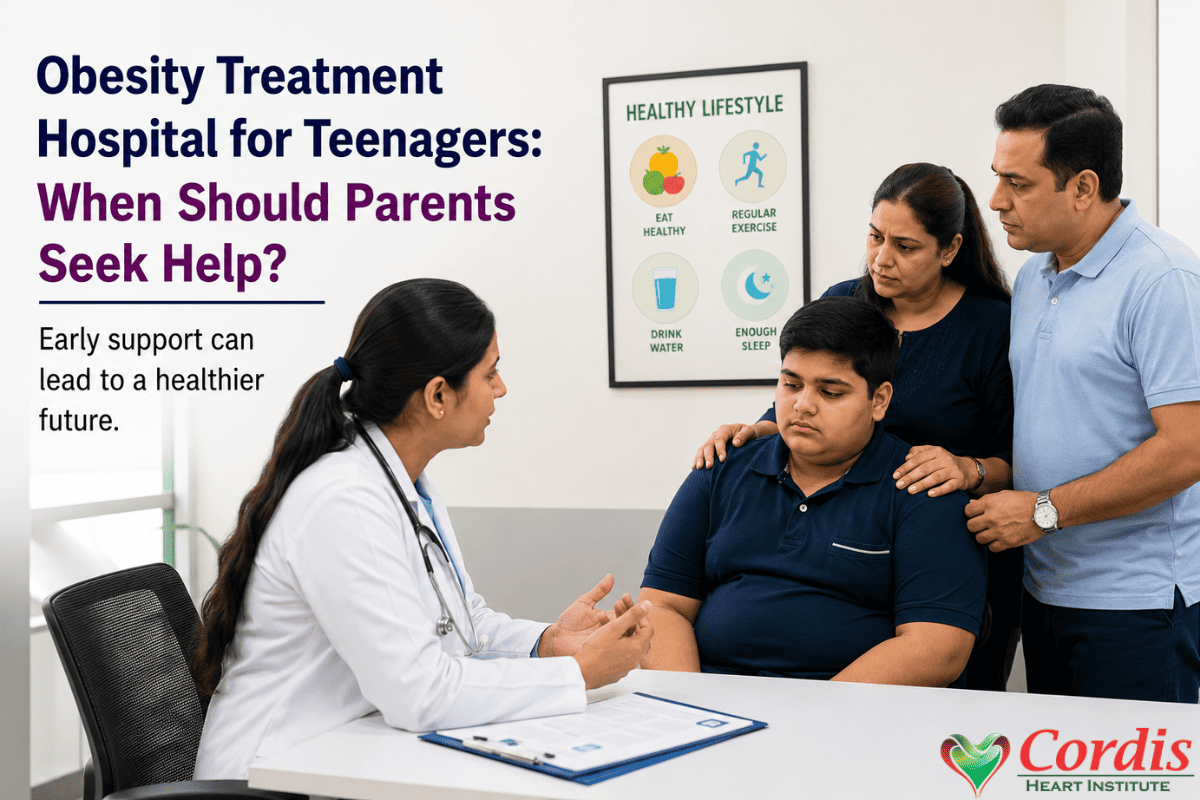
Teenage obesity is becoming a growing health concern across India. Many parents assume that their child will naturally lose weight as they grow older, but this isn’t always the case. When excess weight continues to increase despite healthy eating and physical activity, it may be time to seek professional help.
Obesity during adolescence is more than a cosmetic concern. It can affect a teenager’s physical health, emotional well-being, confidence, and future quality of life. If left untreated, it may increase the risk of serious conditions such as type 2 diabetes, high blood pressure, fatty liver disease, and heart problems later in adulthood.
Recognizing the warning signs early can make a real difference. An Obesity Treatment Hospital for Teenagers offers medical evaluation, personalized nutrition plans, lifestyle guidance, and ongoing support to help young individuals achieve a healthier weight safely.
At Cordis Heart Institute, we believe that successful obesity treatment is not about crash diets or quick fixes. It starts with understanding the root cause of weight gain and creating a personalized treatment plan that supports long-term health. In this article, you’ll learn what causes obesity in teenagers, when parents should seek medical help, and how timely intervention can help prevent future health complications.
What Is Teen Obesity?
Teen obesity is a medical condition in which a teenager has excess body fat that may negatively affect their health. It is different from simply being overweight. While some weight gain is normal during puberty, obesity occurs when body fat reaches levels that increase the risk of developing various health problems.
Obesity is becoming more common due to changing lifestyles, unhealthy eating habits, reduced physical activity, and increased screen time. The good news is that early diagnosis and the right treatment can help teenagers develop healthier habits and reduce future health risks.
Understanding Obesity in Teenagers
Doctors do not rely on body weight alone to diagnose obesity in children and teenagers. Instead, they use Body Mass Index (BMI) adjusted for age and gender. This measurement is compared with standardized growth charts to determine whether a teenager falls within a healthy weight range.
Generally:
- A healthy BMI falls between the 5th and 85th percentile.
- A BMI between the 85th and 95th percentile is considered overweight.
- A BMI at or above the 95th percentile is classified as obesity.
Since teenagers are still growing, BMI interpretation is different from that of adults. A healthcare professional evaluates growth patterns, body composition, family history, and overall health before making a diagnosis.
Why Early Diagnosis Matters
Many obesity-related health problems develop gradually and may not show symptoms in the early stages. Identifying obesity early allows doctors to recommend lifestyle changes before serious complications develop.
Early treatment can help:
- Improve energy levels
- Support healthy growth and development
- Reduce the risk of diabetes and heart disease
- Improve self-confidence
- Encourage lifelong healthy habits
How Common Is Teenage Obesity?
Teen obesity has increased significantly over the past few decades. Urban lifestyles, processed foods, sugary drinks, limited outdoor activities, and long hours spent on smartphones and computers have all contributed to this rise.
Many teenagers also face academic pressure, irregular sleep schedules, and emotional stress, which can contribute to unhealthy eating patterns and weight gain.
As obesity becomes more common, medical professionals recommend regular health check-ups, especially for teenagers with a family history of obesity, diabetes, or high blood pressure. Early medical guidance can help prevent obesity from progressing into more serious health conditions.
What Causes Obesity in Teenagers?
There is rarely a single reason why a teenager becomes obese. In most cases, obesity develops due to a combination of lifestyle, genetic, hormonal, and psychological factors. Understanding these causes helps doctors create a treatment plan that addresses the underlying problem rather than just the symptoms.
Unhealthy Eating Habits
One of the leading causes of teenage obesity is consuming more calories than the body burns.
Common dietary habits that contribute to weight gain include:
- Frequent consumption of fast food
- Sugary soft drinks and energy drinks
- Packaged snacks high in sugar and salt
- Large portion sizes
- Eating late at night
- Skipping breakfast
- Frequent consumption of desserts and sweets
These foods are often high in calories but low in essential nutrients, making it easier to gain weight over time.
Healthy Eating Makes a Difference
Replacing processed foods with balanced meals rich in fruits, vegetables, lean protein, whole grains, and healthy fats can support healthy weight management. Small dietary improvements made consistently often produce better long-term results than restrictive diets.
Lack of Physical Activity
Physical activity plays an important role in maintaining a healthy weight. Unfortunately, many teenagers spend several hours each day sitting in classrooms, studying, watching television, playing video games, or using smartphones.
Reduced movement means the body burns fewer calories, making weight gain more likely.
Encouraging at least 60 minutes of moderate physical activity most days of the week can support healthy growth and improve overall fitness.
Examples include:
- Walking
- Cycling
- Swimming
- Playing football or cricket
- Dancing
- Skipping rope
- Outdoor games
Regular exercise also improves mood, sleep quality, and mental health.
Genetic and Family History
Genetics can influence how the body stores fat, regulates appetite, and uses energy.
Teenagers with one or both parents living with obesity have a higher chance of developing obesity themselves. However, genetics alone does not determine a child’s future health.
Family eating habits often play an equally important role. Children are more likely to adopt the lifestyle patterns they observe at home.
Creating healthier family routines, such as eating meals together and staying physically active, can support long-term weight management.
Hormonal and Medical Conditions
Although lifestyle factors account for most cases of obesity, certain medical conditions can also contribute to excessive weight gain.
Some examples include:
- Hypothyroidism
- Polycystic Ovary Syndrome (PCOS)
- Insulin resistance
- Cushing’s syndrome
- Certain medications that increase appetite
When a teenager experiences rapid or unexplained weight gain, doctors may recommend blood tests or other investigations to identify any underlying medical condition.
Treating the underlying disorder is an important step in managing obesity effectively.
Mental and Emotional Factors
Emotional health has a strong connection with eating habits.
Teenagers experiencing stress, anxiety, depression, bullying, or low self-esteem may turn to food for comfort. Emotional eating often involves consuming high-calorie snacks, sugary foods, or fast food even when they are not physically hungry.
Poor sleep can also affect hormones that regulate hunger, increasing cravings and making weight management more difficult.
Parents should pay attention to emotional changes along with physical symptoms. In some cases, counselling or behavioural therapy may be recommended as part of a complete obesity treatment plan.
Signs That Your Teen May Need Medical Attention
Every teenager grows at a different pace, but certain warning signs should not be ignored. If your child’s weight continues to increase despite healthy habits, or if obesity begins affecting daily life, it may be time to consult a healthcare professional.
Early evaluation can help identify the cause of weight gain and reduce the risk of future health complications.
Rapid Weight Gain
A noticeable increase in weight over a short period without an obvious reason may indicate an underlying medical or lifestyle issue. Professional evaluation can help determine the cause and guide the next steps.
Breathlessness During Daily Activities
If your teenager becomes unusually short of breath while climbing stairs, walking short distances, or participating in sports, excess body weight may be placing additional strain on the heart and lungs.
High Blood Pressure or High Blood Sugar
Obesity can increase the risk of developing high blood pressure, insulin resistance, and type 2 diabetes, even during adolescence. Routine health check-ups can help detect these conditions early.
Joint or Knee Pain
Excess weight places additional pressure on growing bones and joints. Persistent knee pain, back pain, or ankle discomfort should be evaluated by a healthcare professional.
Sleep Problems and Snoring
Frequent snoring, interrupted sleep, daytime tiredness, or difficulty concentrating at school may indicate sleep apnea, a condition commonly associated with obesity.
Low Self-Esteem and Social Withdrawal
Teenagers living with obesity may avoid social situations, sports, or school activities because of embarrassment or bullying. Emotional well-being is just as important as physical health and should never be overlooked.
If these signs are present, seeking guidance from an experienced healthcare team can help your teenager receive the support they need before obesity leads to more serious health problems.
When Should Parents Seek Help from an Obesity Treatment Hospital?
Many parents try to manage their teenager’s weight at home by encouraging healthier eating and more physical activity. While these steps are important, they may not always be enough. If your child’s weight continues to increase or obesity starts affecting their physical or emotional health, professional medical care should be considered.
An Obesity Treatment Hospital for Teenagers can identify the underlying cause of weight gain and develop a personalized treatment plan that supports healthy and sustainable weight management.
Lifestyle Changes Are Not Working
If your teenager has been following healthier eating habits and exercising regularly for several months but shows little or no improvement, it is time for a medical evaluation.
In some cases, hidden factors such as hormonal imbalances, insulin resistance, or emotional health issues may be making weight loss more difficult. Simply reducing food intake without identifying the underlying cause may not produce lasting results.
A specialist can assess these factors and recommend an appropriate treatment plan.
Weight Continues to Increase
Steady weight gain despite positive lifestyle changes should not be ignored.
Rapid or ongoing weight gain can increase the likelihood of developing health conditions such as:
- Type 2 diabetes
- High blood pressure
- High cholesterol
- Fatty liver disease
- Joint problems
Early medical intervention can help reduce these risks before they become more serious.
Obesity Is Affecting School or Daily Life
Obesity may begin to interfere with a teenager’s everyday activities.
Warning signs include:
- Difficulty participating in sports
- Getting tired quickly
- Poor concentration in school
- Low confidence
- Avoiding social events
- Being bullied because of weight
These issues can affect both physical and emotional development. Seeking professional help early can improve overall well-being and quality of life.
Development of Obesity-Related Health Conditions
Some teenagers begin developing medical conditions commonly seen in adults.
Parents should seek medical attention if their teenager has:
- Elevated blood pressure
- High blood sugar levels
- Fatty liver
- Sleep apnea
- Severe snoring
- Persistent joint pain
Treating obesity at this stage may help slow or prevent further health complications.
Family Doctor Recommends Specialist Care
If your pediatrician or family physician suggests consulting an obesity specialist, it is advisable to follow through.
A specialist team can perform detailed assessments, identify contributing factors, and recommend a structured treatment plan tailored to your teenager’s age, lifestyle, and medical history.
Why Choose an Obesity Treatment Hospital Instead of Home Remedies?
Many weight-loss tips found online promise quick results. However, these methods are often designed for adults and may not be suitable or safe for growing teenagers.
An obesity treatment hospital focuses on improving overall health rather than promoting rapid weight loss.
Accurate Diagnosis
Every teenager is different.
Before starting treatment, doctors evaluate:
- Medical history
- Family history
- BMI and growth charts
- Body composition
- Existing medical conditions
- Lifestyle habits
- Eating patterns
This detailed assessment helps identify the real cause of obesity instead of treating only the symptoms.
Personalized Treatment Plans
There is no single diet or exercise plan that works for every teenager.
A personalized treatment plan may include:
- Nutrition guidance
- Physical activity recommendations
- Behavioural counselling
- Regular health monitoring
- Family education
The goal is to create healthy habits that can be maintained over the long term.
Nutritional Counseling
Healthy eating does not mean skipping meals or following restrictive diets.
Qualified nutrition professionals help teenagers:
- Build balanced meals
- Understand portion sizes
- Choose healthier snacks
- Reduce sugary drinks
- Develop lifelong healthy eating habits
Small, consistent dietary improvements are often more effective than temporary diet plans.
Physical Activity Guidance
Exercise plans should be realistic, enjoyable, and suitable for the teenager’s fitness level.
Depending on individual needs, doctors may recommend:
- Walking
- Swimming
- Cycling
- Strength-building activities
- Team sports
- Home-based workouts
The objective is to encourage regular movement without making exercise feel like a punishment.
Medical Monitoring
Teenagers with obesity may require regular monitoring of important health indicators, including:
- Blood pressure
- Blood sugar
- Cholesterol levels
- Liver function
- Weight and BMI
- Growth and development
Regular follow-up visits allow doctors to monitor progress and adjust the treatment plan whenever necessary.
Long-Term Weight Management Support
One of the biggest challenges in obesity treatment is maintaining results.
Hospital-based programs focus on long-term lifestyle changes rather than temporary weight loss.
Regular follow-ups help teenagers stay motivated while giving parents ongoing guidance and support.
How Cordis Heart Institute Helps Teenagers Manage Obesity
At Cordis Heart Institute, obesity management goes beyond reducing body weight. The focus is on improving overall health, preventing future medical complications, and helping teenagers adopt healthier lifestyles that they can maintain into adulthood.
Treatment plans are designed according to each teenager’s age, medical history, body composition, eating habits, activity level, and health goals.
Comprehensive Health Assessment
The first step is understanding why weight gain has occurred.
Doctors perform a detailed evaluation that may include:
- Medical history
- Family history
- Lifestyle assessment
- Dietary habits
- Physical examination
- Existing medical conditions
This helps identify any medical or lifestyle factors contributing to obesity.
BMI and Body Composition Evaluation
BMI is one useful tool, but it does not provide the complete picture.
Doctors also assess:
- Body fat distribution
- Muscle mass
- Growth patterns
- Waist circumference
- Overall health status
These measurements help create a treatment plan that is both safe and effective.
Nutrition Planning
Healthy eating plans are developed according to the teenager’s nutritional needs.
Rather than eliminating entire food groups, the focus is on:
- Balanced nutrition
- Portion control
- Healthy meal timing
- Better food choices
- Sustainable eating habits
Parents are encouraged to participate so healthy routines can be followed at home.
Lifestyle Modification Programs
Lifestyle changes remain the foundation of obesity treatment.
Programs may include:
- Daily activity planning
- Sleep improvement strategies
- Stress management
- Reducing screen time
- Building healthy routines
These gradual changes are often easier to maintain than strict diet programs.
Exercise Recommendations
Exercise plans are tailored according to age, physical fitness, and medical condition.
Activities may include:
- Walking
- Swimming
- Cycling
- Yoga
- Outdoor sports
- Light strength exercises
The aim is to improve cardiovascular fitness while making physical activity enjoyable.
Regular Progress Monitoring
Weight management is an ongoing process.
Regular follow-up appointments help doctors monitor:
- Weight changes
- BMI progress
- Blood pressure
- Blood sugar
- Lifestyle improvements
- Overall health
Adjustments to the treatment plan can be made whenever required.
Family Education and Counseling
Parents play a central role in helping teenagers achieve healthy weight goals.
Healthcare professionals provide guidance on:
- Healthy meal planning
- Encouraging physical activity
- Positive communication
- Managing emotional eating
- Supporting healthy habits at home
When families work together, teenagers are more likely to maintain healthy lifestyle changes.
Obesity-Related Health Risks in Teenagers
Obesity during adolescence is associated with several health conditions that can continue into adulthood if left untreated.
Understanding these risks highlights the importance of early intervention.
Type 2 Diabetes
Excess body fat can reduce the body’s ability to use insulin effectively, increasing the risk of insulin resistance and type 2 diabetes.
Early treatment can help lower this risk through healthier eating, regular physical activity, and medical supervision.
High Blood Pressure
Many teenagers with obesity develop elevated blood pressure without obvious symptoms.
If left untreated, high blood pressure can increase the risk of heart disease, kidney disease, and stroke later in life.
Routine health check-ups can help identify high blood pressure before complications develop.
High Cholesterol
Obesity can increase LDL (“bad”) cholesterol and triglycerides while lowering HDL (“good”) cholesterol.
These changes may contribute to the early development of heart and blood vessel disease.
Healthy lifestyle changes can improve cholesterol levels over time.
Fatty Liver Disease
Non-alcoholic fatty liver disease (NAFLD) is becoming increasingly common among overweight and obese teenagers.
In many cases, there are no symptoms during the early stages.
Without treatment, fatty liver disease can progress and affect liver function.
Sleep Apnea
Excess body weight can narrow the airway during sleep, causing repeated pauses in breathing.
Common symptoms include:
- Loud snoring
- Poor sleep quality
- Daytime sleepiness
- Difficulty concentrating
- Morning headaches
Treating obesity often improves sleep quality and reduces these symptoms.
Heart Disease Risk Later in Life
Although heart disease usually develops in adulthood, many of its risk factors begin during childhood and adolescence.
Obesity can contribute to:
- High blood pressure
- High cholesterol
- Diabetes
- Chronic inflammation
Managing obesity early can help lower the future risk of cardiovascular disease and support better long-term health.
Treatment Options for Teenage Obesity
There is no single treatment that works for every teenager. Successful obesity management depends on the underlying cause, overall health, lifestyle, and family support. The goal is not simply to lose weight but to develop healthy habits that can be maintained for life.
At Cordis Heart Institute, treatment plans are personalized to meet the unique needs of each teenager.
Healthy Eating Plan
A balanced diet is one of the most important parts of obesity treatment. Rather than following restrictive diets, teenagers should focus on eating nutritious foods that support healthy growth.
A healthy eating plan may include:
- Fresh fruits and vegetables
- Whole grains
- Lean proteins such as fish, eggs, and pulses
- Low-fat dairy products
- Healthy fats from nuts and seeds
- Plenty of water throughout the day
It is equally important to limit:
- Sugary drinks
- Packaged snacks
- Fast food
- Fried foods
- Foods high in added sugar
Healthy eating should become a family habit instead of placing all the responsibility on the teenager.
Physical Activity Programs
Exercise helps burn calories, improve heart health, strengthen muscles, and boost confidence.
Teenagers should aim for at least 60 minutes of moderate physical activity on most days of the week.
Activities can include:
- Brisk walking
- Cycling
- Swimming
- Badminton
- Football
- Cricket
- Dancing
- Yoga
The best exercise is one that your teenager enjoys and can continue regularly.
Behavioral Therapy
Many teenagers struggle with emotional eating, stress, or unhealthy habits that contribute to weight gain.
Behavioral therapy can help them:
- Identify unhealthy eating patterns
- Manage stress
- Build self-confidence
- Set realistic goals
- Develop healthier daily routines
This approach is especially helpful for teenagers who eat in response to emotions rather than hunger.
Medical Evaluation
Some teenagers may require additional investigations to identify conditions contributing to obesity.
Doctors may recommend:
- Blood sugar testing
- Lipid profile
- Liver function tests
- Thyroid function tests
- Blood pressure monitoring
- BMI assessment
- Waist circumference measurement
These evaluations help create a treatment plan based on the teenager’s overall health.
Weight Management Programs
A structured weight management program combines several approaches, including:
- Medical supervision
- Nutrition counseling
- Physical activity guidance
- Lifestyle modification
- Regular follow-up appointments
The focus is on achieving steady, sustainable progress instead of rapid weight loss.
When Are Medications Considered?
Medication is not the first choice for treating teenage obesity.
Doctors may consider weight-loss medications only when:
- Lifestyle changes alone have not been successful.
- Obesity is severe.
- The teenager has obesity-related medical conditions.
- The potential benefits outweigh the risks.
These medications should only be taken under the supervision of a qualified healthcare professional. Self-medication or using weight-loss supplements without medical advice can be harmful.
How Parents Can Support Their Teen During Treatment
Parents have a major influence on their teenager’s eating habits and daily routine. A supportive home environment can make treatment more successful.
Encourage Healthy Habits Together
Teenagers are more likely to follow healthy habits when the whole family participates.
Simple ways to help include:
- Eating meals together
- Cooking healthy recipes at home
- Taking evening walks as a family
- Planning active weekend outings
Healthy habits become easier when everyone is involved.
Avoid Weight Shaming
Negative comments about weight can damage a teenager’s confidence and emotional well-being.
Instead of focusing on appearance, encourage healthy behaviors such as:
- Eating balanced meals
- Staying active
- Sleeping well
- Celebrating progress
Support and encouragement often produce better results than criticism.
Prepare Balanced Meals
Keeping nutritious foods available at home makes healthy choices easier.
Parents can:
- Include vegetables in every meal
- Offer fruit instead of sugary desserts
- Pack healthy school lunches
- Reduce processed foods at home
Small changes made consistently can have a lasting impact.
Reduce Screen Time
Many teenagers spend several hours each day on smartphones, computers, or television.
Setting reasonable limits on screen time creates more opportunities for physical activity and improves sleep quality.
Promote Daily Physical Activity
Exercise does not have to feel like a workout.
Encourage activities your teenager enjoys, such as:
- Walking the dog
- Playing outdoor games
- Cycling with friends
- Dancing
- Joining a sports club
Enjoyable activities are more likely to become lifelong habits.
Celebrate Small Progress
Weight management takes time.
Recognize improvements such as:
- Choosing healthier meals
- Being more physically active
- Improved fitness
- Better sleep
- Increased confidence
Celebrating small achievements helps teenagers stay motivated.
Tips to Prevent Obesity in Teenagers
Preventing obesity is easier than treating it. Healthy habits developed during childhood often continue into adulthood.
Healthy Family Eating Habits
- Eat meals together whenever possible.
- Include fresh fruits and vegetables daily.
- Reduce processed foods.
- Avoid skipping breakfast.
- Encourage mindful eating.
Daily Exercise
Regular movement supports healthy growth and reduces the risk of weight gain.
Aim for:
- At least 60 minutes of activity each day
- Less sitting throughout the day
- More outdoor play and sports
Quality Sleep
Teenagers generally need 8 to 10 hours of sleep each night.
Poor sleep can affect hormones that regulate hunger and increase cravings for unhealthy foods.
Maintaining a consistent sleep schedule supports better overall health.
Limit Sugary Drinks
Soft drinks, packaged juices, and energy drinks contain large amounts of added sugar.
Encourage healthier alternatives such as:
- Water
- Coconut water
- Unsweetened milk
- Fresh homemade beverages without added sugar
Routine Health Check-Ups
Regular health check-ups help monitor:
- Growth
- BMI
- Blood pressure
- Blood sugar
- Cholesterol
Early detection allows doctors to address concerns before they become serious.
Why Early Treatment Makes a Difference
Early intervention gives teenagers the best chance of achieving better health and preventing long-term complications.
Better Physical Health
Managing obesity can improve:
- Energy levels
- Fitness
- Mobility
- Blood pressure
- Blood sugar control
Improved Mental Well-Being
Weight management often improves:
- Self-confidence
- Mood
- Social interactions
- Participation in school activities
Teenagers who feel supported are more likely to stay motivated.
Reduced Risk of Adult Obesity
Research shows that teenagers with obesity are more likely to remain obese as adults.
Early treatment can reduce this risk and promote lifelong healthy habits.
Better Academic and Social Performance
A healthier lifestyle may improve:
- Concentration
- Sleep quality
- Physical endurance
- School attendance
- Overall quality of life
Frequently Asked Questions (FAQs)
What is the best obesity treatment hospital for teenagers?
The best hospital offers a personalized treatment plan that includes medical evaluation, nutrition guidance, physical activity recommendations, and regular follow-up care. Cordis Heart Institute provides a structured approach to help teenagers manage obesity safely.
How do I know if my teenager needs obesity treatment?
If your teenager continues to gain weight despite healthy lifestyle changes or develops problems such as high blood pressure, fatigue, joint pain, or low self-esteem, consult a healthcare professional for evaluation.
Can teenage obesity be reversed?
Yes. Many teenagers can achieve a healthier weight through balanced nutrition, regular physical activity, behavior changes, and medical guidance. Early intervention generally leads to better outcomes.
Is obesity treatment safe for teenagers?
Yes, when supervised by qualified healthcare professionals. Treatment focuses on healthy growth and long-term lifestyle improvement rather than rapid weight loss.
What tests are done before starting obesity treatment?
Doctors may recommend:
- BMI assessment
- Blood pressure measurement
- Blood sugar tests
- Lipid profile
- Liver function tests
- Thyroid function tests
The exact investigations depend on the teenager’s symptoms and medical history.
Does every overweight teenager need medication?
No. Most teenagers respond well to lifestyle modifications. Medication is considered only in selected cases and always under medical supervision.
Can lifestyle changes alone treat teenage obesity?
Many teenagers achieve positive results with healthier eating, regular physical activity, and family support. However, some may require additional medical evaluation if obesity is linked to hormonal or metabolic conditions.
How long does obesity treatment usually take?
Obesity management is a gradual process. The timeline varies depending on the teenager’s age, health, and commitment to lifestyle changes. The focus is on building healthy habits that last a lifetime.
Conclusion
Teenage obesity is more than a matter of appearance. It is a medical condition that can affect physical health, emotional well-being, and future quality of life. Ignoring early warning signs may increase the risk of diabetes, high blood pressure, fatty liver disease, sleep disorders, and heart-related problems later in life.
The good news is that timely intervention can make a meaningful difference. With the right combination of nutrition, physical activity, behavioral support, and medical guidance, many teenagers can achieve a healthier weight and build habits that support long-term wellness.
If your child’s weight continues to increase despite lifestyle changes or obesity is affecting their daily life, seeking professional medical advice is an important next step.
At Cordis Heart Institute, our team is committed to helping teenagers and their families through personalized obesity management programs designed to support healthy growth and lasting lifestyle changes.
Concerned about your teenager’s weight?
Early action can help prevent future health complications. Schedule a consultation with the specialists at Cordis Heart Institute for a detailed obesity assessment and a personalized treatment plan tailored to your teenager’s health needs.
Take the first step toward a healthier future today.