Losing weight isn’t just about eating less or exercising more. While healthy habits are the foundation of weight management, the right weight loss treatment varies from person to person. Factors such as your Body Mass Index (BMI), age, lifestyle, medical history, and existing health conditions all influence which approach is most suitable.
Many people try popular diets, detox plans, or weight loss supplements without knowing whether these methods are appropriate for their body. This often leads to disappointment, temporary results, or even health complications. That’s why healthcare professionals use BMI as one of the first tools to evaluate your overall weight status and recommend a safe, personalized treatment plan.
BMI does not provide the complete picture of your health, but it is a useful starting point. When combined with medical evaluation, body composition, and lifestyle assessment, it helps doctors decide whether you need lifestyle modifications, medical weight loss, or bariatric surgery.
At Cordis Heart Institute, obesity treatment is never based on a one-size-fits-all approach. Every patient receives a personalized weight management plan designed around their BMI, health conditions, and long-term wellness goals.
Whether you’re looking for non-surgical weight loss treatment or considering bariatric surgery, understanding your BMI is the first step toward making an informed decision.
What Is BMI and Why Does It Matter?
Body Mass Index, commonly known as BMI, is a simple measurement that estimates whether your weight falls within a healthy range for your height. It is one of the most widely used screening tools to identify overweight and obesity in adults.
Although BMI does not directly measure body fat, it helps doctors understand your risk of developing weight-related health conditions and guides them in recommending suitable treatment options.
Understanding Body Mass Index (BMI)
BMI is a numerical value calculated using your height and weight. It helps classify individuals into different weight categories, making it easier to identify whether someone is underweight, at a healthy weight, overweight, or living with obesity.
Healthcare professionals across the world use BMI as an initial screening tool because it is simple, quick, and supported by medical guidelines. It also allows doctors to monitor changes in body weight over time.
However, BMI should never be viewed in isolation. A person with a high muscle mass, such as an athlete, may have a higher BMI without having excess body fat. Similarly, someone with a normal BMI may still have unhealthy levels of abdominal fat.
For this reason, BMI is most effective when combined with a detailed medical assessment.
How Is BMI Calculated?
The formula for BMI is straightforward:
BMI = Weight (kg) ÷ Height (m²)
For example:
- Weight: 80 kg
- Height: 1.70 m
BMI = 80 ÷ (1.70 × 1.70)
BMI = 27.7
This BMI falls within the overweight category.
Many hospitals also offer online BMI calculators that allow you to estimate your BMI within seconds. While these calculators are helpful, they should not replace a consultation with a qualified weight loss specialist who can interpret the results accurately.
BMI Categories for Adults
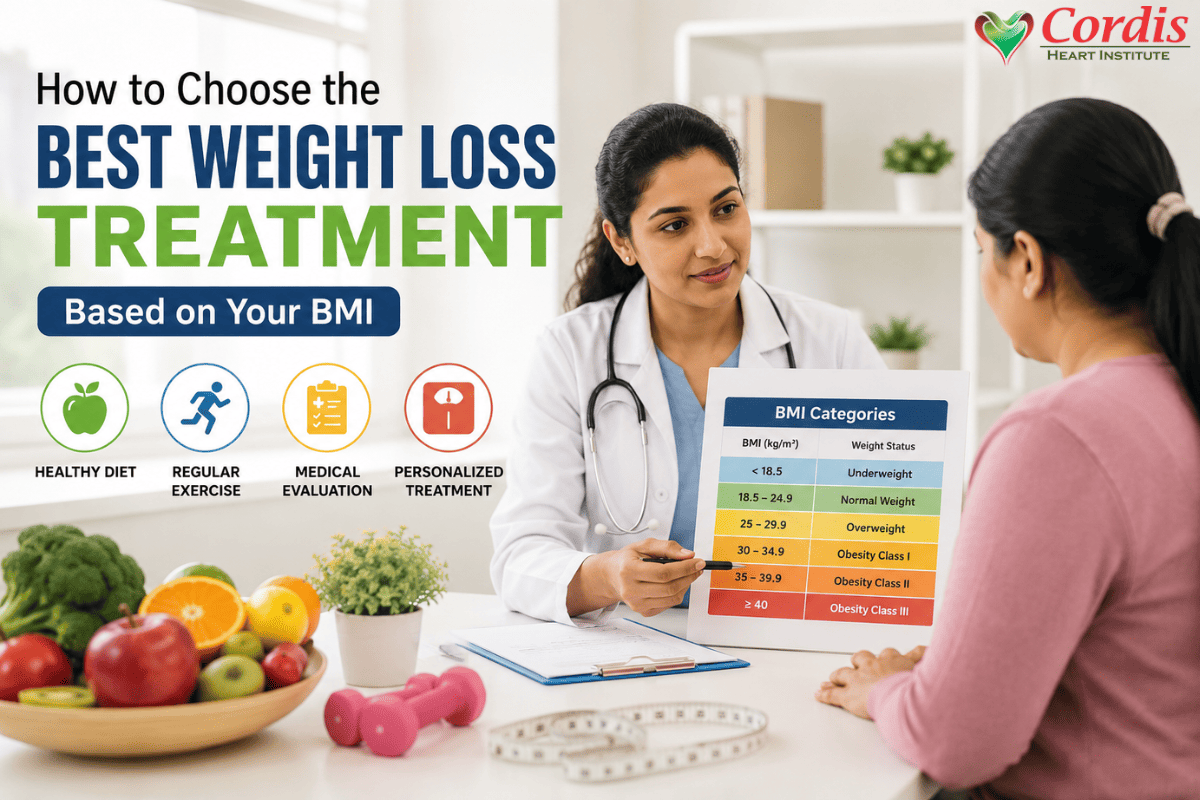
According to internationally accepted guidelines, BMI is divided into the following categories:
BMI Range | Weight Category |
Below 18.5 | Underweight |
18.5 – 24.9 | Healthy Weight |
25 – 29.9 | Overweight |
30 – 34.9 | Obesity Class I |
35 – 39.9 | Obesity Class II |
40 and Above | Obesity Class III (Severe Obesity) |
Each category is associated with a different level of health risk.
For example, individuals with obesity are generally at a higher risk of developing chronic conditions such as diabetes, hypertension, sleep apnea, and heart disease. As BMI increases, doctors may recommend more structured treatment options to reduce these risks.
Limitations of BMI
Although BMI is widely used, it has certain limitations.
It cannot distinguish between muscle and fat, nor can it determine where body fat is stored. This is important because excess fat around the abdomen carries a higher health risk than fat stored elsewhere.
To gain a more accurate understanding of your health, doctors also evaluate:
- Waist circumference
- Body fat percentage
- Muscle mass
- Age
- Gender
- Family history
- Existing medical conditions
- Lifestyle habits
- Eating patterns
- Physical activity level
At Cordis Heart Institute, BMI is considered one part of a complete health assessment rather than the only deciding factor.
Why BMI Plays an Important Role in Choosing Weight Loss Treatment
Not everyone who wants to lose weight needs the same treatment.
Someone with a BMI of 26 may achieve excellent results through lifestyle changes and nutritional counseling, while another person with a BMI above 40 and obesity-related health conditions may benefit from bariatric surgery.
This is why doctors use BMI to determine both the urgency and intensity of treatment.
A personalized treatment plan offers better long-term results than following generic diet trends found online.
Health Risks Associated with Higher BMI
Excess body weight affects nearly every organ in the body. As BMI increases, so does the likelihood of developing serious medical conditions.
Type 2 Diabetes
Obesity is one of the strongest risk factors for insulin resistance and Type 2 diabetes. Losing even a modest amount of weight can improve blood sugar control and reduce the need for medication in some patients.
High Blood Pressure
Carrying extra weight forces the heart to work harder, increasing blood pressure over time. Weight reduction often helps improve blood pressure levels and lowers the risk of heart-related complications.
Heart Disease
People with obesity are more likely to develop coronary artery disease, heart attacks, abnormal cholesterol levels, and heart failure. A medically supervised weight loss program can significantly reduce cardiovascular risk.
Sleep Apnea
Excess fat around the neck can block the airway during sleep, leading to obstructive sleep apnea. This condition causes poor-quality sleep, daytime fatigue, and an increased risk of heart disease.
Joint Pain
The knees, hips, and lower back bear additional stress when body weight increases. Over time, this can lead to chronic pain, osteoarthritis, and reduced mobility.
Fatty Liver Disease
Obesity is closely linked to non-alcoholic fatty liver disease (NAFLD), a condition in which excess fat accumulates in the liver. If left untreated, it may progress to liver inflammation or scarring.
Recognizing these health risks early allows doctors to recommend the most appropriate weight loss treatment before complications become more serious.
Why Personalized Treatment Works Better Than Generic Diet Plans
Many commercial diet plans promise rapid weight loss, but they rarely consider your medical history, metabolism, or underlying health conditions.
A treatment plan that works for one person may not be effective or safe for another.
For example:
- A person with obesity and diabetes may require medical supervision while losing weight.
- Someone with severe obesity may need bariatric surgery after careful evaluation.
- Another individual may benefit from structured nutrition counseling and increased physical activity without medication.
This is why healthcare providers focus on personalized care rather than quick fixes.
At Cordis Heart Institute, specialists evaluate your BMI alongside your complete health profile before recommending any treatment. The goal is not only to help you lose weight but also to improve your overall health, reduce obesity-related complications, and support long-term weight management.
Best Weight Loss Treatments for Different BMI Categories
Choosing the best weight loss treatment begins with understanding your BMI. While BMI is not the only factor doctors consider, it helps determine the level of medical support you may need. A person who is slightly overweight often requires a different approach than someone living with severe obesity or obesity-related health conditions.
At Cordis Heart Institute, treatment plans are personalized based on BMI, overall health, lifestyle, and long-term weight management goals.
BMI Below 25: Focus on Maintaining a Healthy Weight
If your BMI is below 25, your primary goal should be maintaining a healthy weight rather than following aggressive weight loss methods.
Recommended Approach
Eat a Balanced Diet
A healthy diet should include:
- Fresh fruits and vegetables
- Whole grains
- Lean proteins
- Healthy fats
- Plenty of water
Limiting sugary drinks, processed foods, and excessive snacking can help maintain a healthy weight over time.
Stay Physically Active
Adults should aim for at least 150 minutes of moderate exercise every week. Walking, cycling, swimming, yoga, and strength training all contribute to better physical and metabolic health.
Build Healthy Lifestyle Habits
Simple habits make a significant difference, including:
- Sleeping 7 to 9 hours each night
- Managing stress effectively
- Eating meals on time
- Avoiding smoking and excessive alcohol
Schedule Preventive Health Check-ups
Even if your BMI is within the healthy range, regular health screenings can identify early signs of diabetes, hypertension, or cholesterol problems.
BMI Between 25 and 29.9: Managing Overweight Before It Progresses
Being overweight increases the risk of developing chronic diseases if left unmanaged. The good news is that this stage often responds well to lifestyle modifications with professional guidance.
Nutrition Counseling
A registered dietitian can help create a meal plan that suits your lifestyle, work schedule, food preferences, and health conditions.
Rather than following restrictive diets, the focus should be on creating sustainable eating habits.
Increase Physical Activity
Exercise plans should match your fitness level.
A combination of:
- Cardio workouts
- Strength training
- Flexibility exercises
helps improve metabolism while preserving muscle mass.
Behavioral Therapy
Many people struggle with emotional eating, stress eating, or unhealthy eating habits.
Behavioral counseling helps patients:
- Identify eating triggers
- Build healthier habits
- Improve motivation
- Stay consistent with long-term goals
Medical Monitoring
Regular follow-up appointments help monitor:
- Weight changes
- Blood pressure
- Blood sugar
- Cholesterol
- Overall progress
Early intervention often prevents overweight from progressing to obesity.
BMI Between 30 and 34.9: Medical Weight Loss for Obesity Class I
Once BMI reaches 30 or above, healthcare providers often recommend a structured medical weight loss program instead of relying only on self-directed dieting.
Structured Weight Management Programs
These programs combine multiple strategies, including:
- Personalized nutrition plans
- Exercise guidance
- Lifestyle coaching
- Regular progress monitoring
- Medical supervision
This integrated approach improves the chances of long-term success.
Prescription Weight Loss Medications
Some patients may benefit from prescription medications when lifestyle changes alone do not produce adequate results.
Doctors usually consider medications when:
- BMI is 30 or above, or
- BMI is 27 or above with obesity-related conditions such as diabetes or hypertension.
Medication should always be taken under medical supervision and combined with healthy lifestyle changes.
Dietitian Support
Regular consultations with a dietitian help patients:
- Understand portion sizes
- Plan balanced meals
- Read nutrition labels
- Make healthier food choices while dining out
Regular Follow-Up
Successful weight management requires ongoing monitoring.
Doctors track:
- Weight loss progress
- Medication response
- Nutritional status
- Changes in medical conditions
Adjustments are made whenever necessary to keep patients on track.
BMI Between 35 and 39.9: Advanced Medical Weight Loss
At this stage, obesity often begins affecting overall health more significantly.
Many patients may already have conditions such as:
- Type 2 diabetes
- High blood pressure
- Sleep apnea
- Joint problems
- Fatty liver disease
Treatment usually becomes more intensive.
Advanced Medical Weight Loss Programs
These programs involve a multidisciplinary team that may include:
- Obesity specialists
- Dietitians
- Bariatric surgeons
- Physiotherapists
- Psychologists
Together, they develop a personalized treatment strategy.
Evaluation for Bariatric Surgery
Not everyone with a BMI above 35 requires surgery.
However, patients with obesity-related medical conditions may benefit from a surgical evaluation if conservative treatments have not been successful.
The decision depends on:
- BMI
- Overall health
- Previous weight loss attempts
- Medical history
- Patient goals
Managing Associated Medical Conditions
Weight loss treatment at this stage also focuses on improving conditions such as:
- Diabetes
- Hypertension
- Heart disease
- Sleep disorders
Treating obesity often improves these conditions significantly.
BMI Above 40: When Comprehensive Obesity Treatment Becomes Essential
A BMI above 40 is considered severe obesity and carries a much higher risk of serious health complications.
At this stage, doctors often recommend a comprehensive treatment plan involving multiple healthcare professionals.
Bariatric Surgery Evaluation
For eligible patients, bariatric surgery may provide substantial long-term weight loss when combined with healthy lifestyle changes.
The goal is not only to reduce body weight but also to improve quality of life and reduce obesity-related diseases.
Long-Term Weight Management
Treatment continues even after surgery or medical weight loss.
Long-term care includes:
- Nutritional counseling
- Regular exercise
- Vitamin supplementation (when needed)
- Routine medical follow-up
- Psychological support
Multidisciplinary Care
Managing severe obesity requires ongoing collaboration between different specialists to achieve lasting results.
Non-Surgical Weight Loss Treatments
Many patients successfully lose weight without surgery.
The best non-surgical weight loss treatment depends on individual health conditions, BMI, and lifestyle.
Customized Diet Plans
There is no universal diet that works for everyone.
A personalized meal plan considers:
- Age
- Activity level
- Medical conditions
- Food preferences
- Nutritional requirements
Instead of eliminating entire food groups, dietitians encourage balanced eating habits that patients can maintain over the long term.
Exercise Programs
Physical activity supports healthy weight loss by increasing calorie expenditure while preserving muscle mass.
Exercise plans may include:
- Walking
- Swimming
- Cycling
- Strength training
- Yoga
- Low-impact workouts for beginners
Consistency is far more important than intensity.
Lifestyle Modification
Long-term success depends on changing daily habits rather than following temporary diets.
Lifestyle modifications often include:
- Better meal planning
- Mindful eating
- Reduced screen time
- Improved sleep quality
- Stress management
- Increased daily movement
These changes help maintain weight loss after reaching target goals.
Behavioral Counseling
Weight gain is not always caused by overeating alone.
Many people struggle with:
- Emotional eating
- Stress-related eating
- Binge eating
- Lack of motivation
Behavioral counseling helps patients understand these patterns and develop healthier coping strategies.
Medical Weight Loss Programs
Medical weight loss programs provide structured care under qualified healthcare professionals.
These programs may include:
- Regular doctor consultations
- Nutrition counseling
- Exercise planning
- Body composition analysis
- Medication monitoring
- Lifestyle coaching
Medical supervision improves both safety and long-term outcomes.
Prescription Medications
Prescription medications may be recommended for selected patients who meet specific medical criteria.
These medications work in different ways, such as:
- Reducing appetite
- Increasing feelings of fullness
- Improving blood sugar regulation
They are not intended as a replacement for healthy eating or regular exercise.
Doctors carefully monitor patients for effectiveness and potential side effects throughout treatment.
When Should You Consider Bariatric Surgery?
Bariatric surgery is one of the most effective treatment options for people living with severe obesity, particularly when other weight loss methods have not provided lasting results.
It is not considered a cosmetic procedure. Instead, it is a medically approved treatment that can improve overall health and reduce the risk of obesity-related diseases.
At Cordis Heart Institute, bariatric surgery is recommended only after a detailed evaluation by experienced specialists.
Who Is Eligible?
Eligibility depends on several factors, including BMI, overall health, and previous weight loss efforts.
A bariatric surgery evaluation may be considered for individuals who:
- Have a BMI of 40 or above.
- Have a BMI of 35 or above with obesity-related conditions such as diabetes, hypertension, or sleep apnea.
- Have been unable to achieve sustained weight loss through medically supervised diet, exercise, and lifestyle changes.
- Are medically fit for surgery and committed to long-term lifestyle modifications.
The final decision is made after a thorough assessment by a multidisciplinary medical team.
Types of Bariatric Surgery
The most suitable procedure varies from one patient to another.
Sleeve Gastrectomy
This procedure removes a large portion of the stomach, reducing its size. Patients feel full with smaller meals, which helps lower calorie intake.
Gastric Bypass
Gastric bypass changes the digestive pathway by creating a smaller stomach pouch and bypassing part of the small intestine. It supports both weight loss and better control of obesity-related conditions, particularly Type 2 diabetes.
Mini Gastric Bypass
This procedure is a simplified version of gastric bypass and may be appropriate for selected patients based on their medical condition and treatment goals.
Each procedure has its own advantages, and the choice depends on the patient’s overall health, BMI, and clinical evaluation.
Benefits of Bariatric Surgery
For eligible patients, bariatric surgery can lead to substantial and long-lasting weight loss. It also helps improve or manage several obesity-related medical conditions, making everyday life healthier and more active.
Some of the key benefits include:
- Significant and sustained weight loss
- Better blood sugar control in people with Type 2 diabetes
- Lower blood pressure
- Improved cholesterol levels
- Reduced risk of heart disease
- Relief from joint pain caused by excess weight
- Better sleep quality by reducing symptoms of obstructive sleep apnea
- Increased mobility and physical fitness
- Improved confidence and overall quality of life
It’s important to remember that surgery is a tool, not a cure. Long-term success depends on healthy eating, regular exercise, and routine follow-up with your healthcare team.
Risks and Recovery After Bariatric Surgery
Like any surgical procedure, bariatric surgery carries certain risks. However, advances in surgical techniques have made these procedures safer than ever when performed by experienced bariatric surgeons.
Possible risks include:
- Infection
- Bleeding
- Blood clots
- Nutritional deficiencies
- Acid reflux (in some patients)
- Vitamin and mineral deficiencies
Recovery varies depending on the procedure and the patient’s overall health.
Most patients are encouraged to:
- Start walking soon after surgery.
- Follow a staged diet plan beginning with liquids.
- Attend scheduled follow-up appointments.
- Take prescribed vitamin supplements.
- Gradually return to normal daily activities.
Following your doctor’s instructions plays a major role in achieving successful long-term results.
Why Medical Supervision Matters During Weight Loss
Many people attempt to lose weight through extreme diets, unverified supplements, or social media trends. While these methods may promise quick results, they often lead to disappointment and can even affect your health.
Medical supervision helps ensure that weight loss is both safe and sustainable.
Avoiding Unsafe Weight Loss Methods
Crash diets and rapid weight loss programs can cause:
- Muscle loss
- Nutritional deficiencies
- Gallstones
- Fatigue
- Hormonal imbalance
- Weight regain after dieting
A medically supervised approach focuses on gradual, healthy weight loss that is easier to maintain.
Monitoring Progress Safely
During treatment, your healthcare team regularly monitors:
- Body weight
- BMI
- Blood pressure
- Blood sugar
- Cholesterol
- Nutritional status
- Medication response
Regular reviews help adjust the treatment plan whenever needed.
Managing Existing Health Conditions
Many individuals seeking obesity treatment also have other medical conditions.
These may include:
- Diabetes
- Hypertension
- Heart disease
- Thyroid disorders
- Sleep apnea
- Fatty liver disease
Medical supervision ensures these conditions are managed alongside weight loss, reducing the risk of complications.
How Doctors at Cordis Heart Institute Create a Personalized Weight Loss Plan
At Cordis Heart Institute, every patient receives an individualized treatment plan instead of a standard weight loss program.
The objective is not simply to reduce body weight but also to improve overall health, lower obesity-related risks, and support lasting lifestyle changes.
Comprehensive Health Assessment
The process begins with a detailed consultation that includes:
- Medical history
- Current medications
- Previous weight loss attempts
- Family history
- Existing medical conditions
This helps doctors understand the underlying factors contributing to weight gain.
BMI Evaluation
BMI is calculated and interpreted alongside other health indicators to determine the most appropriate treatment strategy.
Lifestyle Assessment
Doctors discuss:
- Eating habits
- Physical activity
- Sleep quality
- Stress levels
- Work routine
- Daily lifestyle
These factors help identify practical changes that fit the patient’s routine.
Nutrition Planning
A personalized meal plan is created based on:
- Calorie requirements
- Medical conditions
- Cultural food preferences
- Daily schedule
The goal is to build healthy eating habits that patients can maintain over time.
Exercise Recommendations
Exercise plans are tailored according to:
- Fitness level
- Joint health
- Age
- Medical conditions
Patients are encouraged to progress gradually while staying consistent.
Long-Term Follow-Up Care
Regular follow-up appointments allow the healthcare team to:
- Monitor progress
- Address challenges
- Adjust treatment when necessary
- Provide ongoing motivation
Long-term support is one of the biggest factors in maintaining successful weight loss.
Tips for Achieving Healthy and Sustainable Weight Loss
Healthy weight loss is built on consistency rather than quick fixes. Small, practical changes are more likely to become lifelong habits.
Focus on Long-Term Lifestyle Changes
Instead of following short-term diets, work on habits you can continue for years.
Eat Balanced Meals
Aim to include:
- Lean protein
- Whole grains
- Vegetables
- Fruits
- Healthy fats
Balanced meals help control hunger and provide steady energy throughout the day.
Stay Physically Active
Choose activities you enjoy so you’re more likely to stay consistent. Walking, swimming, cycling, dancing, and strength training are all effective options.
Sleep Well
Poor sleep can increase hunger hormones and make weight management more difficult.
Adults should aim for 7 to 9 hours of quality sleep each night.
Manage Stress
Long-term stress may contribute to emotional eating.
Healthy stress management techniques include:
- Meditation
- Deep breathing
- Yoga
- Regular exercise
- Spending time with family and friends
Track Your Progress
Keeping a record of your:
- Weight
- Physical activity
- Food intake
- Body measurements
can help you stay motivated and identify areas for improvement.
Common Mistakes to Avoid While Trying to Lose Weight
Many people unintentionally slow their progress by following unhealthy practices.
Avoid these common mistakes:
- Following crash diets
- Skipping meals regularly
- Depending only on weight loss supplements
- Exercising excessively without proper recovery
- Ignoring medical advice
- Setting unrealistic expectations
- Comparing your progress with others
Remember that healthy weight loss takes time. Consistency usually produces better long-term results than rapid weight loss.
Frequently Asked Questions
What BMI qualifies for weight loss treatment?
Treatment recommendations vary based on BMI and overall health. Individuals who are overweight or living with obesity may benefit from lifestyle changes, medical weight loss, or bariatric surgery depending on their condition.
Is BMI the only factor doctors consider?
No. Doctors also evaluate waist circumference, body composition, medical history, existing diseases, lifestyle habits, and laboratory investigations before recommending treatment.
What is the best weight loss treatment for obesity?
There is no single best treatment for everyone. The right option depends on your BMI, medical condition, lifestyle, and personal goals.
Can I lose weight without surgery?
Yes. Many patients achieve successful weight loss through healthy eating, physical activity, medical weight loss programs, and behavioral counseling.
At what BMI is bariatric surgery recommended?
Bariatric surgery is generally considered for individuals with a BMI of 40 or above, or a BMI of 35 or above with obesity-related medical conditions. Eligibility is determined after a medical evaluation.
How long does medical weight loss take?
Healthy weight loss is gradual. The duration varies from person to person depending on weight loss goals, treatment plan, and commitment to lifestyle changes.
Is medical weight loss safe?
When supervised by qualified healthcare professionals, medical weight loss programs are considered a safe and effective option for eligible patients.
Which hospital offers personalized obesity treatment?
Cordis Heart Institute offers personalized obesity treatment plans based on BMI, health conditions, and long-term wellness goals.
Conclusion
Choosing the best weight loss treatment starts with understanding your BMI, but it should never stop there. Your medical history, lifestyle, body composition, and existing health conditions all play an important role in deciding the most suitable treatment plan.
Whether your goal is to lose a few kilograms through lifestyle changes or you’re considering medical weight loss or bariatric surgery, a personalized approach offers the best chance of long-term success.
Rather than following fad diets or relying on unverified supplements, seek guidance from experienced healthcare professionals who can recommend safe, evidence-based treatment options.
At Cordis Heart Institute, every patient receives a personalized weight management plan designed to improve not only body weight but also overall health and quality of life.
Start Your Weight Loss Journey with Cordis Heart Institute
If you’re looking for a trusted team to guide your weight loss journey, Cordis Heart Institute is here to help.
Our specialists provide comprehensive obesity treatment, medical weight loss programs, nutritional counseling, lifestyle guidance, and bariatric surgery evaluation based on your individual needs.
Book your consultation today and take the first step toward a healthier future with expert care tailored just for you.