Heart disease remains one of the leading health concerns worldwide. At the same time, obesity rates continue to rise, creating a serious challenge for millions of people living with cardiovascular conditions. Many patients focus on medications, procedures, and regular check-ups, but often overlook one factor that can make a major difference: healthy weight management.
If you have been diagnosed with heart disease, hypertension, high cholesterol, or heart failure, losing excess weight may significantly improve your quality of life and reduce the burden on your heart. Even a modest reduction in body weight can lead to measurable improvements in cardiovascular health.
This is where a structured weight loss treatment for heart patients becomes important. Rather than following fad diets or extreme workout programs, cardiac patients need medically supervised strategies that prioritize both safety and long-term success.
At Cordis Heart Institute, weight management is viewed as an important part of overall heart care. By combining lifestyle modifications, nutritional guidance, physical activity plans, and ongoing medical support, patients can achieve healthier outcomes while protecting their cardiovascular system.
The Link Between Obesity and Heart Disease
How Excess Weight Affects the Heart
Your heart works continuously to pump blood throughout the body. When a person carries excess body weight, the heart must work harder to supply oxygen and nutrients to additional tissue.
Over time, this extra workload can result in:
- Increased blood pressure
- Thickening of the heart muscle
- Reduced pumping efficiency
- Increased inflammation throughout the body
- Higher risk of arterial damage
Excess body fat also contributes to insulin resistance, elevated cholesterol levels, and metabolic disorders that place additional stress on the cardiovascular system.
Common Heart Conditions Associated with Obesity
Research has consistently shown a strong relationship between obesity and heart disease. Some of the most common conditions linked to excess weight include:
Coronary Artery Disease
Fat deposits can accumulate inside arteries, restricting blood flow to the heart. This increases the risk of chest pain, heart attacks, and other complications.
Heart Failure
Heart failure occurs when the heart cannot pump blood effectively. Excess weight increases the workload on the heart and can accelerate the progression of this condition.
Atrial Fibrillation
Obesity is associated with a higher risk of developing atrial fibrillation, an irregular heart rhythm that may increase the risk of stroke.
Hypertension
High blood pressure is one of the most common consequences of excess weight. Uncontrolled hypertension damages blood vessels and increases the likelihood of cardiovascular events.
Why Cardiac Patients Need Special Weight Loss Plans
Many people attempt rapid weight loss through restrictive diets or intense exercise programs. While these approaches may work temporarily for healthy individuals, they can be risky for patients with cardiovascular disease.
Cardiac patients require a personalized plan that considers:
- Current heart condition
- Blood pressure levels
- Medication use
- Physical limitations
- Nutritional requirements
- Existing medical conditions such as diabetes
A supervised approach ensures that weight loss occurs safely while supporting overall cardiovascular health.
Benefits of Weight Loss Treatment for Heart Patients
Lower Blood Pressure Naturally
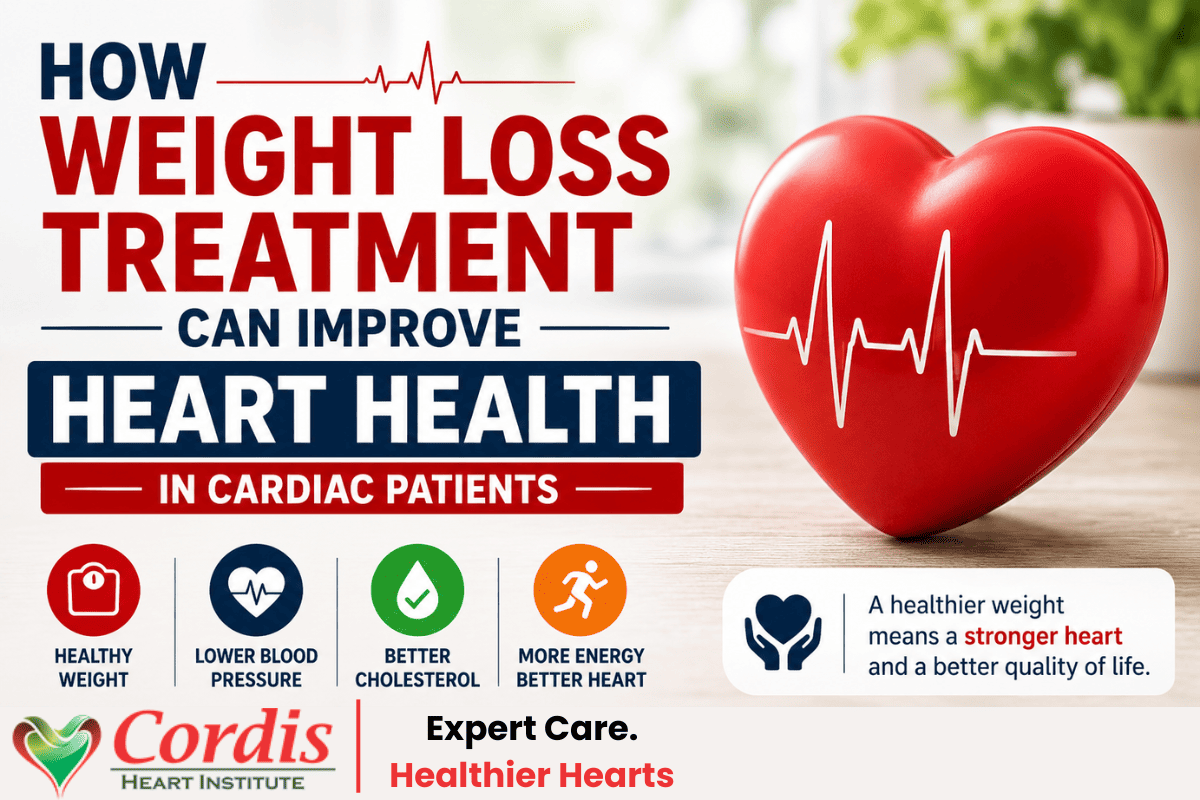
One of the earliest benefits of weight reduction is improved blood pressure control. As body weight decreases, the heart does not have to work as hard to circulate blood throughout the body.
Many patients notice improvements in their blood pressure readings after losing just a few kilograms. This may help reduce dependence on medications under medical supervision.
Improved Cholesterol Levels
Healthy weight loss often leads to:
- Lower LDL (bad cholesterol)
- Higher HDL (good cholesterol)
- Reduced triglycerides
Improved cholesterol levels decrease the risk of plaque buildup inside arteries and support healthier blood circulation.
Better Blood Sugar Control
Diabetes and heart disease frequently occur together. Excess weight contributes to insulin resistance, making blood sugar management more difficult.
Weight loss can improve insulin sensitivity, helping the body regulate blood glucose more effectively and reducing the risk of cardiovascular complications.
Reduced Risk of Heart Attack and Stroke
When blood pressure, cholesterol, inflammation, and blood sugar levels improve, the risk of major cardiovascular events decreases.
Patients who successfully manage their weight often experience lower rates of:
- Heart attack
- Stroke
- Coronary artery disease progression
- Cardiovascular hospitalization
Improved Heart Function and Circulation
A healthier body weight reduces strain on the heart muscle. As a result, many patients experience:
- Better circulation
- Improved oxygen delivery
- Reduced shortness of breath
- Enhanced physical endurance
These improvements can make daily activities easier and more enjoyable.
Increased Energy and Physical Activity Levels
Excess weight often creates a cycle of fatigue and inactivity. Weight loss can help break this pattern by increasing mobility and reducing physical discomfort.
Patients frequently report:
- Better stamina
- Easier movement
- Improved sleep quality
- Greater confidence in daily activities
How Much Weight Loss Is Needed to Improve Heart Health?
One of the most encouraging facts for cardiac patients is that dramatic weight loss is not always necessary.
Can Losing Just 5% to 10% of Body Weight Make a Difference?
Yes.
Studies show that losing just 5% to 10% of total body weight can provide meaningful health benefits.
For example:
- A person weighing 90 kg may benefit from losing only 4.5 to 9 kg initially.
- Blood pressure often improves.
- Blood sugar control becomes easier.
- Cholesterol levels may decrease.
- Cardiovascular risk factors begin to improve.
Realistic Weight Loss Goals for Heart Patients
Healthy weight loss is typically gradual.
Most specialists recommend:
- 0.5 to 1 kg per week
- Consistent dietary improvements
- Regular physical activity
- Sustainable lifestyle changes
Slow, steady progress tends to produce better long-term results than aggressive weight-loss methods.
Safe Weight Loss Treatment Options for Cardiac Patients
Medical Nutrition Therapy
Nutrition forms the foundation of every successful weight loss program.
A heart-friendly diet focuses on:
- Vegetables and fruits
- Whole grains
- Lean proteins
- Healthy fats
- Reduced sodium intake
- Limited processed foods
Registered dietitians can create personalized meal plans that support both weight loss and cardiovascular health.
Personalized Diet Plans for Heart Health
No single diet works for everyone.
Factors such as age, medical history, medications, diabetes status, and physical activity levels should influence dietary recommendations.
Customized plans often produce better adherence and more sustainable outcomes than generic diet programs.
Exercise Programs Designed for Cardiac Patients
Exercise remains one of the most effective tools for improving cardiovascular health.
Suitable activities may include:
- Walking
- Stationary cycling
- Swimming
- Light resistance training
- Cardiac rehabilitation exercises
Before starting any exercise program, cardiac patients should undergo medical evaluation to determine safe activity levels.
Lifestyle Modification Programs
Successful weight loss is rarely the result of a short-term diet. Long-term results come from consistent lifestyle changes that become part of everyday life.
A structured lifestyle modification program typically includes:
- Healthy eating habits
- Portion control
- Regular physical activity
- Stress management techniques
- Better sleep habits
- Ongoing monitoring and support
Many cardiac patients find that small changes, maintained consistently, produce better results than dramatic changes that are difficult to sustain.
Weight Loss Medications: Are They Safe for Heart Patients?
Weight loss medications may be considered for certain individuals who struggle to lose weight through diet and exercise alone. However, not every medication is suitable for people with heart disease.
Before prescribing any medication, cardiologists and weight management specialists evaluate:
- Existing heart conditions
- Blood pressure levels
- Diabetes status
- Current medications
- Overall cardiovascular risk
Medical supervision is essential to ensure both safety and effectiveness.
When Is Bariatric Surgery Considered?
For patients with severe obesity and obesity-related health complications, bariatric surgery may be an option.
Candidates are usually evaluated based on:
- Body Mass Index (BMI)
- Presence of diabetes
- Heart disease risk factors
- Previous weight loss attempts
While surgery can lead to substantial weight reduction, it is not a quick fix. Long-term success still depends on healthy eating habits, physical activity, and ongoing medical follow-up.
Heart-Healthy Foods That Support Weight Loss
Best Foods for Weight Management and Heart Health
A heart-friendly diet does not have to be restrictive. In fact, many nutritious foods can support both weight loss and cardiovascular health.
Some excellent choices include:
- Leafy green vegetables
- Berries
- Apples
- Oats
- Brown rice
- Lentils
- Beans
- Nuts and seeds
- Fish rich in omega-3 fatty acids
These foods provide essential nutrients while helping patients feel satisfied for longer periods.
Foods Rich in Fiber and Healthy Fats
Fiber plays an important role in weight management because it promotes fullness and supports healthy digestion.
Good sources of fiber include:
- Oats
- Whole grains
- Fruits
- Vegetables
- Legumes
Healthy fats can also support heart health when consumed in moderation. Sources include:
- Avocados
- Almonds
- Walnuts
- Flaxseeds
- Olive oil
Replacing saturated fats with healthier alternatives may help improve cholesterol levels.
Lean Protein Sources for Cardiac Patients
Protein helps preserve muscle mass during weight loss and supports recovery after physical activity.
Heart-friendly protein options include:
- Skinless chicken
- Fish
- Egg whites
- Low-fat dairy products
- Lentils
- Chickpeas
- Tofu
Including protein in every meal can help control hunger and support healthy weight reduction.
Foods to Avoid for Better Heart Health
Certain foods can contribute to weight gain and increase cardiovascular risk.
Patients should limit:
- Sugary beverages
- Processed snacks
- Deep-fried foods
- Excess salt
- Processed meats
- Refined carbohydrates
- High-sugar desserts
Reducing these foods can help improve blood pressure, cholesterol levels, and overall heart health.
Common Challenges Cardiac Patients Face During Weight Loss
Physical Limitations and Exercise Concerns
Many heart patients worry that exercise may worsen their condition. Others experience fatigue, shortness of breath, or joint pain that makes physical activity difficult.
This is why individualized exercise plans are important. Even moderate activity, performed consistently and safely, can produce meaningful results.
Starting slowly and progressing gradually often leads to better adherence and reduced risk of injury.
Emotional Eating and Stress Management
Stress can significantly affect eating habits. Many individuals turn to food for comfort during difficult periods.
Chronic stress may also contribute to:
- Increased appetite
- Poor sleep quality
- Elevated blood pressure
- Weight gain
Helpful stress-management techniques include:
- Meditation
- Deep breathing exercises
- Yoga
- Walking
- Spending time with family and friends
Managing emotional triggers can play a major role in successful weight loss.
Medication-Related Weight Gain
Some medications prescribed for various health conditions may contribute to weight gain.
Patients should never stop medications without consulting their healthcare provider. Instead, discuss concerns with your doctor, who may recommend alternative treatments or additional weight management strategies.
Staying Motivated During the Journey
Weight loss is often a gradual process. Many people become discouraged when results do not appear immediately.
Useful strategies include:
- Setting realistic goals
- Celebrating small achievements
- Tracking progress regularly
- Joining support groups
- Working with healthcare professionals
Consistency matters more than perfection.
Creating a Long-Term Weight Management Plan
Importance of Regular Medical Monitoring
Regular follow-up appointments help ensure that weight loss efforts remain safe and effective.
Monitoring may include:
- Blood pressure checks
- Cholesterol testing
- Blood sugar assessments
- Weight measurements
- Medication reviews
These evaluations help healthcare providers make adjustments when necessary.
Setting Sustainable Lifestyle Goals
Long-term success comes from realistic goals rather than extreme expectations.
Examples include:
- Walking 30 minutes daily
- Eating vegetables with every meal
- Reducing sugary drinks
- Improving sleep habits
Small, achievable goals often lead to lasting lifestyle changes.
Tracking Progress Safely
Weight is only one indicator of success.
Patients should also monitor:
- Waist circumference
- Blood pressure
- Energy levels
- Physical endurance
- Cholesterol levels
- Blood sugar readings
These improvements often occur before dramatic weight changes become visible.
Preventing Weight Regain
Maintaining weight loss can be just as challenging as losing weight.
Helpful strategies include:
- Continuing healthy eating habits
- Remaining physically active
- Attending follow-up appointments
- Managing stress effectively
- Identifying triggers for unhealthy eating
Long-term maintenance should always be part of the treatment plan.
How Cordis Heart Institute Supports Weight Loss and Heart Health
Comprehensive Cardiac Evaluation
At Cordis Heart Institute, every patient’s journey begins with a detailed assessment of cardiovascular health.
This evaluation helps identify:
- Existing heart conditions
- Risk factors
- Weight-related concerns
- Lifestyle habits
- Treatment priorities
Personalized Weight Management Programs
Every patient has unique health needs and goals.
Personalized plans may include:
- Nutritional counseling
- Physical activity recommendations
- Risk factor management
- Lifestyle coaching
- Regular follow-up support
Expert Guidance from Cardiologists
Weight loss can significantly influence cardiovascular health. Having access to experienced cardiologists ensures that treatment decisions align with each patient’s heart condition.
Integrated Approach to Heart Disease Prevention
Effective care addresses more than symptoms.
Cordis Heart Institute focuses on:
- Prevention
- Early intervention
- Risk reduction
- Long-term heart health
This approach helps patients build healthier lifestyles while reducing future cardiovascular complications.
Ongoing Patient Support and Follow-Up Care
Lasting results require continuous guidance.
Regular follow-up appointments help patients:
- Stay motivated
- Monitor progress
- Address challenges
- Maintain healthy habits
Support plays an important role in long-term success.
Frequently Asked Questions (FAQs)
Can Weight Loss Improve Heart Health?
Yes. Losing excess weight can lower blood pressure, improve cholesterol levels, enhance blood sugar control, reduce inflammation, and decrease strain on the heart. Even a 5% to 10% reduction in body weight can lead to measurable cardiovascular benefits.
How Much Weight Should a Heart Patient Lose?
Most specialists recommend an initial goal of losing 5% to 10% of body weight. This amount is often enough to improve many cardiovascular risk factors while remaining realistic and sustainable.
What Is the Best Weight Loss Treatment for Cardiac Patients?
The best treatment combines healthy eating, regular physical activity, behavioral changes, and medical supervision. Treatment should always be tailored to the patient’s heart condition and overall health status.
Can Obesity Cause Heart Disease?
Yes. Obesity increases the risk of hypertension, coronary artery disease, heart failure, atrial fibrillation, stroke, and other cardiovascular conditions by placing additional stress on the heart and blood vessels.
Is Weight Loss Safe for Patients With Heart Failure?
In many cases, yes. However, weight loss plans for heart failure patients should be supervised by healthcare professionals to ensure safety and proper nutrition.
Can Losing Weight Lower Blood Pressure Without Medication?
Weight loss often contributes to lower blood pressure. Some patients may experience improvements significant enough to reduce medication requirements, but any changes should be guided by a physician.
Are Weight Loss Medications Safe for Heart Patients?
Some medications may be appropriate, while others may not. Patients should consult their cardiologist before starting any weight loss medication.
What Exercises Are Safest for People With Heart Disease?
Walking, cycling, swimming, and supervised cardiac rehabilitation exercises are commonly recommended. Exercise programs should always be approved by a healthcare provider.
When Should a Heart Patient Consult a Specialist for Weight Loss?
Patients should seek professional guidance if they have obesity, difficulty losing weight, multiple cardiovascular risk factors, diabetes, or existing heart disease.
How Can Cordis Heart Institute Help With Weight Management?
Cordis Heart Institute offers personalized evaluations, nutritional guidance, lifestyle recommendations, risk factor management, and ongoing cardiac care to help patients achieve healthier weight and better heart health.
Take Control of Your Heart Health Through Healthy Weight Management
Excess weight affects nearly every aspect of cardiovascular health. From increasing blood pressure and cholesterol levels to raising the risk of heart attack and stroke, obesity can place a significant burden on the heart.
The good news is that meaningful improvements do not always require dramatic weight loss. Even modest reductions in body weight can improve heart function, circulation, blood sugar control, and overall quality of life.
A structured and medically supervised weight loss treatment plan allows cardiac patients to lose weight safely while protecting their cardiovascular health.
At Cordis Heart Institute, our goal is to help patients build sustainable habits that support lifelong heart health. Through personalized care, expert guidance, and ongoing support, we help individuals take practical steps toward a healthier future.
Schedule Your Consultation Today
If you are living with heart disease and struggling with excess weight, the specialists at Cordis Heart Institute can help. Contact our team today to learn more about personalized weight loss treatment programs designed to improve heart health, reduce cardiovascular risk, and support long-term wellness.