Heart disease remains one of the leading causes of illness worldwide, and coronary artery disease is one of its most common forms. When arteries that supply blood to the heart become narrowed or blocked, doctors may recommend treatments such as medication, angioplasty, or coronary artery bypass grafting (CABG), commonly known as bypass surgery.
However, bypass surgery is not the right option for every patient. Many people are considered high-risk because of advanced age, diabetes, kidney disease, poor heart function, or other medical conditions. For these individuals, undergoing major heart surgery may carry higher risks than benefits.
This raises an important question: What is the best alternative to bypass surgery for high-risk heart patients?
For carefully selected patients, Enhanced External Counterpulsation (EECP) Treatment is a clinically established, non-invasive therapy that may help improve blood flow to the heart and reduce symptoms of chronic angina. While EECP is not a replacement for bypass surgery in every case, it may be a suitable option for patients who are not candidates for surgery or who continue to experience symptoms despite previous treatments.
At Cordis Heart Institute, Dr. Abhijit Aklujkar and the cardiac care team carefully evaluate every patient’s condition before recommending the most appropriate treatment plan. The goal is to improve heart health while choosing the safest and most effective approach based on each patient’s medical needs.
In this guide, you’ll learn why bypass surgery may not be suitable for everyone, how EECP treatment works, who may benefit from it, and why it has become an important non-surgical option for selected heart patients.
Why Bypass Surgery Isn’t the Right Choice for Every Heart Patient
Coronary artery bypass surgery has helped millions of patients with severe coronary artery disease. It can improve blood flow to the heart by creating a new pathway around blocked arteries.
Despite its benefits, bypass surgery is a major operation. It involves general anesthesia, opening the chest, and a recovery period that may last several weeks or months. For some patients, these factors make surgery more challenging.
This is why cardiologists carefully assess a patient’s overall health before recommending bypass surgery.
Common Reasons Patients Cannot Undergo Bypass Surgery
Several medical conditions may increase the risks associated with open-heart surgery.
Advanced Age
As people grow older, the body’s ability to recover after major surgery naturally declines. Older adults are also more likely to have other medical conditions that increase surgical risk.
Although many elderly patients successfully undergo bypass surgery, others may benefit from exploring non-surgical treatment options depending on their overall health.
Diabetes
Diabetes affects blood vessels, wound healing, and immune function.
Patients with poorly controlled diabetes may have:
- Increased risk of infection
- Slower wound healing
- Greater chance of surgical complications
- Longer hospital stays
A cardiologist may recommend additional evaluation before deciding on surgery.
Chronic Kidney Disease
Kidney disease adds another layer of complexity to cardiac surgery.
Patients with reduced kidney function may face:
- Higher risk of complications from anesthesia
- Fluid balance challenges
- Increased likelihood of kidney injury after surgery
These factors require careful assessment before recommending bypass surgery.
Reduced Heart Function
Some patients have a weakened heart muscle, often measured by a reduced ejection fraction.
When the heart’s pumping ability is significantly reduced, major surgery may place additional stress on the body. In these situations, doctors carefully weigh the potential benefits and risks before proceeding.
Multiple Medical Conditions
Many high-risk heart patients also live with conditions such as:
- High blood pressure
- Lung disease
- Obesity
- Peripheral artery disease
- Previous stroke
When several health conditions exist together, recovery after major surgery can become more difficult.
Previous Heart Surgery
Patients who have already undergone bypass surgery may not always be suitable candidates for another operation.
Repeat bypass procedures are generally more complex than first-time surgeries. In selected cases, cardiologists may consider alternative treatment strategies depending on the patient’s condition.
Risks Associated with Open-Heart Bypass Surgery
Every surgical procedure carries some level of risk. Although bypass surgery is commonly performed by experienced cardiac surgeons, complications can still occur.
Possible risks include:
- Bleeding
- Infection
- Stroke
- Heart rhythm abnormalities
- Blood clots
- Kidney complications
- Breathing difficulties
- Prolonged recovery
It is important to understand that these risks vary from patient to patient. Many people undergo bypass surgery safely and experience significant improvement. The decision depends on the severity of heart disease, overall health, and individual risk factors.
This is why a personalized evaluation is essential before selecting any treatment.
When Doctors Recommend Exploring Non-Surgical Options
Not every patient with blocked arteries requires immediate surgery.
Depending on the severity of symptoms, overall heart function, and medical history, cardiologists may recommend other treatment approaches.
Non-surgical options may be considered for patients who:
- Are not suitable candidates for bypass surgery
- Continue to experience angina despite medication
- Have already undergone angioplasty or bypass surgery
- Prefer a less invasive treatment after medical evaluation
- Have multiple health conditions that increase surgical risk
One of the most widely recognized non-invasive therapies for carefully selected patients is Enhanced External Counterpulsation (EECP).
Rather than opening the chest or placing stents inside arteries, EECP works externally to improve blood circulation to the heart.
It is important to remember that EECP is not appropriate for every patient. A detailed cardiac evaluation helps determine whether the therapy is suitable based on the individual’s medical condition.
What Is the Best Alternative to Bypass Surgery?
When discussing alternatives to bypass surgery, many patients assume there is a single treatment that works for everyone. In reality, the best option depends on several factors, including the severity of artery blockage, symptoms, heart function, and overall health.
Treatment may involve:
- Lifestyle modification
- Medications
- Angioplasty
- Cardiac rehabilitation
- EECP treatment
- Combination therapy
For patients who are not ideal candidates for major surgery, EECP treatment has gained attention as a non-invasive therapy that may help improve symptoms of chronic stable angina and quality of life.
Understanding EECP Treatment
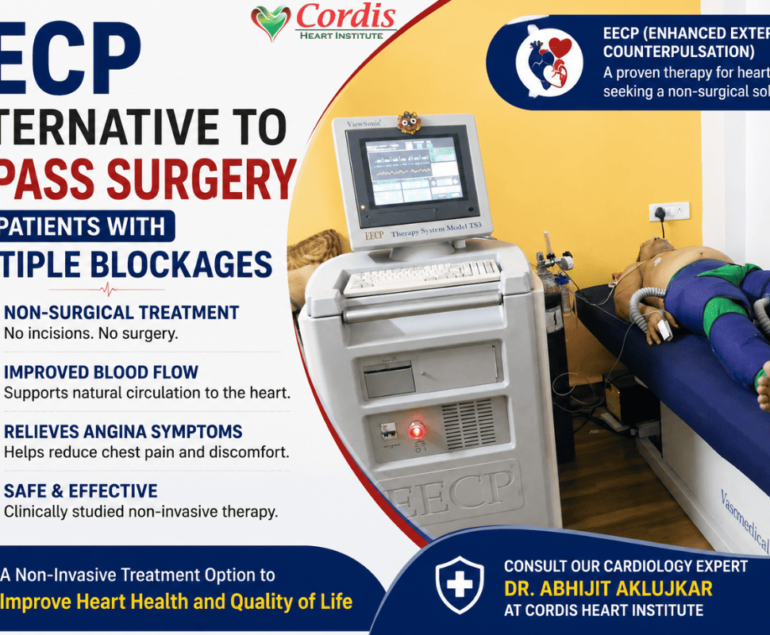
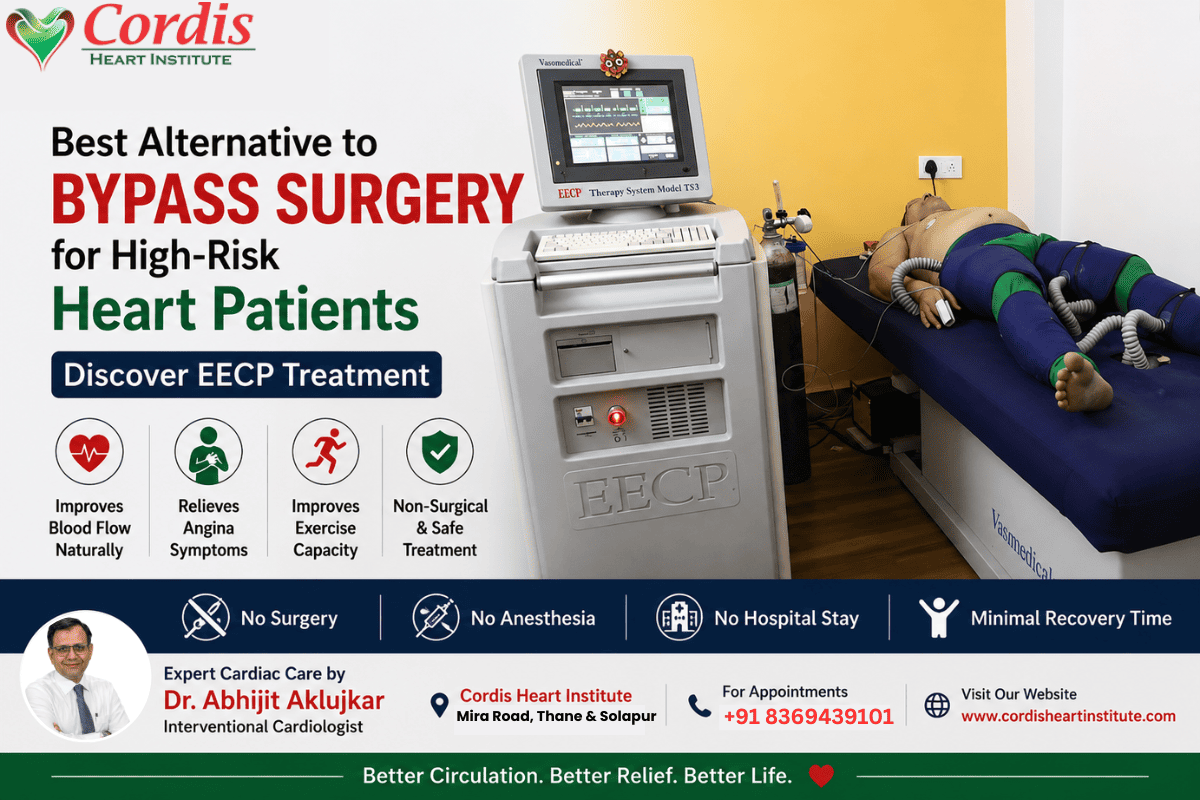
Enhanced External Counterpulsation (EECP) is a non-surgical outpatient therapy designed to improve blood flow to the heart.
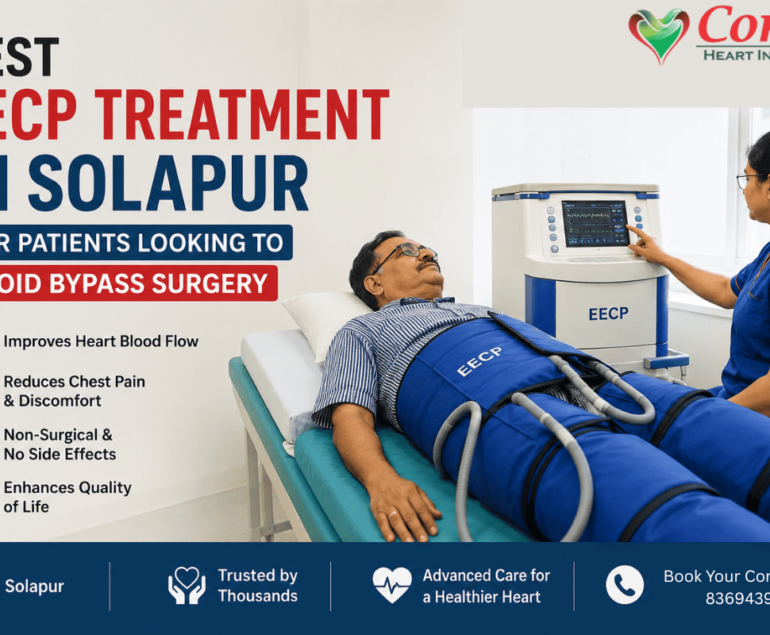
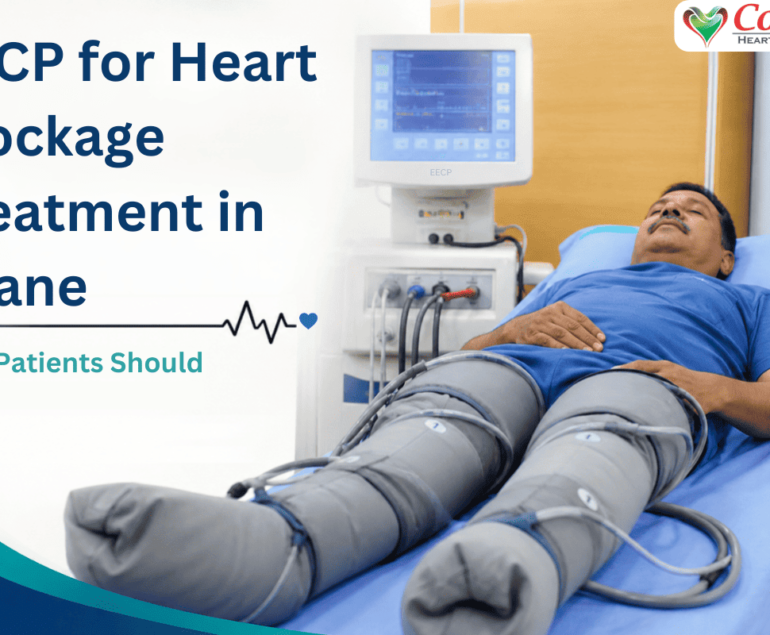
During treatment, inflatable cuffs are wrapped around the patient’s calves, thighs, and buttocks. These cuffs inflate and deflate in a carefully timed sequence that is synchronized with the heartbeat using an ECG.
The therapy aims to improve circulation and reduce the workload on the heart.
Unlike bypass surgery:
- No chest incision is required.
- No general anesthesia is needed.
- No stents are placed.
- Patients remain awake throughout the treatment.
- Most patients return home immediately after each session.
Because of these features, EECP has become an option for selected patients who cannot undergo surgery or continue to experience symptoms despite standard treatment.
How EECP Works to Improve Blood Flow
EECP uses controlled air pressure to gently compress blood vessels in the legs during the heart’s relaxation phase (diastole).
This action helps:
- Increase blood flow back to the heart
- Improve oxygen delivery to heart muscle
- Reduce the workload during pumping
- Support better circulation throughout the cardiovascular system
Over time, repeated treatment sessions may contribute to improved blood flow in carefully selected patients.
How EECP May Support Natural Collateral Circulation
One reason EECP has attracted clinical interest is its potential role in encouraging the development of collateral circulation.
Collateral vessels are small, naturally occurring blood vessels that may enlarge over time to help carry blood around narrowed arteries.
While EECP does not remove plaque or physically unblock coronary arteries, improved circulation may help reduce symptoms in some patients by supporting blood flow through these natural pathways.
The extent of benefit varies from person to person, which is why careful patient selection remains important.
Why EECP Is Considered a Non-Surgical Alternative
EECP is often described as an alternative to bypass surgery because it does not involve an operation.
Some potential advantages include:
- Completely non-invasive treatment
- No surgical wounds
- No hospital admission in most cases
- Minimal interruption to daily routine
- No recovery from major surgery
- Suitable for many carefully selected high-risk patients
However, it is essential to understand that EECP does not replace bypass surgery for everyone. Patients with certain types of severe coronary artery disease may still benefit most from surgical intervention.
The decision should always be made after a complete cardiac evaluation by an experienced cardiologist.
At Cordis Heart Institute, Dr. Abhijit Aklujkar carefully reviews each patient’s medical history, imaging reports, symptoms, and overall health before recommending whether EECP treatment or another approach is appropriate.
Who Is an Ideal Candidate for EECP Treatment?
EECP (Enhanced External Counterpulsation) is not a one-size-fits-all treatment. Before recommending it, a cardiologist reviews your symptoms, medical history, imaging reports, current medications, and overall heart health.
At Cordis Heart Institute, Dr. Abhijit Aklujkar performs a detailed cardiac evaluation to determine whether EECP treatment is suitable for each patient. The aim is to recommend a treatment plan that is both safe and appropriate for the individual’s condition.
Below are some groups of patients who may benefit from EECP after a thorough medical assessment.
Patients with Severe Heart Blockages
Coronary artery disease develops when fatty deposits (plaque) narrow the arteries supplying blood to the heart. This can reduce blood flow and lead to symptoms such as:
- Chest pain (angina)
- Shortness of breath
- Fatigue during physical activity
- Reduced exercise capacity
In some patients, bypass surgery or angioplasty may be the preferred treatment. However, others may not be suitable candidates because of age, overall health, or the location of the blockages.
For selected patients, EECP may help improve blood circulation and reduce angina symptoms, allowing them to carry out daily activities with greater comfort.
It is important to note that EECP does not remove plaque from blocked arteries. Instead, it works by improving blood flow and supporting the heart through better circulation.
Patients Who Are Not Eligible for Surgery
Some patients are considered “high surgical risk,” meaning the potential complications of surgery may outweigh the expected benefits.
This may include people with:
- Advanced age
- Poor heart pumping function
- Chronic kidney disease
- Severe diabetes
- Chronic lung disease
- Multiple health conditions
For these individuals, cardiologists may explore non-invasive treatment options that can help manage symptoms while avoiding the risks associated with major surgery.
EECP has been used in selected patients who cannot undergo bypass surgery because of these medical concerns.
Patients with Chronic Stable Angina
Angina is chest discomfort caused by reduced blood flow to the heart muscle.
Many patients experience relief with medications or angioplasty. However, some continue to have recurring chest pain despite receiving standard treatment.
This condition is often referred to as refractory or chronic stable angina.
Clinical studies have shown that EECP may help reduce angina episodes and improve exercise tolerance in selected patients with chronic stable angina.
Many patients report:
- Fewer episodes of chest pain
- Reduced dependence on nitroglycerin medication
- Improved stamina
- Better quality of life
Individual results vary, and continued follow-up with a cardiologist remains essential.
Patients After Angioplasty or Bypass Surgery
Receiving a stent or undergoing bypass surgery does not always eliminate symptoms permanently.
Some patients continue to experience:
- Persistent angina
- Reduced exercise capacity
- Fatigue
- Difficulty performing daily activities
After careful evaluation, EECP may be considered as part of a broader cardiac care plan for selected patients whose symptoms continue despite previous interventions.
Elderly Patients Seeking a Non-Invasive Option
Many elderly patients worry about the risks associated with open-heart surgery.
Because EECP is non-invasive and performed without general anesthesia, it may be an option for selected older adults who are not ideal surgical candidates.
The treatment is performed while the patient lies comfortably on a treatment table, and most individuals can return home shortly after each session.
Benefits of EECP Treatment Compared to Bypass Surgery
One reason EECP has gained attention is that it offers a non-invasive approach for selected patients with chronic coronary artery disease.
Although it cannot replace bypass surgery in every case, it provides several practical advantages for patients who qualify.
No Surgery Required
Unlike bypass surgery, EECP does not involve:
- Opening the chest
- Surgical incisions
- Heart-lung bypass machine
- Operating room procedures
The therapy is performed externally using inflatable cuffs placed around the legs.
No General Anesthesia
General anesthesia carries additional risks, particularly for elderly patients and those with multiple medical conditions.
EECP is performed while the patient remains awake and comfortable throughout the session.
This eliminates many of the risks associated with anesthesia.
No Hospital Admission in Most Cases
Bypass surgery usually requires several days in the hospital, followed by weeks of recovery.
EECP is generally provided as an outpatient treatment.
Patients typically:
- Attend scheduled sessions
- Complete treatment
- Return home the same day
This allows many individuals to continue much of their normal daily routine.
Minimal Recovery Time
Following bypass surgery, recovery often includes:
- Limited physical activity
- Wound healing
- Cardiac rehabilitation
- Follow-up appointments
Since EECP is non-invasive, there is usually no surgical recovery period.
Most patients resume their normal activities shortly after each treatment session unless advised otherwise by their doctor.
May Help Reduce Chest Pain
One of the main goals of EECP is to improve blood supply to the heart muscle.
Many appropriately selected patients report:
- Reduced frequency of angina
- Less discomfort during walking
- Improved ability to climb stairs
- Better tolerance for physical activity
Results vary based on the patient’s condition.
Improved Blood Circulation
EECP is designed to enhance circulation throughout the cardiovascular system.
Better circulation may help:
- Increase oxygen delivery
- Improve exercise capacity
- Support heart function
- Reduce symptoms during daily activities
Better Exercise Capacity
Patients with coronary artery disease often limit physical activity because of chest discomfort or breathlessness.
Following EECP treatment, some patients notice improvements that allow them to:
- Walk longer distances
- Perform household activities
- Participate in light exercise
- Feel less fatigued during routine tasks
These improvements can contribute to greater independence and confidence.
Improved Quality of Life
Heart disease affects more than physical health. It can also impact emotional well-being and everyday living.
Reducing symptoms may allow patients to:
- Spend more time with family
- Travel comfortably
- Sleep better
- Return to hobbies
- Feel more confident performing daily activities
For many patients, these changes are just as meaningful as improvements seen on medical tests.
EECP vs Bypass Surgery: Which Treatment Is Right for You?
The choice between EECP and bypass surgery depends on many factors, including the severity of coronary artery disease, symptoms, heart function, and overall health.
The following comparison provides a general overview.
Feature | EECP Treatment | Bypass Surgery |
Procedure | Non-invasive | Major open-heart surgery |
Incision | No | Yes |
General Anesthesia | Not required | Required |
Hospital Stay | Usually not required | Several days |
Recovery Time | Minimal | Weeks to months |
Treatment Duration | Multiple outpatient sessions | Single surgical procedure with recovery |
Suitable for High-Risk Patients | May be suitable for selected patients | Depends on overall health |
Goal | Improve blood flow and reduce symptoms | Bypass blocked arteries |
How Effective Is EECP Treatment?
One of the most common questions patients ask is whether EECP actually works.
Over the past two decades, EECP has been studied in patients with chronic stable angina and coronary artery disease.
While results vary from person to person, research suggests that selected patients may experience meaningful improvements in symptoms and quality of life.
Clinical Evidence Supporting EECP
Several clinical studies have reported that EECP may help:
- Reduce angina frequency
- Improve exercise tolerance
- Decrease the need for nitroglycerin medication
- Improve functional capacity
- Enhance quality of life in selected patients
These findings have led to EECP being included as a treatment option in certain clinical guidelines for patients with refractory angina who are not suitable candidates for additional revascularization procedures.
Long-Term Benefits Reported by Patients
Many patients continue to experience symptom relief months after completing their EECP treatment course.
Some reported benefits include:
- Greater confidence during physical activity
- Reduced chest discomfort
- Improved energy levels
- Better participation in daily routines
However, long-term outcomes depend on several factors, including medication adherence, diet, exercise, and management of conditions such as diabetes and high blood pressure.
Improvement in Daily Activities
The true value of treatment is often measured by how patients feel in everyday life.
After successful therapy, many individuals report improvements in activities such as:
- Walking
- Climbing stairs
- Shopping
- Household work
- Spending time with family
- Light recreational activities
These functional improvements can have a positive impact on overall well-being.
Relief from Angina Symptoms
For patients living with chronic angina, even simple daily tasks can become challenging.
The goal of EECP is to reduce symptoms rather than simply treat medical test results.
Many patients notice:
- Less frequent chest pain
- Improved stamina
- Reduced shortness of breath during activity
- Better overall comfort while performing routine tasks
Because every patient is different, outcomes cannot be guaranteed. Regular follow-up with a cardiologist remains essential.
What Happens During an EECP Treatment Session?
If your cardiologist recommends EECP treatment, understanding the process can help you feel more comfortable before starting therapy. EECP is a non-invasive outpatient treatment that does not require surgery, hospitalization, or general anesthesia.
At Cordis Heart Institute, Dr. Abhijit Aklujkar and the cardiac care team ensure every patient undergoes a detailed evaluation before beginning treatment. This helps determine whether EECP is an appropriate option based on the patient’s medical condition and treatment goals.
Initial Consultation
The first step is a consultation with an experienced cardiologist.
During this visit, your doctor will:
- Review your medical history
- Discuss your symptoms
- Evaluate previous treatments
- Review medications
- Understand your lifestyle and activity level
- Determine whether additional investigations are required
Every patient’s condition is different, which is why a personalized treatment plan is important.
Heart Evaluation Before EECP
Before recommending EECP, your cardiologist may advise one or more diagnostic tests, depending on your condition.
These may include:
- Electrocardiogram (ECG)
- Echocardiography (2D Echo)
- Treadmill Test (TMT), if appropriate
- Blood investigations
- Coronary angiography or CT coronary angiography (if already available)
- Blood pressure assessment
- Diabetes evaluation
These tests help identify the cause of symptoms and determine whether EECP is suitable.
Step-by-Step EECP Procedure
A typical EECP session follows a structured process.
Step 1: Patient Preparation
The patient lies comfortably on a treatment bed while ECG leads are attached to monitor the heartbeat.
Step 2: Inflatable Cuffs Are Applied
Special cuffs are wrapped around:
- Calves
- Lower thighs
- Upper thighs and buttocks
These cuffs are connected to a computerized EECP machine.
Step 3: Synchronization with Heart Rhythm
The system uses ECG signals to synchronize cuff inflation and deflation with the patient’s heartbeat.
Step 4: Controlled Compression
During the heart’s relaxation phase (diastole), the cuffs inflate sequentially from the calves upward.
This helps increase blood flow toward the heart.
Just before the heart contracts again, the cuffs rapidly deflate, helping reduce the heart’s workload.
Step 5: Completion of Session
Patients remain awake throughout the treatment. Many choose to read, listen to music, or watch television during the session.
Most people can return home immediately afterward.
How Long Does EECP Treatment Take?
A standard EECP session usually lasts about one hour.
Most treatment plans involve approximately 35 sessions, often completed over 7 weeks (five sessions per week). However, the exact schedule may vary depending on your condition and your cardiologist’s recommendations.
Your doctor will determine the most appropriate treatment plan after evaluating your heart health.
What Can Patients Expect After Treatment?
Many patients gradually notice improvements during or after completing the recommended treatment course.
Some patients report:
- Reduced angina symptoms
- Better stamina
- Improved ability to walk
- Less fatigue
- Increased confidence during daily activities
Results vary from patient to patient. Continuing prescribed medications and following your cardiologist’s advice remain essential for long-term heart health.
Is EECP Safe?
Safety is one of the reasons many patients ask about EECP when considering alternatives to bypass surgery.
EECP has been used for many years in selected patients with chronic stable angina. When performed under proper medical supervision and after appropriate patient selection, it is generally considered a well-tolerated treatment.
Safety Profile of EECP
Because EECP is non-invasive, it avoids many of the risks associated with major surgery, such as:
- Surgical wounds
- General anesthesia
- Chest incisions
- Long hospitalization
- Surgical recovery
Patients remain awake throughout each treatment session, and most can continue their normal routine afterward.
Possible Side Effects
Although EECP is generally well tolerated, some patients may experience temporary side effects such as:
- Mild leg discomfort
- Skin irritation
- Muscle soreness
- Temporary bruising where the cuffs are applied
- Fatigue during the initial sessions
These symptoms are usually mild and improve as treatment continues.
Patients should always inform the healthcare team if they experience any discomfort during treatment.
Who May Not Be Suitable for EECP?
EECP is not appropriate for everyone.
It may not be recommended for patients with certain medical conditions, including:
- Severe aortic valve disease
- Active deep vein thrombosis (DVT)
- Severe uncontrolled hypertension
- Significant peripheral vascular disease
- Certain irregular heart rhythms
- Active bleeding disorders
- Pregnancy
Only a qualified cardiologist can determine whether EECP is appropriate after reviewing your medical history and diagnostic reports.
Why Medical Evaluation Is Essential
Choosing the right treatment is never based on symptoms alone.
A cardiologist considers:
- Coronary artery disease severity
- Heart pumping function
- Existing medical conditions
- Previous heart procedures
- Current medications
- Overall physical health
This ensures patients receive the treatment most appropriate for their individual condition.
Why Choose Cordis Heart Institute for EECP Treatment?
Choosing the right hospital is just as important as choosing the right treatment.
At Cordis Heart Institute, patients receive individualized cardiac care focused on accurate diagnosis, evidence-based treatment, and long-term heart health.
Personalized Treatment Plans
No two heart patients are the same.
Each treatment plan is developed after carefully reviewing:
- Symptoms
- Test reports
- Medical history
- Lifestyle
- Risk factors
- Previous treatments
This personalized approach helps ensure patients receive care suited to their specific needs.
Expert Care by Dr. Abhijit Aklujkar
Under the guidance of Dr. Abhijit Aklujkar, patients receive a detailed evaluation before deciding whether EECP or another treatment option is appropriate.
Treatment decisions are based on current clinical evidence, patient safety, and long-term heart health.
Advanced Cardiac Evaluation
Cordis Heart Institute offers comprehensive cardiac assessment to support accurate diagnosis and treatment planning.
This integrated approach helps ensure that each patient receives individualized recommendations rather than a one-size-fits-all solution.
Patient-Centered Heart Care
The hospital focuses on supporting patients throughout their treatment journey.
Care includes:
- Patient education
- Medication guidance
- Lifestyle counseling
- Follow-up consultations
- Long-term heart health monitoring
Helping patients understand their condition is an important part of successful treatment.
Comprehensive Follow-Up Care
Managing coronary artery disease requires ongoing attention even after treatment.
Regular follow-up helps monitor:
- Symptom improvement
- Blood pressure
- Cholesterol levels
- Blood sugar
- Medication response
- Overall heart health
This supports long-term management and reduces future cardiovascular risk.
Lifestyle Changes That Support Better Heart Health
Medical treatment works best when combined with healthy lifestyle habits.
Whether a patient undergoes EECP, angioplasty, bypass surgery, or medical therapy, lifestyle changes remain essential.
Follow a Heart-Healthy Diet
Choose foods such as:
- Fresh fruits
- Vegetables
- Whole grains
- Lean protein
- Nuts
- Healthy fats
Limit:
- Fried foods
- Processed foods
- Excess salt
- Sugary beverages
- Trans fats
Stay Physically Active
Regular physical activity supports heart health.
Your cardiologist may recommend:
- Walking
- Light cycling
- Stretching
- Cardiac rehabilitation exercises
Always follow your doctor’s advice regarding exercise intensity.
Control Blood Pressure
High blood pressure increases strain on the heart.
Maintain healthy blood pressure through:
- Medication (if prescribed)
- Reduced salt intake
- Regular exercise
- Weight management
Manage Diabetes
Keeping blood sugar under control helps reduce the risk of additional damage to blood vessels.
Patients with diabetes should:
- Follow prescribed medications
- Monitor blood sugar regularly
- Attend routine medical check-ups
Reduce Stress
Long-term stress may affect heart health.
Helpful strategies include:
- Meditation
- Deep breathing
- Yoga
- Adequate sleep
- Spending time with family
Quit Smoking
Smoking damages blood vessels and significantly increases cardiovascular risk.
Stopping smoking is one of the most effective steps you can take to improve heart health.
If needed, ask your doctor about smoking cessation support.
Schedule Regular Cardiology Check-Ups
Routine follow-up allows early detection of any changes in heart health.
Regular visits help ensure:
- Medications remain effective
- Risk factors stay under control
- Symptoms are addressed promptly
Frequently Asked Questions
What is the best alternative to bypass surgery?
For selected high-risk patients, EECP treatment may be considered a non-invasive alternative to bypass surgery. However, the most appropriate treatment depends on the patient’s heart condition, symptoms, and overall health.
Can EECP replace bypass surgery?
Not always. EECP is not a replacement for bypass surgery in every patient. It may be recommended for selected individuals who are not suitable candidates for surgery or who continue to have chronic angina despite standard treatment.
Is EECP effective for severe heart blockage?
EECP does not remove plaque or physically open blocked arteries. It aims to improve blood circulation and reduce symptoms in appropriately selected patients.
Who should avoid bypass surgery?
Patients with advanced age, severe medical conditions, poor heart function, or high surgical risk may require evaluation for alternative treatment options. The final decision should always be made by a qualified cardiologist.
Is EECP safe for elderly patients?
Many elderly patients tolerate EECP well when they are carefully selected after a detailed cardiac evaluation. Your cardiologist will determine whether the treatment is appropriate for you.
How long do EECP results last?
Many patients experience symptom relief for months or longer after completing treatment. Maintaining a healthy lifestyle, taking prescribed medications, and attending follow-up appointments help support long-term results.
Does EECP open blocked arteries?
No. EECP does not remove arterial plaque. Instead, it helps improve blood circulation and may support the development of collateral blood vessels in selected patients.
Is EECP painful?
Most patients tolerate EECP well. Some may experience mild pressure from the inflatable cuffs or temporary soreness during the initial sessions.
How many EECP sessions are needed?
A standard treatment course often includes 35 one-hour sessions, though the exact number depends on the patient’s condition and the cardiologist’s recommendations.
Where can I get EECP treatment in Mumbai?
If you would like to know whether EECP is suitable for your condition, consult Dr. Abhijit Aklujkar at Cordis Heart Institute. A detailed evaluation can help determine the most appropriate treatment plan for your heart health.
Conclusion
Finding the best alternative to bypass surgery for high-risk heart patients requires careful medical evaluation rather than a one-size-fits-all approach. While bypass surgery remains the preferred treatment for many individuals with severe coronary artery disease, it may not be suitable for everyone.
For carefully selected patients, EECP treatment offers a non-invasive option that may help improve blood circulation, reduce angina symptoms, and improve quality of life without the need for major surgery.
At Cordis Heart Institute, Dr. Abhijit Aklujkar and the experienced cardiac team take a personalized approach to treatment. Every patient undergoes a detailed evaluation before recommendations are made, ensuring that the chosen treatment aligns with their medical condition and long-term heart health goals.
If you or a loved one has been advised to undergo bypass surgery but would like to understand whether a non-surgical option may be appropriate, speaking with an experienced cardiologist is the first step toward making an informed decision.
Looking for a Non-Surgical Alternative to Bypass Surgery?
If you have been diagnosed with coronary artery disease or chronic angina and want to know whether EECP treatment is right for you, schedule a consultation at Cordis Heart Institute.
Dr. Abhijit Aklujkar will carefully evaluate your heart condition, review your medical history, and recommend the treatment plan best suited to your individual needs.
Early diagnosis and timely treatment can make a meaningful difference in protecting your heart health.