Heart blockage can be worrying, especially when a cardiologist recommends angioplasty. Many patients want to know whether they can manage their condition without a stent or an invasive procedure. One treatment that often raises questions is EECP (Enhanced External Counterpulsation), a non-invasive therapy used to help relieve certain types of chest pain.
Can EECP help avoid angioplasty for heart blockage? In some cases, EECP may help reduce angina symptoms and improve daily functioning. However, it is not a universal replacement for angioplasty, and it does not physically remove plaque from coronary arteries. The right treatment depends on the location and severity of the blockage, the patient’s symptoms, test results and overall heart health.
This guide explains how EECP works, how it compares with angioplasty, who may benefit from it, and what patients should discuss with a cardiologist before making a treatment decision.
What Is Heart Blockage and When Is Angioplasty Recommended?
What Causes Heart Blockage?
Heart blockage usually refers to narrowing of the coronary arteries, which supply oxygen-rich blood to the heart muscle. This narrowing often develops because of atherosclerosis, a condition in which fatty deposits, cholesterol and other substances build up inside artery walls.
As the arteries narrow, the heart may receive less blood during physical activity or periods of increased demand. This can cause symptoms such as:
- Chest pain or pressure, commonly called angina
- Breathlessness during physical activity
- Unusual fatigue
- Discomfort that spreads to the arm, shoulder, back, neck or jaw
Some people have coronary artery disease without noticeable symptoms. Common risk factors include diabetes, high blood pressure, high cholesterol, smoking, physical inactivity and a family history of heart disease.
The severity of coronary artery disease varies. Some patients can manage their condition with medication and lifestyle changes, while others may require a procedure to improve blood flow.
What Is Angioplasty for Heart Blockage?
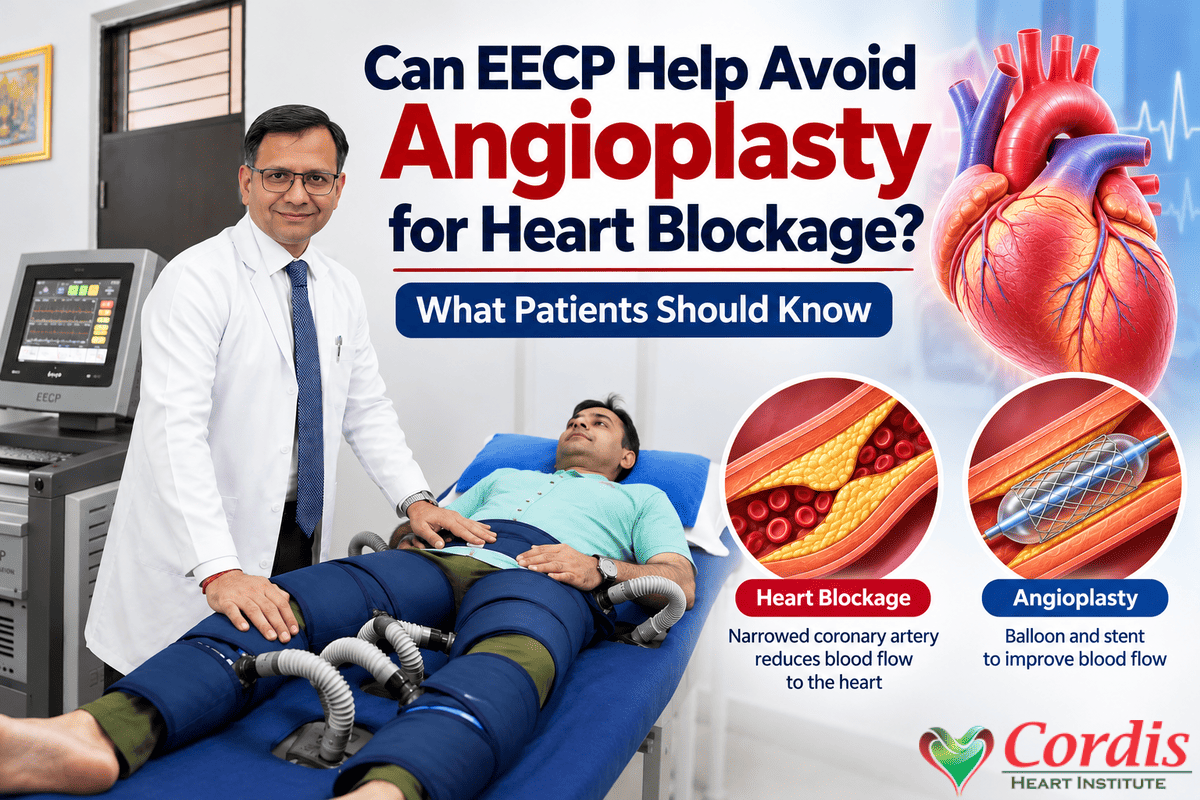
Coronary angioplasty, also called percutaneous coronary intervention (PCI), is a procedure used to improve blood flow through a narrowed coronary artery.
During the procedure, a cardiologist guides a thin catheter through a blood vessel to the affected artery. A small balloon is inflated to widen the narrowed area. A stent, which is a small mesh tube, is often placed to help keep the artery open.
Angioplasty may be recommended for patients with acute coronary syndromes or for selected patients with chronic coronary artery disease whose symptoms or clinical findings warrant intervention.
In certain emergencies, restoring blood flow quickly can be lifesaving. In other situations, the decision depends on symptoms, test results, coronary anatomy and the expected benefits and risks of the procedure.
Patients should therefore understand why angioplasty has been recommended before considering another treatment.
What Is EECP Treatment and How Does It Work?
What Is Enhanced External Counterpulsation?
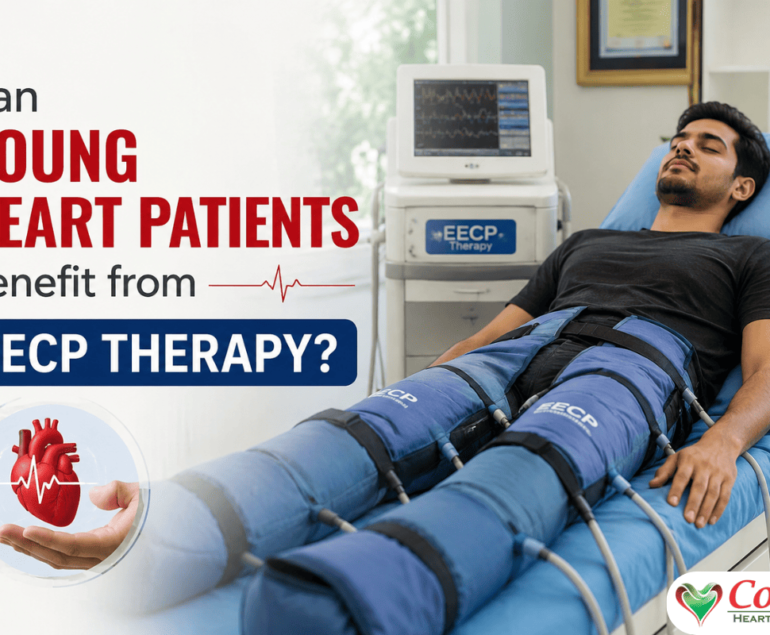
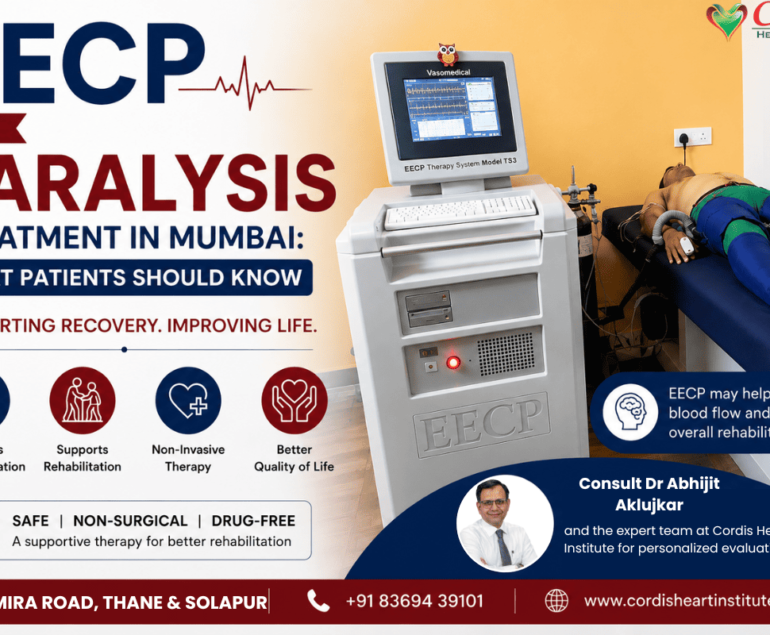
Enhanced External Counterpulsation (EECP) is a non-invasive treatment that uses inflatable cuffs placed around the lower legs and thighs. These cuffs inflate and deflate in coordination with the heartbeat.
Unlike angioplasty, EECP does not involve inserting a catheter into a coronary artery or placing a stent.
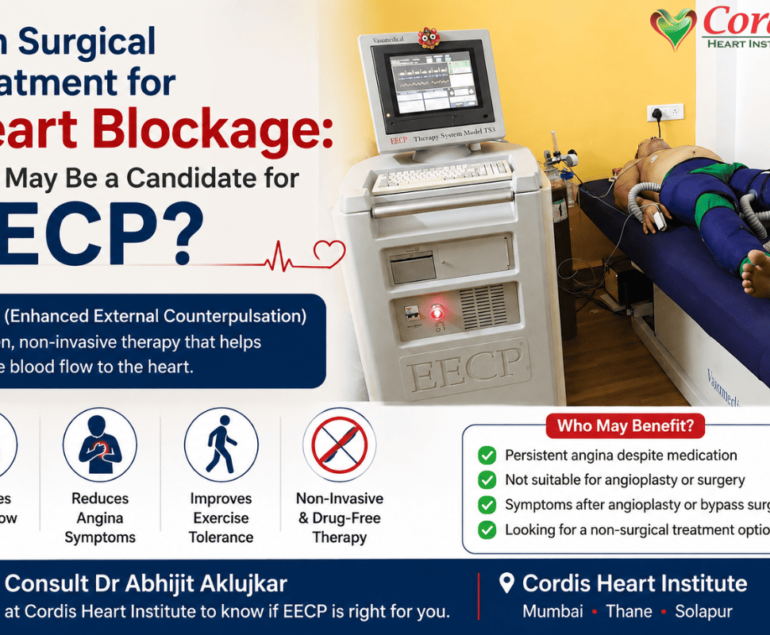
Doctors may consider EECP for selected patients with chronic angina, particularly when symptoms continue despite medication or when other treatment options are limited.
How Does EECP Therapy Help Patients With Angina?
During EECP treatment, the cuffs inflate in sequence during the heart’s resting phase and deflate before the heart pumps. This timing is designed to support blood flow toward the heart and reduce the workload associated with pumping.
For some patients, EECP may help reduce chest pain and improve their ability to perform everyday activities. However, the response varies from person to person.
It is important to understand that improvement in symptoms does not necessarily mean that a coronary artery blockage has disappeared. EECP is intended mainly to help manage symptoms in selected patients, not to physically remove plaque.
How Long Does EECP Treatment Take?
A commonly used EECP course consists of approximately 35 sessions, usually lasting one hour each, over about seven weeks. The actual schedule may vary according to the treating centre’s protocol and the patient’s medical needs.
The treatment is generally delivered in an outpatient setting. Patients should discuss the expected benefits, possible side effects, suitability and treatment schedule with their healthcare team before starting.
Can EECP Help Avoid Angioplasty for Heart Blockage?
Can EECP Replace Angioplasty?
EECP may help some patients manage chronic angina without undergoing an additional coronary procedure. However, it cannot replace angioplasty in every patient.
The two treatments have different purposes. Angioplasty is used to improve blood flow through a specific narrowed coronary artery. EECP uses external pressure cuffs to support circulation and may help relieve symptoms in selected patients.
The 2023 American Heart Association and American College of Cardiology chronic coronary disease guideline states that EECP may be considered for symptom relief in patients with refractory angina who have no other treatment options.
This means EECP has a role in selected clinical situations, not that every patient with a blocked artery can avoid angioplasty.
A cardiologist must assess whether symptoms can be managed with medication and other treatments or whether a procedure is needed to reduce the risk associated with the patient’s condition.
When Might EECP Be Considered Instead of Angioplasty?
A cardiologist may assess EECP as a treatment option in situations such as:
- Persistent angina: The patient continues to experience chest pain despite appropriate medical treatment.
- Limited procedural options: Angioplasty or bypass surgery may not be suitable because of the patient’s medical condition or coronary anatomy.
- Recurring symptoms: The patient continues to experience angina after a previous coronary procedure.
- Refractory angina: Symptoms remain difficult to manage despite treatment, and other options have been considered.
These situations do not automatically make someone eligible for EECP. The treating cardiologist must determine whether it is appropriate after reviewing the patient’s symptoms, medical history and investigations.
Does EECP Remove Heart Blockages?
No. EECP does not physically remove plaque from coronary arteries.
The treatment is designed to help improve circulation and relieve symptoms in selected patients. It should not be presented as a method of clearing a blocked artery or reversing coronary artery disease.
Patients should continue prescribed medicines and risk-factor management unless their doctor advises otherwise.
Can EECP Prevent Angioplasty in Every Patient?
No. Some patients may be able to manage chronic angina without angioplasty, while others may need a coronary procedure.
The decision depends on several factors, including:
- The location and severity of the narrowing
- Whether symptoms occur at rest or during activity
- Results of relevant cardiac investigations
- Heart function and other medical conditions
- Whether the patient has an acute or stable condition
- The expected benefits and risks of different treatment options
If a cardiologist recommends urgent intervention, patients should not delay it to try EECP. They should discuss any concerns about the procedure with their treating team.
EECP vs Angioplasty: What Is the Difference?
Understanding the differences between EECP and angioplasty can help patients ask better questions during a cardiac consultation.
Feature | EECP therapy | Angioplasty |
Treatment type | Non-invasive | Minimally invasive procedure |
How it works | External cuffs timed to the heartbeat | A catheter and balloon widen a narrowed artery |
Main purpose | May relieve angina symptoms in selected patients | Improves blood flow through a treated artery |
Stent required | No | A stent is often used |
Treatment schedule | Usually multiple outpatient sessions | Usually performed as a procedure |
Directly removes plaque | No | No, it generally compresses plaque against the artery wall |
Appropriate use | Selected patients with chronic or refractory angina | Patients whose condition warrants coronary intervention |
Neither treatment is automatically better for everyone. EECP may be an option for symptom management in selected cases, whereas angioplasty may be necessary when a narrowed artery needs procedural treatment.
Some patients may also require medication, coronary artery bypass grafting (CABG), or a combination of treatments.
Who Is a Suitable Candidate for EECP Treatment?
Which Patients May Benefit From EECP?
EECP may be considered for patients who:
- Have chronic, stable angina.
- Continue to experience symptoms despite prescribed medication.
- Have limited options for further coronary procedures.
- Need additional symptom management after a previous cardiac procedure.
The aim is to help selected patients reduce angina symptoms and improve their daily functioning.
Who May Not Be Suitable for EECP?
EECP is not suitable for everyone. Certain heart valve conditions, blood clots, serious peripheral artery disease and other medical problems may make treatment inappropriate or require additional assessment.
The treatment team should review the patient’s medical history, medications, circulation and overall health before recommending EECP.
Patients should not decide whether they qualify based only on their symptoms or the percentage of blockage reported in a scan.
What Are the Benefits and Limitations of EECP?
Potential Benefits of EECP Therapy
For suitable patients, possible benefits include:
- Reduced frequency or severity of angina symptoms
- Improved tolerance for everyday physical activities
- Treatment without a catheter or surgical incision
- Delivery through scheduled outpatient sessions
The degree of improvement varies. Patients should discuss realistic treatment goals with their cardiologist and understand how their response will be assessed.
What Are the Limitations of EECP?
EECP also has limitations:
- It does not physically clear blocked coronary arteries.
- It cannot replace urgent treatment for an acute coronary problem.
- It may not provide sufficient relief for every patient.
- It requires repeated treatment sessions.
- Its suitability depends on the patient’s medical condition.
- It should not replace medication, follow-up or other recommended care without medical advice.
Patients should be cautious about claims that promise guaranteed results or suggest that EECP can replace every stent or bypass procedure.
EECP, Medication, Angioplasty or Bypass: Which Treatment Is Right?
There is no single heart blockage treatment that is right for every patient. The choice depends on the diagnosis, symptoms, test results and treatment goals.
Medication
Doctors may prescribe medicines to control angina, reduce the risk of blood clots, manage blood pressure or cholesterol, and lower cardiovascular risk. The specific medicines depend on the patient’s condition.
EECP Therapy
EECP may help relieve chronic angina symptoms in selected patients, especially when symptoms persist despite medication and other treatment options are limited.
Angioplasty
Angioplasty may be recommended when a coronary artery needs to be treated with a catheter-based procedure. The benefits depend on the clinical situation, including whether the patient has an emergency condition or chronic coronary artery disease.
Coronary Artery Bypass Surgery
Coronary artery bypass grafting creates a new route for blood to flow around narrowed or blocked coronary arteries. It may be recommended for certain patterns of coronary artery disease, depending on the patient’s condition and expected outcomes.
What Tests Are Needed Before Choosing EECP or Angioplasty?
A cardiologist may recommend different tests depending on the patient’s symptoms and medical history. These can include:
- Medical history and physical examination: To assess symptoms, risk factors and previous heart problems.
- Electrocardiogram (ECG): To check the heart’s electrical activity.
- Echocardiography: To assess heart structure and pumping function when indicated.
- Stress testing: To assess how the heart responds to physical activity or medication when appropriate.
- Coronary CT angiography: To examine coronary arteries using CT imaging.
- Invasive coronary angiography: To visualise coronary artery narrowing and help determine whether a procedure may be appropriate.
Not every patient needs all these investigations. The cardiologist will select tests based on the clinical situation.
The results help determine whether medication, EECP, angioplasty, bypass surgery or another approach is appropriate.
Frequently Asked Questions About EECP and Angioplasty
Can EECP completely avoid angioplasty?
EECP may help some patients manage chronic angina without an additional coronary procedure. However, it cannot guarantee that angioplasty will be avoided. The decision depends on the patient’s symptoms, coronary anatomy, test results and clinical condition.
Is EECP effective for heart blockage?
EECP may reduce angina symptoms and improve daily functioning in selected patients. However, it does not physically remove plaque or guarantee that a narrowed coronary artery will reopen. A cardiologist should assess whether it is suitable.
Can EECP open blocked arteries naturally?
EECP is not a mechanical artery-opening procedure. It uses external cuffs timed to the heartbeat and may help relieve angina symptoms in selected patients. Patients should not assume that symptom improvement means the blockage has disappeared.
Is EECP better than angioplasty?
Neither treatment is universally better. EECP may help manage chronic angina in selected patients, while angioplasty treats a narrowed coronary artery through a catheter-based procedure. The appropriate option depends on the patient’s condition and treatment goals.
Can EECP be done after angioplasty?
EECP may be considered for selected patients who continue to experience angina after angioplasty. A cardiologist must first assess the cause of the symptoms and determine whether EECP is appropriate.
How many EECP sessions are required?
A commonly used course includes around 35 sessions, generally lasting one hour each over approximately seven weeks. The exact schedule depends on the treating centre’s protocol and the patient’s needs.
Is EECP treatment painful or risky?
EECP does not require a catheter or surgical incision, but the cuffs may cause discomfort, pressure or skin irritation. Some medical conditions may make treatment unsuitable. A clinical assessment is necessary before starting.
Can patients with 90% heart blockage take EECP?
A blockage percentage alone cannot determine whether EECP is appropriate. The location of the narrowing, symptoms, heart function and overall clinical condition all matter. Anyone with a reported severe blockage should promptly discuss the findings with a cardiologist rather than assuming EECP can replace a recommended procedure.
What happens if I delay angioplasty and choose EECP?
Delaying a recommended procedure may carry serious risks, depending on the underlying condition. EECP is not a substitute for urgent coronary intervention. Before changing a treatment plan, discuss the risks, expected benefits and alternatives with your cardiologist.
Is EECP suitable for patients with diabetes?
Diabetes does not automatically make someone suitable or unsuitable for EECP. The decision depends on the patient’s coronary artery disease, symptoms, circulation, other medical conditions and treatment goals.
Conclusion: Can EECP Help You Avoid Angioplasty?
EECP may help selected patients manage chronic angina and improve their ability to carry out daily activities. For some, it may be an option when symptoms persist despite medication and other coronary procedures are unsuitable or have limited remaining options.
However, EECP does not physically remove plaque from coronary arteries, and it cannot replace angioplasty or bypass surgery in every patient. The right treatment depends on the location and severity of coronary artery disease, symptoms, test results and overall health.
If you have been advised to undergo angioplasty, ask your cardiologist why the procedure is recommended and whether other treatments are appropriate for your condition. Do not postpone a recommended procedure without discussing the risks.
Considering EECP treatment for heart blockage?
Contact Cordis Heart Institute to arrange a cardiac consultation. Bring your previous cardiac reports, current medication list and any angiography or other relevant investigation results so the cardiologist can assess your treatment options.