Heart disease is one of the leading health concerns today, and for many patients, the moment they hear the words “bypass surgery,” fear immediately follows. Open-heart surgery can sound overwhelming. The long recovery time, hospital stay, possible complications, and lifestyle adjustments afterward often make patients wonder if there is another way.
The good news is that bypass surgery is not always the only option.
Today, several non-surgical heart treatment options can help manage heart blockage, improve blood circulation, and reduce symptoms like chest pain and breathlessness. In many cases, patients may benefit from advanced therapies like EECP treatment, medication management, and lifestyle modification before considering surgery.
At Cordis Heart Institute, under the guidance of Dr Abhijit Aklujkar, many patients seek second opinions to understand whether they can avoid invasive procedures and still improve their heart health safely.
If you or a loved one is searching for an alternative to bypass surgery, this guide will help you understand the available options, who may benefit from them, and what to expect from non-invasive cardiac care.
What Is Bypass Surgery?
Bypass surgery, also known as Coronary Artery Bypass Grafting (CABG), is a procedure used to improve blood flow to the heart. It is usually recommended when coronary arteries become severely blocked due to plaque buildup.
During surgery, doctors take a healthy blood vessel from another part of the body and use it to create a new pathway around the blocked artery.
While bypass surgery can be lifesaving in many cases, it is still a major operation that requires careful consideration.
Why Doctors Recommend Bypass Surgery
Doctors may suggest bypass surgery when:
- Multiple arteries are blocked
- Blood flow to the heart is severely reduced
- Chest pain becomes frequent
- Angioplasty is not suitable
- There is a high risk of heart attack
In emergency situations, surgery may be necessary immediately. However, not every blockage automatically requires surgery.
Risks and Recovery Time of Bypass Surgery
Like any major surgery, bypass procedures come with risks such as:
- Infection
- Bleeding
- Stroke
- Irregular heartbeat
- Lung complications
Recovery can take several weeks or even months. Many patients need prolonged rest, physiotherapy, and ongoing monitoring after surgery.
This is one reason why many people actively search for heart blockage treatment without surgery.
Is There an Alternative to Bypass Surgery?
In selected cases, yes.
Not every patient with heart blockage requires immediate surgery. Depending on the severity of the disease, overall health condition, age, and symptoms, doctors may suggest non-surgical heart treatment options first.
A detailed evaluation by an experienced cardiologist is necessary before making that decision
When Non-Surgical Heart Treatments May Be Possible
Non-invasive or minimally invasive treatments may help patients who:
- Have early or moderate blockages
- Cannot undergo surgery due to age or medical conditions
- Have diabetes or kidney issues
- Want a second opinion before surgery
- Continue experiencing chest pain after angioplasty
At Cordis Heart Institute, treatment plans are personalized instead of following a one-size-fits-all approach.
Factors Doctors Consider Before Avoiding Surgery
Before recommending alternatives, specialists usually evaluate:
- Severity of artery blockage
- Heart pumping function
- Presence of diabetes or hypertension
- Symptoms during physical activity
- Previous heart procedures
- Overall lifestyle and risk factors
The goal is always the same: improve blood flow, reduce symptoms, and protect long-term heart health safely.
Best Non-Surgical Heart Treatment Options
EECP Treatment for Heart Blockage
One of the most talked-about alternatives to bypass surgery today is EECP therapy.
EECP stands for Enhanced External Counter Pulsation. It is a non-invasive treatment designed to improve blood circulation naturally.
Unlike surgery, EECP does not involve cuts, anesthesia, or hospital admission.
What Is EECP Treatment?
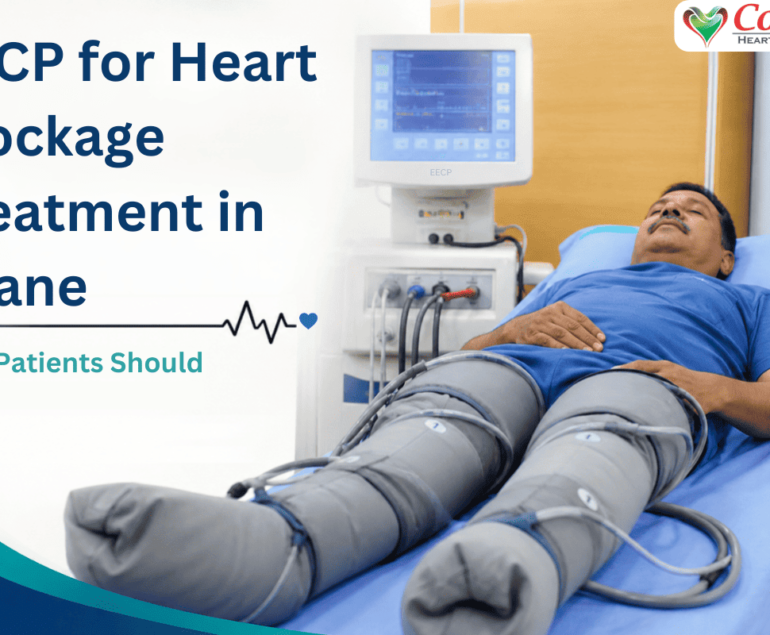
During EECP therapy, inflatable cuffs are wrapped around the legs. These cuffs inflate and deflate in sync with the heartbeat, helping push oxygen-rich blood toward the heart.
Over time, the treatment may help develop natural bypass channels, improving circulation in areas affected by blocked arteries.
Patients usually undergo multiple sessions spread over several weeks.
Benefits of EECP Therapy
Many patients choose EECP because it offers several advantages:
- No surgery or stitches
- No ICU stay
- Minimal recovery time
- Reduced chest pain
- Improved exercise tolerance
- Better quality of life
Some patients also report feeling more energetic and less breathless after completing therapy.
For people looking for a bypass surgery alternative, EECP can be worth discussing with a heart specialist.
Who Is a Good Candidate for EECP?
EECP may help patients who:
- Have chronic angina
- Have multiple heart blockages
- Are high-risk surgical candidates
- Continue having symptoms after angioplasty
- Want non-invasive cardiac treatment
However, EECP is not suitable for everyone. A cardiologist must first evaluate whether the therapy matches the patient’s condition.
EECP vs Bypass Surgery
Here is a simple comparison:
Factor | EECP Therapy | Bypass Surgery |
Invasive? | No | Yes |
Anesthesia | Not required | Required |
Recovery Time | Minimal | Several weeks |
Hospital Stay | Usually not needed | Required |
Risk Level | Lower | Higher |
Cost | Often lower | Higher |
It is important to understand that EECP is not meant to replace surgery in every situation. Severe blockages or emergency conditions may still require bypass surgery.
Lifestyle Modification for Heart Disease
Medical treatment alone is not enough. Long-term heart health also depends heavily on lifestyle changes.
Even patients who undergo surgery must improve their daily habits to prevent future complications.
Heart-Healthy Diet Changes
Diet plays a major role in managing cholesterol and blood pressure.
Doctors usually recommend:
- More fruits and vegetables
- Whole grains
- Healthy fats
- Less fried food
- Reduced salt intake
- Controlled sugar consumption
Small changes maintained consistently can make a meaningful difference over time.
Exercise and Cardiac Rehabilitation
Regular movement helps improve circulation and heart strength.
Depending on the patient’s condition, doctors may suggest:
- Walking
- Light cardio
- Breathing exercises
- Supervised cardiac rehabilitation
Exercise should always be done under medical guidance in heart patients.
Stress Management and Sleep
Stress affects blood pressure, inflammation, and heart rhythm.
Helpful stress-management methods include:
- Meditation
- Yoga
- Proper sleep
- Reduced screen time
- Spending time outdoors
Many people underestimate how strongly stress affects the heart.
Smoking and Alcohol Control
Smoking damages blood vessels and significantly increases heart disease risk.
Quitting smoking is one of the most effective lifestyle changes a patient can make.
Alcohol consumption should also be moderated carefully.
Medicines Used to Manage Heart Blockage
Medication remains a core part of non-surgical heart treatment.
Doctors may prescribe:
- Blood thinners
- Cholesterol-lowering medicines
- Blood pressure medicines
- Diabetes medications
- Anti-anginal drugs
These medicines help control symptoms and reduce the risk of heart attack.
Patients should never stop heart medication without medical advice.
Benefits of Choosing Non-Surgical Heart Treatment
Many patients prefer non-invasive options because they offer several practical benefits.
Lower Risk Compared to Surgery
Non-surgical treatments usually involve fewer complications and lower physical stress on the body.
This is especially important for elderly patients or those with multiple health issues.
Faster Recovery and Minimal Downtime
Most non-invasive procedures allow patients to continue their normal routines quickly.
Unlike surgery, recovery does not usually involve prolonged bed rest.
Affordable Treatment Options
In many cases, non-surgical heart care may be more affordable than open-heart surgery.
This can reduce both medical expenses and loss of work time.
Improved Quality of Life
The goal is not just longer life but better life.
Patients often seek treatment because they want relief from chest pain, fatigue, and fear of physical activity.
When symptoms improve, daily life becomes more comfortable and active.
Who Should Consider a Second Opinion Before Bypass Surgery?
Seeking a second opinion is completely reasonable, especially before major surgery.
A second consultation may help patients better understand all available options.
Signs You Should Explore Other Treatment Options
You may consider another evaluation if:
- You are unsure about surgery
- You have existing medical complications
- Symptoms are manageable
- You want to understand non-invasive options
- You prefer conservative treatment first
At Cordis Heart Institute, patients often visit for a detailed assessment before making major cardiac decisions.
Importance of Consulting an Experienced Heart Specialist
Choosing the right cardiologist matters.
An experienced specialist looks beyond reports and focuses on the patient’s overall health, lifestyle, symptoms, and long-term outcomes.
Dr Abhijit Aklujkar is known for patient-focused cardiac care and evaluating whether advanced non-surgical treatments may help reduce the need for invasive procedures.
Why Patients Choose Cordis Heart Institute for Non-Surgical Heart Care
Patients often look for a center that combines advanced technology with personalized care.
Cordis Heart Institute focuses on preventive cardiology, non-invasive treatments, and long-term heart health management.
Advanced Non-Invasive Cardiac Treatments
The hospital offers modern cardiac therapies designed to improve patient comfort and outcomes.
Personalized Treatment Plans
No two heart patients are exactly alike.
Treatment plans are customized based on:
- Age
- Symptoms
- Risk profile
- Lifestyle
- Existing medical conditions
Experienced Cardiac Team Led by Dr Abhijit Aklujkar
Expert guidance helps patients understand both surgical and non-surgical options clearly before making decisions.
Focus on Preventive and Long-Term Heart Health
Heart treatment should not stop after symptoms improve.
Preventive care, regular monitoring, and healthy habits remain essential for long-term wellness.
Frequently Asked Questions About Alternatives to Bypass Surgery
Can heart blockage be treated without surgery?
Yes, in selected cases. Medicines, lifestyle changes, EECP therapy, and preventive cardiac care may help manage symptoms and improve circulation.
Is EECP treatment safe?
EECP is generally considered safe when performed under expert supervision after proper cardiac evaluation.
How successful is EECP therapy?
Results vary depending on the patient’s condition, but many patients experience reduced chest pain and better exercise capacity.
Can EECP prevent bypass surgery?
In some cases, EECP may help delay or reduce the need for surgery, especially in patients with stable symptoms.
Is EECP painful?
Most patients describe the treatment as comfortable, though some may initially feel mild pressure from the inflatable cuffs.
How much does non-surgical heart treatment cost?
Costs vary depending on the therapy, hospital, and patient condition. A detailed consultation helps determine the right treatment plan.
Final Thoughts on Alternatives to Bypass Surgery
Hearing that you may need bypass surgery can feel stressful, but surgery is not always the only option.
Today, non-surgical heart treatment methods like EECP therapy, medication management, and lifestyle modification offer hope to many patients looking for safer and less invasive solutions.
The most important step is getting the right diagnosis and understanding all available options before making a decision.
If you are looking for an alternative to bypass surgery or want a second opinion for heart blockage treatment, consulting an experienced specialist can help you move forward with clarity and confidence.
To learn more about non-invasive cardiac care, connect with Dr Abhijit Aklujkar at Cordis Heart Institute.