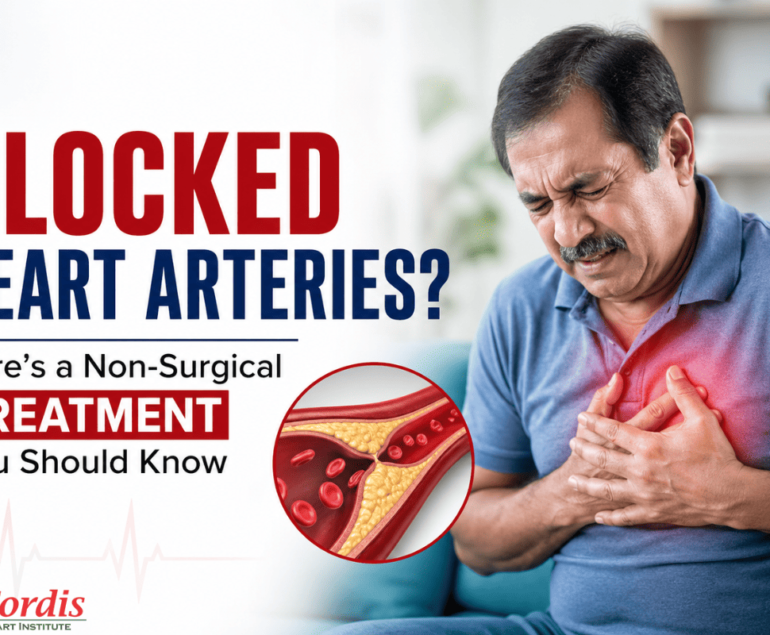
Heart disease is one of the biggest health concerns among senior citizens today. As people age, the risk of blocked arteries, chest pain, breathlessness, fatigue, and reduced mobility increases significantly. While surgeries like bypass operations and angioplasty are common treatment options, many elderly patients either cannot undergo surgery due to health risks or simply prefer a safer, non-invasive alternative.
This is where EECP therapy for elderly patients is gaining attention. Enhanced External Counterpulsation, commonly known as EECP, is a non-surgical heart treatment designed to improve blood circulation and reduce heart-related symptoms without an operation.
At Cordis Heart Institute, treatments like EECP are offered under the guidance of Dr Abhijit Aklujkar to help senior heart patients improve their daily lives safely and comfortably.
In this article, we’ll look at how EECP therapy works, its benefits for elderly heart patients, safety factors, and whether it can truly improve quality of life in seniors dealing with heart disease.
What Is EECP Therapy?
EECP stands for Enhanced External Counterpulsation. It is a non-invasive treatment that improves blood flow to the heart naturally.
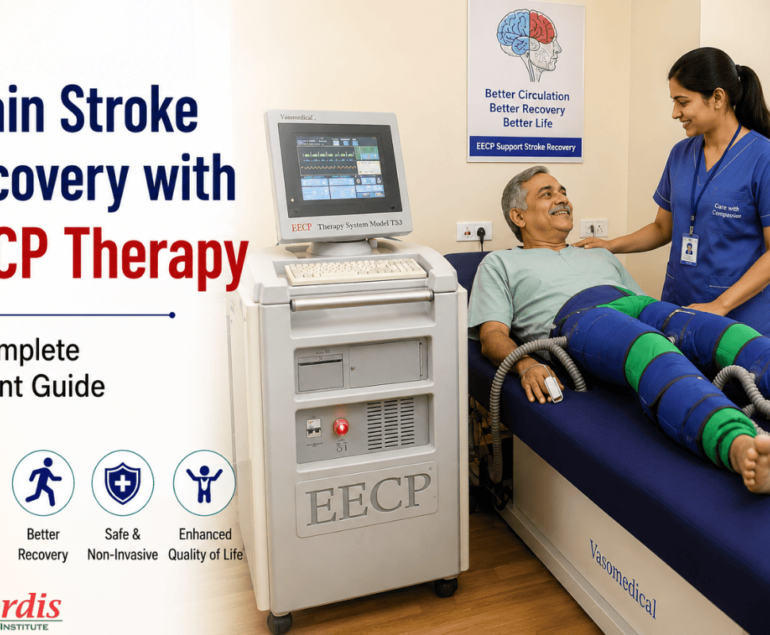
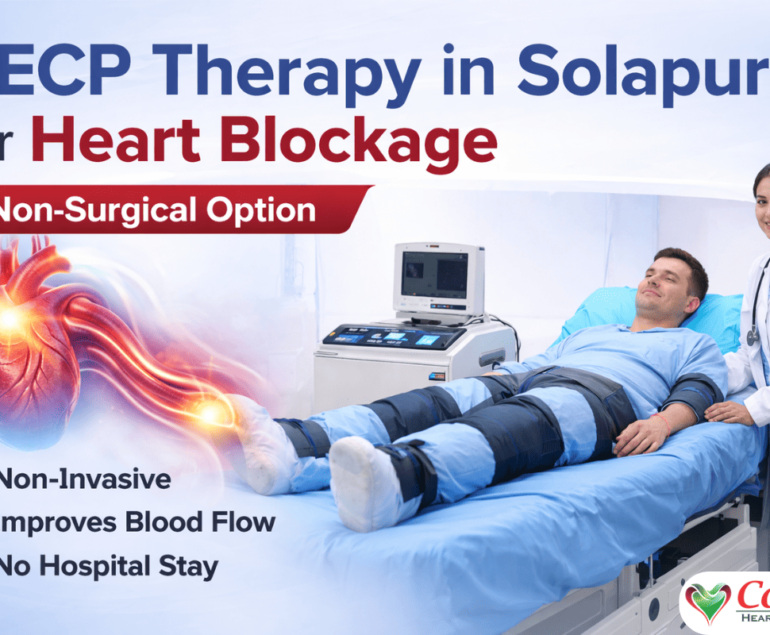
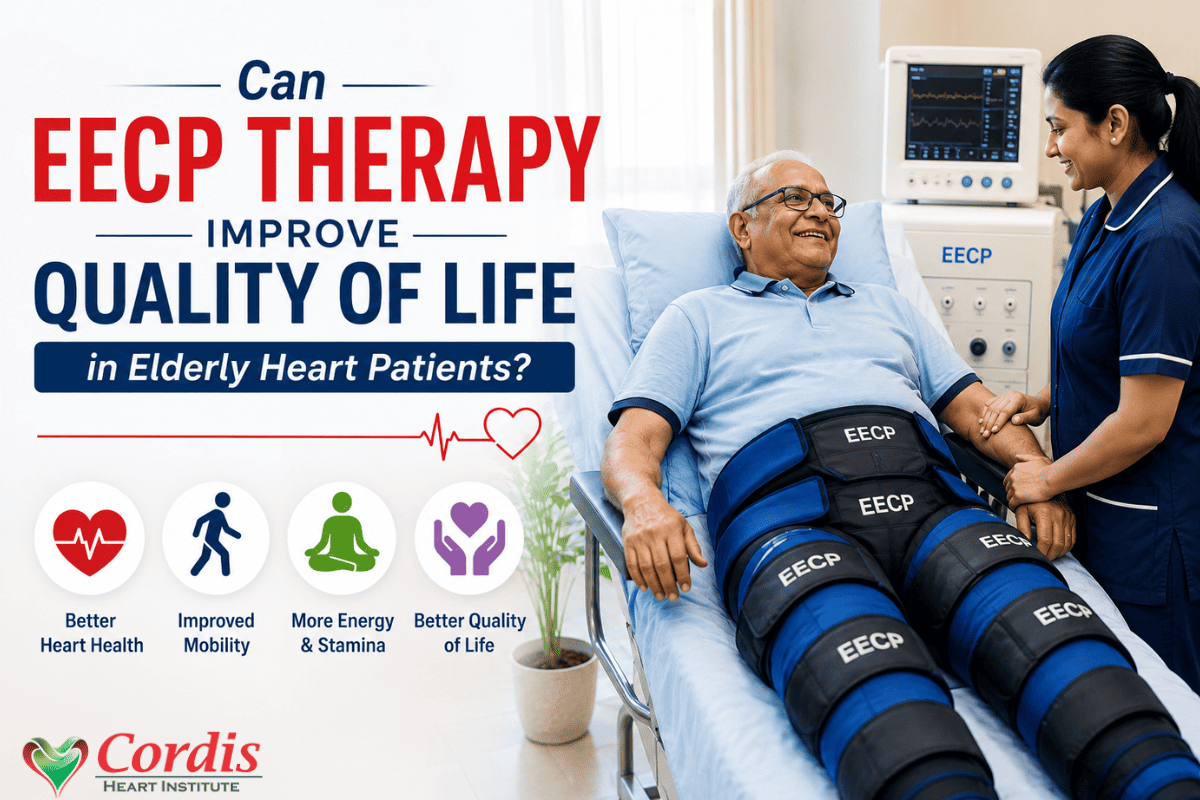
During the therapy, inflatable cuffs are wrapped around the patient’s legs. These cuffs inflate and deflate in sync with the heartbeat, helping blood circulate more effectively throughout the body. Over time, this process may encourage the development of small natural bypass blood vessels, also known as collateral circulation.
Unlike surgery, EECP therapy does not involve cuts, stitches, anesthesia, or long hospital stays.
Why EECP Therapy Is Different From Surgery
Many elderly patients worry about the risks associated with surgery. Recovery from bypass surgery can be physically and emotionally demanding, especially for patients above 60 or 70 years of age.
EECP therapy offers a different approach because it is:
- Non-invasive
- Painless for most patients
- Free from surgical complications
- Suitable for high-risk cardiac patients
- Associated with minimal recovery time
Patients can usually return home immediately after their session.
Who Can Benefit From EECP Therapy?
EECP therapy for elderly patients may be recommended for:
- Patients with angina or chest pain
- Elderly individuals with blocked arteries
- Patients experiencing breathlessness
- Individuals who are not fit for surgery
- Patients with recurring symptoms after angioplasty
- People seeking heart treatment without surgery
Why Heart Problems Are Common in Elderly Patients
As the body ages, the cardiovascular system naturally undergoes changes. Blood vessels become less flexible, circulation slows down, and the heart may have to work harder to pump blood efficiently.
Common Causes of Heart Problems in Seniors
Several factors increase the risk of heart disease in older adults:
- High blood pressure
- Diabetes
- High cholesterol
- Obesity
- Smoking history
- Sedentary lifestyle
- Stress and poor sleep
These conditions may lead to coronary artery disease, heart blockage, and heart failure.
Risks of Surgery in Elderly Patients
For younger patients, surgery may sometimes be manageable. However, older adults often face additional complications, such as:
- Slower recovery
- Increased infection risk
- Weak immunity
- Difficulty tolerating anesthesia
- Reduced physical stamina
This is one reason why non-surgical heart treatment for seniors is becoming more popular.
How EECP Therapy for Elderly Patients Improves Quality of Life
The biggest goal of any heart treatment is not just survival, but helping patients live comfortably and independently. EECP therapy benefits for seniors often go beyond heart symptom relief.
Reduction in Chest Pain and Angina
One of the most common reasons patients seek EECP therapy is recurring chest pain.
By improving blood circulation and oxygen supply to the heart, EECP may reduce angina episodes and discomfort during daily activities.
Many patients report feeling less heaviness in the chest after completing therapy sessions.
Improved Energy and Stamina
Fatigue is extremely common in elderly heart patients. Simple tasks like walking, climbing stairs, or even household work can become exhausting.
EECP therapy may help improve blood flow and oxygen delivery throughout the body, which can support better stamina and mobility.
Patients often experience:
- Easier walking
- Less tiredness
- Better physical activity tolerance
- Improved confidence in movement
Better Blood Circulation Without Surgery
One major advantage of EECP therapy is that it supports natural circulation improvement.
The treatment encourages the development of alternate blood vessels around blocked arteries. This may help the heart receive oxygen-rich blood more efficiently.
Because of this, many people consider EECP an alternative to bypass surgery in selected cases.
Emotional and Mental Benefits
Heart disease can affect mental health too. Elderly patients often develop fear, anxiety, or depression due to repeated hospital visits and physical limitations.
As symptoms improve, many patients feel:
- More independent
- More socially active
- Less anxious about surgery
- More optimistic about daily life
Better physical health often leads to better emotional well-being.
Scientific Evidence Supporting EECP Therapy
Several studies have examined the effectiveness of EECP therapy in heart patients, including senior citizens.
Research has shown that EECP may help:
- Reduce chest pain frequency
- Improve exercise capacity
- Improve blood circulation
- Enhance quality of life scores
- Reduce hospital visits in selected patients
Many cardiologists recommend EECP therapy for elderly patients who are unable to undergo invasive procedures.
What Happens During an EECP Therapy Session?
Many patients feel nervous before starting treatment because they are unfamiliar with the process. Fortunately, EECP therapy is generally simple and comfortable.
Step-by-Step Process
During treatment:
- The patient lies comfortably on a therapy bed.
- Large cuffs are wrapped around the calves, thighs, and hips.
- The cuffs inflate and deflate according to the heartbeat.
- Sessions usually last about one hour.
Patients remain awake throughout the procedure.
Number of Sessions Required
A standard EECP treatment plan often includes:
- 35 sessions
- 1 session per day
- 5 to 6 days per week
The exact duration may vary depending on the patient’s condition.
Is EECP Therapy Painful?
Most patients tolerate the treatment well.
Initially, some may feel mild pressure from the cuffs, but this usually becomes comfortable after a few sessions.
Unlike surgery, there are no stitches, cuts, or recovery wounds.
Is EECP Therapy Safe for Elderly Patients?
Safety is one of the biggest reasons elderly patients choose EECP therapy.
The treatment is FDA-approved and has been used worldwide for patients with coronary artery disease and angina.
Possible Side Effects
Side effects are generally mild and temporary. Some patients may experience:
- Mild muscle soreness
- Temporary skin irritation
- Fatigue after sessions
These symptoms usually improve quickly.
Who Should Avoid EECP Therapy?
EECP may not be suitable for patients with:
- Severe valve disease
- Certain irregular heart rhythms
- Deep vein thrombosis
- Severe uncontrolled hypertension
This is why a proper cardiac evaluation is important before starting treatment.
EECP Therapy vs Bypass Surgery
Many patients ask whether EECP therapy can replace bypass surgery completely. The answer depends on the patient’s condition.
EECP Therapy | Bypass Surgery |
Non-invasive | Major surgery |
No anesthesia | Requires anesthesia |
Minimal recovery | Longer recovery |
Lower risk for elderly patients | Higher surgical risk |
Outpatient treatment | Hospital admission required |
In selected elderly patients, EECP therapy may provide symptom relief without surgery. However, a cardiologist must determine the best treatment option.
Lifestyle Changes That Improve EECP Results
EECP therapy works best when combined with healthy lifestyle habits.
Heart-Healthy Diet
Senior patients should focus on:
- Fresh fruits and vegetables
- Low-salt meals
- Reduced fried food
- Controlled sugar intake
- Healthy fats
Regular Physical Activity
Gentle exercises can improve circulation and heart strength.
Recommended activities include:
- Walking
- Light yoga
- Breathing exercises
- Stretching
Stress Management
Stress directly affects heart health. Relaxation techniques such as meditation and proper sleep can support better recovery.
Why Choose Cordis Heart Institute for EECP Therapy?
Choosing the right cardiac care center matters, especially for elderly patients.
At Cordis Heart Institute, patients receive personalized attention and advanced non-surgical heart care.
Under the guidance of Dr Abhijit Aklujkar, the focus remains on improving patient comfort, circulation, and quality of life through modern treatment approaches.
The institute also supports patients with:
- Cardiac monitoring
- Lifestyle guidance
- Follow-up care
- Personalized treatment planning
Frequently Asked Questions About EECP Therapy for Elderly Patients
Can EECP therapy cure heart blockage permanently?
EECP therapy does not permanently remove blockages, but it may improve blood circulation and reduce symptoms naturally.
How long do EECP therapy results last?
Results vary from person to person. Many patients experience benefits for months or even years when combined with healthy lifestyle habits.
Is EECP therapy suitable after angioplasty?
Yes, some patients undergo EECP therapy after angioplasty if symptoms continue or circulation needs improvement.
Can diabetic and BP patients undergo EECP treatment?
Many diabetic and hypertension patients may be eligible, but medical evaluation is necessary before treatment.
Is EECP therapy covered by insurance in India?
Insurance coverage depends on the provider and policy terms. Patients should confirm directly with their insurance company.
Conclusion
Heart disease can greatly affect independence, mobility, and emotional well-being in elderly patients. While surgery may still be necessary in some cases, many seniors are now looking for safer and less invasive treatment options.
EECP therapy for elderly patients offers a non-surgical approach that may improve circulation, reduce chest pain, increase stamina, and support better overall quality of life.
For patients seeking heart treatment without surgery, EECP can be an option worth discussing with an experienced cardiologist.
If you or your loved one is looking for advanced non-surgical cardiac care, consult Dr Abhijit Aklujkar at Cordis Heart Institute.