Heart disease remains one of the leading causes of death worldwide. Among the most common heart-related conditions is coronary artery blockage, often referred to as heart blockage. When people hear that they have a blockage in their heart arteries, their first thought is usually surgery or angioplasty.
But is surgery always necessary?
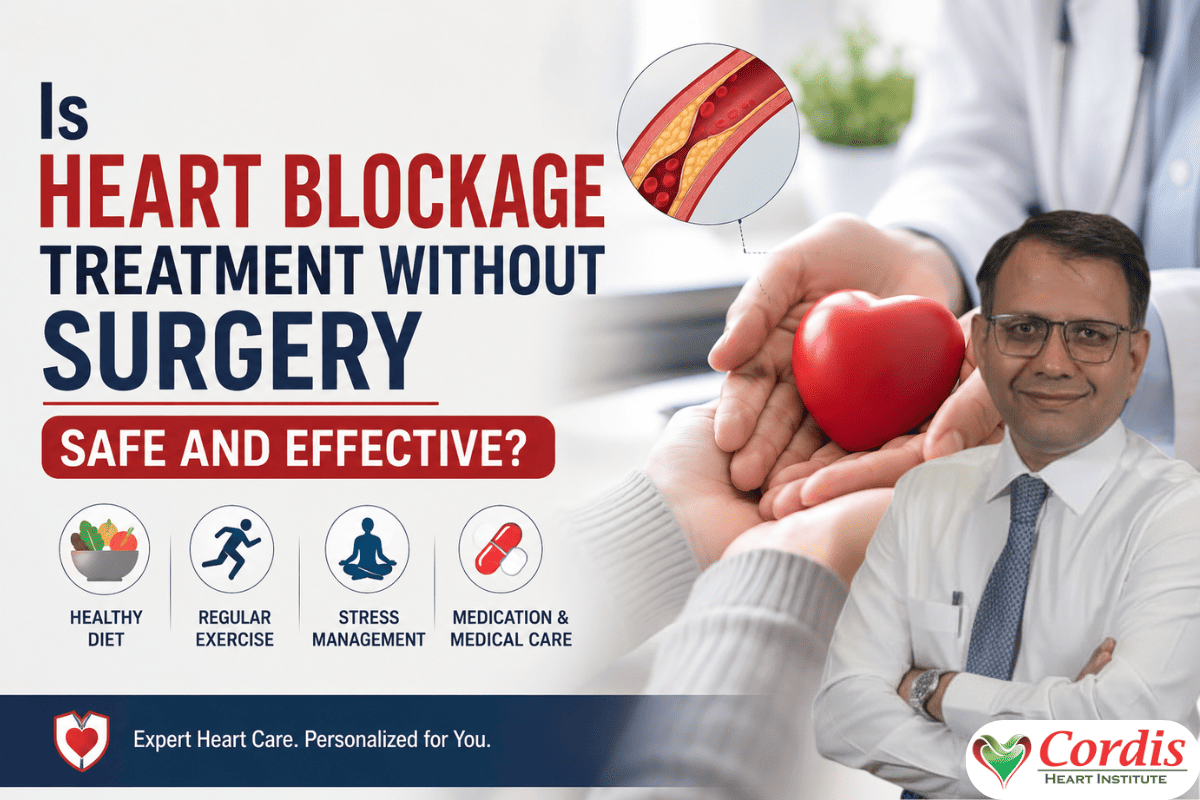
The good news is that not every patient with heart blockage requires an invasive procedure. Depending on the severity of the blockage, symptoms, and overall health condition, heart blockage treatment without surgery may be a safe and effective option for many individuals.
In this article, Dr Abhijit Aklujkar from Cordis Heart Institute explains how heart blockage develops, available treatment options, and whether non-surgical treatment can help improve heart health.
What Is Heart Blockage?
Heart blockage occurs when fatty deposits, cholesterol, calcium, and other substances accumulate inside the coronary arteries. This buildup forms plaques that narrow the arteries and reduce blood flow to the heart muscle.
When the heart receives less oxygen-rich blood, it can lead to symptoms such as chest pain, breathlessness, fatigue, and in severe cases, a heart attack.
How Heart Blockages Develop
Heart blockage does not happen overnight. It usually develops over several years due to:
- High cholesterol levels
- High blood pressure
- Smoking
- Diabetes
- Obesity
- Physical inactivity
- Family history of heart disease
- Chronic stress
Early detection can significantly improve treatment outcomes and reduce the risk of complications.
What Are the Symptoms of Heart Blockage?
Many people may have mild blockages without any symptoms. However, as the blockage worsens, warning signs often appear.
Common Symptoms
- Chest pain or discomfort
- Shortness of breath
- Fatigue during physical activity
- Dizziness
- Heart palpitations
- Pain in the neck, jaw, shoulders, or arms
Symptoms That Need Immediate Medical Attention
Seek emergency medical help if you experience:
- Severe chest pain
- Sudden shortness of breath
- Excessive sweating
- Nausea or vomiting
- Loss of consciousness
These symptoms may indicate a heart attack and require urgent treatment.
Heart Blockage Treatment Options: Surgery vs Non-Surgical Approaches
When discussing heart blockage treatment, many patients assume surgery is the only solution. In reality, treatment depends on several factors.
Factors Doctors Consider
- Percentage of blockage
- Number of blocked arteries
- Presence of symptoms
- Risk of heart attack
- Age and overall health
- Existing medical conditions
Some patients benefit from lifestyle modifications and medication, while others require angioplasty or bypass surgery.
Can Heart Blockage Be Treated Without Surgery?
The answer is yes, in selected cases.
Heart blockage treatment without surgery focuses on improving blood flow, controlling symptoms, preventing plaque progression, and reducing the risk of future cardiac events.
Patients with mild to moderate blockages often respond well to non-surgical treatment when combined with healthy lifestyle changes and regular medical supervision.
Who Is a Suitable Candidate?
You may be considered for non-surgical treatment if:
- The blockage is not severely restricting blood flow.
- Symptoms are mild or manageable.
- Heart function remains stable.
- There is no immediate risk of heart attack.
However, every case is different. A detailed evaluation by a cardiologist is essential before deciding on the best treatment approach.
Effective Non-Surgical Heart Blockage Treatment Methods
1. Lifestyle Changes
Lifestyle improvement is one of the most powerful tools for managing heart blockage.
Follow a Heart-Healthy Diet
Focus on:
- Fruits and vegetables
- Whole grains
- Lean proteins
- Healthy fats from nuts and seeds
- Reduced salt intake
Avoid:
- Processed foods
- Sugary drinks
- Excessive fried foods
- Trans fats
Exercise Regularly
Physical activity strengthens the heart and improves circulation.
Aim for:
- 30 minutes of moderate exercise
- At least 5 days a week
- Walking, cycling, swimming, or yoga
Always consult your cardiologist before beginning a new exercise program.
Manage Stress
Long-term stress may contribute to high blood pressure and unhealthy habits.
Helpful techniques include:
- Meditation
- Deep breathing exercises
- Mindfulness practices
- Adequate sleep
Stop Smoking
Smoking damages blood vessels and accelerates plaque formation. Quitting smoking can significantly lower cardiovascular risk.
2. Medications Used for Heart Blockage Treatment
Medication often plays a key role in heart blockage treatment without surgery.
Your doctor may prescribe:
Cholesterol-Lowering Medicines
Statins help reduce LDL cholesterol and stabilize plaque deposits.
Blood Thinners
These reduce the risk of blood clots that can trigger heart attacks.
Blood Pressure Medications
Controlling blood pressure helps protect the arteries from further damage.
Anti-Anginal Medicines
These medications improve blood flow and help reduce chest pain.
Medication plans should always be followed exactly as prescribed.
3. Cardiac Rehabilitation
Cardiac rehabilitation combines:
- Supervised exercise
- Nutritional guidance
- Lifestyle coaching
- Emotional support
These programs help patients recover and improve long-term heart health.
4. Regular Monitoring
Successful non-surgical treatment requires regular follow-ups.
Your cardiologist may recommend:
- ECG tests
- Stress testing
- Echocardiography
- Cholesterol monitoring
- Blood pressure tracking
Regular assessments help detect changes before they become serious.
Benefits of Heart Blockage Treatment Without Surgery
Many patients prefer non-surgical treatment because of its advantages.
Lower Risk of Procedure-Related Complications
Since there is no invasive intervention, risks associated with surgery are avoided.
Faster Recovery
Patients can continue most daily activities without prolonged hospitalization.
Reduced Healthcare Costs
In many cases, medication and lifestyle management can be more affordable than surgical procedures.
Long-Term Heart Health Improvement
Lifestyle modifications often provide benefits beyond heart blockage, improving overall health and quality of life.
Limitations and Risks of Non-Surgical Treatment
While non-surgical treatment can be effective, it is not suitable for everyone.
Medication Alone May Not Be Enough
Severe blockages may continue to restrict blood flow despite medication.
Risk of Delaying Necessary Treatment
Ignoring symptoms or postponing recommended procedures can increase the risk of heart attack.
Need for Consistent Commitment
Successful treatment requires:
- Medication adherence
- Dietary discipline
- Regular exercise
- Ongoing medical supervision
Without these measures, blockages may worsen over time.
When Is Surgery Still the Best Option?
Certain situations require immediate intervention.
Severe Coronary Artery Disease
Extensive blockages can significantly reduce blood flow to the heart.
Multiple Blocked Arteries
Patients with several affected arteries may benefit more from surgical treatment.
High-Risk Heart Attack Cases
Emergency angioplasty can quickly restore blood flow and prevent heart muscle damage.
Angioplasty and Bypass Surgery
Angioplasty
A small balloon is used to open narrowed arteries, often followed by stent placement.
Coronary Artery Bypass Surgery (CABG)
A healthy blood vessel is used to create a new pathway around the blocked artery.
Both procedures can be life-saving when appropriately recommended.
How Dr Abhijit Aklujkar Evaluates Heart Blockage Treatment Options
At Cordis Heart Institute, treatment decisions are based on careful assessment rather than a one-size-fits-all approach.
Comprehensive Evaluation
Dr Abhijit Aklujkar considers:
- Medical history
- Symptoms
- Diagnostic imaging
- Heart function
- Lifestyle factors
Advanced Diagnostic Testing
Modern diagnostic tools help determine:
- Location of blockage
- Severity of narrowing
- Future cardiac risk
Personalized Treatment Plans
Each patient receives a treatment strategy tailored to their specific condition and goals.
This patient-focused approach helps ensure the safest and most effective outcome.
Tips to Prevent Future Heart Blockages
Whether you have existing blockage or want to reduce future risk, prevention matters.
Eat Smart
Choose nutrient-rich foods and limit processed products.
Stay Active
Regular movement supports healthy blood circulation.
Control Blood Pressure
Monitor blood pressure regularly and follow medical advice.
Manage Diabetes
Maintaining healthy blood sugar levels helps protect blood vessels.
Get Routine Heart Checkups
Early detection remains one of the best ways to prevent serious heart complications.
Frequently Asked Questions
Can heart blockage be cured without surgery?
Heart blockage cannot always be completely reversed, but progression can often be slowed and symptoms effectively managed through medication and lifestyle changes.
What is the best heart blockage treatment without surgery?
The best treatment depends on the individual patient. A combination of medication, healthy eating, exercise, and regular monitoring often provides the best results.
How long does non-surgical treatment take?
Heart blockage management is usually a long-term process requiring ongoing medical care and lifestyle adjustments.
Can lifestyle changes reduce heart blockage?
Healthy habits can improve artery health and help prevent further plaque buildup.
Is medication enough to treat heart blockage?
For some patients, yes. For others, surgery or angioplasty may eventually become necessary.
What percentage of blockage requires surgery?
The decision depends on symptoms, artery location, and overall heart function, not just the percentage of blockage.
Can a blocked artery clear naturally?
Plaques rarely disappear completely, but proper treatment may stabilize them and reduce future complications.
Is heart blockage treatment without surgery safe for elderly patients?
Many elderly patients successfully manage heart blockage through medication and lifestyle modifications under expert medical supervision.
Conclusion
Heart blockage treatment without surgery can be both safe and effective for many patients, particularly when blockages are detected early and managed properly. Lifestyle changes, medication, cardiac rehabilitation, and regular monitoring can help control symptoms and reduce future risks.
However, not all heart blockages can be treated without procedures. The right treatment depends on the severity of the blockage, symptoms, and overall heart health.
If you are experiencing symptoms of heart blockage or have been diagnosed with coronary artery disease, professional evaluation is essential.
At Cordis Heart Institute, Dr Abhijit Aklujkar provides personalized treatment plans based on each patient’s unique condition, helping them make informed decisions about their heart health.
Schedule Your Consultation Today
Concerned about chest pain, breathlessness, or heart blockage symptoms?
Book an appointment with Dr Abhijit Aklujkar at Cordis Heart Institute and receive expert guidance on the most suitable heart blockage treatment option for your condition.