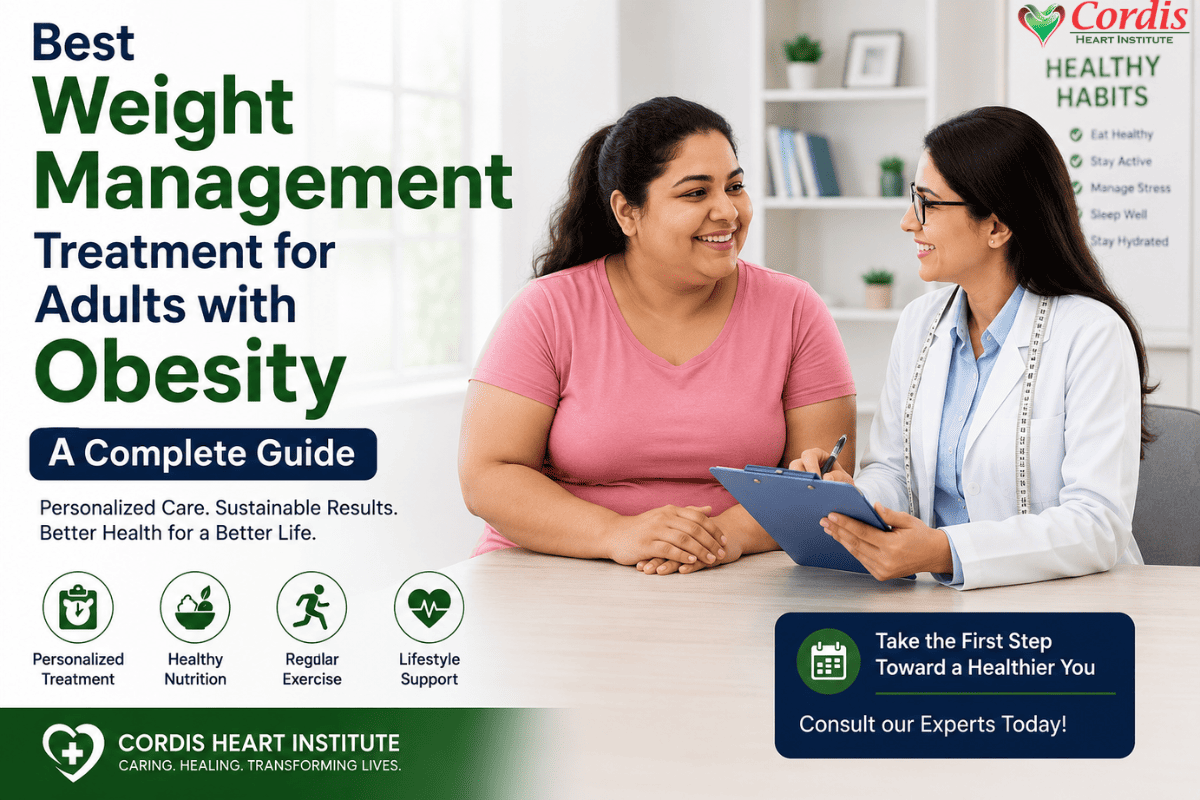
Obesity is more than a cosmetic concern. It is a chronic medical condition that increases the risk of heart disease, type 2 diabetes, high blood pressure, sleep apnea, joint problems, and several other health conditions. For many adults, losing weight is not simply a matter of eating less or exercising more. Factors such as genetics, hormones, lifestyle, stress, and underlying medical conditions often make weight loss much more challenging.
If you have tried multiple diets without lasting success, it may be time to consider professional weight management treatment. A medically supervised approach focuses on identifying the root cause of weight gain and creating a personalized plan that helps you lose weight safely while improving your overall health.
At Cordis Heart Institute, experienced healthcare professionals provide personalized weight management programs designed to help adults achieve sustainable weight loss through medical guidance, lifestyle changes, nutritional counseling, and evidence-based treatments. Rather than offering quick fixes, the goal is to help patients build healthier habits that last a lifetime.
In this guide, you’ll learn about the best weight management treatment for adults with obesity, who can benefit from it, and why professional care often delivers better long-term results than self-directed dieting.
What Is Weight Management Treatment?
Weight management treatment is a structured medical approach that helps individuals achieve and maintain a healthy body weight. Unlike fad diets that promise rapid results, professional weight management focuses on improving overall health through personalized nutrition, physical activity, behavioral changes, and medical support when needed.
The treatment plan is tailored to each person’s age, medical history, lifestyle, body composition, and health goals. This personalized approach makes it more effective than generic weight loss programs.
Understanding Medical Weight Management
Medical weight management is a doctor-supervised program designed to treat overweight and obesity using evidence-based methods. Instead of focusing only on the number shown on the weighing scale, healthcare professionals evaluate several factors, including:
- Body Mass Index (BMI)
- Waist circumference
- Existing medical conditions
- Family history
- Eating habits
- Physical activity levels
- Sleep quality
- Mental health
- Medications that may contribute to weight gain
Based on this assessment, doctors create a customized treatment plan that may include:
- Individualized meal planning
- Physical activity recommendations
- Lifestyle counseling
- Behavioral therapy
- Medical weight loss treatments
- Prescription medications when appropriate
- Long-term follow-up and progress monitoring
This comprehensive approach helps patients lose weight safely while reducing the risk of obesity-related diseases.
Weight Loss vs Weight Management
Many people assume weight loss and weight management mean the same thing, but there is an important difference.
Weight Loss | Weight Management |
Focuses on reducing body weight | Focuses on achieving and maintaining a healthy weight |
Often short-term | Long-term approach |
May rely on restrictive diets | Encourages sustainable lifestyle changes |
Results can be temporary | Aims for lasting health improvements |
Primarily measures kilograms lost | Measures improvements in overall health and quality of life |
Weight loss is only one part of the journey. Weight management focuses on preventing weight regain while improving heart health, blood sugar control, energy levels, and overall well-being.
Why Professional Treatment Works Better Than Crash Diets
Crash diets often promise dramatic weight loss within a few weeks. While they may produce quick results initially, they are difficult to maintain and frequently lead to weight regain.
Professional weight management offers several advantages.
Personalized Care
Every individual has different nutritional needs, metabolism, and health conditions. A customized treatment plan is far more effective than following popular diet trends.
Safer Weight Loss
Rapid weight loss can lead to muscle loss, nutritional deficiencies, dehydration, and fatigue. Medical supervision helps ensure that weight is lost gradually and safely.
Treating the Root Cause
Weight gain is not always caused by overeating. Hormonal disorders, thyroid problems, insulin resistance, certain medications, emotional eating, and sleep disorders can all contribute. Identifying these underlying factors improves treatment outcomes.
Long-Term Success
The primary goal is not simply to lose weight but to maintain those results over time. Patients receive ongoing guidance to build healthier eating habits, increase physical activity, manage stress, and stay motivated.
Reduced Risk of Health Problems
Even a modest weight loss of 5% to 10% of body weight can improve blood pressure, cholesterol levels, blood sugar control, and cardiovascular health.
Who Needs Weight Management Treatment?
Not everyone who wants to lose a few kilograms requires medical weight management. However, professional treatment can make a significant difference for adults who are overweight or living with obesity, particularly when excess weight begins to affect their health.
Seeking help early can prevent complications and improve long-term health outcomes.
Signs That You Should Seek Medical Help
You may benefit from a medically supervised weight management program if you:
- Have a Body Mass Index (BMI) of 25 or higher
- Have obesity-related conditions such as diabetes or hypertension
- Continue gaining weight despite lifestyle changes
- Frequently lose weight and regain it
- Experience fatigue due to excess weight
- Have difficulty performing daily activities
- Suffer from knee, back, or joint pain because of your weight
- Experience shortness of breath during mild physical activity
- Have been advised by your doctor to reduce weight for medical reasons
If any of these situations apply to you, consulting a weight management specialist can help you develop a realistic and effective treatment plan.
BMI Guidelines for Adults
Body Mass Index (BMI) is one of the most commonly used tools to determine whether a person’s weight falls within a healthy range. It is calculated by dividing body weight in kilograms by height in meters squared.
Although BMI does not measure body fat directly, it provides a useful starting point for assessing weight-related health risks.
BMI | Weight Category |
Below 18.5 | Underweight |
18.5 to 24.9 | Healthy Weight |
25.0 to 29.9 | Overweight |
30.0 to 34.9 | Obesity Class I |
35.0 to 39.9 | Obesity Class II |
40 and Above | Obesity Class III |
Doctors also consider waist circumference, body fat percentage, muscle mass, and overall health before recommending treatment.
Health Conditions Linked to Obesity
Obesity affects nearly every organ system in the body. As body weight increases, the risk of developing serious health conditions also rises.
Type 2 Diabetes
Excess body fat reduces the body’s ability to use insulin effectively, increasing blood sugar levels and the risk of type 2 diabetes.
High Blood Pressure
Carrying extra weight puts additional strain on the heart and blood vessels, making hypertension more likely.
High Cholesterol
Obesity is often associated with unhealthy cholesterol levels, which increase the risk of blocked arteries and cardiovascular disease.
Heart Disease
Adults with obesity are at greater risk of developing coronary artery disease, heart attacks, heart failure, and other cardiovascular complications. Maintaining a healthy weight is an important part of protecting heart health.
Sleep Apnea
Excess fat around the neck can narrow the airway during sleep, leading to repeated breathing interruptions, loud snoring, and poor sleep quality.
Fatty Liver Disease
Obesity is a leading cause of non-alcoholic fatty liver disease (NAFLD), a condition in which fat accumulates in the liver. If left untreated, it can progress to liver inflammation and permanent liver damage.
Joint Pain
Extra body weight places continuous pressure on weight-bearing joints such as the knees, hips, and lower back. Over time, this increases the risk of osteoarthritis and chronic pain.
Why Early Treatment Matters
Many people delay seeking professional help because they believe they can manage their weight on their own. While healthy eating and regular exercise are essential, obesity is a complex medical condition that often requires more than willpower alone.
Early intervention can help:
- Reduce the risk of chronic diseases
- Improve mobility and physical fitness
- Increase energy levels
- Improve sleep quality
- Support better mental well-being
- Lower the risk of heart-related complications
- Improve overall quality of life
Receiving treatment before complications develop often leads to better long-term results and makes weight management easier to maintain.
Common Causes of Adult Obesity
Obesity develops over time due to a combination of lifestyle, genetic, environmental, and medical factors. While eating habits and physical activity play an important role, they are not the only reasons people gain weight. Understanding the root cause is the first step toward choosing the most effective weight management treatment.
At Cordis Heart Institute, doctors evaluate each patient’s medical history, lifestyle, and overall health before recommending a personalized treatment plan.
Poor Eating Habits
One of the most common causes of obesity is consuming more calories than the body uses. Modern lifestyles often make it easy to rely on processed foods that are high in calories but low in nutrients.
Common dietary habits that contribute to weight gain include:
- Frequent consumption of fast food
- Sugary beverages and soft drinks
- Large portion sizes
- Late-night eating
- Skipping breakfast followed by overeating
- Excessive snacking on high-calorie foods
Replacing processed foods with whole grains, lean protein, fruits, vegetables, and healthy fats can support gradual and sustainable weight loss.
Physical Inactivity
A sedentary lifestyle is another major contributor to obesity. Many adults spend long hours sitting at work, driving, or using electronic devices, which reduces daily calorie expenditure.
Signs of an inactive lifestyle include:
- Sitting for more than 8 hours a day
- Minimal physical exercise
- Limited walking
- Lack of strength training
- Spending most leisure time watching television or using mobile devices
Even moderate physical activity, such as brisk walking for 30 minutes on most days, can improve weight management and cardiovascular health.
Hormonal Disorders
Some medical conditions affect metabolism and make weight loss more difficult.
Examples include:
- Hypothyroidism
- Polycystic Ovary Syndrome (PCOS)
- Cushing’s syndrome
- Insulin resistance
- Hormonal changes during menopause
Treating the underlying condition often improves the effectiveness of a weight management program.
Genetics
Genetics can influence how the body stores fat, regulates appetite, and burns calories. Individuals with a family history of obesity may have a higher risk of gaining weight.
However, genetics do not determine your future. Healthy eating, regular exercise, and professional medical support can significantly reduce obesity-related risks.
Stress and Emotional Eating
Many adults eat in response to emotions rather than hunger. Stress, anxiety, loneliness, and depression can lead to overeating, especially foods high in sugar and fat.
Learning healthier coping strategies can make a significant difference. These may include:
- Mindfulness techniques
- Stress management
- Regular exercise
- Adequate sleep
- Counseling or behavioral therapy when needed
Medications That May Cause Weight Gain
Certain medications may contribute to weight gain as a side effect.
These may include medications prescribed for:
- Depression
- Anxiety
- Diabetes
- Epilepsy
- High blood pressure
- Corticosteroid therapy
Never stop taking prescribed medication without consulting your healthcare provider. Your doctor may suggest suitable alternatives if appropriate.
Best Weight Management Treatments for Adults with Obesity
There is no single treatment that works for everyone. The best weight management program combines medical guidance with healthy lifestyle changes and regular follow-up.
The right treatment depends on factors such as:
- Current BMI
- Existing medical conditions
- Age
- Lifestyle
- Previous weight loss attempts
- Personal health goals
Below are the most effective approaches used in modern obesity treatment.
Personalized Diet Planning
Nutrition is one of the most important components of successful weight management.
Rather than recommending restrictive diets, healthcare professionals develop meal plans that fit your health needs and daily routine.
A personalized nutrition plan typically focuses on:
- Appropriate calorie intake
- Balanced carbohydrates, protein, and healthy fats
- High-fiber foods
- Portion control
- Hydration
- Sustainable eating habits
The objective is to build a diet that patients can follow comfortably for years rather than just a few weeks.
Exercise and Physical Activity Programs
Exercise supports fat loss while improving heart health, muscle strength, flexibility, and mental well-being.
Depending on individual fitness levels, a treatment plan may include:
- Brisk walking
- Cycling
- Swimming
- Strength training
- Yoga
- Low-impact exercises for individuals with joint pain
Doctors usually recommend gradually increasing activity levels instead of starting intense workouts immediately.
Lifestyle Modification
Long-term success depends on changing everyday habits rather than following temporary diets.
Lifestyle modification includes:
- Regular meal timing
- Better sleep habits
- Reducing sedentary behavior
- Managing stress
- Meal planning
- Monitoring weight regularly
Small, consistent improvements often produce better long-term results than drastic lifestyle changes.
Behavioral Therapy
Behavioral therapy helps identify habits and emotional triggers that contribute to overeating.
Patients learn practical techniques to:
- Control food cravings
- Improve self-awareness
- Set realistic goals
- Build healthier routines
- Stay motivated
- Prevent relapse after weight loss
This approach is particularly helpful for individuals who struggle with emotional eating or repeated weight regain.
Medical Weight Loss Programs
Medical weight loss programs combine several evidence-based strategies under the supervision of qualified healthcare professionals.
These programs may include:
- Comprehensive health assessment
- Regular medical monitoring
- Nutritional counseling
- Exercise planning
- Lifestyle coaching
- Medication when appropriate
- Long-term follow-up
Patients receive ongoing support throughout their weight loss journey, making it easier to stay on track.
Prescription Weight Loss Medications
Some adults may benefit from prescription medications when lifestyle changes alone are not enough.
Doctors may consider medication for individuals with:
- Obesity (BMI of 30 or above)
- Overweight with obesity-related medical conditions
Prescription medications work in different ways, including:
- Reducing appetite
- Increasing feelings of fullness
- Improving blood sugar regulation
- Reducing calorie absorption in specific cases
Medication should always be used alongside healthy eating and regular physical activity, not as a replacement.
GLP-1 Weight Loss Treatment
GLP-1 receptor agonists have become an important option for managing obesity in selected patients.
These medications work by:
- Increasing feelings of fullness
- Slowing stomach emptying
- Reducing appetite
- Supporting better blood sugar control
For eligible patients, GLP-1 medications can contribute to meaningful weight loss when combined with lifestyle changes and regular medical supervision.
Not everyone is a suitable candidate. A healthcare professional will determine whether this treatment is appropriate based on medical history and overall health.
Bariatric Surgery (When Recommended)
For adults with severe obesity or obesity-related complications, bariatric surgery may be considered when other treatments have not provided adequate results.
Common procedures include:
- Sleeve gastrectomy
- Gastric bypass
Potential benefits include:
- Significant weight reduction
- Better diabetes control
- Lower blood pressure
- Reduced cardiovascular risk
- Improved quality of life
Surgery is usually recommended only after a detailed medical evaluation and ongoing commitment to lifestyle changes.
Long-Term Weight Maintenance Programs
Losing weight is only part of the journey. Maintaining that weight requires continued support.
Long-term programs focus on:
- Regular health check-ups
- Nutritional guidance
- Exercise adjustments
- Monitoring body weight
- Preventing weight regain
- Maintaining healthy habits
Patients who receive continued follow-up generally achieve better long-term outcomes than those who stop treatment after reaching their target weight.
How Doctors Create a Personalized Weight Management Plan
Every individual responds differently to treatment. That is why healthcare providers at Cordis Heart Institute develop customized weight management plans instead of using a one-size-fits-all approach.
Medical Evaluation
The process begins with a detailed consultation covering:
- Medical history
- Family history
- Previous weight loss attempts
- Current medications
- Existing health conditions
- Lifestyle habits
This evaluation helps identify factors that may be affecting weight.
BMI and Body Composition Analysis
Doctors assess:
- Body Mass Index (BMI)
- Waist circumference
- Body fat percentage
- Muscle mass
- Overall body composition
These measurements provide a clearer understanding of health than body weight alone.
Blood Tests
Laboratory tests may be recommended to identify underlying medical conditions that affect weight.
These may include tests for:
- Blood sugar
- Cholesterol
- Thyroid function
- Liver function
- Kidney function
- Vitamin deficiencies
The results help doctors create a safer and more effective treatment strategy.
Lifestyle Assessment
Understanding daily habits is an important part of successful treatment.
Doctors evaluate:
- Eating patterns
- Physical activity
- Sleep quality
- Stress levels
- Work schedule
- Alcohol consumption
- Smoking history
Addressing these factors improves long-term success.
Setting Realistic Weight Loss Goals
Healthy weight loss takes time.
Instead of aiming for unrealistic results, doctors work with patients to establish practical goals based on their current health.
Examples include:
- Losing 5% to 10% of body weight over several months
- Improving blood sugar control
- Reducing blood pressure
- Increasing physical activity
- Building lifelong healthy habits
Achieving these milestones can lead to meaningful improvements in overall health and reduce the risk of obesity-related complications.
Treatment Comparison Table
Treatment Option | Best For | Main Benefit |
Personalized Diet Plan | Most adults | Sustainable eating habits |
Exercise Program | All fitness levels | Burns calories and improves heart health |
Lifestyle Modification | Long-term success | Prevents weight regain |
Behavioral Therapy | Emotional eating | Improves eating habits |
Medical Weight Loss Program | Adults with obesity | Comprehensive medical support |
Prescription Medication | Eligible patients | Supports appetite control |
GLP-1 Therapy | Selected patients | Improves fullness and weight loss |
Bariatric Surgery | Severe obesity | Significant long-term weight reduction |
Benefits of Professional Weight Management Treatment
Professional weight management is about more than losing weight. It is a structured approach that helps improve overall health, reduce the risk of chronic diseases, and support long-term lifestyle changes. With guidance from experienced healthcare professionals, patients receive personalized care that addresses the root causes of obesity rather than focusing only on the number on the scale.
Safe and Sustainable Weight Loss
Many people lose weight quickly through restrictive diets, only to regain it within a few months. Professional treatment focuses on gradual, healthy weight loss that is easier to maintain over time.
Benefits include:
- Reduced risk of nutritional deficiencies
- Preservation of muscle mass
- Healthy fat loss
- Improved metabolism
- Better long-term weight maintenance
The goal is to develop healthy habits that become part of everyday life.
Reduced Risk of Chronic Diseases
Maintaining a healthy weight lowers the risk of many obesity-related health conditions.
These include:
- Type 2 diabetes
- High blood pressure
- High cholesterol
- Heart disease
- Fatty liver disease
- Osteoarthritis
- Sleep apnea
Even a modest weight loss of 5% to 10% of body weight can produce measurable improvements in overall health.
Improved Heart Health
Excess weight places additional strain on the heart. As weight decreases, many patients experience improvements in:
- Blood pressure
- Cholesterol levels
- Blood circulation
- Heart function
- Exercise tolerance
Since obesity is a major risk factor for cardiovascular disease, maintaining a healthy weight plays an important role in protecting heart health.
Better Energy Levels
Many adults notice increased energy after losing excess weight.
Daily activities become easier, including:
- Walking
- Climbing stairs
- Household work
- Playing with children
- Exercising
Improved energy also encourages people to stay physically active, creating a positive cycle for continued weight management.
Improved Mental Well-being
Obesity can affect emotional health as well as physical health.
A successful weight management program may help improve:
- Self-confidence
- Body image
- Mood
- Motivation
- Sleep quality
- Stress management
When combined with behavioral therapy and healthy lifestyle habits, patients often experience better emotional well-being.
Better Quality of Life
Successful weight management can improve many aspects of daily life, including:
- Increased mobility
- Less joint pain
- Better sleep
- Greater independence
- Improved work productivity
- Enhanced overall well-being
These improvements can make everyday activities more comfortable and enjoyable.
How Long Does Weight Management Treatment Take?
There is no fixed timeline for weight management. Every individual responds differently depending on age, metabolism, medical conditions, lifestyle, and treatment adherence.
The focus should always be on steady progress rather than rapid weight loss.
Expected Timeline
Although results vary, many adults begin noticing positive changes within the first few weeks after starting a medically supervised program.
A typical journey may look like this:
Timeline | Expected Progress |
First Month | Improved eating habits, increased activity, early weight loss |
2–3 Months | Consistent weight reduction, improved energy, better fitness |
3–6 Months | Noticeable health improvements and better control of obesity-related conditions |
Beyond 6 Months | Long-term weight maintenance and healthier lifestyle habits |
Healthy weight loss is generally gradual and easier to maintain than rapid weight reduction.
Factors That Affect Results
Several factors influence how quickly someone loses weight, including:
- Starting body weight
- Age
- Gender
- Physical activity level
- Dietary habits
- Sleep quality
- Stress levels
- Hormonal conditions
- Medical conditions
- Consistency with treatment
Comparing your progress with others is rarely helpful. Each person’s journey is unique.
Maintaining Weight After Treatment
Maintaining weight loss is just as important as achieving it.
Successful long-term maintenance usually includes:
- Regular follow-up appointments
- Continued healthy eating
- Routine physical activity
- Monitoring body weight
- Managing stress
- Adequate sleep
- Ongoing motivation and support
Small lifestyle changes practiced consistently often produce the best long-term outcomes.
Why Choose Cordis Heart Institute for Weight Management Treatment?
Choosing the right healthcare provider is an important part of successful weight management.
At Cordis Heart Institute, the focus is on personalized care that supports both weight loss and overall health.
Personalized Treatment Plans
Every patient receives an individualized treatment plan based on:
- Medical history
- Current health condition
- BMI
- Lifestyle
- Personal goals
This personalized approach helps improve treatment effectiveness.
Experienced Medical Team
Weight management often requires input from healthcare professionals with experience in nutrition, lifestyle medicine, obesity management, and chronic disease prevention.
The medical team works closely with patients throughout their journey to provide guidance, education, and ongoing support.
Comprehensive Health Assessment
Before recommending treatment, doctors perform a detailed evaluation that may include:
- Physical examination
- BMI assessment
- Medical history
- Blood investigations
- Lifestyle evaluation
Understanding the complete health picture helps create a safe and effective treatment plan.
Evidence-Based Weight Management Programs
Treatment recommendations are based on current medical guidelines and scientific evidence rather than temporary diet trends.
Programs may include:
- Nutrition counseling
- Exercise planning
- Lifestyle modification
- Behavioral support
- Medical treatment when appropriate
- Long-term monitoring
Focus on Long-Term Lifestyle Changes
The objective is not simply to lose weight but to maintain better health for years to come.
Patients are encouraged to build healthy routines they can realistically continue throughout their lives.
Patient-Centered Care
Every patient’s journey is different.
At Cordis Heart Institute, treatment plans are adjusted as progress is monitored, ensuring patients receive the guidance they need at every stage.
Healthy Lifestyle Tips to Support Weight Management
Medical treatment works best when combined with healthy daily habits.
Eat Balanced Meals
Choose meals that include:
- Lean protein
- Whole grains
- Fresh vegetables
- Fruits
- Healthy fats
Limit processed foods, sugary drinks, and excessive portion sizes.
Stay Physically Active
Aim for regular physical activity throughout the week.
Activities may include:
- Walking
- Cycling
- Swimming
- Yoga
- Strength training
Always choose activities that match your fitness level.
Sleep Well
Poor sleep can increase hunger hormones and make weight management more difficult.
Adults should aim for 7 to 9 hours of quality sleep each night.
Manage Stress
Long-term stress often contributes to emotional eating.
Helpful stress management techniques include:
- Meditation
- Deep breathing
- Spending time outdoors
- Reading
- Regular exercise
- Talking with family or friends
Drink Enough Water
Staying hydrated supports overall health and may help reduce unnecessary snacking.
Replacing sugary beverages with water is a simple lifestyle improvement.
Track Your Progress
Keeping track of your journey can help maintain motivation.
Consider monitoring:
- Body weight
- Waist circumference
- Physical activity
- Daily meals
- Sleep patterns
Celebrating small milestones can help maintain long-term commitment.
Risks of Ignoring Obesity
Leaving obesity untreated may increase the likelihood of developing serious health problems over time.
Heart Disease
Obesity is closely associated with coronary artery disease, heart attacks, and heart failure.
Maintaining a healthy weight reduces stress on the cardiovascular system.
Type 2 Diabetes
Excess body fat increases insulin resistance, making diabetes more likely.
Weight management can improve blood sugar control and lower future risk.
Stroke
High blood pressure, diabetes, and high cholesterol associated with obesity increase the risk of stroke.
Managing weight is one of several ways to support long-term vascular health.
Kidney Problems
Obesity may increase the risk of chronic kidney disease by contributing to diabetes and hypertension.
Protecting kidney health begins with maintaining a healthy lifestyle.
Reduced Life Expectancy
Research consistently shows that untreated obesity can increase the risk of several chronic diseases that may shorten life expectancy.
Early intervention provides the best opportunity to improve long-term health.
Frequently Asked Questions
What is the best weight management treatment for adults with obesity?
The most effective treatment combines personalized nutrition, regular physical activity, lifestyle modification, behavioral support, and medical supervision. Some patients may also benefit from prescription medications or bariatric surgery when clinically appropriate.
Can obesity be treated without surgery?
Yes. Many adults successfully manage obesity through medically supervised lifestyle changes, nutrition counseling, physical activity, behavioral therapy, and medications when indicated. Surgery is generally considered only for selected patients.
How much weight can I lose in six months?
Results vary from person to person. Your healthcare provider will recommend realistic goals based on your health status, medical history, and treatment plan.
Is medical weight loss safe?
When supervised by qualified healthcare professionals, medical weight loss programs are designed to support safe and sustainable weight reduction while monitoring your overall health.
What foods should adults with obesity avoid?
Try to limit:
- Sugary beverages
- Fried foods
- Highly processed snacks
- Refined carbohydrates
- Excess sweets
- Foods high in saturated fat
Focus instead on balanced, nutrient-rich meals.
How is BMI used to diagnose obesity?
BMI estimates whether your weight is within a healthy range based on your height and weight. Doctors also consider waist circumference, body composition, and overall health before making treatment recommendations.
Are weight loss medications effective?
Prescription medications may help eligible patients as part of a complete weight management program. They work best when combined with healthy eating, physical activity, and ongoing medical supervision.
How do I maintain weight after treatment?
Long-term success depends on maintaining healthy eating habits, regular exercise, quality sleep, stress management, and routine follow-up with your healthcare provider.
When should I consult a weight management specialist?
Consider consulting a specialist if you have obesity, obesity-related medical conditions, repeated unsuccessful weight loss attempts, or difficulty maintaining a healthy weight despite lifestyle changes.
Where can I get professional weight management treatment in Mumbai?
If you are looking for personalized, medically supervised weight management treatment, Cordis Heart Institute offers individualized care designed to support safe, sustainable weight loss and better overall health.
Conclusion
Obesity is a complex medical condition that deserves professional attention. While healthy eating and regular exercise remain the foundation of weight management, lasting success often requires a personalized treatment plan that addresses your individual health needs.
Medical guidance can help identify the underlying causes of weight gain, reduce the risk of obesity-related diseases, and support healthy lifestyle changes that are easier to maintain over time.
At Cordis Heart Institute, patients receive personalized weight management programs tailored to their medical history, lifestyle, and long-term health goals. With the right support, achieving and maintaining a healthier weight becomes a realistic and sustainable goal.
Taking the first step today can lead to better health, greater confidence, and an improved quality of life.
Take the First Step Toward Better Health
If excess weight is affecting your health or daily life, don’t wait to seek professional support.
Cordis Heart Institute offers medically supervised weight management programs designed to help adults achieve healthy, sustainable weight loss through personalized care.
Schedule a consultation today and begin your journey toward a healthier future.