A brain stroke can change a person’s life within minutes. It may affect movement, speech, memory, balance, and even the ability to perform everyday activities. While emergency treatment focuses on saving brain tissue and preventing further damage, recovery does not end after leaving the hospital. Stroke rehabilitation plays a major role in helping patients regain independence and improve their quality of life.
In recent years, Brain Stroke Recovery with EECP Therapy has gained attention as a supportive treatment option for selected patients. EECP (Enhanced External Counterpulsation) is a non-invasive therapy that improves blood circulation throughout the body. Researchers are also studying whether better circulation may support brain recovery in certain stroke survivors when used alongside standard rehabilitation.
It is important to understand that EECP treatment for brain stroke is not a replacement for emergency stroke treatment, physiotherapy, occupational therapy, or prescribed medications. Instead, it may serve as an additional therapy for carefully selected patients under the supervision of an experienced medical team.
Whether you are a stroke survivor, a caregiver, or someone looking for information about stroke rehabilitation, this guide explains how brain stroke recovery works, the role of EECP therapy, current scientific evidence, and who may benefit from this treatment.
What Is a Brain Stroke?
A brain stroke occurs when the blood supply to a part of the brain is interrupted or when a blood vessel in the brain bursts. Without adequate oxygen and nutrients, brain cells begin to die within minutes.
Because different areas of the brain control different body functions, the symptoms and long-term effects of a stroke depend on the location and severity of the damage.
Stroke is one of the leading causes of long-term disability worldwide. However, early diagnosis, prompt treatment, and a structured rehabilitation program can significantly improve recovery outcomes.
How Does a Brain Stroke Occur?
Your brain requires a constant supply of oxygen-rich blood. This blood is delivered through a network of arteries.
A stroke happens when this blood flow is disrupted due to either:
- A blockage inside a blood vessel
- A rupture of a blood vessel causing bleeding into the brain
When blood cannot reach brain tissue, nerve cells begin to die rapidly. Every minute matters during a stroke, which is why immediate medical attention is critical.
Doctors often use the phrase:
“Time is Brain.”
The sooner treatment begins, the greater the chance of preserving healthy brain tissue.
Types of Brain Stroke
Understanding the different types of stroke helps patients and families understand why treatments may vary.
Ischemic Stroke
An ischemic stroke is the most common type, accounting for nearly 85% of all strokes.
It occurs when a blood clot blocks an artery supplying the brain.
Common causes include:
- Atherosclerosis (plaque buildup)
- Blood clots traveling from the heart
- Narrowing of brain arteries
Emergency treatment focuses on restoring blood flow as quickly as possible.
Hemorrhagic Stroke
A hemorrhagic stroke occurs when a blood vessel ruptures inside the brain.
The bleeding increases pressure on surrounding brain tissue, causing damage.
Common causes include:
- Uncontrolled high blood pressure
- Brain aneurysms
- Blood vessel abnormalities
- Head injuries
Treatment often focuses on controlling bleeding, reducing pressure inside the brain, and preventing complications.
Transient Ischemic Attack (TIA)
A TIA is often called a “mini-stroke.”
It happens when blood flow to the brain is temporarily blocked for a short period.
Symptoms usually resolve within minutes or hours, but a TIA should never be ignored. It serves as an important warning sign that a major stroke may occur in the future if risk factors are not managed.
Common Causes of Brain Stroke
Several medical conditions increase the likelihood of having a stroke.
Some of the most common causes include:
- Blocked arteries
- Blood clots
- High blood pressure
- Irregular heart rhythm (atrial fibrillation)
- Diabetes
- High cholesterol
- Smoking
- Excessive alcohol consumption
- Heart disease
- Obesity
Many of these conditions can be managed through lifestyle changes, medications, and regular medical check-ups.
Risk Factors You Should Know
Certain factors increase stroke risk more than others. While some cannot be changed, many are preventable.
High Blood Pressure
High blood pressure is considered the biggest risk factor for stroke. Over time, it weakens blood vessel walls and increases the risk of both ischemic and hemorrhagic strokes.
Diabetes
High blood sugar damages blood vessels and accelerates plaque formation, increasing the risk of blocked arteries.
High Cholesterol
Excess cholesterol contributes to plaque buildup inside arteries, reducing blood flow to the brain.
Smoking
Smoking damages blood vessels, increases blood clot formation, and raises blood pressure.
Heart Disease
Heart conditions such as atrial fibrillation can allow blood clots to form inside the heart and travel to the brain.
Obesity
Being overweight is associated with several stroke risk factors, including diabetes, hypertension, and high cholesterol.
Sedentary Lifestyle
Lack of physical activity contributes to poor cardiovascular health and increases the risk of stroke.
Common Symptoms After a Brain Stroke
Stroke affects every patient differently. Some recover quickly, while others require months of rehabilitation.
Common symptoms include physical, cognitive, emotional, and communication-related challenges.
Physical Symptoms
Physical difficulties are often the most noticeable after a stroke.
Patients may experience:
- Weakness on one side of the body
- Paralysis
- Difficulty walking
- Poor balance
- Muscle stiffness
- Fatigue
- Reduced coordination
- Difficulty swallowing
These symptoms can improve gradually with consistent rehabilitation.
Cognitive Symptoms
A stroke may also affect how the brain processes information.
Some patients experience:
- Memory loss
- Difficulty concentrating
- Poor problem-solving ability
- Confusion
- Reduced attention span
- Slower thinking
Cognitive rehabilitation can help improve these abilities over time.
Speech and Communication Problems
Damage to certain parts of the brain can make communication difficult.
Patients may develop:
- Slurred speech
- Difficulty finding words
- Trouble understanding conversations
- Reading difficulties
- Writing difficulties
Speech-language therapy plays an important role in recovery.
Emotional Changes
Stroke recovery is not only physical.
Many patients experience emotional changes such as:
- Anxiety
- Depression
- Mood swings
- Frustration
- Irritability
- Lack of motivation
Family support, counselling, and rehabilitation programs can make a meaningful difference during recovery.
Warning Signs That Require Immediate Medical Attention
Even after recovering from a stroke, patients should seek emergency care if they notice symptoms such as:
- Sudden weakness or numbness
- Difficulty speaking
- Sudden vision loss
- Severe headache
- Loss of balance
- Facial drooping
- Sudden confusion
These symptoms could indicate another stroke and require immediate treatment.
Remember the FAST method:
- F – Face: Does one side of the face droop?
- A – Arms: Can both arms be raised evenly?
- S – Speech: Is speech slurred or difficult?
- T – Time: Call emergency medical services immediately.
Understanding Stroke Rehabilitation
Stroke rehabilitation is a structured process designed to help patients regain physical, cognitive, and emotional function after a stroke.
Recovery is different for every individual. Some people recover within weeks, while others continue improving over several months or even years.
A personalised rehabilitation program gives patients the best chance of returning to their daily activities safely and independently.
Why Rehabilitation Starts Early
Doctors usually begin rehabilitation as soon as a patient’s medical condition is stable.
Early rehabilitation can help:
- Improve mobility
- Reduce muscle stiffness
- Prevent complications
- Improve balance and coordination
- Encourage brain adaptation (neuroplasticity)
- Support emotional recovery
Research shows that the brain has an amazing ability to reorganise itself after injury. This process, known as neuroplasticity, is one reason why consistent rehabilitation is so important.
Goals of Stroke Rehabilitation
Every rehabilitation plan is tailored to the patient’s condition.
The primary goals include:
- Restoring movement
- Improving independence
- Regaining communication skills
- Enhancing balance
- Improving memory and thinking
- Preventing future strokes
- Improving overall quality of life
Recovery often involves a team of healthcare professionals working together to achieve these goals.
Different Types of Stroke Rehabilitation
Stroke rehabilitation usually combines several therapies to address different aspects of recovery.
Physiotherapy
Physiotherapy helps improve:
- Walking ability
- Muscle strength
- Balance
- Flexibility
- Coordination
Regular exercises can gradually restore mobility and reduce the risk of falls.
Occupational Therapy
Occupational therapists help patients regain independence in daily activities such as:
- Dressing
- Bathing
- Cooking
- Writing
- Using household items
Adaptive techniques and assistive devices may also be introduced when needed.
Speech Therapy
Speech-language therapists help patients improve:
- Speech clarity
- Language comprehension
- Reading
- Writing
- Swallowing difficulties
Progress varies depending on the severity of brain injury, but consistent practice often leads to meaningful improvement.
Psychological Support
Emotional health is an important part of stroke recovery.
Counselling, family education, support groups, and stress management strategies help patients cope with the emotional challenges that often follow a stroke.
What Is EECP Therapy?
Enhanced External Counterpulsation (EECP) is a non-invasive treatment designed to improve blood circulation throughout the body. It has been used for many years to help patients with chronic angina and certain forms of coronary artery disease, particularly those who are not suitable candidates for angioplasty or bypass surgery.
Today, researchers are also exploring whether EECP therapy for stroke recovery may offer additional benefits for selected patients by improving blood flow and supporting the body’s natural healing processes.
It is important to understand that EECP is not a cure for brain stroke. Instead, it is considered an adjunct therapy, meaning it may complement standard stroke rehabilitation when recommended by a qualified physician.
Understanding Enhanced External Counterpulsation (EECP)
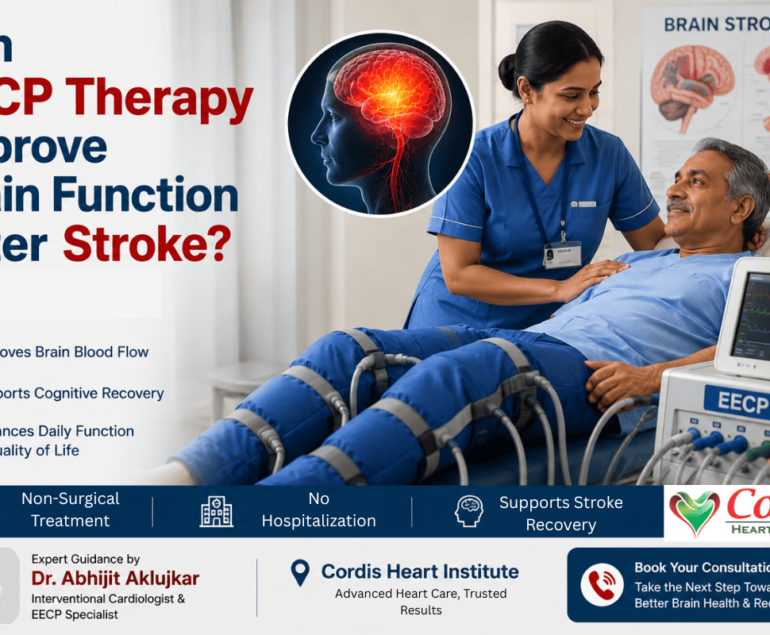
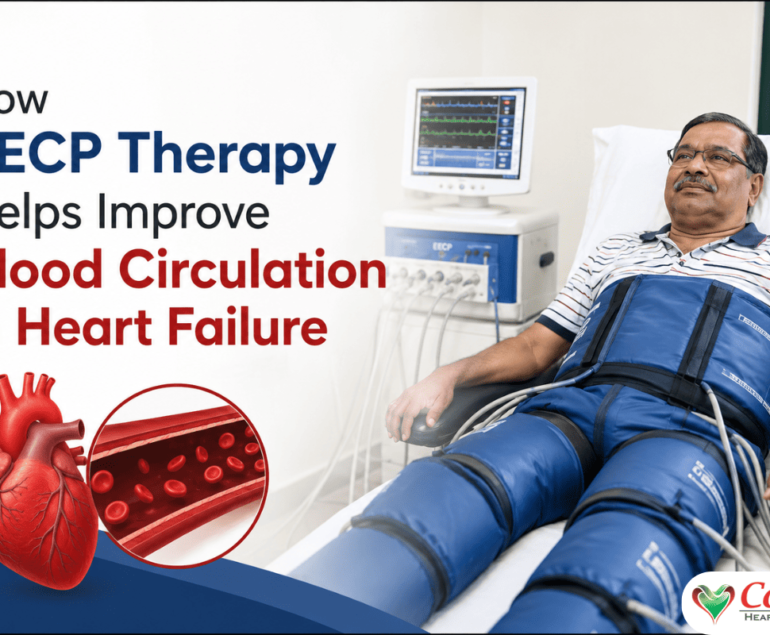
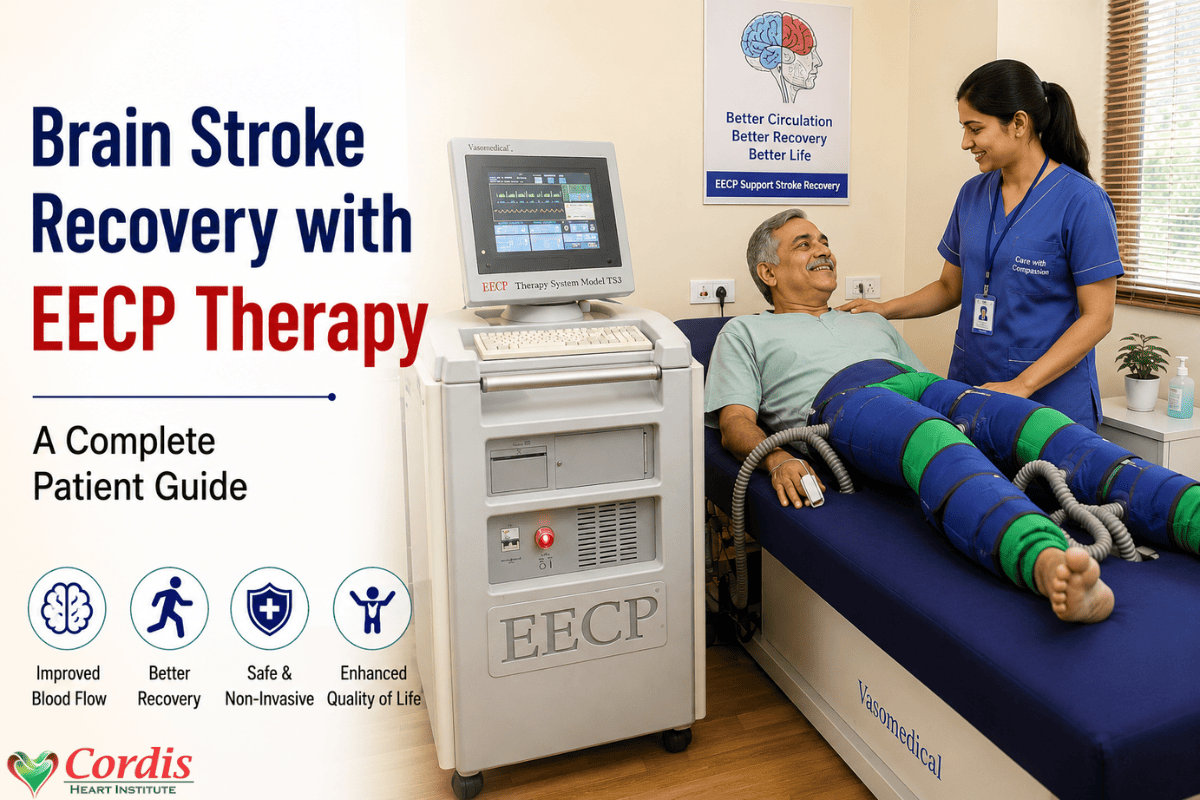
EECP uses inflatable cuffs wrapped around the calves, thighs, and buttocks. These cuffs inflate and deflate in sync with the patient’s heartbeat using a computer-controlled system connected to an ECG.
During the relaxation phase of the heart (diastole), the cuffs inflate sequentially from the lower legs upward. This gently pushes oxygen-rich blood back toward the heart and may also improve blood flow to other organs, including the brain.
Just before the heart contracts, the cuffs rapidly deflate. This reduces the heart’s workload while supporting efficient blood circulation.
Patients remain awake throughout the treatment and can usually read, listen to music, or watch television during the session.
How EECP Therapy Works
EECP works through a carefully timed inflation and deflation process.
Here’s how a typical treatment cycle works:
- ECG sensors continuously monitor the heartbeat.
- Air cuffs inflate in sequence during diastole.
- Blood is pushed back toward the heart, increasing circulation.
- The cuffs deflate just before the next heartbeat.
- The cycle repeats thousands of times during the session.
Over multiple sessions, this repeated increase in circulation may stimulate the formation of small collateral blood vessels, improve endothelial function, and support better blood flow throughout the body.
These effects are well documented in patients with coronary artery disease. Researchers are now studying whether similar improvements in circulation could support recovery after certain types of brain stroke.
How EECP May Improve Blood Flow
Healthy blood circulation is essential because every organ depends on oxygen and nutrients delivered through the bloodstream.
One of the proposed benefits of EECP is its ability to:
- Increase overall blood circulation
- Improve oxygen delivery
- Support healthy blood vessel function
- Encourage collateral circulation
- Reduce vascular resistance
- Improve tissue perfusion
In stroke survivors, improved circulation may help create a better environment for ongoing rehabilitation. However, responses vary from person to person, and more research is still underway.
Duration of an EECP Treatment Program
A standard EECP treatment program typically includes:
- One-hour sessions
- Five to six days per week
- Approximately 35 sessions over seven weeks
Some patients may require a customised treatment schedule depending on their medical condition and physician’s recommendation.
Before beginning therapy, doctors perform a detailed evaluation to determine whether EECP is appropriate and safe.
Is EECP Pain-Free?
Yes. Most patients describe EECP therapy as comfortable.
During treatment, patients may feel:
- Firm pressure around the legs
- Rhythmic squeezing sensations
- Mild tightness from the cuffs
These sensations usually become familiar after the first few sessions.
Unlike surgery, EECP:
- Does not require anaesthesia
- Does not involve needles
- Does not require hospital admission
- Does not involve incisions
Patients can usually return to their normal daily routine after each session unless advised otherwise by their doctor.
Can EECP Therapy Help Brain Stroke Recovery?
This is one of the most common questions asked by stroke survivors and caregivers.
The answer is encouraging but should be understood carefully.
Current research suggests that EECP therapy may support brain stroke recovery in selected patients, particularly by improving blood circulation. However, it should always be used alongside standard stroke rehabilitation and never as a replacement for proven medical treatments.
Doctors may recommend EECP as part of a broader recovery plan after evaluating the patient’s overall health, stroke type, and rehabilitation goals.
How Better Blood Flow May Support Brain Recovery
The brain depends on a continuous supply of oxygen-rich blood to function properly.
After a stroke, some areas of the brain may receive reduced blood flow, even after the emergency has passed.
Researchers believe improved circulation may help:
- Deliver more oxygen to healthy brain tissue
- Support the brain’s healing process
- Improve nutrient delivery
- Promote vascular health
- Assist rehabilitation efforts
It is important to remember that recovery after stroke depends on many factors, including the severity of brain injury, age, overall health, and consistency with rehabilitation.
Can EECP Improve Oxygen Supply to the Brain?
Several studies have investigated whether EECP increases cerebral blood flow.
The proposed mechanisms include:
- Increased blood flow through existing arteries
- Improved endothelial function
- Enhanced collateral circulation
- Better circulation throughout the vascular system
Some small clinical studies have reported improvements in cerebral perfusion among selected patients.
However, larger clinical trials are still needed before EECP becomes a routine recommendation for all stroke survivors.
Potential Benefits of EECP Therapy for Stroke Patients
When used under proper medical supervision, EECP may offer several supportive benefits for carefully selected patients.
Better Circulation
Improved blood circulation is the primary goal of EECP therapy.
Better circulation supports oxygen delivery throughout the body and may contribute to healthier tissue function.
Improved Energy Levels
Some patients report feeling less tired after completing a full EECP treatment course.
Better circulation may help improve physical stamina during rehabilitation.
Better Walking Ability
Stroke rehabilitation often focuses on improving mobility.
When combined with physiotherapy, improved circulation may help patients participate more effectively in rehabilitation exercises.
Improved Quality of Life
Stroke recovery is about more than movement.
Some patients have reported improvements in daily activities, confidence, and overall well-being after completing rehabilitation programs that include EECP.
Better Physical Endurance
Improved cardiovascular efficiency may allow certain patients to tolerate longer rehabilitation sessions with less fatigue.
Support for Rehabilitation
The most important point is that EECP supports rehabilitation rather than replacing it.
Patients should continue:
- Physiotherapy
- Occupational therapy
- Speech therapy
- Prescribed medications
- Lifestyle modifications
Combining these treatments often produces better long-term recovery than relying on a single therapy alone.
Medical Note: EECP should always be considered a complementary therapy and must only be started after evaluation by a qualified physician. It is not a substitute for emergency stroke care or standard rehabilitation.
Scientific Research on EECP Therapy for Stroke Recovery
Interest in EECP treatment for brain stroke has grown over the past decade.
Researchers continue to investigate how improving circulation may influence recovery after stroke.
Although early findings are promising, the available evidence is still developing.
What Clinical Studies Suggest
Several small clinical studies have observed potential improvements in:
- Cerebral blood flow
- Functional recovery
- Walking ability
- Daily activities
- Quality of life
Some researchers believe that increased blood flow may create a more favourable environment for brain recovery during rehabilitation.
However, these findings are not consistent across all studies.
Current Medical Evidence
Current evidence suggests that EECP may benefit carefully selected patients, particularly those recovering from ischemic stroke.
Medical experts generally agree that:
- More large-scale clinical trials are needed.
- EECP should not replace established stroke treatments.
- Patient selection is important.
- Treatment should be supervised by experienced physicians.
For these reasons, major stroke rehabilitation guidelines do not currently recommend EECP as standard therapy for every stroke survivor.
What Researchers Are Still Studying
Ongoing research aims to answer several important questions:
- Which stroke patients benefit the most?
- What is the ideal time to begin EECP?
- How long do the benefits last?
- Which rehabilitation programs work best alongside EECP?
- Can repeated treatment courses improve outcomes?
As more clinical evidence becomes available, treatment recommendations may continue to evolve.
Is EECP Recommended for Every Stroke Patient?
No.
EECP is not suitable for every stroke survivor.
The decision depends on several factors, including:
- Type of stroke
- Overall cardiovascular health
- Blood pressure control
- Existing medical conditions
- Risk of complications
- Stage of recovery
Only a detailed medical assessment can determine whether EECP is appropriate for an individual patient.
Who Can Benefit from EECP Therapy?
Although EECP is not recommended for everyone, some patients may be considered suitable candidates after careful evaluation.
Ideal Candidates
Doctors may consider EECP for patients who:
- Have recovered from an ischemic stroke
- Have reduced cerebral circulation
- Are actively participating in stroke rehabilitation
- Have stable cardiovascular health
- Have coronary artery disease along with stroke recovery needs
- Require additional non-invasive supportive therapy
Each patient’s condition should be assessed individually before treatment begins.
Who May Not Be Suitable for EECP?
EECP may not be appropriate for patients with certain medical conditions, including:
- Severe uncontrolled high blood pressure
- Active bleeding disorders
- Deep vein thrombosis (DVT)
- Severe aortic valve disease
- Significant peripheral vascular disease
- Certain heart rhythm disorders
- Pregnancy
- Severe leg wounds or infections
These conditions may increase the risk of complications during treatment.
For this reason, a thorough medical evaluation is essential before starting EECP therapy.
When Should EECP Therapy Be Started After a Stroke?
The right time to begin EECP therapy for stroke recovery depends on the patient’s overall health, the type of stroke, and how well they have recovered from the acute phase. There is no single timeline that applies to everyone.
Doctors generally recommend that patients first complete emergency treatment and become medically stable before considering EECP as part of a broader rehabilitation plan.
Importance of Medical Evaluation
Before starting EECP therapy, a physician will perform a detailed assessment that may include:
- Medical history review
- Type and severity of stroke
- Heart function assessment
- Blood pressure evaluation
- Medication review
- Existing medical conditions
- Physical examination
This evaluation helps determine whether EECP is safe and appropriate for the patient.
Recovery Timeline
Every stroke survivor recovers at a different pace. Factors that influence recovery include:
- Age
- Size and location of the stroke
- Overall physical health
- Presence of other medical conditions
- Consistency with rehabilitation
- Family support
Some patients may be considered for EECP weeks after the stroke, while others may require a longer recovery period before beginning treatment.
Factors That Influence Treatment Timing
Doctors consider several factors before recommending EECP, including:
- Stable blood pressure
- Controlled heart condition
- No active bleeding
- Ability to tolerate treatment sessions
- Ongoing rehabilitation progress
The decision is always individualized rather than based on a fixed schedule.
EECP Therapy vs Traditional Stroke Rehabilitation
Both EECP therapy and conventional rehabilitation have important roles in stroke recovery, but they serve different purposes.
EECP Therapy | Traditional Stroke Rehabilitation |
Improves circulation | Restores movement and function |
Non-invasive treatment | Exercise and therapy based |
Supports oxygen-rich blood flow | Improves balance and coordination |
Complements rehabilitation | Core component of recovery |
Usually delivered over 35 sessions | Customized based on patient needs |
Rather than replacing physiotherapy or speech therapy, EECP is intended to support these established treatments when medically appropriate.
Benefits of Combining EECP with Stroke Rehabilitation
Stroke recovery often produces the best results when different therapies work together.
Physiotherapy + EECP
Physiotherapy focuses on rebuilding muscle strength, improving walking ability, and restoring balance.
When combined with improved circulation, some patients may find it easier to participate in regular therapy sessions, although individual results vary.
Occupational Therapy + EECP
Occupational therapy helps patients regain independence in daily activities such as:
- Dressing
- Bathing
- Cooking
- Writing
- Personal care
Improved endurance may help some patients engage more actively in occupational therapy.
Speech Therapy + EECP
Speech and swallowing difficulties are common after a stroke.
Speech therapy remains the primary treatment for these challenges. EECP is not a treatment for speech disorders but may be included as part of an overall rehabilitation plan when recommended by the treating physician.
Lifestyle Changes + EECP
Long-term recovery depends on healthy daily habits. Patients should continue to:
- Eat a heart-healthy diet
- Take medications as prescribed
- Exercise safely
- Quit smoking
- Manage diabetes and blood pressure
- Attend regular follow-up appointments
Lifestyle changes remain one of the most effective ways to reduce the risk of another stroke.
What Happens During an EECP Therapy Session?
Many patients feel anxious before their first session because they are unsure what to expect.
Fortunately, EECP is a comfortable, non-surgical procedure.
Before Treatment
Before starting therapy:
- Vital signs are checked.
- ECG leads are attached.
- Inflatable cuffs are placed around the calves, thighs, and buttocks.
- The treatment settings are adjusted according to the patient’s heartbeat.
During Treatment
During the session:
- The patient lies comfortably on the treatment bed.
- The cuffs inflate and deflate in synchronization with the heartbeat.
- The treatment lasts about one hour.
- Patients remain awake and can usually read or watch television.
The rhythmic pressure created by the cuffs helps improve circulation throughout the body.
After Treatment
Most patients can return home immediately after the session.
Some people may notice mild fatigue during the first few sessions, while others continue with their normal daily routine without difficulty.
Number of Sessions Required
A standard EECP program usually includes:
- 35 sessions
- One hour per session
- Five to six sessions each week
The exact treatment plan may vary depending on the patient’s condition and the doctor’s recommendation.
Possible Risks and Side Effects of EECP Therapy
EECP has been used for many years and is generally well tolerated in appropriately selected patients.
Like any medical treatment, it may cause mild side effects in some individuals.
Common Mild Side Effects
Possible temporary side effects include:
- Mild leg discomfort
- Skin redness
- Bruising where the cuffs are applied
- Muscle soreness
- Temporary fatigue
These symptoms usually improve as the body adjusts to treatment.
When EECP Should Be Avoided
EECP may not be recommended for patients with:
- Severe aortic valve disease
- Deep vein thrombosis
- Active bleeding disorders
- Severe uncontrolled hypertension
- Certain vascular conditions
- Serious heart rhythm abnormalities
Your doctor will determine whether EECP is suitable after a detailed medical evaluation.
Safety Considerations
To improve safety:
- Follow your doctor’s instructions.
- Continue taking prescribed medications.
- Report any unusual symptoms immediately.
- Attend all scheduled follow-up appointments.
Patients should never stop stroke medications or rehabilitation without medical advice.
Lifestyle Tips to Improve Brain Stroke Recovery
Medical treatment is only one part of recovery. Daily habits play a major role in improving overall health and reducing the risk of another stroke.
Eat a Healthy Diet
Choose foods that support heart and brain health, including:
- Fresh fruits
- Vegetables
- Whole grains
- Lean protein
- Fish
- Healthy fats
- Low-fat dairy
Limit processed foods, excess salt, sugary drinks, and saturated fats.
Control Blood Pressure
High blood pressure remains one of the biggest risk factors for recurrent stroke.
Regular monitoring, medication adherence, and healthy lifestyle habits are essential.
Manage Diabetes
Keeping blood sugar within the target range helps protect blood vessels and lowers the risk of future complications.
Stay Physically Active
Exercise should always be guided by your rehabilitation team.
Activities may include:
- Walking
- Balance exercises
- Stretching
- Light strength training
- Rehabilitation exercises
Even small improvements can make daily activities easier.
Get Enough Sleep
Quality sleep supports brain function, healing, and emotional well-being.
Adults should aim for 7 to 9 hours of sleep each night unless advised otherwise by their healthcare provider.
Manage Stress
Long-term stress can affect blood pressure and overall health.
Helpful stress-management techniques include:
- Deep breathing
- Meditation
- Gentle yoga
- Spending time with family
- Hobbies and relaxation activities
Take Medications as Prescribed
Never stop medications without consulting your doctor.
Medicines prescribed after a stroke may help:
- Prevent blood clots
- Control blood pressure
- Lower cholesterol
- Manage diabetes
- Reduce the risk of another stroke
Why Choose Cordis Heart Institute for EECP Therapy?
Choosing the right healthcare team is an important part of stroke recovery.
At Cordis Heart Institute, patients receive individualized care based on their medical history, current condition, and rehabilitation goals. The focus is on delivering evidence-based treatment while ensuring patient comfort and safety throughout the recovery journey.
Experienced Cardiac Care Team
The hospital is supported by experienced healthcare professionals who evaluate each patient carefully before recommending EECP therapy or any other treatment.
Advanced EECP Technology
Cordis Heart Institute uses modern EECP technology designed to deliver therapy in a controlled and comfortable environment under medical supervision.
Personalized Treatment Plans
No two stroke survivors have the same recovery journey.
Each treatment plan is tailored according to:
- Type of stroke
- Overall cardiovascular health
- Existing medical conditions
- Rehabilitation progress
- Individual recovery goals
Comprehensive Patient Evaluation
Before beginning EECP therapy, every patient undergoes a detailed assessment to determine whether the treatment is suitable and safe.
Multidisciplinary Rehabilitation Approach
Recovery often involves collaboration between physicians, physiotherapists, rehabilitation specialists, and caregivers to support the patient’s progress.
Patient-Centered Care
Under the guidance of Dr Abhijit Aklujkar, patients receive personalized advice based on current medical evidence. Treatment decisions are made after careful evaluation, ensuring that EECP is recommended only when it is appropriate for the individual’s condition.
Frequently Asked Questions
Is EECP therapy effective for brain stroke recovery?
EECP may support recovery in selected stroke patients by improving blood circulation. It should be used alongside standard rehabilitation and only after medical evaluation.
How does EECP therapy improve blood flow to the brain?
EECP increases blood circulation through synchronized inflation and deflation of pneumatic cuffs. Researchers are studying whether this improved circulation may benefit certain stroke survivors.
Is EECP therapy safe after a stroke?
For carefully selected patients, EECP is generally considered safe when performed under medical supervision. A detailed evaluation is necessary before treatment begins.
Who is eligible for EECP therapy?
Eligibility depends on the type of stroke, overall health, cardiovascular condition, and the absence of certain medical contraindications.
How many EECP sessions are needed?
A standard course usually consists of 35 one-hour sessions over approximately seven weeks, although treatment plans may vary.
Can EECP replace physiotherapy?
No. Physiotherapy remains a key part of stroke rehabilitation. EECP is considered a supportive therapy and should not replace rehabilitation exercises.
Is EECP painful?
Most patients describe the treatment as comfortable. They may feel rhythmic pressure around the legs during each session, but it is generally well tolerated.
What are the side effects of EECP therapy?
Some patients may experience mild bruising, skin redness, temporary muscle soreness, or fatigue. Serious complications are uncommon when appropriate patients are selected.
How soon after a stroke can EECP therapy begin?
There is no fixed timeline. Treatment should begin only after the patient is medically stable and has been evaluated by a qualified physician.
Is EECP covered by insurance?
Insurance coverage varies depending on the provider and policy. Patients should check with their insurance company before starting treatment.
Where can I get EECP therapy for stroke recovery in Mumbai?
Patients interested in learning more about EECP therapy can consult Dr Abhijit Aklujkar at Cordis Heart Institute for a detailed assessment and personalized treatment recommendations.
Can elderly stroke patients undergo EECP therapy?
Yes, some elderly patients may be suitable candidates. Age alone is not the deciding factor. Overall health and medical evaluation determine eligibility.
Conclusion
Recovering from a brain stroke requires patience, commitment, and a well-planned rehabilitation program. Physiotherapy, occupational therapy, speech therapy, medications, and healthy lifestyle changes remain the foundation of stroke recovery.
For carefully selected patients, Brain Stroke Recovery with EECP Therapy may provide additional support by improving blood circulation and complementing conventional rehabilitation. While current research is encouraging, EECP should always be viewed as an adjunct treatment rather than a replacement for established stroke care.
If you or a loved one is recovering from a brain stroke and would like to know whether EECP therapy is appropriate, consult Dr Abhijit Aklujkar at Cordis Heart Institute. A detailed medical evaluation can help determine the most suitable treatment plan based on your individual health needs and recovery goals.