Excess weight is no longer just a cosmetic concern. It has become one of the leading health challenges affecting people of all ages. A sedentary lifestyle, unhealthy eating habits, stress, lack of sleep, and certain medical conditions have contributed to a growing number of people struggling with obesity. According to health experts, obesity increases the risk of several chronic diseases, including diabetes, high blood pressure, heart disease, sleep apnea, and joint problems.
If you have tried multiple diets, intense workouts, or weight loss supplements without lasting results, it may be time to consider professional treatment. Choosing the best weight loss treatment in Mumbai depends on several factors, including your Body Mass Index (BMI), medical history, lifestyle, and long-term health goals.
At Cordis Heart Institute, patients receive personalized weight management solutions designed to help them lose weight safely while improving their overall health. Whether you need lifestyle guidance, medical weight loss, or bariatric surgery, the right treatment plan can make a meaningful difference in your journey.
Why Weight Loss Is About More Than Just Looking Better
Many people associate weight loss with appearance. While looking healthier can improve confidence, the real goal is to improve your quality of life and reduce the risk of serious medical conditions.
Health Risks of Being Overweight
Carrying excess body weight places additional stress on nearly every organ in the body. Over time, this can lead to several health complications.
Type 2 Diabetes
Being overweight makes it harder for the body to use insulin effectively. This can increase blood sugar levels and eventually lead to Type 2 diabetes.
High Blood Pressure
Excess fat causes the heart to work harder to pump blood throughout the body. This increases blood pressure and raises the risk of stroke and heart attack.
Heart Disease
Obesity is closely linked with high cholesterol, blocked arteries, and coronary artery disease. Losing weight can significantly reduce cardiovascular risk.
Sleep Apnea
People with obesity often experience interrupted breathing during sleep. This condition leads to poor sleep quality, fatigue, and increased heart-related complications.
Joint Pain
Extra body weight places additional pressure on the knees, hips, ankles, and lower back. This often causes chronic pain and limits mobility.
Fatty Liver Disease
Fat accumulation in the liver is becoming increasingly common among overweight individuals. Without treatment, fatty liver disease can progress to liver damage.
Benefits of Achieving a Healthy Weight
Losing even 5% to 10% of your body weight can provide noticeable health benefits.
Some of the most important advantages include:
- Better heart health
- Lower blood pressure
- Improved blood sugar control
- Increased energy levels
- Better mobility and flexibility
- Reduced joint pain
- Improved sleep quality
- Higher self-confidence
- Lower risk of chronic diseases
- Better overall quality of life
Professional weight loss programs focus on improving health rather than simply reducing the number on the weighing scale.
Who Should Consider Weight Loss Treatment?
Many people believe weight loss treatment is only for individuals with severe obesity. In reality, medical guidance can benefit anyone struggling to lose weight despite making genuine lifestyle changes.
Signs That Lifestyle Changes Alone May Not Be Enough
You should consider consulting a weight loss specialist if:
- Your BMI is above the healthy range.
- You regain weight after every diet.
- You have obesity-related health conditions.
- Exercise alone is not producing results.
- You have hormonal or metabolic disorders affecting weight.
- Your weight limits your daily activities.
- You experience emotional eating or binge eating.
Professional assessment helps identify the underlying reasons for weight gain instead of treating only the symptoms.
BMI Guidelines for Medical Weight Loss
Body Mass Index (BMI) is commonly used to determine whether someone is overweight or obese.
BMI | Weight Category |
Below 18.5 | Underweight |
18.5 – 24.9 | Healthy Weight |
25 – 29.9 | Overweight |
30 – 34.9 | Obesity Class I |
35 – 39.9 | Obesity Class II |
Above 40 | Severe Obesity |
People with a BMI above 30, or above 35 with obesity-related health conditions, may benefit from medical weight loss or bariatric surgery after evaluation by a specialist.
When to Consult a Weight Loss Specialist
It is a good idea to seek professional advice if:
- You have been unable to lose weight for six months or longer.
- You have diabetes, hypertension, or heart disease.
- Your doctor has recommended weight reduction.
- You feel tired even after simple physical activities.
- Your weight affects your confidence or mental well-being.
An experienced weight loss specialist will recommend a treatment plan based on your health rather than promoting quick-fix solutions.
Types of Weight Loss Treatment Available in Mumbai
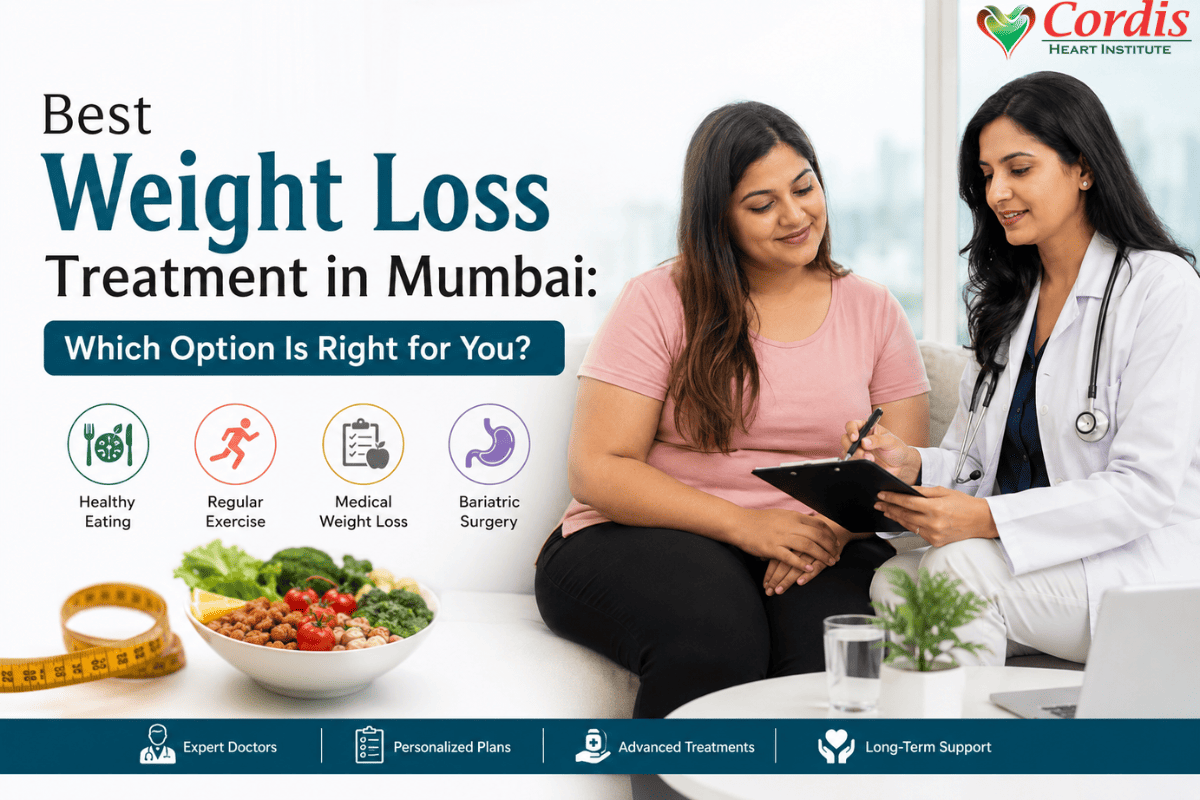
Not every patient requires surgery. Modern obesity treatment focuses on selecting the safest and most effective option for each individual.
Lifestyle Modification Programs
Lifestyle modification remains the foundation of every successful weight loss journey.
A structured program generally includes:
Personalized Nutrition Planning
Instead of following restrictive diets, nutrition experts create meal plans that match your calorie needs, food preferences, and medical conditions.
Exercise Guidance
Regular physical activity helps burn calories, improve metabolism, and preserve muscle mass during weight loss.
Exercise plans are customized according to age, fitness level, and existing medical conditions.
Behavioural Therapy
Many people struggle with emotional eating, stress eating, or unhealthy habits developed over several years.
Behavioural counselling helps patients identify these triggers and develop healthier long-term habits.
Lifestyle modification is often recommended for patients who are overweight or in the early stages of obesity.
Medical Weight Loss Programs
When lifestyle changes alone are insufficient, doctors may recommend medically supervised weight loss.
These programs usually include:
Doctor-Supervised Treatment
Patients undergo regular monitoring to ensure weight loss remains safe and sustainable.
Prescription Medications
Certain FDA-approved medications may help reduce appetite or improve metabolism when combined with healthy eating and physical activity.
Medication should always be taken under medical supervision.
Regular Health Monitoring
Doctors monitor:
- Blood sugar
- Blood pressure
- Cholesterol
- Liver function
- Kidney function
- Overall progress
Medical weight loss programs are especially helpful for patients who have obesity-related medical conditions.
Bariatric Surgery
For individuals with severe obesity, bariatric surgery can be an effective long-term solution.
These procedures reduce food intake and, in some cases, change how the digestive system absorbs nutrients.
Gastric Sleeve Surgery
During sleeve gastrectomy, approximately 75% to 80% of the stomach is removed, creating a smaller stomach that helps patients feel full sooner.
Gastric Bypass Surgery
Gastric bypass creates a smaller stomach pouch and reroutes part of the digestive tract. This limits calorie absorption while reducing food intake.
Mini Gastric Bypass
This procedure offers many of the benefits of traditional gastric bypass with a simpler surgical approach for selected patients.
Who Qualifies for Bariatric Surgery?
Bariatric surgery may be recommended if you:
- Have a BMI of 40 or higher.
- Have a BMI of 35 or higher with diabetes, hypertension, or sleep apnea.
- Have not achieved long-term success with non-surgical treatments.
- Are medically fit for surgery.
The decision is always made after a detailed evaluation by a bariatric surgeon.
Post-Surgery Weight Management
Surgery is not the end of the journey.
Long-term success depends on:
- Healthy eating habits
- Regular exercise
- Vitamin supplementation
- Routine follow-up appointments
- Psychological support when needed
Patients who follow post-operative recommendations generally achieve better long-term results.
Which Weight Loss Treatment Is Right for You?
Choosing the right treatment depends on your overall health rather than simply your weight.
Several factors help doctors recommend the most suitable option.
Based on Your BMI
BMI | Recommended Treatment |
25 – 29.9 | Lifestyle modification |
30 – 34.9 | Medical weight loss with lifestyle changes |
35 and above | Bariatric surgery if medically eligible |
BMI provides an important starting point, but it is not the only factor considered.
Based on Existing Health Conditions
People with diabetes, hypertension, fatty liver disease, sleep apnea, or heart disease often benefit from supervised weight loss programs because reducing excess weight can improve disease control and lower the risk of future complications.
Based on Age and Lifestyle
A young adult with mild obesity may achieve excellent results through structured nutrition and exercise programs. Older adults or individuals with multiple health conditions may require a more comprehensive medical approach. Work schedules, activity levels, dietary habits, and family responsibilities are also considered before recommending a treatment plan.
Based on Weight Loss Goals
Some individuals want to lose 10 to 15 kilograms to improve their fitness, while others need substantial weight reduction to manage obesity-related diseases. Your doctor will recommend a treatment that aligns with your health status and long-term goals rather than focusing only on rapid weight loss.
The most effective treatment is one that you can maintain safely over time. At Cordis Heart Institute, every patient receives a personalized evaluation to determine the most appropriate path toward healthier, sustainable weight loss.
Benefits of Choosing Professional Weight Loss Treatment
Losing weight is not just about eating less or exercising more. Every individual has a different body composition, metabolism, medical history, and lifestyle. A professional weight loss program addresses these factors to create a plan that is both safe and effective.
Personalized Care
No two people gain weight for the same reasons. Some struggle because of hormonal disorders, while others may have unhealthy eating habits, stress, or medical conditions that make weight loss difficult.
At Cordis Heart Institute, every treatment plan is personalized after a detailed health assessment. Your doctor considers your BMI, medical history, current medications, lifestyle, and weight loss goals before recommending the most suitable option.
Safe and Evidence-Based Treatment
Crash diets, detox drinks, and unverified weight loss supplements often promise quick results but rarely deliver lasting success. In some cases, they may even harm your health.
Professional weight loss treatment is based on medical guidelines and scientific evidence. Whether you are advised to follow a lifestyle program, take prescription medication, or undergo bariatric surgery, every recommendation is made with your safety in mind.
Long-Term Weight Management
One of the biggest challenges people face is maintaining weight loss. Many regain the weight they lose because temporary diets do not address long-term habits.
A structured weight management program helps you:
- Develop healthier eating habits
- Stay physically active
- Understand portion control
- Manage emotional eating
- Build sustainable lifestyle changes
The goal is not only to lose weight but also to maintain a healthy weight for years to come.
Improved Overall Health
Professional weight loss treatment can improve much more than your appearance.
Many patients experience:
- Better blood sugar control
- Lower blood pressure
- Reduced cholesterol levels
- Improved sleep quality
- Better mobility
- Increased energy
- Reduced risk of heart disease
- Better mental well-being
Even a modest weight loss can make a noticeable difference in your overall health.
Why Choose Cordis Heart Institute for Weight Loss Treatment in Mumbai?
Finding the right healthcare provider is just as important as choosing the right treatment. At Cordis Heart Institute, patients receive complete support throughout their weight loss journey.
Experienced Bariatric Surgeons
The bariatric surgery team has the experience to evaluate each patient’s condition and recommend the most appropriate treatment based on internationally accepted medical guidelines.
Personalized Treatment Plans
Every patient has different health needs. Instead of offering the same treatment to everyone, personalized plans are created based on medical history, BMI, existing health conditions, and long-term goals.
Advanced Surgical Facilities
For patients requiring bariatric surgery, modern operation theatres, advanced surgical equipment, and high standards of patient safety help ensure quality care.
Multidisciplinary Care Team
Successful weight loss often requires support from multiple specialists.
Your treatment may involve:
- Bariatric surgeons
- Physicians
- Dietitians
- Nutritionists
- Physiotherapists
- Mental health professionals
This team-based approach helps improve long-term outcomes.
Nutritional and Lifestyle Support
Weight loss does not end after surgery or medication. Patients receive practical guidance on healthy eating, physical activity, hydration, vitamin supplementation, and long-term lifestyle management.
Follow-Up Care for Long-Term Success
Regular follow-up appointments allow doctors to monitor progress, identify challenges early, and adjust treatment whenever needed. Ongoing support plays an important role in preventing weight regain.
What Happens During Your First Consultation?
Many people hesitate to book a consultation because they are unsure what to expect. Your first appointment is focused on understanding your health and identifying the most suitable treatment.
Medical History Review
The doctor will discuss:
- Previous weight loss attempts
- Existing medical conditions
- Current medications
- Family history
- Eating habits
- Physical activity level
BMI and Body Composition Assessment
Your height, weight, waist circumference, and Body Mass Index (BMI) will be measured. In some cases, body composition analysis may also be performed to evaluate fat and muscle percentage.
Diagnostic Tests (If Required)
Depending on your condition, your doctor may recommend tests such as:
- Blood sugar
- Thyroid function
- Cholesterol profile
- Liver function tests
- Kidney function tests
- Vitamin levels
These investigations help identify any underlying medical conditions contributing to weight gain.
Personalized Treatment Recommendations
Based on your assessment, your doctor will explain:
- Your ideal target weight
- Expected timeline
- Treatment options
- Lifestyle changes
- Follow-up schedule
You will have the opportunity to ask questions and understand each recommendation before starting treatment.
Lifestyle Tips to Maintain Weight Loss
Long-term success depends on maintaining healthy habits even after achieving your target weight.
Healthy Eating Habits
Choose balanced meals that include:
- Lean protein
- Whole grains
- Fresh fruits
- Vegetables
- Healthy fats
Avoid frequent consumption of sugary beverages, processed foods, and excessive portion sizes.
Regular Physical Activity
Aim for at least 150 minutes of moderate exercise every week. Walking, cycling, swimming, strength training, and yoga are excellent options.
Better Sleep
Poor sleep affects hunger hormones and increases cravings for unhealthy foods. Adults should aim for 7 to 9 hours of quality sleep each night.
Stress Management
Stress often leads to emotional eating. Meditation, breathing exercises, hobbies, and regular physical activity can help manage stress effectively.
Regular Follow-Up with Your Doctor
Routine check-ups help track your progress and address any challenges before they become major setbacks.
Common Myths About Weight Loss Treatment
Many misconceptions prevent people from seeking the help they need.
Myth 1: Bariatric Surgery Is the Easy Way Out
Fact: Bariatric surgery is a medical treatment for obesity. Long-term success still requires healthy eating, exercise, and regular follow-up.
Myth 2: Weight Loss Medicines Work Forever
Fact: Prescription medications are only one part of a complete weight management plan. Lifestyle changes remain essential.
Myth 3: You Can Lose Weight Without Changing Your Lifestyle
Fact: Sustainable weight loss requires healthy eating habits, regular physical activity, and behavioural changes regardless of the treatment chosen.
Myth 4: Bariatric Surgery Is Unsafe
Fact: When performed by experienced surgeons in a well-equipped hospital, bariatric surgery is considered a safe and effective treatment for eligible patients.
Frequently Asked Questions (FAQs)
What is the best weight loss treatment in Mumbai?
The best treatment depends on your BMI, overall health, medical conditions, and weight loss goals. Your doctor may recommend lifestyle modification, medical weight loss, or bariatric surgery after a detailed evaluation.
Who is eligible for bariatric surgery?
Patients with a BMI of 40 or above, or those with a BMI of 35 or above along with obesity-related health conditions such as diabetes or hypertension, may be eligible after medical assessment.
Is bariatric surgery safe?
Yes. When performed by experienced bariatric surgeons in a qualified hospital, bariatric surgery has a good safety profile. Your doctor will evaluate whether you are a suitable candidate.
How much weight can I lose after bariatric surgery?
Weight loss varies from person to person. Most patients lose a significant percentage of their excess body weight within the first 12 to 18 months when they follow medical advice.
How long does recovery take?
Many patients resume light daily activities within two to four weeks, although complete recovery depends on the type of procedure and individual healing.
Is medical weight loss better than surgery?
Neither option is universally better. Medical weight loss works well for many individuals, while bariatric surgery may be more suitable for patients with severe obesity.
What is the cost of weight loss treatment in Mumbai?
The cost depends on the treatment recommended, hospital facilities, investigations, and whether surgery is required. A consultation will provide a personalized estimate.
Can diabetes improve after bariatric surgery?
Many patients experience significant improvement in blood sugar control after bariatric surgery, particularly when combined with healthy lifestyle changes.
How do I choose the best weight loss specialist in Mumbai?
Look for experienced specialists who offer personalized treatment plans, evidence-based care, multidisciplinary support, and long-term follow-up.
Does insurance cover bariatric surgery?
Insurance coverage varies between providers and policy terms. It is advisable to check with your insurance company regarding eligibility and coverage.
Conclusion
Choosing the best weight loss treatment in Mumbai is an important decision that should be based on your overall health, medical history, and long-term goals rather than temporary trends or quick-fix solutions.
Whether your treatment involves lifestyle modification, medically supervised weight loss, or bariatric surgery, the right approach is one that is safe, sustainable, and tailored to your individual needs.
At Cordis Heart Institute, patients receive personalized care from experienced specialists who focus on achieving long-term health improvements rather than short-term results. With expert guidance, advanced treatment options, and continued support, you can take confident steps toward a healthier future.
Take the First Step Toward a Healthier Life
If you are searching for the best weight loss treatment in Mumbai, the experienced team at Cordis Heart Institute is here to help.
Book your consultation today to receive a personalized evaluation and discover the treatment option that best suits your health, lifestyle, and weight loss goals. Your journey toward better health starts with one informed decision.